Aubin Vega Mélissa, Girault Alban, Meunier Émilie, Chebli Jasmine, Privé Anik, Robichaud Annette, Adam Damien, Brochiero Emmanuelle
Centre de recherche du Centre hospitalier de l'Université de Montréal (CRCHUM), Montréal, QC, Canada.
Département de Médecine, Université de Montréal, Montréal, QC, Canada.
Front Physiol. 2024 Feb 20;15:1345488. doi: 10.3389/fphys.2024.1345488. eCollection 2024.
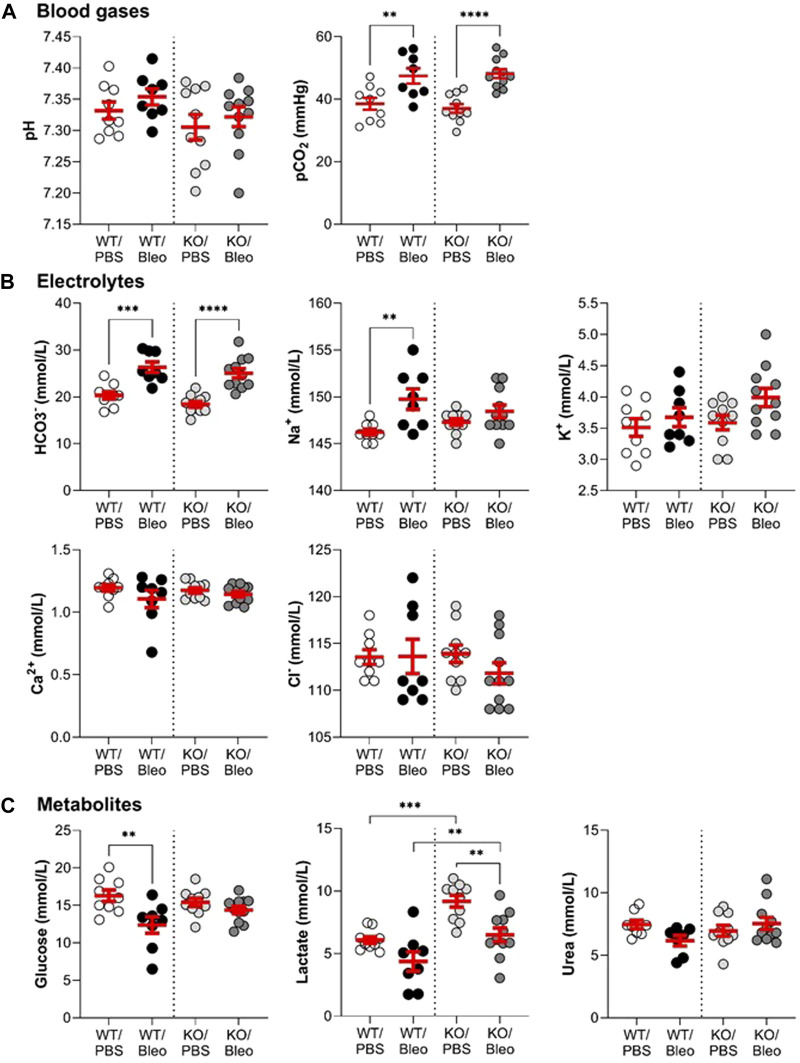
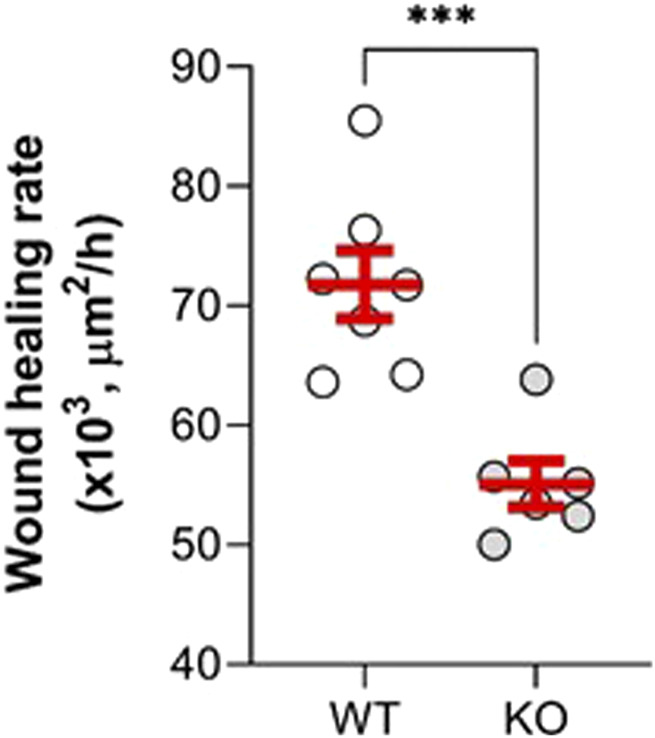
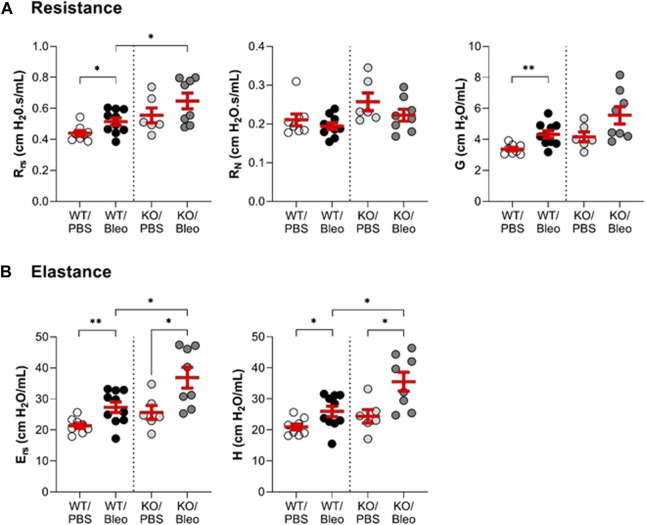
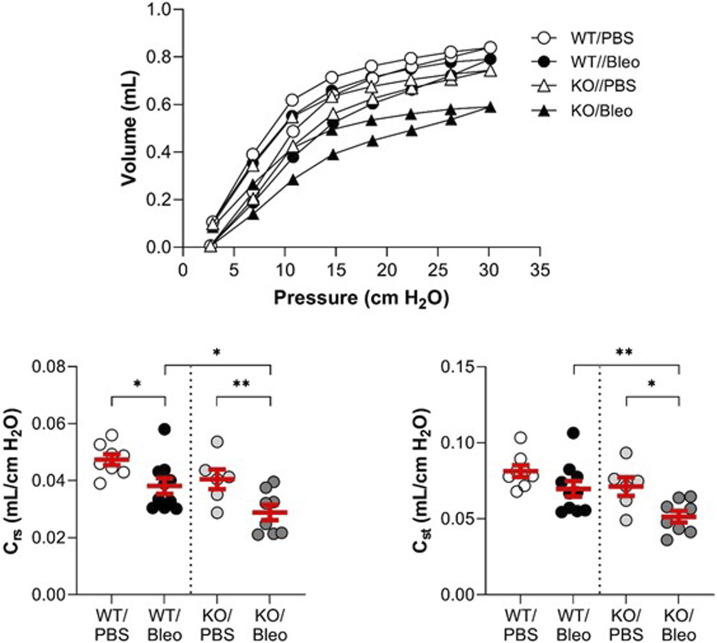
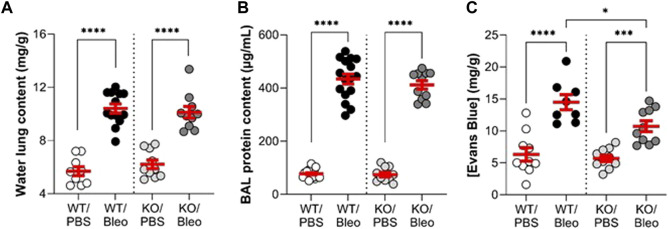
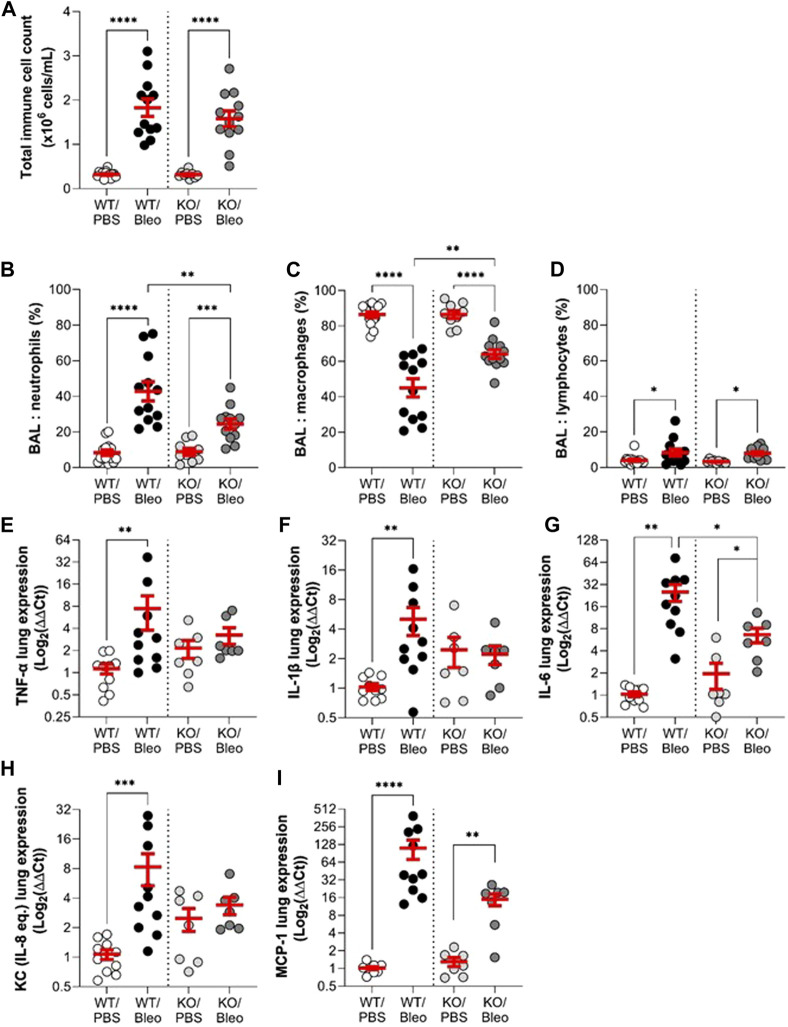
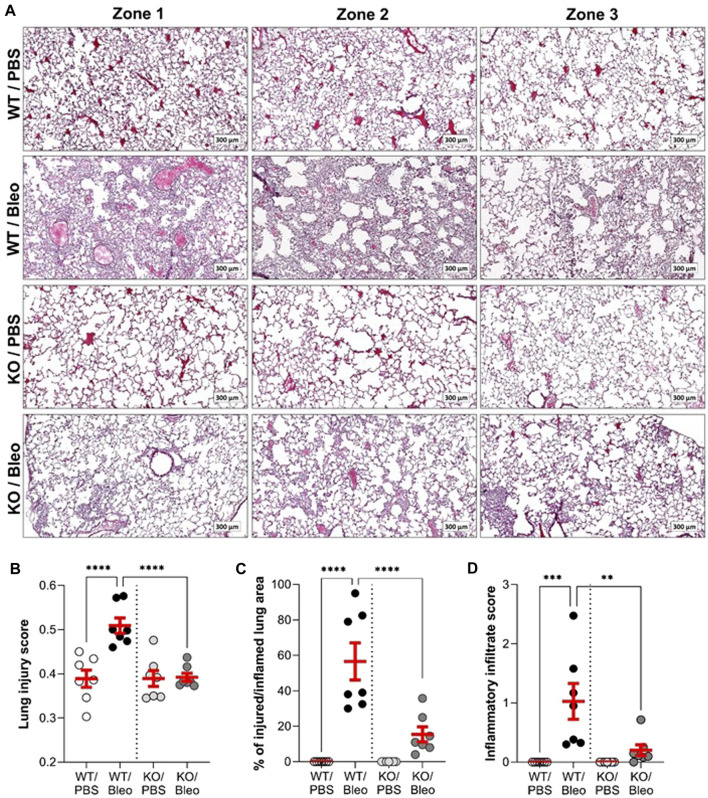
Acute respiratory distress syndrome (ARDS) is characterized by an exacerbated inflammatory response, severe damage to the alveolar-capillary barrier and a secondary infiltration of protein-rich fluid into the airspaces, ultimately leading to respiratory failure. Resolution of ARDS depends on the ability of the alveolar epithelium to reabsorb lung fluid through active transepithelial ion transport, to control the inflammatory response, and to restore a cohesive and functional epithelium through effective repair processes. Interestingly, several lines of evidence have demonstrated the important role of potassium (K) channels in the regulation of epithelial repair processes. Furthermore, these channels have previously been shown to be involved in sodium/fluid absorption across alveolar epithelial cells, and we have recently demonstrated the contribution of KvLQT1 channels to the resolution of thiourea-induced pulmonary edema . The aim of our study was to investigate the role of the KCNQ1 pore-forming subunit of KvLQT1 channels in the outcome of ARDS parameters in a model of acute lung injury (ALI). We used a molecular approach with KvLQT1-KO mice challenged with bleomycin, a well-established ALI model that mimics the key features of the exudative phase of ARDS on day 7. Our data showed that KvLQT1 deletion exacerbated the negative outcome of bleomycin on lung function (resistance, elastance and compliance). An alteration in the profile of infiltrating immune cells was also observed in KvLQT1-KO mice while histological analysis showed less interstitial and/or alveolar inflammatory response induced by bleomycin in KvLQT1-KO mice. Finally, a reduced repair rate of KvLQT1-KO alveolar cells after injury was observed. This work highlights the complex contribution of KvLQT1 in the development and resolution of ARDS parameters in a model of ALI.
急性呼吸窘迫综合征(ARDS)的特征是炎症反应加剧、肺泡-毛细血管屏障严重受损以及富含蛋白质的液体继发性渗入气腔,最终导致呼吸衰竭。ARDS的缓解取决于肺泡上皮细胞通过主动跨上皮离子转运重吸收肺内液体、控制炎症反应以及通过有效的修复过程恢复有凝聚力和功能的上皮细胞的能力。有趣的是,有几条证据表明钾(K)通道在调节上皮修复过程中起重要作用。此外,这些通道先前已被证明参与跨肺泡上皮细胞的钠/液体吸收,并且我们最近证明了KvLQT1通道对硫脲诱导的肺水肿的消退有贡献。我们研究的目的是在急性肺损伤(ALI)模型中研究KvLQT1通道的KCNQ1孔形成亚基在ARDS参数结果中的作用。我们使用分子方法,用博来霉素攻击KvLQT1基因敲除小鼠,博来霉素是一种成熟的ALI模型,在第7天模拟ARDS渗出期的关键特征。我们的数据表明,KvLQT1基因缺失加剧了博来霉素对肺功能(阻力、弹性和顺应性)的负面结果。在KvLQT1基因敲除小鼠中还观察到浸润免疫细胞谱的改变,而组织学分析显示KvLQT1基因敲除小鼠中博来霉素诱导的间质和/或肺泡炎症反应较少。最后,观察到损伤后KvLQT1基因敲除肺泡细胞的修复率降低。这项工作突出了KvLQT1在ALI模型中ARDS参数的发展和消退中的复杂作用。