Department of Neurology, Affiliated ZhongDa Hospital, School of Medicine, Institution of Neuropsychiatry, Key Laboratory of Developmental Genes and Human Disease, Southeast University, Nanjing, 210009, Jiangsu, China.
Department of Pharmacology, School of Medicine, Southeast University, Nanjing, 210009, Jiangsu, China.
J Transl Med. 2024 Mar 7;22(1):248. doi: 10.1186/s12967-024-04993-3.
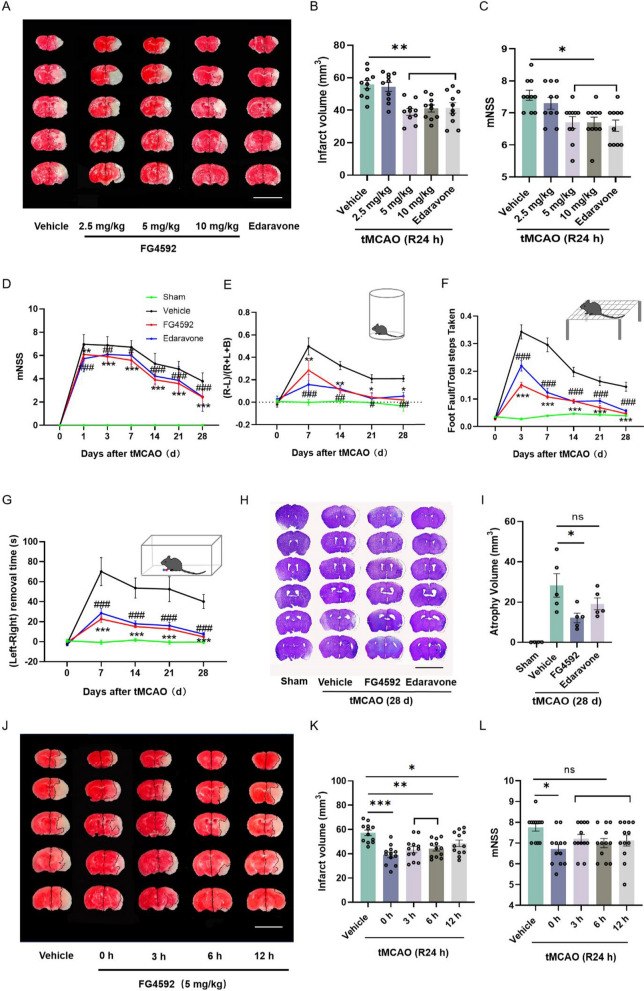
Acute ischemic stroke is a common neurological disease with a significant financial burden but lacks effective drugs. Hypoxia-inducible factor (HIF) and prolyl hydroxylases (PHDs) participate in the pathophysiological process of ischemia. However, whether FG4592, the first clinically approved PHDs inhibitor, can alleviate ischemic brain injury remains unclear.
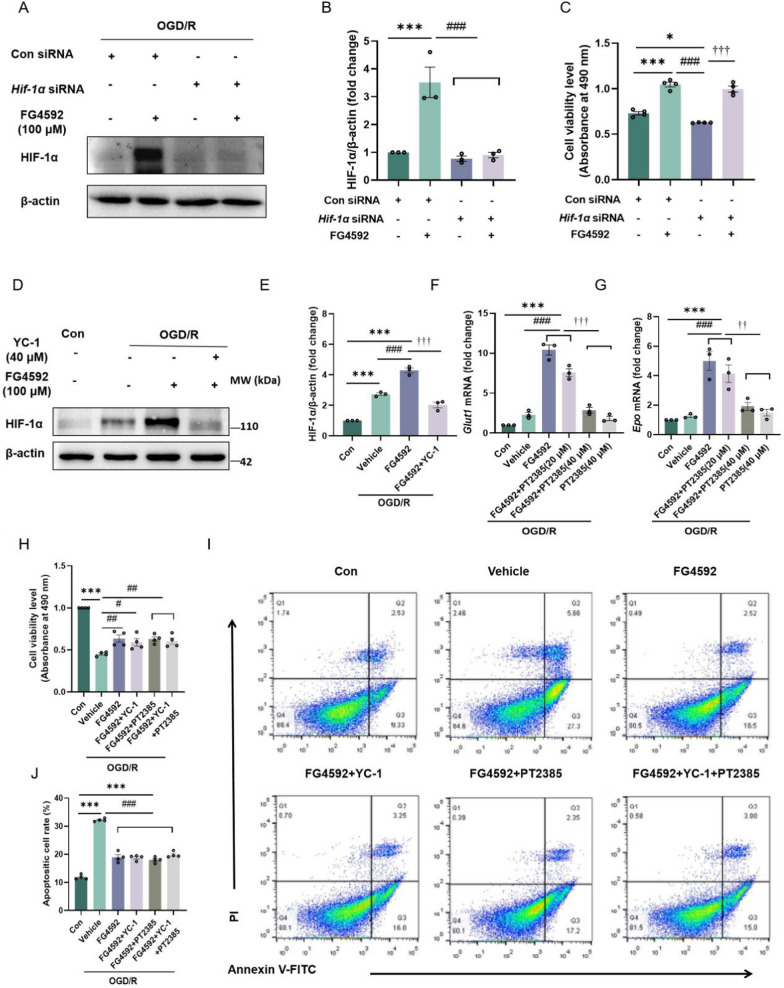
The infarct volumes and behaviour tests were first analyzed in mice after ischemic stroke with systemic administration of FG4592. The knockdown of HIF-1α and pretreatments of HIF-1/2α inhibitors were then used to verify whether the neuroprotection of FG4592 is HIF-dependent. The targets predicting and molecular docking methods were applied to find other targets of FG4592. Molecular, cell biological and gene knockdown methods were finally conducted to explore the potential neuroprotective mechanisms of FG4592.
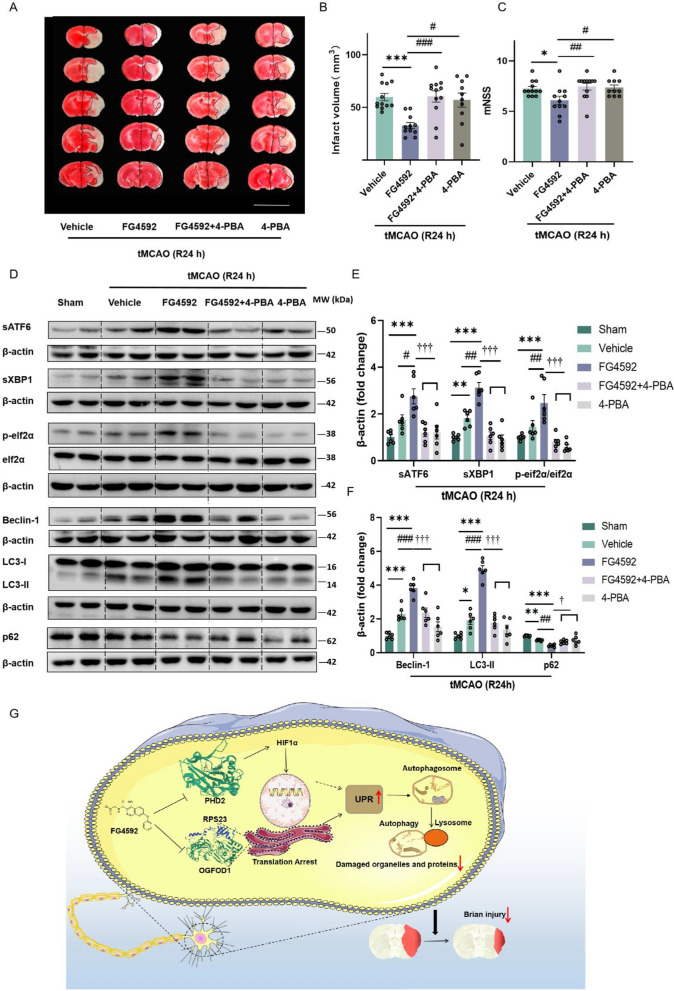
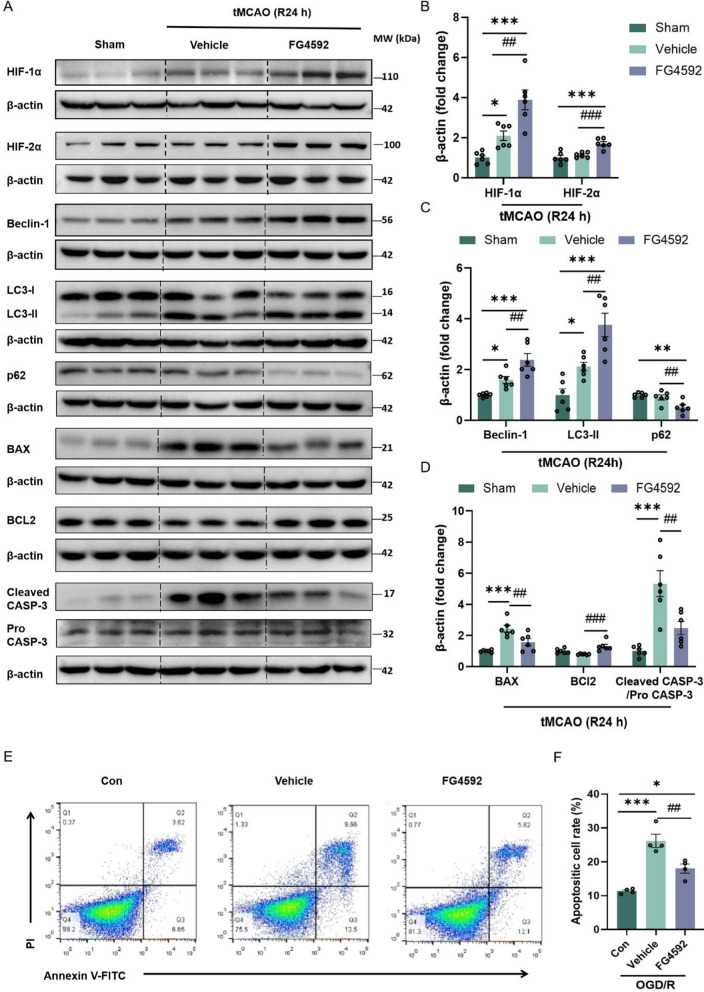
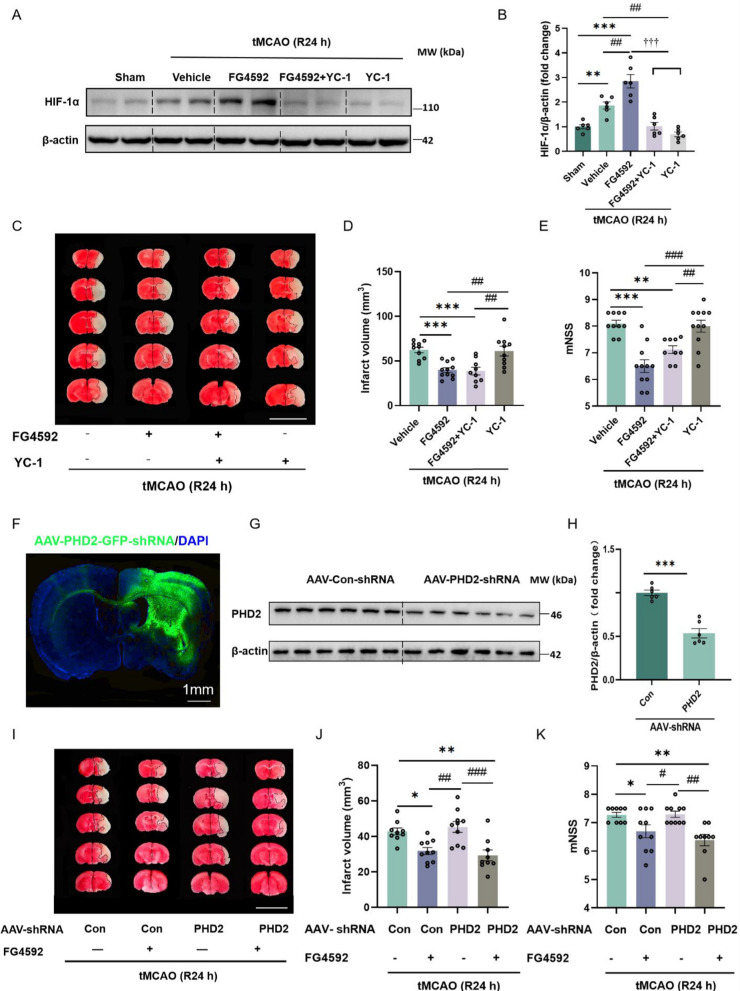
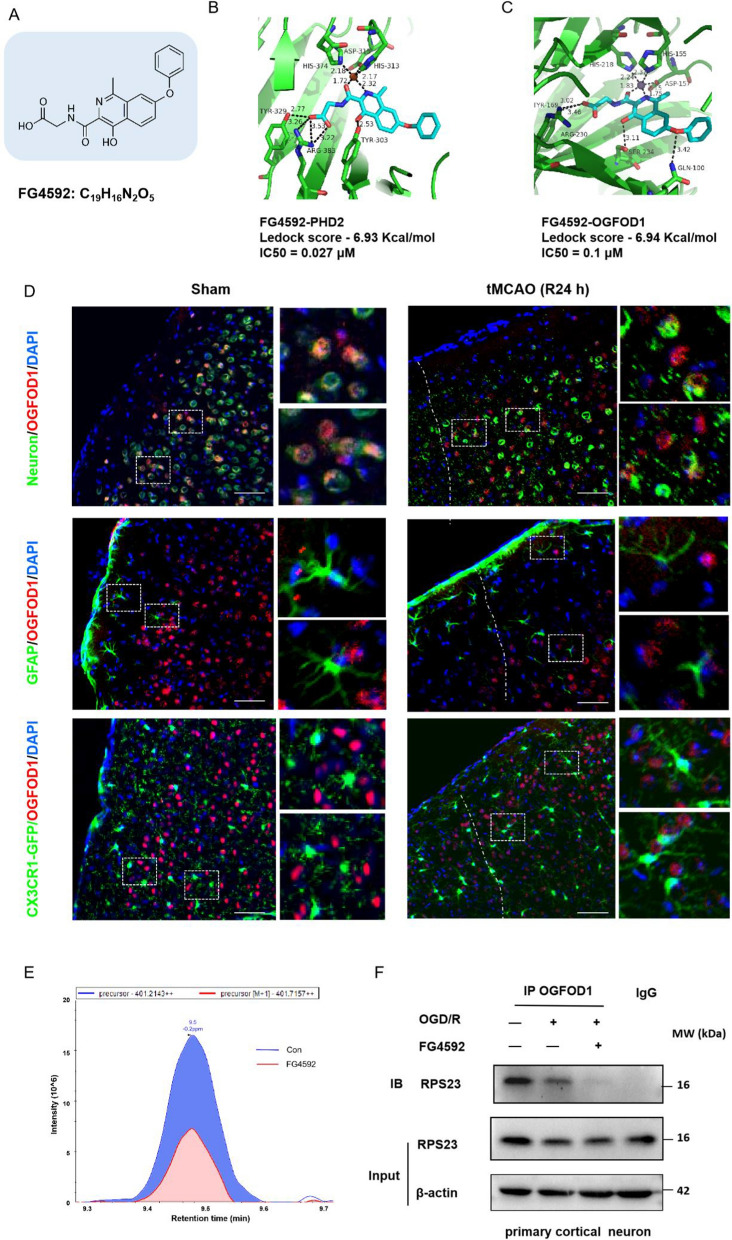
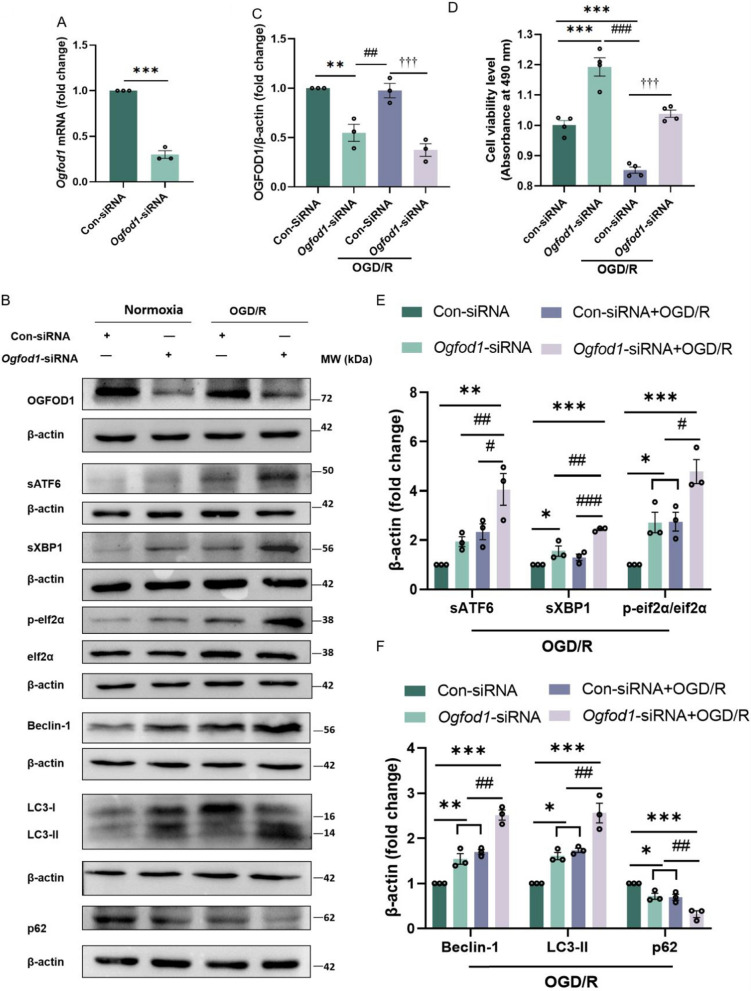
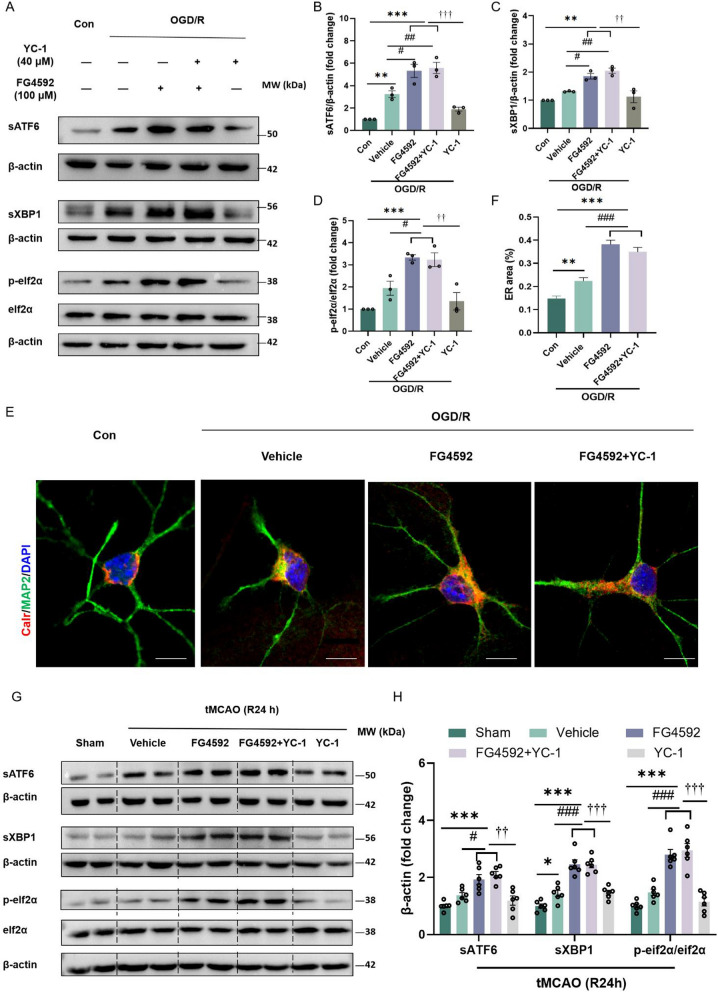
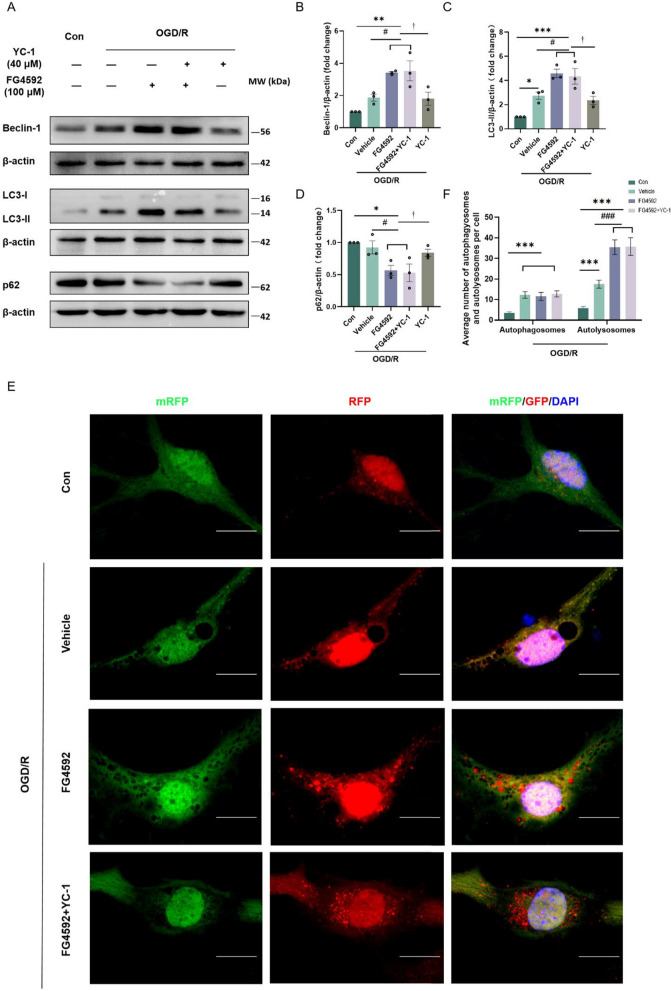
We found that the systemic administration of FG4592 decreased infarct volume and improved neurological defects of mice after transient or permanent ischemia. Meanwhile, FG4592 also activated autophagy and inhibited apoptosis in peri-infarct tissue of mice brains. However, in vitro and in vivo results suggested that the neuroprotection of FG4592 was not classical HIF-dependent. 2-oxoglutarate and iron-dependent oxygenase domain-containing protein 1 (OGFOD1) was found to be a novel target of FG4592 and regulated the Pro-62 hydroxylation in the small ribosomal protein s23 (Rps23) with the help of target predicting and molecular docking methods. Subsequently, the knockdown of OGFOD1 protected the cell against ischemia/reperfusion injury and activated unfolded protein response (UPR) and autophagy. Moreover, FG4592 was also found to activate UPR and autophagic flux in HIF-1α independent manner. Blocking UPR attenuated the neuroprotection, pro-autophagy effect and anti-apoptosis ability of FG4592.
This study demonstrated that FG4592 could be a candidate drug for treating ischemic stroke. The neuroprotection of FG4592 might be mediated by inhibiting alternative target OGFOD1, which activated the UPR and autophagy and inhibited apoptosis after ischemic injury. The inhibition of OGFOD1 is a novel therapy for ischemic stroke.
急性缺血性脑卒中是一种常见的神经系统疾病,具有巨大的经济负担,但缺乏有效的治疗药物。缺氧诱导因子(HIF)和脯氨酰羟化酶(PHD)参与了缺血的病理生理过程。然而,首个被临床批准的 PHDs 抑制剂 FG4592 是否能减轻缺血性脑损伤仍不清楚。
首先通过系统给予 FG4592 来分析缺血性脑卒中后小鼠的梗死体积和行为测试。然后使用 HIF-1α 的敲低和 HIF-1/2α 抑制剂预处理来验证 FG4592 的神经保护作用是否依赖于 HIF。应用靶标预测和分子对接方法来寻找 FG4592 的其他靶标。最后通过分子、细胞生物学和基因敲低方法来探讨 FG4592 的潜在神经保护机制。
我们发现,系统给予 FG4592 可减少短暂性或永久性缺血后小鼠的梗死体积并改善其神经缺陷。同时,FG4592 还可激活小鼠脑梗死周边组织的自噬并抑制细胞凋亡。然而,体内外结果表明,FG4592 的神经保护作用并非经典的 HIF 依赖性。通过靶标预测和分子对接方法发现,2-氧戊二酸和铁依赖的氧合酶结构域蛋白 1(OGFOD1)是 FG4592 的一个新靶标,它在靶标的帮助下调节小核糖体蛋白 s23(Rps23)中的 Pro-62 羟化。随后,OGFOD1 的敲低可保护细胞免受缺血/再灌注损伤,并激活未折叠蛋白反应(UPR)和自噬。此外,FG4592 还可独立于 HIF-1α 激活 UPR 和自噬流。阻断 UPR 会减弱 FG4592 的神经保护、促进自噬和抗细胞凋亡作用。
本研究表明,FG4592 可能是治疗缺血性脑卒中的候选药物。FG4592 的神经保护作用可能是通过抑制替代靶标 OGFOD1 介导的,后者在缺血性损伤后可激活 UPR 和自噬并抑制细胞凋亡。抑制 OGFOD1 是治疗缺血性脑卒中的一种新策略。