Department of Pharmacy at the Second Affiliated Hospital, Harbin Medical University, Harbin, China.
Department of Pharmacology at College of Pharmacy (National Key Laboratory of Frigid Zone Cardiovascular Diseases, Key Laboratory of Cardiovascular Research, Ministry of Education), Harbin Medical University, Harbin, China.
Nat Commun. 2024 Mar 8;15(1):2137. doi: 10.1038/s41467-024-46458-7.
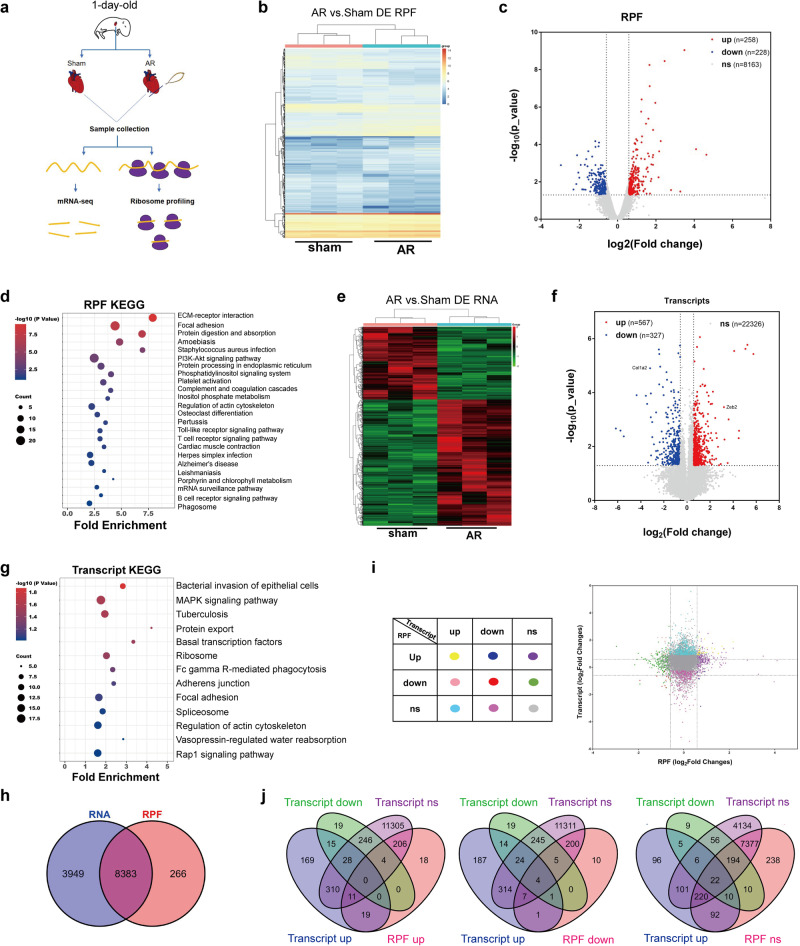
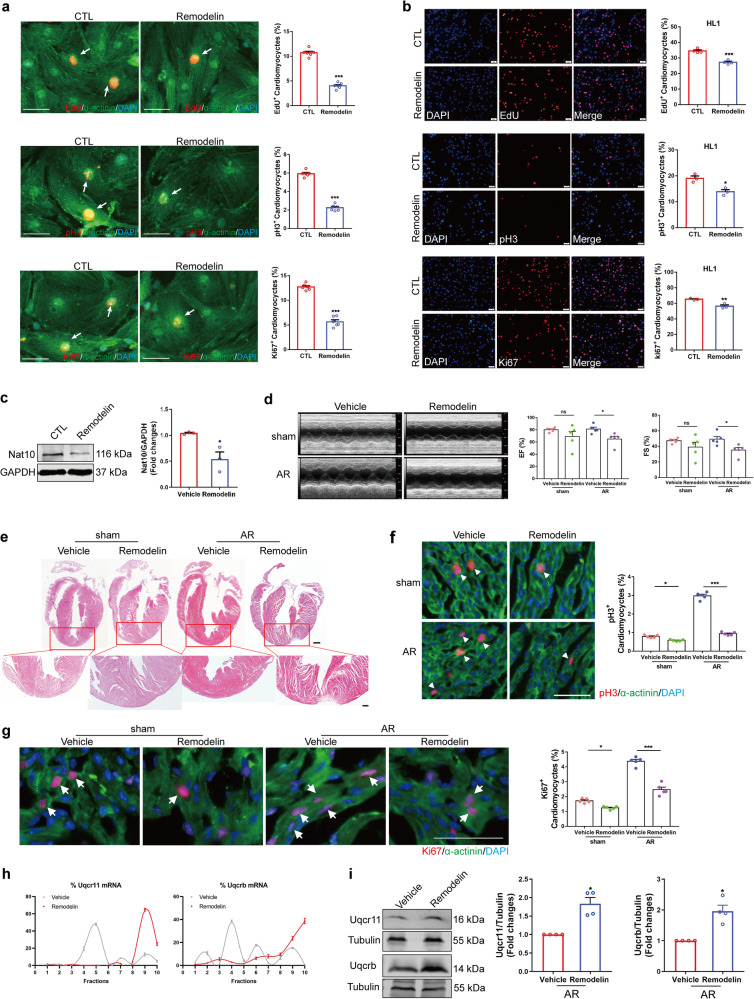
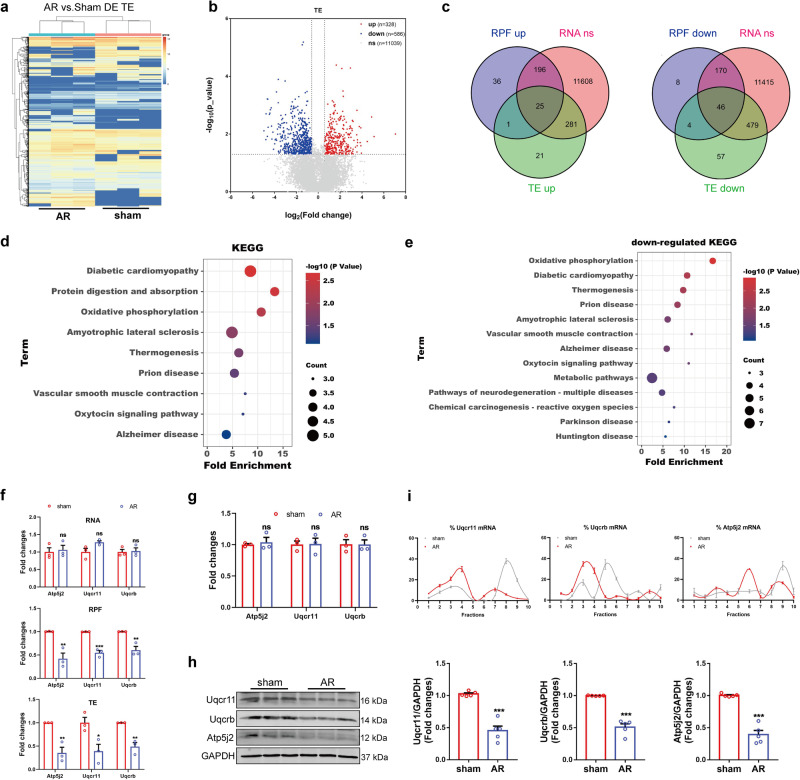
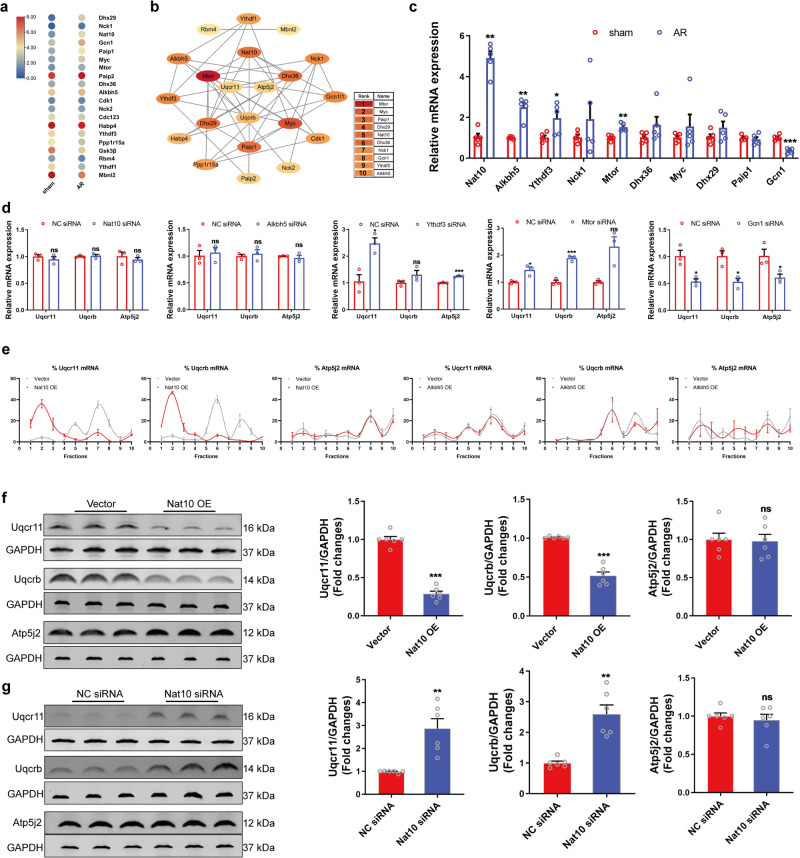
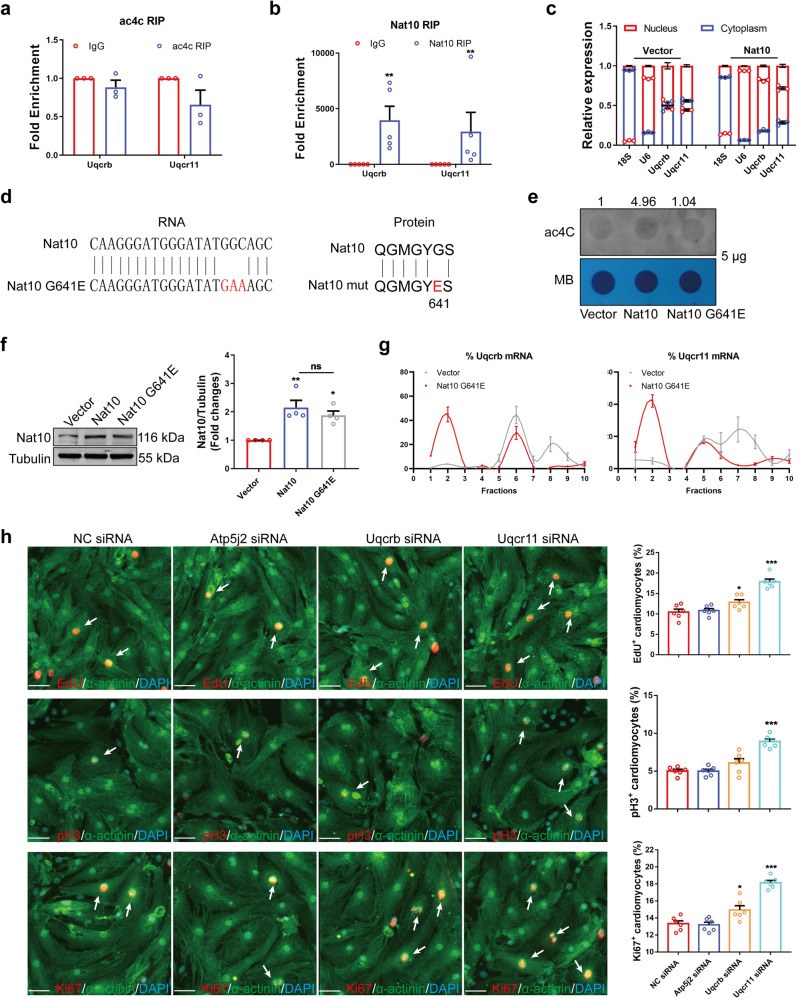
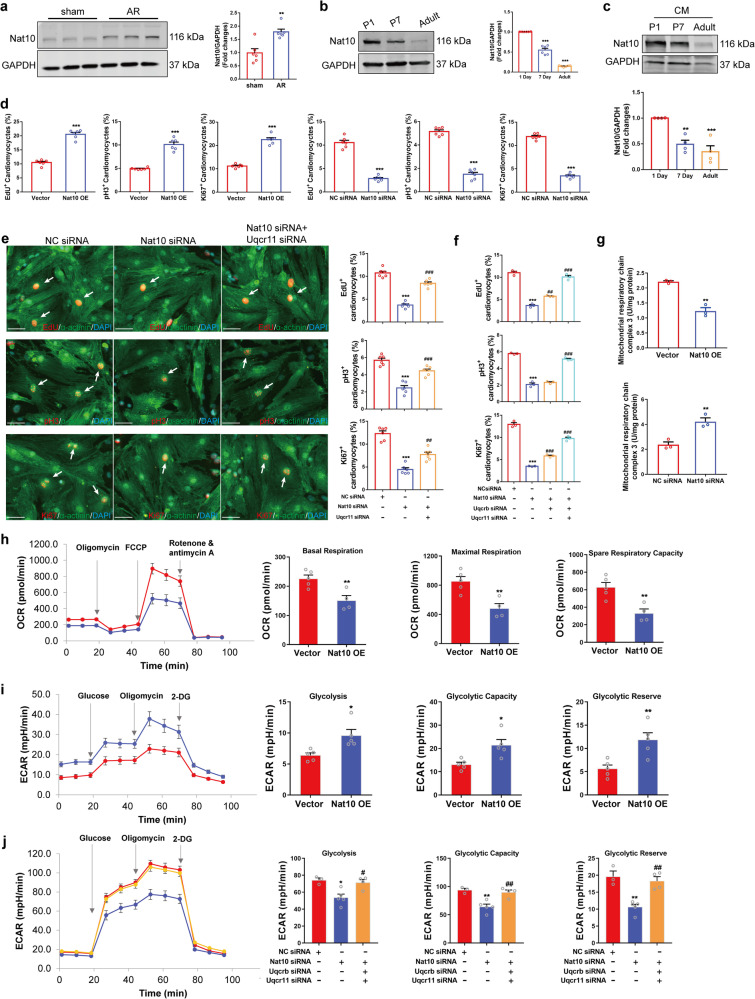
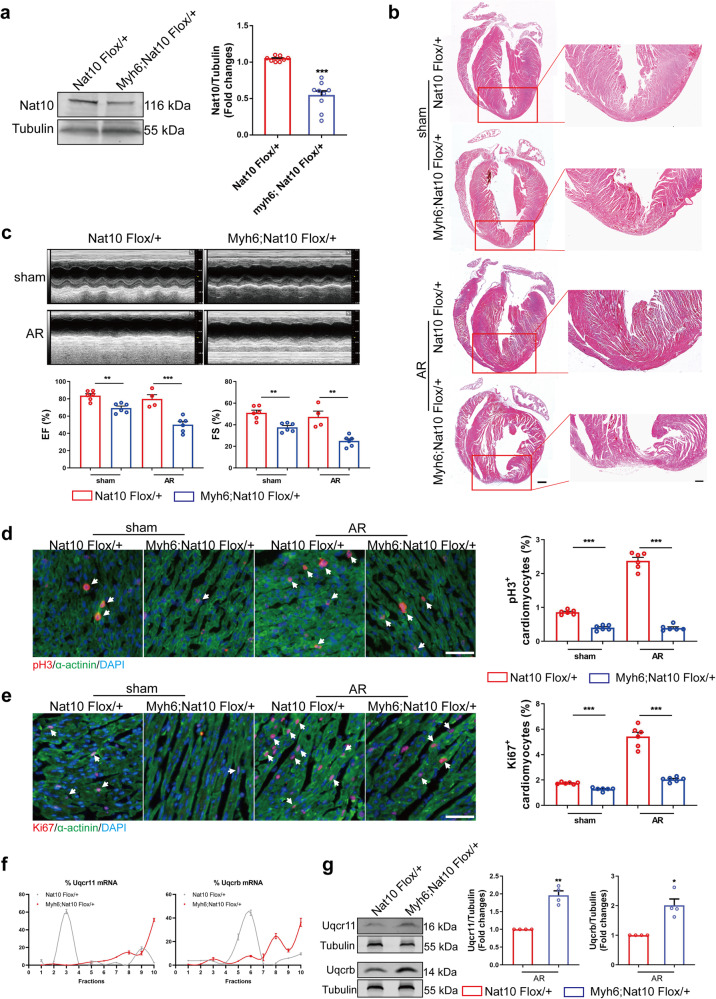
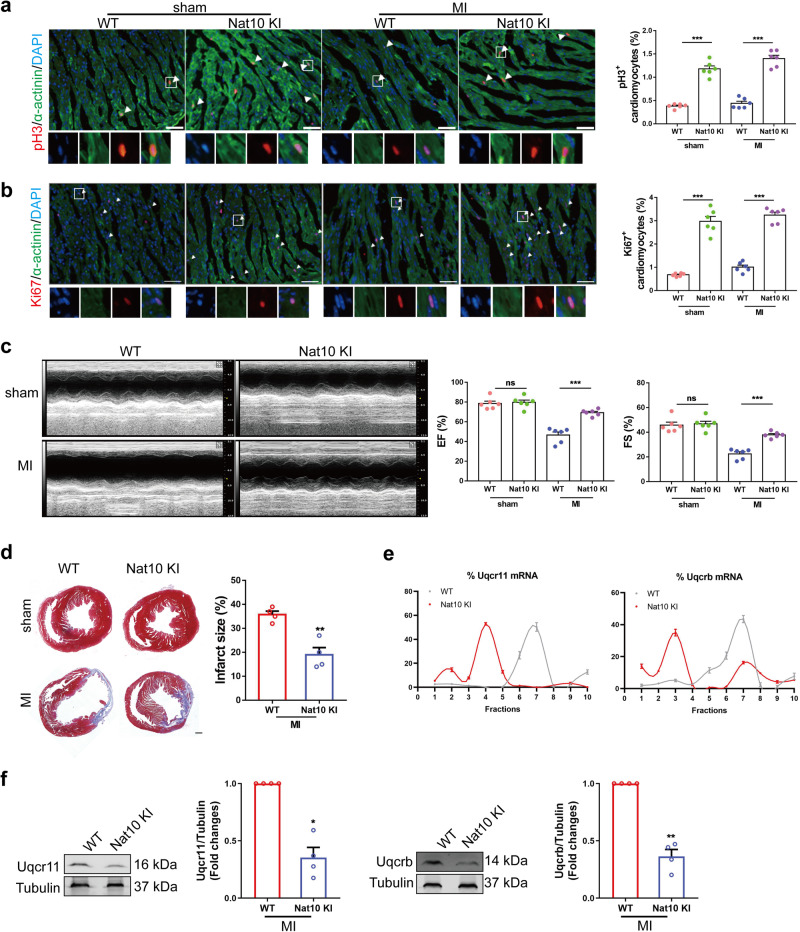
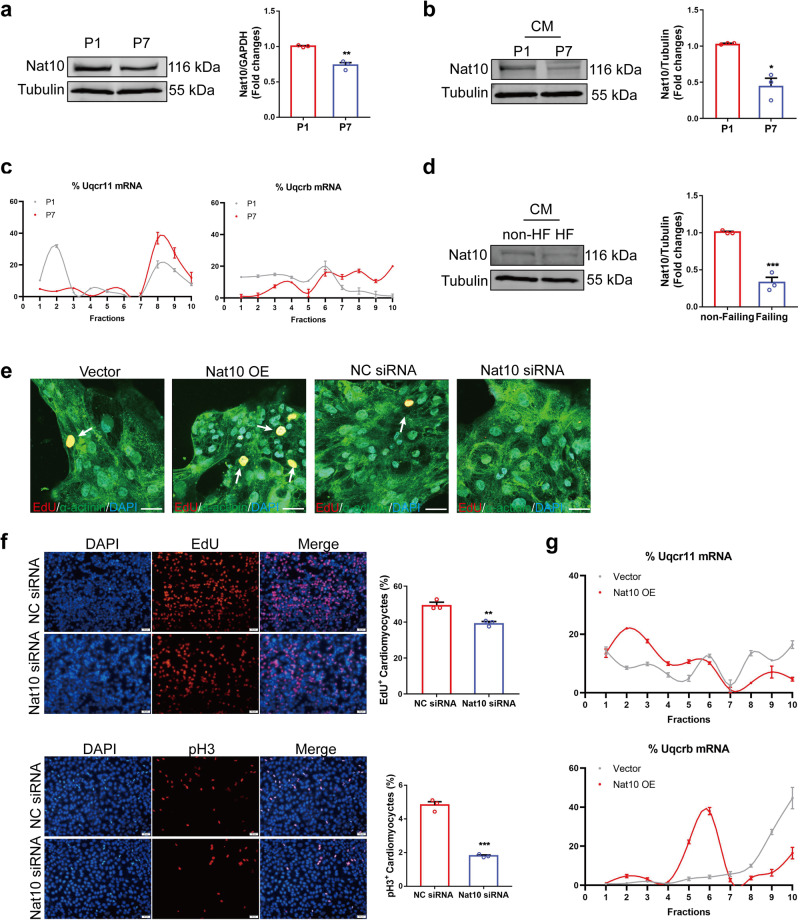
Translational control is crucial for protein production in various biological contexts. Here, we use Ribo-seq and RNA-seq to show that genes related to oxidative phosphorylation are translationally downregulated during heart regeneration. We find that Nat10 regulates the expression of Uqcr11 and Uqcrb mRNAs in mouse and human cardiomyocytes. In mice, overexpression of Nat10 in cardiomyocytes promotes cardiac regeneration and improves cardiac function after injury. Conversely, treating neonatal mice with Remodelin-a Nat10 pharmacological inhibitor-or genetically removing Nat10 from their cardiomyocytes both inhibit heart regeneration. Mechanistically, Nat10 suppresses the expression of Uqcr11 and Uqcrb independently of its ac4C enzyme activity. This suppression weakens mitochondrial respiration and enhances the glycolytic capacity of the cardiomyocytes, leading to metabolic reprogramming. We also observe that the expression of Nat10 is downregulated in the cardiomyocytes of P7 male pig hearts compared to P1 controls. The levels of Nat10 are also lower in female human failing hearts than non-failing hearts. We further identify the specific binding regions of Nat10, and validate the pro-proliferative effects of Nat10 in cardiomyocytes derived from human embryonic stem cells. Our findings indicate that Nat10 is an epigenetic regulator during heart regeneration and could potentially become a clinical target.
翻译控制在各种生物背景下的蛋白质生产中至关重要。在这里,我们使用 Ribo-seq 和 RNA-seq 表明,与氧化磷酸化相关的基因在心脏再生过程中翻译下调。我们发现 Nat10 在小鼠和人心肌细胞中调节 Uqcr11 和 Uqcrb mRNA 的表达。在小鼠中,心肌细胞中 Nat10 的过表达促进心脏再生并改善损伤后的心脏功能。相反,用 Remodelin(Nat10 的药理学抑制剂)处理新生小鼠或从其心肌细胞中遗传去除 Nat10 都抑制心脏再生。在机制上,Nat10 独立于其 ac4C 酶活性抑制 Uqcr11 和 Uqcrb 的表达。这种抑制减弱了线粒体呼吸作用并增强了心肌细胞的糖酵解能力,导致代谢重编程。我们还观察到,与 P1 对照相比,P7 雄性猪心脏的心肌细胞中 Nat10 的表达下调。与非衰竭心脏相比,女性心力衰竭患者的 Nat10 水平也较低。我们进一步确定了 Nat10 的特定结合区域,并验证了 Nat10 在源自人类胚胎干细胞的心肌细胞中的促增殖作用。我们的研究结果表明,Nat10 是心脏再生过程中的一种表观遗传调节剂,可能成为临床治疗靶点。