Pendem Sneha, Bhuvan Chandra Raparthi, Selvarasu Kathiravan, Krishnan Murugesan, M R Muthusekhar, J Preethi
Oral and Maxillofacial Surgery, Saveetha Institute of Medical and Technical Sciences, Saveetha Dental College and Hospitals, Chennai, IND.
Oral Surgery, Saveetha Institute of Medical and Technical Sciences, Saveetha Dental College and Hospitals, Chennai, IND.
Cureus. 2024 Feb 8;16(2):e53832. doi: 10.7759/cureus.53832. eCollection 2024 Feb.
To evaluate the relevance of the "rule of 10" as a deciding factor preoperatively for patients undergoing cleft lip repair in the Indian sub-continent.
A questionnaire survey was conducted.
All tertiary cleft care centers in the Indian subcontinent participated in an online questionnaire survey with anesthetic and surgical professionals.
The primary goal of this survey was to determine the relevance and applicability of various aspects of the rule of 10 as a preoperative guideline for determining the timing of cleft lip repair in ASA I infants. The survey also aids in understanding the systemic factors that need to be prioritized and factors that are no longer of primary relevance in defining the timeline to undertake cleft lip repair in infants in the current era.
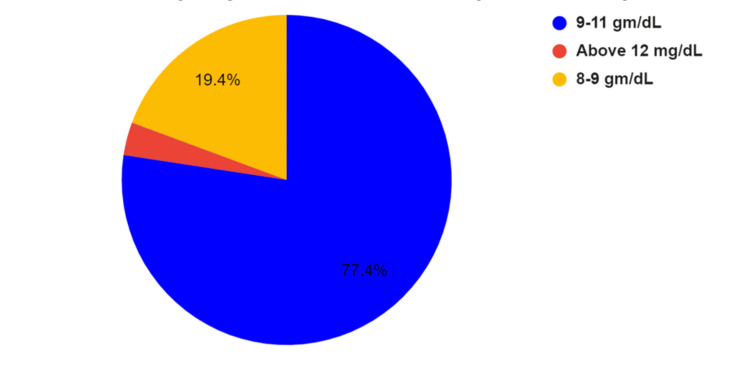
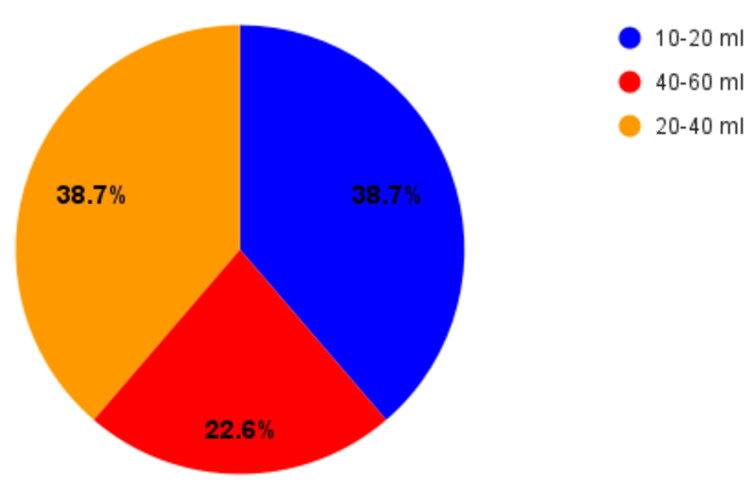
Surgeons and anesthetists from 31 tertiary cleft centers in India responded to the questionnaire. Specifically, 64.5% do not apply the "rule of 10" for deciding the timing of cleft lip repair, and 77% of the centers reported that cleft lip repair can be taken up in infants with hemoglobin levels in the range of 9-10 g/dL and an average weight of 4.5 kg. The average blood loss in unilateral lip repair ranged between 5 and 10 mL and 10 and 40 mL in children with bilateral lip repair. Three to six months was the average age at which cleft lip repair was undertaken at most of the centers in India.
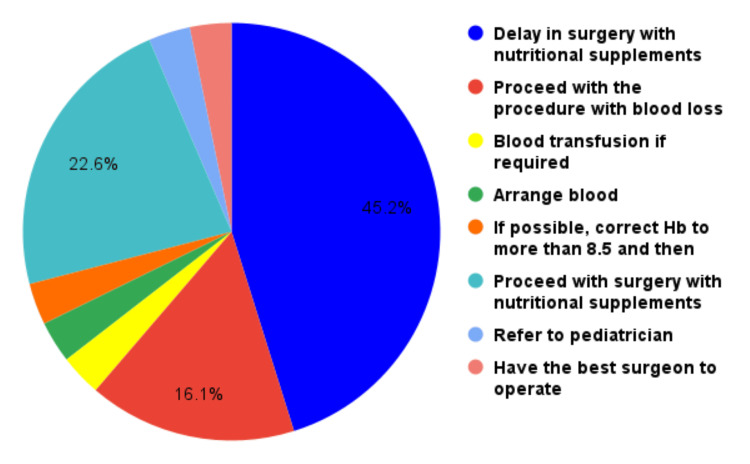
The rule of 10 is not considered a gold standard by most of the centers in India, and the decision-making was based on the overall physiological status of the patients, the experience of the surgeon, and the anesthetic and post-operative care facilities available at the center.
评估“10法则”作为印度次大陆唇裂修复患者术前决定因素的相关性。
进行问卷调查。
印度次大陆所有三级唇腭裂治疗中心与麻醉和外科专业人员参与了在线问卷调查。
本次调查的主要目标是确定“10法则”各方面作为美国麻醉医师协会(ASA)I级婴儿唇裂修复时机术前指南的相关性和适用性。该调查还有助于了解在确定当前时代婴儿唇裂修复时间线时需要优先考虑的全身因素以及不再具有主要相关性的因素。
印度31个三级唇腭裂中心的外科医生和麻醉师回复了问卷。具体而言,64.5%的人在决定唇裂修复时机时不应用“10法则”,77%的中心报告称血红蛋白水平在9 - 10 g/dL且平均体重为4.5 kg的婴儿可以进行唇裂修复。单侧唇裂修复的平均失血量在5至10 mL之间,双侧唇裂修复儿童的平均失血量在10至40 mL之间。印度大多数中心进行唇裂修复的平均年龄为3至6个月。
印度大多数中心不认为“10法则”是金标准,决策是基于患者的整体生理状况、外科医生的经验以及中心现有的麻醉和术后护理设施。