- Abdullah, Rashid Majid, Soto Cuauhtemoc Jeffrey, Virk Ghazala S, Mekowulu Favour C, Chaudhari Sandipkumar S, Batool Saima, Usama Muhammad
Kidney Transplant Unit, Rehman Medical Institute, Peshawar, PAK.
Internal Medicine, Khyber Teaching Hospital (KTH) Medical Teaching Institute, Peshawar, PAK.
Cureus. 2024 Feb 7;16(2):e53784. doi: 10.7759/cureus.53784. eCollection 2024 Feb.
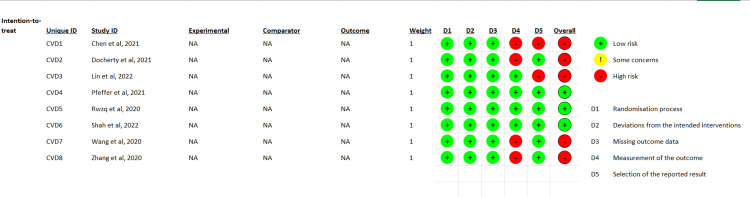
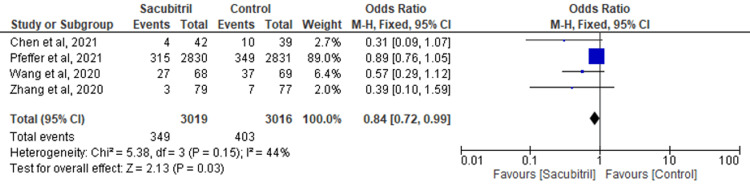
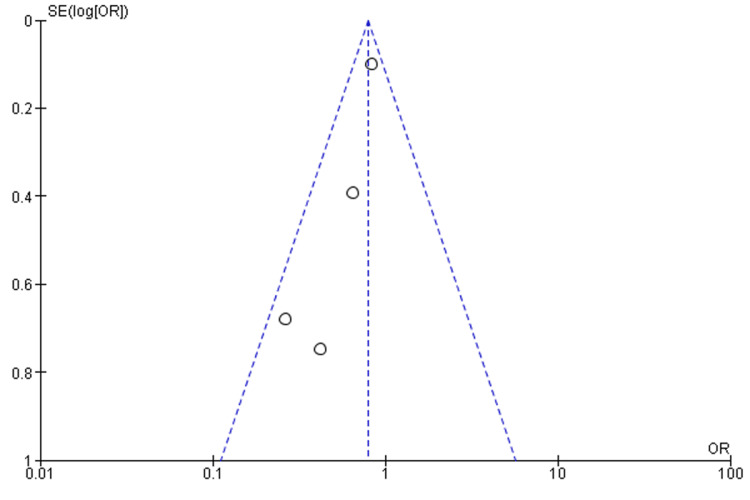
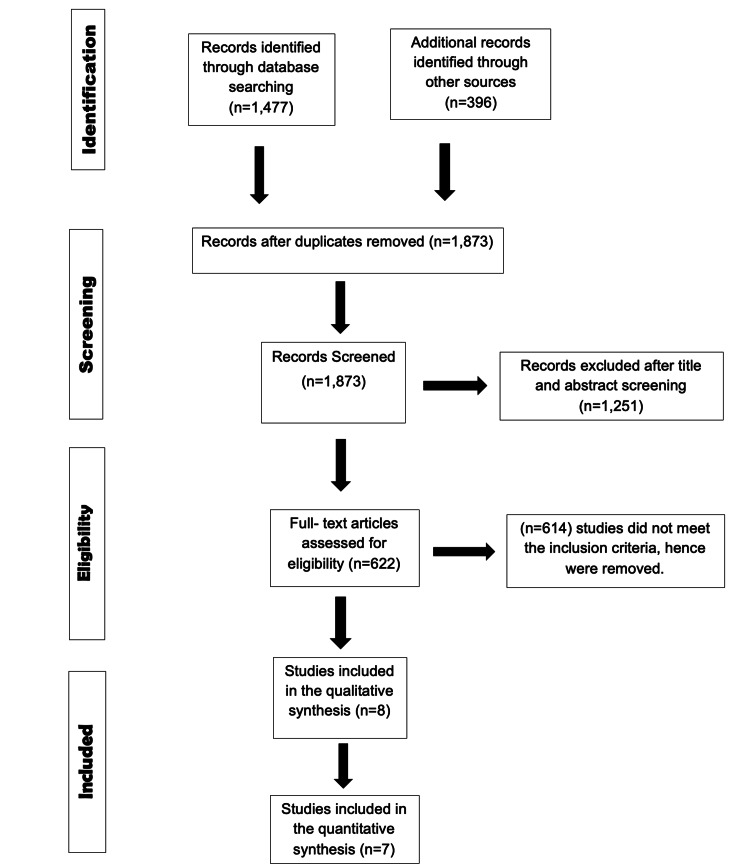
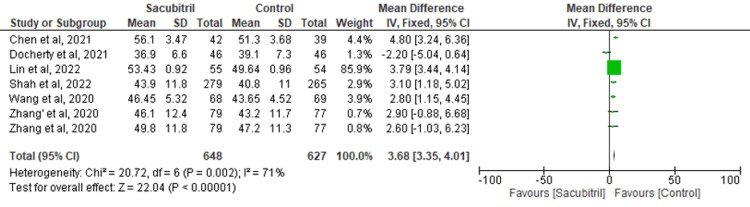
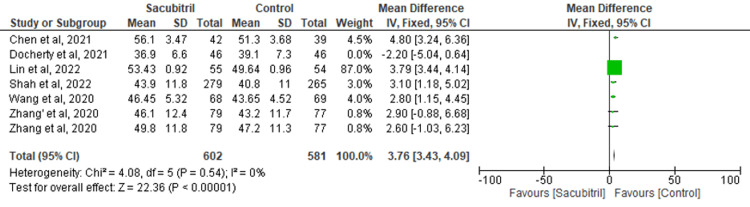
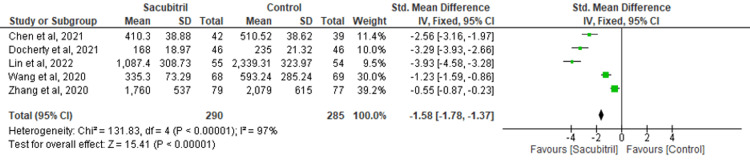
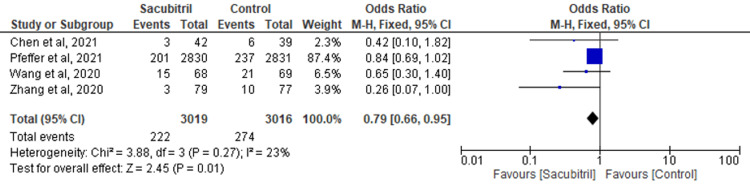
Acute myocardial infarction (AMI) is a significant global cause of mortality, necessitating the exploration of innovative treatments against the condition. Angiotensin receptor blockers (ARBs), angiotensin-converting enzyme inhibitors (ACEIs), and angiotensin receptor-neprilysin inhibitors (ARNIs) such as sacubitril/valsartan have demonstrated promise in managing acute heart failure (HF). However, despite favorable evidence from clinical trials for the use of sacubitril/valsartan in AMI, its overall efficacy remains a subject of debate. Hence, we conducted this review and meta-analysis, by adhering to the Preferred Reporting Items for Systematic Reviews and Meta-Analysis (PRISMA) guidelines and aligned with European Society of Cardiology recommendations, to compare sacubitril/valsartan with traditional ACEI/ARB treatments for AMI. We employed Review Manager 5.4 for statistical analysis, the Risk of Bias Tool 2.0 was utilized for quality assessment, and publication bias was assessed using a funnel plot. A p-value <0.05 was considered statistically significant. Eight randomized controlled trials (RCTs) were included in this meta-analysis. Our findings revealed that participants treated with sacubitril experienced significantly improved outcomes in terms of HF (OR=0.79; 95% CI: 0.66-0.95; p=0.01; I=23%), N-terminal pro-B-type natriuretic peptide (NT-proBNP) levels (MD = -1.58; 95% CI: -1.78 to -1.37, p<0.00001; I=97%), and major adverse cardiovascular events (MACE) (OR=0.84; 95% CI: 0.72-0.99; p=0.03; I=44%). However, left ventricular ejection fraction (LVEF) (MD=3.68; 95% CI: 3.35-4.01, p<0.00001; I=71%) showed greater improvement in the control group compared to the experimental group. Our meta-analysis suggests that sacubitril offers a favorable balance between safety and effectiveness. Sacubitril significantly improved outcomes in terms of HF, MACE, and NT-proBNP levels when compared to the control group. However, improvement in LVEF was notably higher in the control group over the sacubitril/valsartan group.
急性心肌梗死(AMI)是全球范围内导致死亡的重要原因,因此有必要探索针对该病的创新治疗方法。血管紧张素受体阻滞剂(ARBs)、血管紧张素转换酶抑制剂(ACEIs)以及沙库巴曲缬沙坦等血管紧张素受体脑啡肽酶抑制剂(ARNIs)已在急性心力衰竭(HF)的治疗中显示出前景。然而,尽管临床试验提供了使用沙库巴曲缬沙坦治疗AMI的有利证据,但其总体疗效仍存在争议。因此,我们遵循系统评价和Meta分析的首选报告项目(PRISMA)指南并符合欧洲心脏病学会的建议,进行了本综述和Meta分析,以比较沙库巴曲缬沙坦与传统ACEI/ARB治疗AMI的效果。我们使用Review Manager 5.4进行统计分析,使用偏倚风险工具2.0进行质量评估,并使用漏斗图评估发表偏倚。p值<0.05被认为具有统计学意义。本Meta分析纳入了八项随机对照试验(RCTs)。我们的研究结果显示,接受沙库巴曲治疗的参与者在HF(OR=0.79;95%CI:0.66 - 0.95;p=0.01;I²=23%)、N末端B型利钠肽原(NT-proBNP)水平(MD = -1.58;95%CI:-1.78至-1.37,p<0.00001;I²=97%)和主要不良心血管事件(MACE)(OR=0.84;95%CI:0.72 - 0.99;p=0.03;I²=44%)方面的结局有显著改善。然而,与实验组相比,对照组的左心室射血分数(LVEF)(MD=3.68;95%CI:3.35 - 4.01,p<0.00001;I²=71%)改善更明显。我们的Meta分析表明,沙库巴曲在安全性和有效性之间提供了良好的平衡。与对照组相比,沙库巴曲在HF、MACE和NT-proBNP水平方面显著改善了结局。然而,对照组的LVEF改善明显高于沙库巴曲缬沙坦组。