Baniassadi Amir, Yu Wanting, Wong Angel, Day Ryan, Travison Thomas, Lipsitz Lewis, Manor Bradley
Harvard Medical School, Boston, MA, USA.
Hinda and Arthur Marcus Institute for Aging Research, Boston, MA, USA.
J Aging Environ. 2024;38(1):18-36. doi: 10.1080/26892618.2022.2131676. Epub 2022 Oct 20.
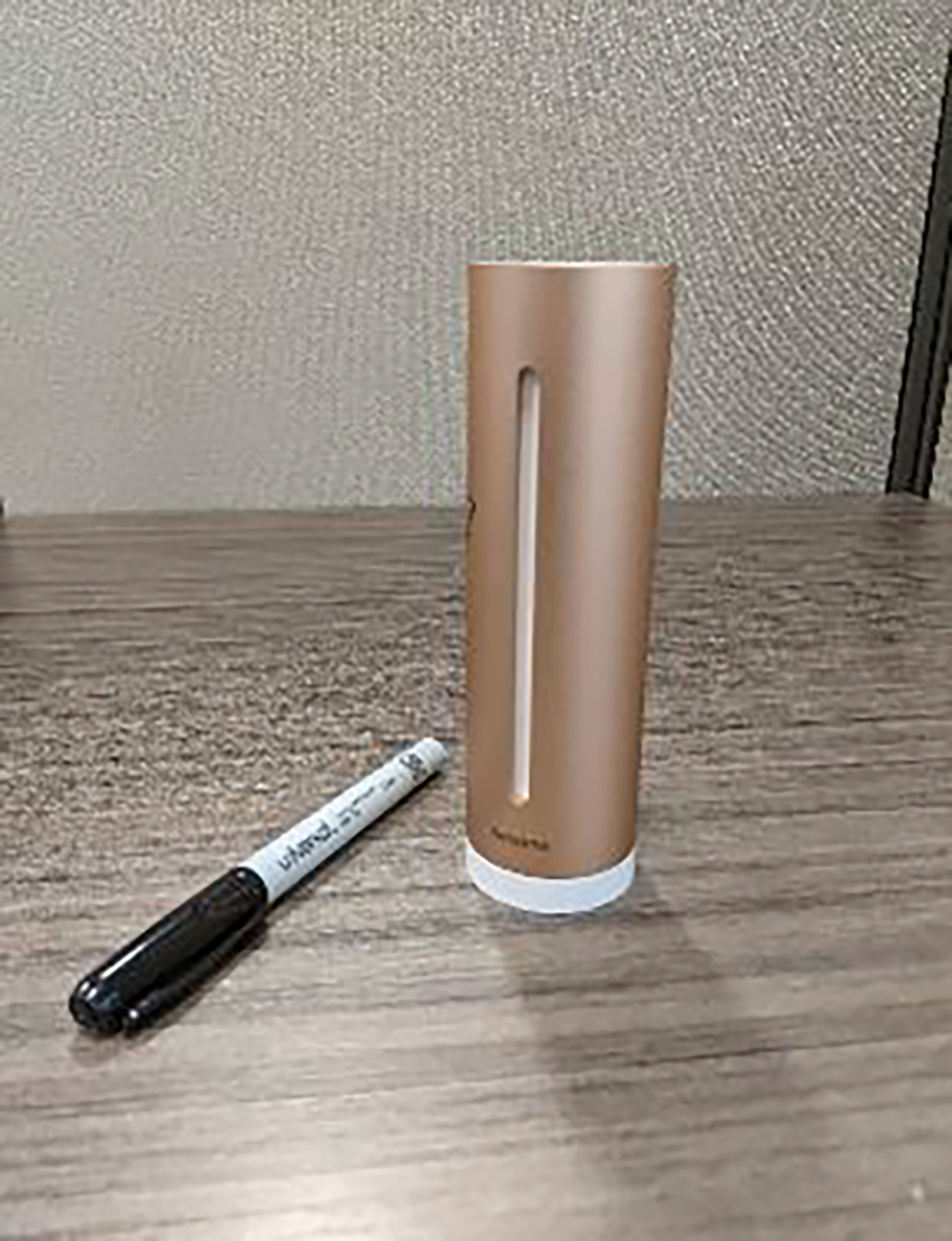
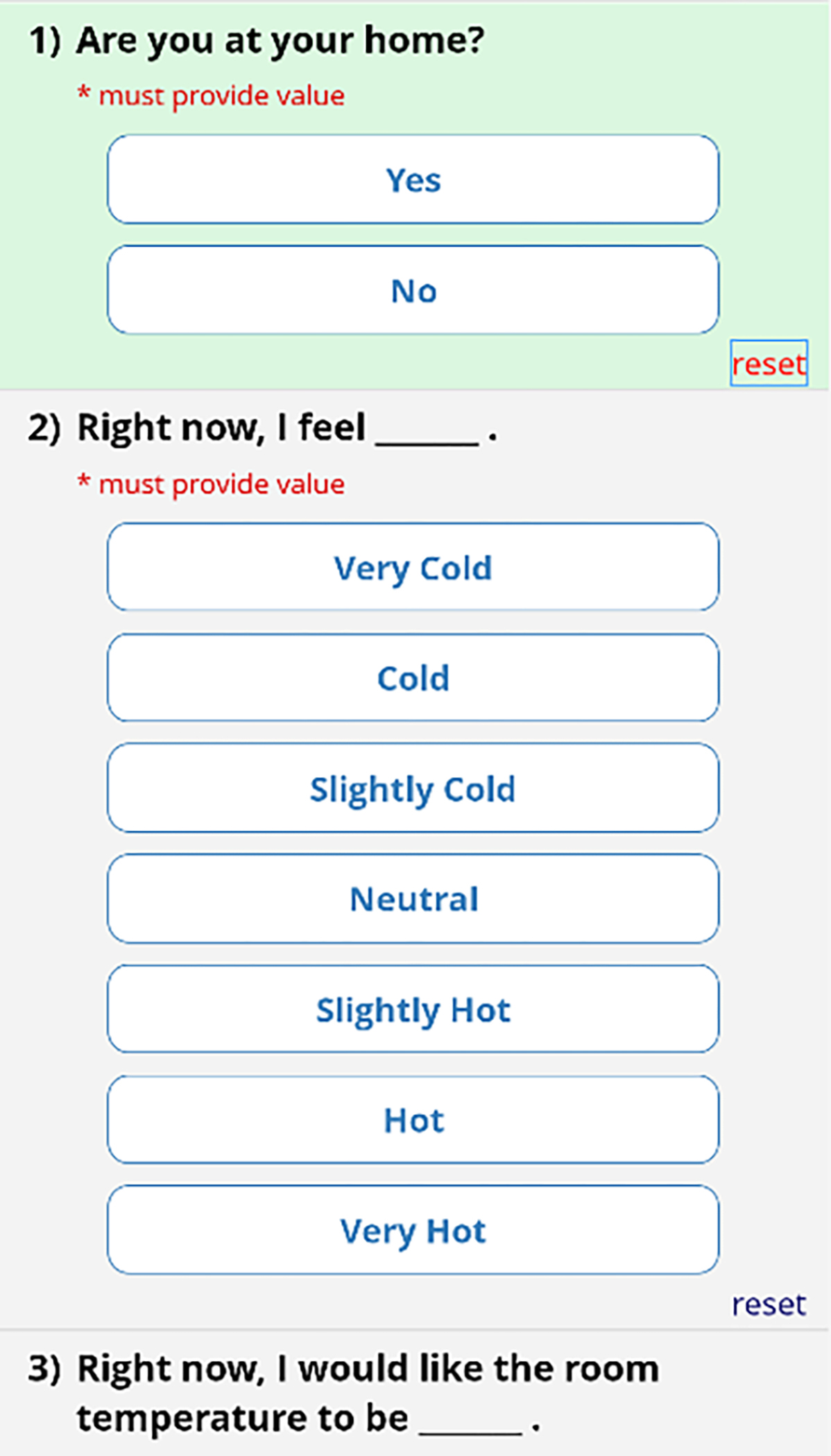
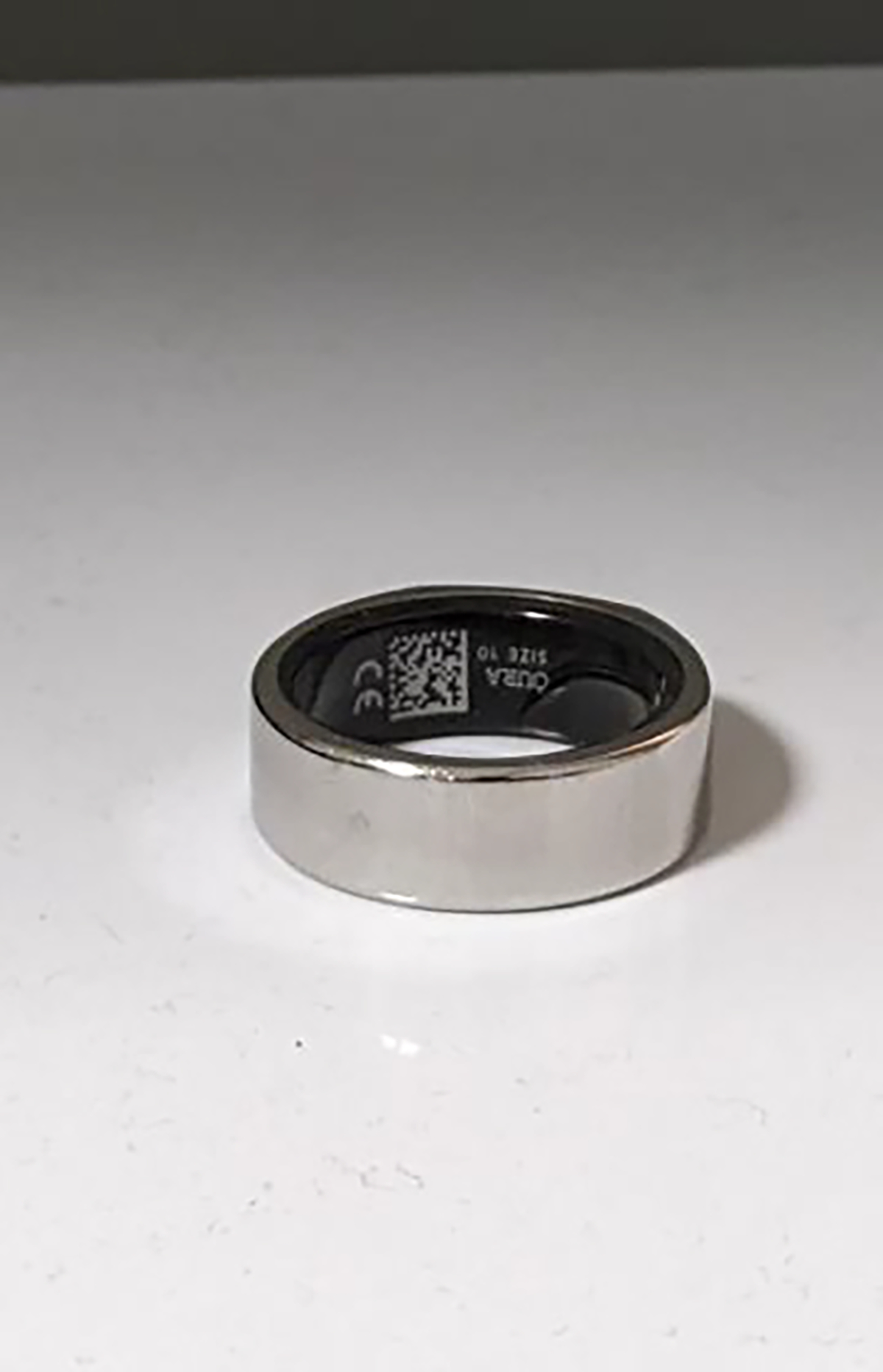
Technology provides new opportunities to understand and optimize the relationship between the home indoor environmental quality and health outcomes in older adults. We aimed to establish proof-of-concept and feasibility of remote, real-time, high-frequency, and simultaneous monitoring of select environmental variables and outcomes related to health and wellbeing in older adults. Thirty-four participants (27 were female) with an average age (SD) of 81 years (±7.1) were recruited from community and supportive housing environments. Environmental sensors were installed in each home and participants were asked to use a wearable device on their finger and answer smartphone-based questionnaires on a daily basis. Further, a subgroup of participants were asked to complete tablet-based cognitive tests on a daily basis. Average compliance with the wearable (time worn properly / total time with device) was 81%. Participants responded to 69% of daily smartphone surveys and completed 80% of the prescribed cognitive tests. These results suggest that it is feasible to study the impact of the home thermal environment and air quality on biological rhythms, cognition, and other outcomes in older adults. However, the success of non-passive data collection elements may be contingent upon baseline cognition.
技术为理解和优化老年人家庭室内环境质量与健康结果之间的关系提供了新机会。我们旨在确立对老年人与健康和幸福相关的特定环境变量及结果进行远程、实时、高频和同步监测的概念验证及可行性。从社区和支持性住房环境中招募了34名参与者(27名女性),平均年龄(标准差)为81岁(±7.1)。在每个家庭中安装了环境传感器,并要求参与者每天在手指上佩戴可穿戴设备并回答基于智能手机的问卷。此外,要求一部分参与者每天完成基于平板电脑的认知测试。可穿戴设备的平均依从性(正确佩戴时间/设备总使用时间)为81%。参与者回复了69%的每日智能手机调查,并完成了80%的规定认知测试。这些结果表明,研究家庭热环境和空气质量对老年人生物节律、认知及其他结果的影响是可行的。然而,非被动数据收集元素的成功可能取决于基线认知。