Lu Jinying, Bian Jiang, Wang Yutong, Zhao Yan, Zhao Xinmin, Wang Gao, Yang Jing
Department of Biochemistry and Molecular Biology, Basic Medical College, Jinzhou Medical University, No.40, Section 3 Songpo Road, Linghe District, Jinzhou, Liaoning, 121001, China.
Provincial Key Laboratory of Cardiovascular and Cerebrovascular Drug Basic Research, Jinzhou Medical University, No.40, Section 3 Songpo Road, Linghe District, Jinzhou, Liaoning, 121001, China.
J Orthop Surg Res. 2024 Mar 11;19(1):178. doi: 10.1186/s13018-024-04667-2.
Osteoarthritis (OA) is a common degenerative joint disease characterized by persistent articular cartilage degeneration and synovitis. Oxymatrine (OMT) is a quinzolazine alkaloid extracted from the traditional Chinese medicine, matrine, and possesses anti-inflammatory properties that may help regulate the pathogenesis of OA; however, its mechanism has not been elucidated. This study aimed to investigate the effects of OMT on interleukin-1β (IL-1β)-induced damage and the potential mechanisms of action.
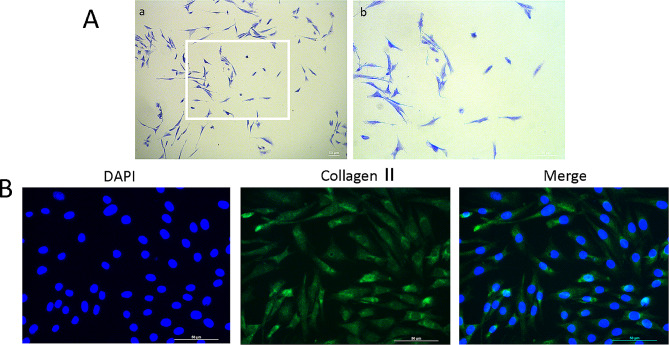
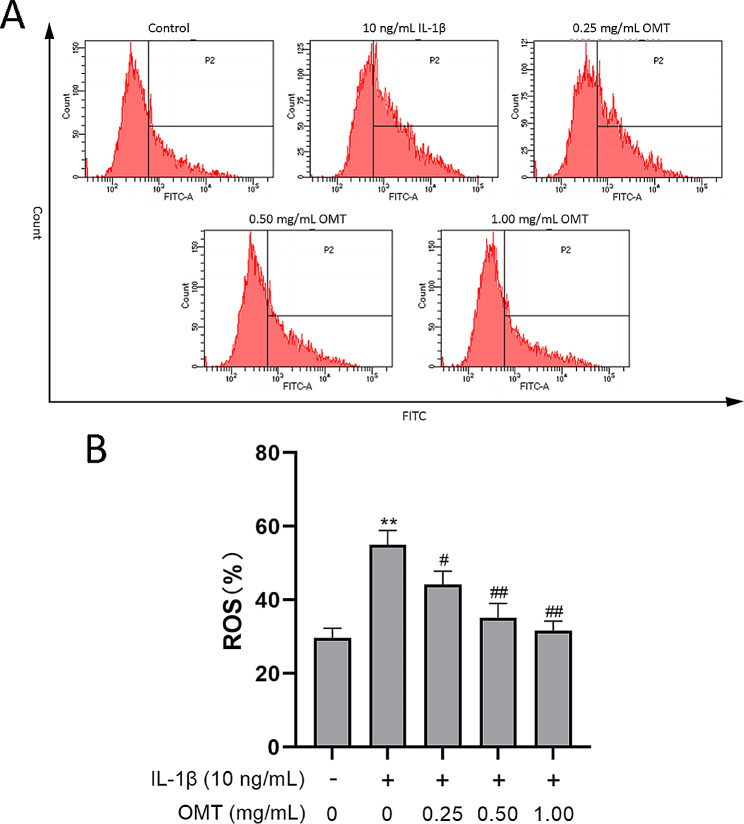
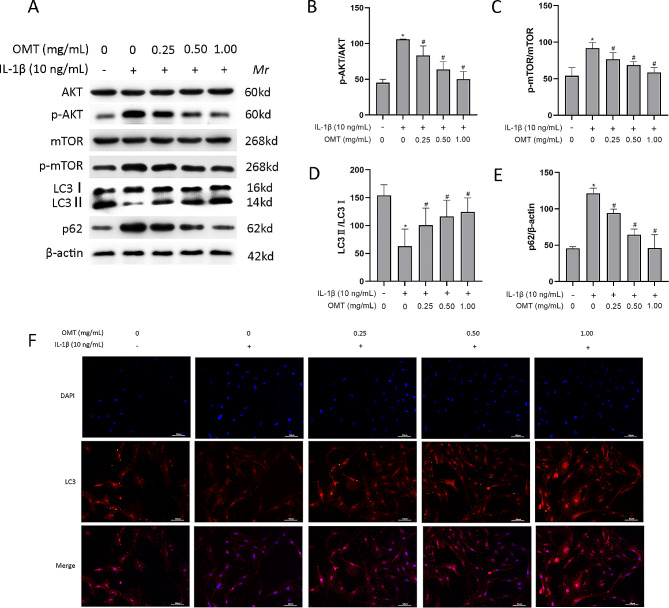
Chondrocytes were isolated from Sprague-Dawley rats. Toluidine blue and Collagen II immunofluorescence staining were used to determine the purity of the chondrocytes. Thereafter, the chondrocytes were subjected to IL-1β stimulation, both in the presence and absence of OMT, or the autophagy inhibitor 3-methyladenine (3-MA). Cell viability was assessed using the MTT assay and SYTOX Green staining. Additionally, flow cytometry was used to determine cell apoptosis rate and reactive oxygen species (ROS) levels. The protein levels of AKT, mTOR, LC3, P62, matrix metalloproteinase-13, and collagen II were quantitatively analyzed using western blotting. Immunofluorescence was used to assess LC3 expression.
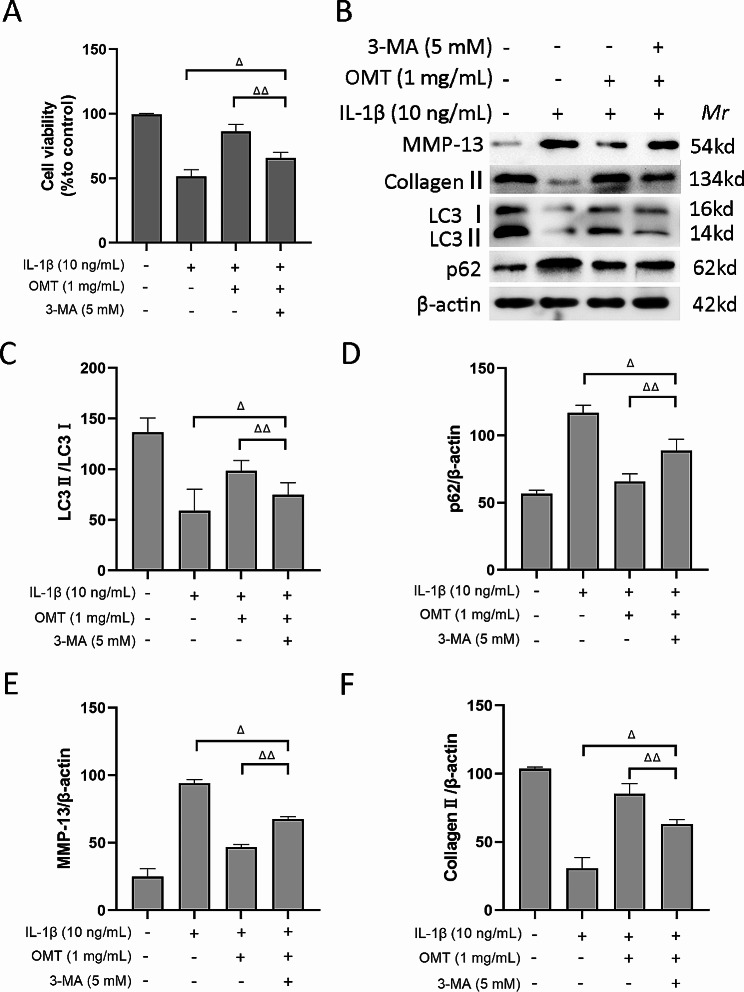
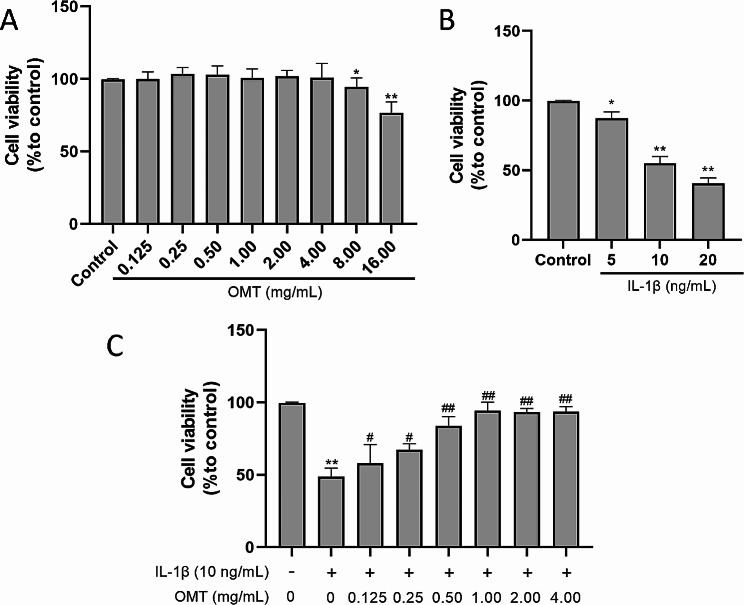
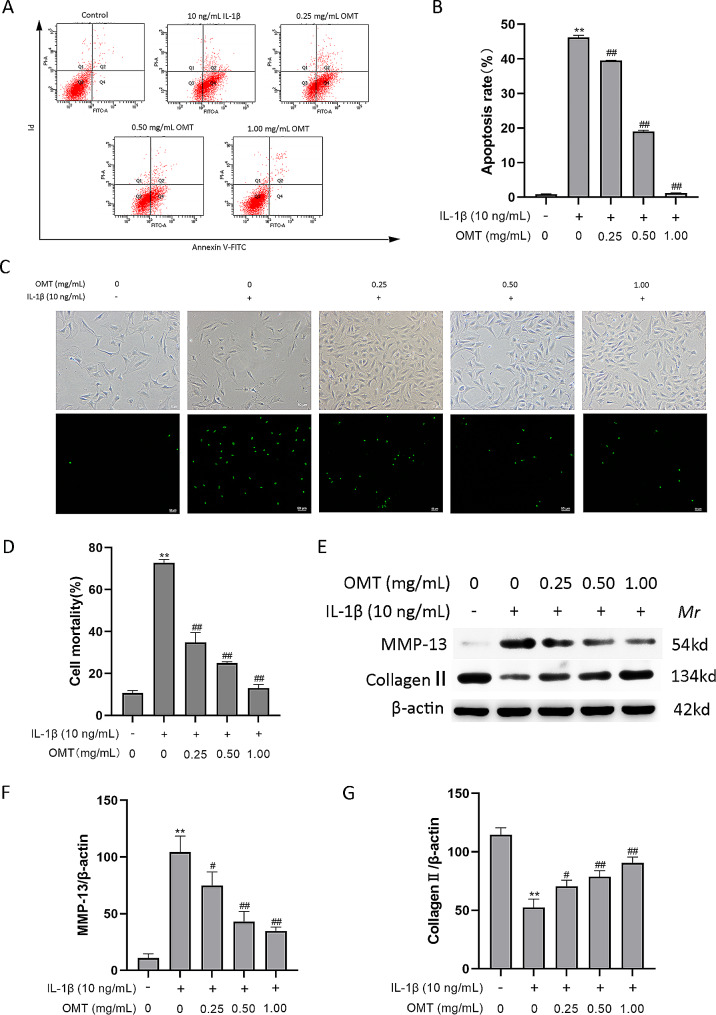
OMT alleviated IL-1β-induced damage in chondrocytes, by increasing the survival rate, reducing the apoptosis rates of chondrocytes, and preventing the degradation of the cartilage matrix. In addition, OMT decreased the ROS levels and inhibited the AKT/mTOR signaling pathway while promoting autophagy in IL-1β treated chondrocytes. However, the effectiveness of OMT in improving chondrocyte viability under IL-1β treatment was limited when autophagy was inhibited by 3-MA.
OMT decreases oxidative stress and inhibits the AKT/mTOR signaling pathway to enhance autophagy, thus inhibiting IL-1β-induced damage. Therefore, OMT may be a novel and effective therapeutic agent for the clinical treatment of OA.
骨关节炎(OA)是一种常见的退行性关节疾病,其特征为持续性关节软骨退变和滑膜炎。氧化苦参碱(OMT)是从传统中药苦参中提取的喹唑啉生物碱,具有抗炎特性,可能有助于调节OA的发病机制;然而,其作用机制尚未阐明。本研究旨在探讨OMT对白细胞介素-1β(IL-1β)诱导的损伤的影响及其潜在作用机制。
从Sprague-Dawley大鼠分离软骨细胞。采用甲苯胺蓝和Ⅱ型胶原免疫荧光染色法测定软骨细胞的纯度。此后,在有或无OMT或自噬抑制剂3-甲基腺嘌呤(3-MA)的情况下,对软骨细胞进行IL-1β刺激。使用MTT法和SYTOX Green染色评估细胞活力。此外,采用流式细胞术测定细胞凋亡率和活性氧(ROS)水平。使用蛋白质印迹法定量分析AKT、mTOR、LC3、P62、基质金属蛋白酶-13和Ⅱ型胶原的蛋白水平。采用免疫荧光法评估LC3表达。
OMT通过提高存活率、降低软骨细胞凋亡率和防止软骨基质降解,减轻IL-1β诱导的软骨细胞损伤。此外,OMT降低了ROS水平,抑制了IL-1β处理的软骨细胞中的AKT/mTOR信号通路,同时促进自噬。然而,当自噬被3-MA抑制时,OMT在改善IL-1β处理下软骨细胞活力方面的有效性受到限制。
OMT降低氧化应激并抑制AKT/mTOR信号通路以增强自噬,从而抑制IL-1β诱导的损伤。因此,OMT可能是一种用于OA临床治疗的新型有效治疗药物。