Sakkal Molham, Arafat Mosab, Yuvaraju Priya, Beiram Rami, AbuRuz Salahdein
College of Pharmacy, Al Ain University, Al Ain P.O. Box 64141, United Arab Emirates.
Department of Pharmacology and Therapeutics, College of Medicine and Health Sciences, United Arab Emirates University, Al Ain P.O. Box 17666, United Arab Emirates.
Polymers (Basel). 2024 Feb 27;16(5):643. doi: 10.3390/polym16050643.
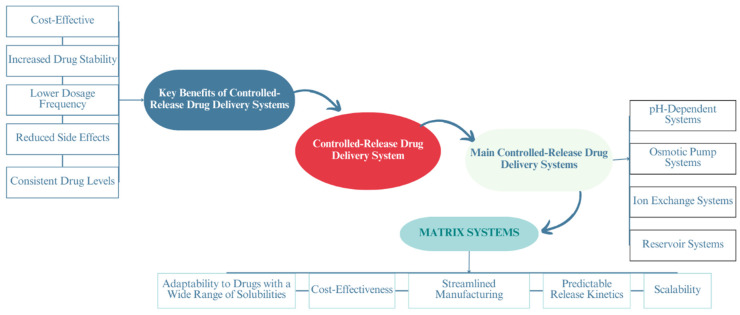
Theophylline (THN), a bronchodilator with potential applications in emerging conditions like COVID-19, requires a controlled-release delivery system due to its narrow therapeutic range and short half-life. This need is particularly crucial as some existing formulations demonstrate impaired functionality. This study aims to develop a new 12-h controlled-release matrix system (CRMS) in the form of a capsule to optimize dosing intervals.
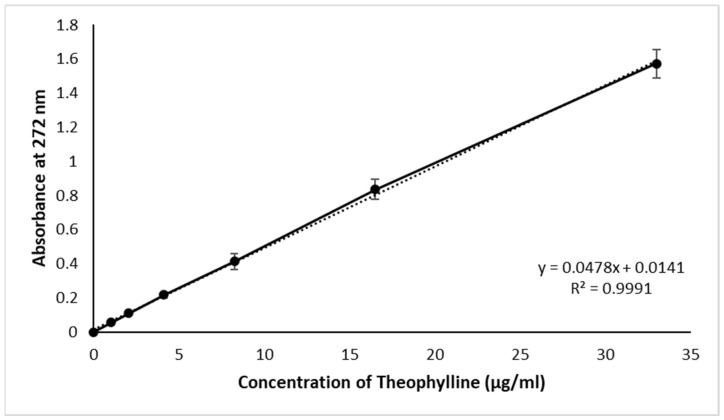
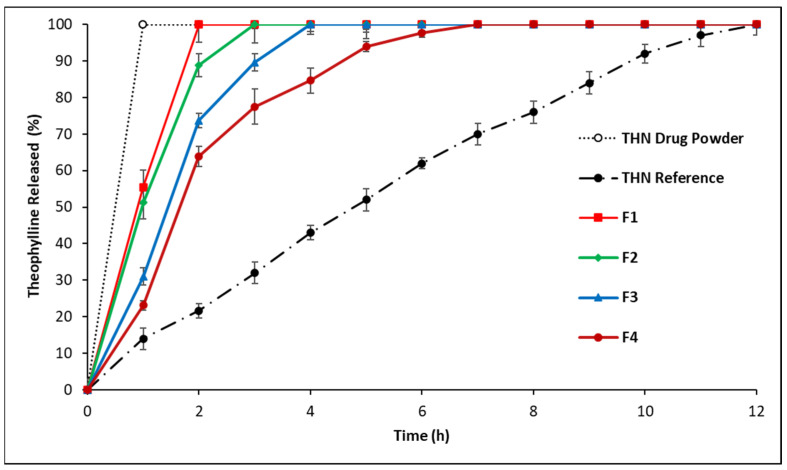
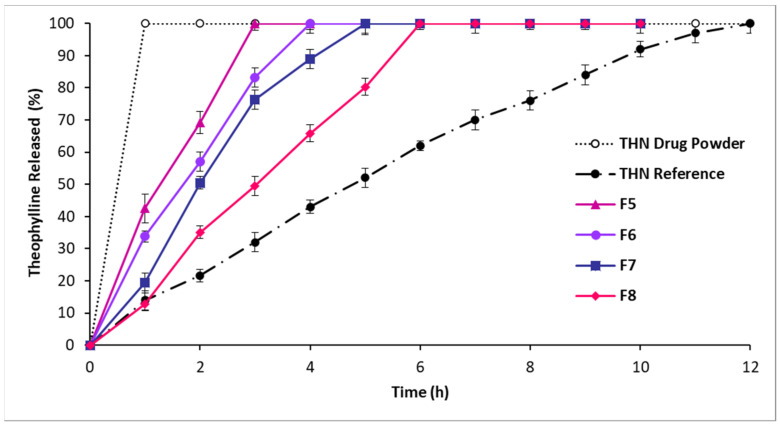
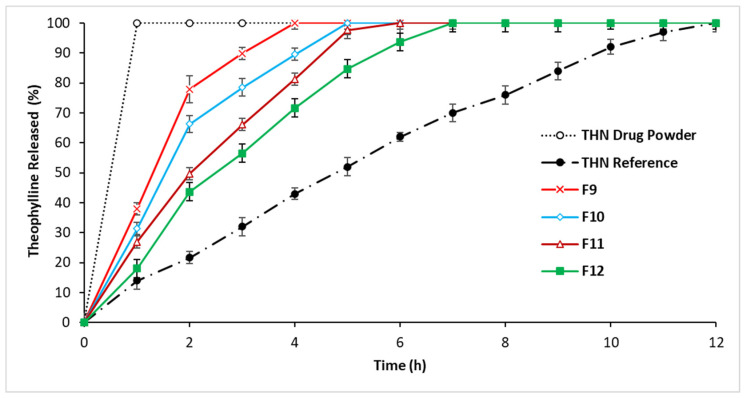
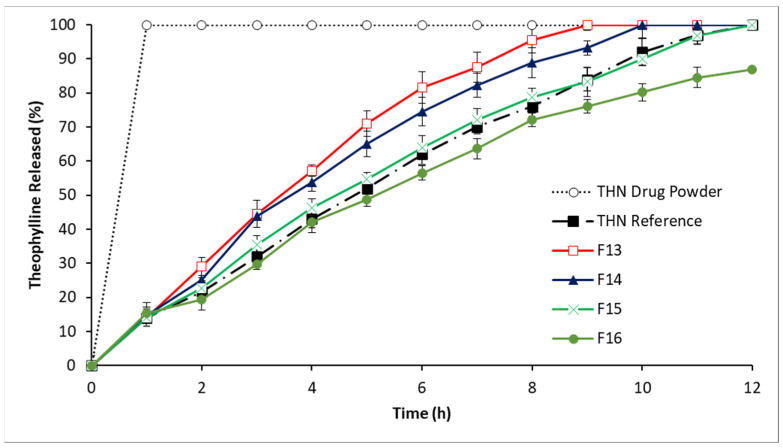
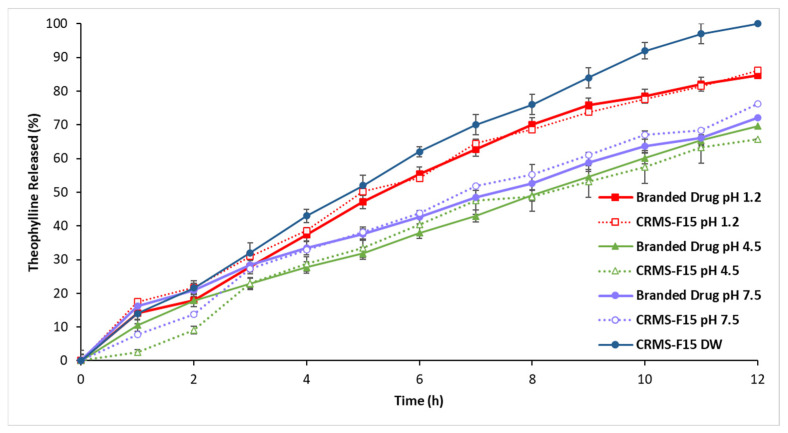
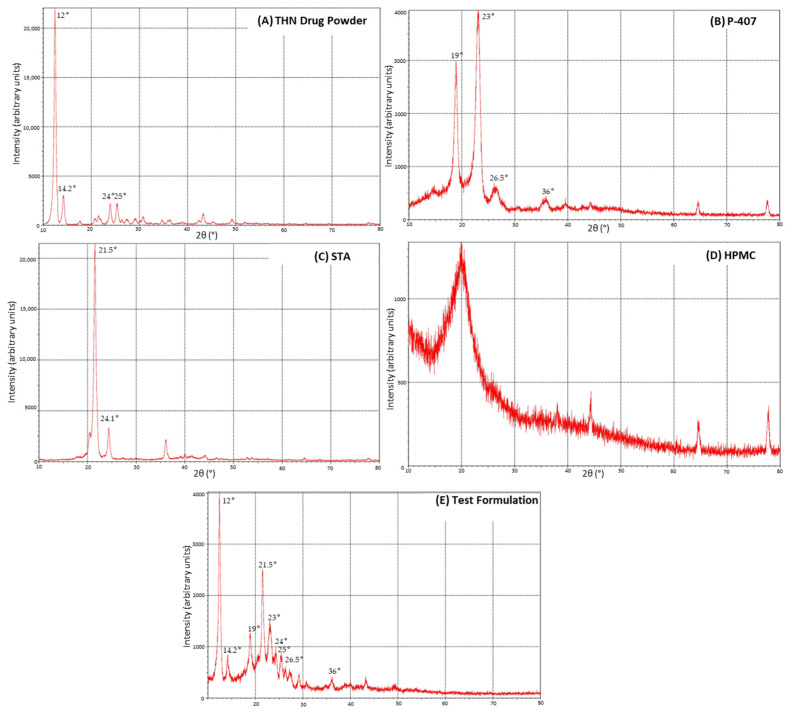
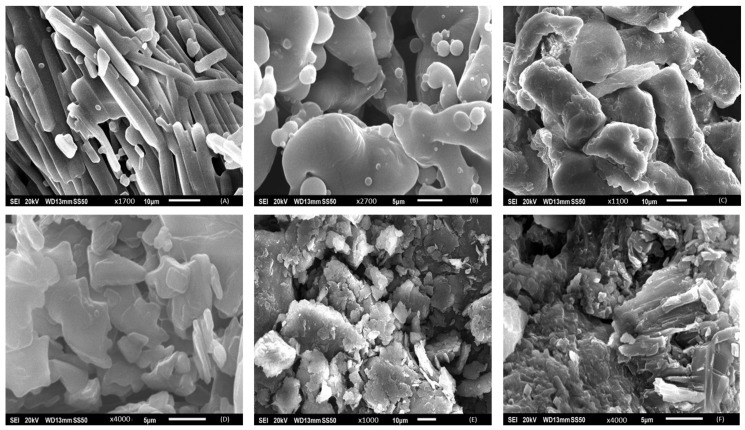
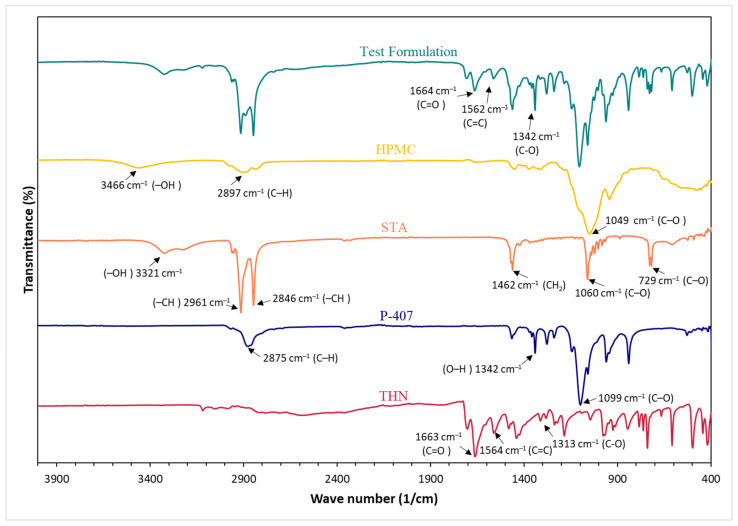
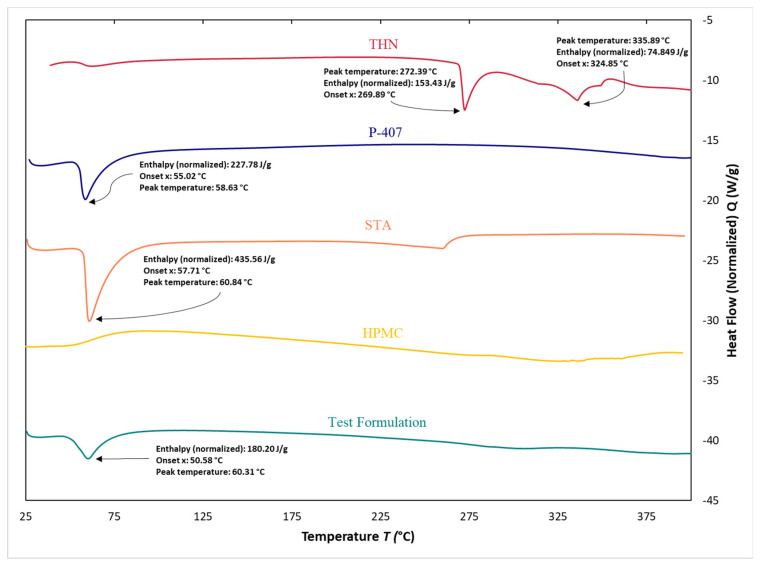
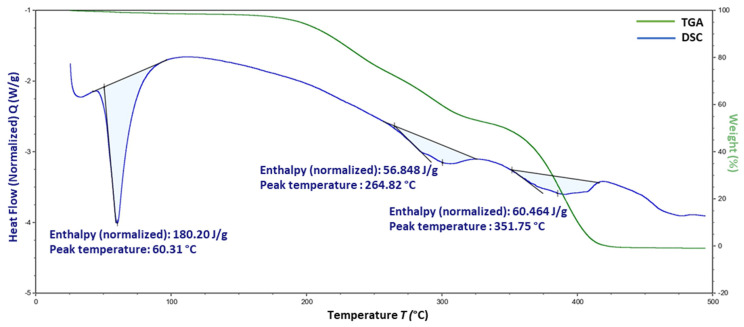
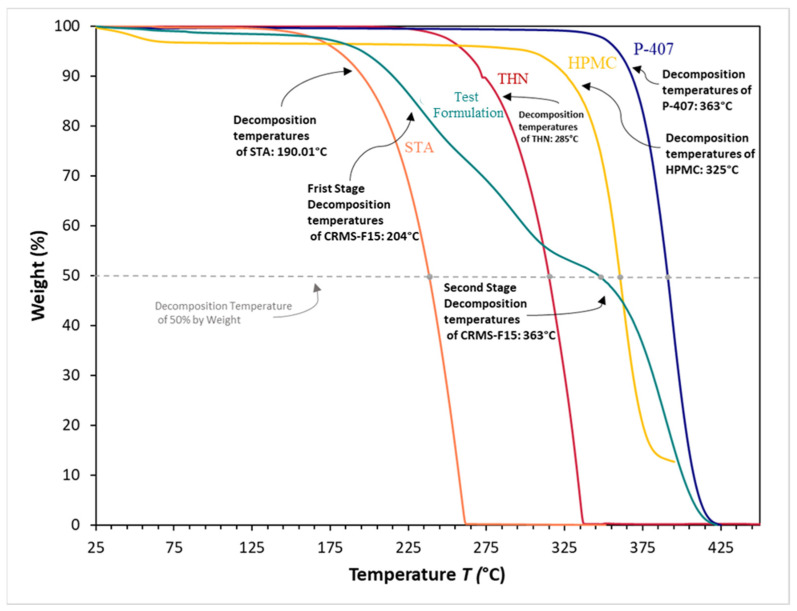
CRMSs were developed using varying proportions of poloxamer 407 (P-407), stearyl alcohol (STA), and hydroxypropyl methylcellulose (HPMC) through the fusion technique. Their in vitro dissolution profiles were then compared with an FDA-approved THN drug across different pH media. The candidate formulation underwent characterization using X-ray diffraction, scanning electron microscopy, Fourier transform infrared spectroscopy, differential scanning calorimetry, and thermogravimetric analysis. Additionally, a comprehensive stability study was conducted.
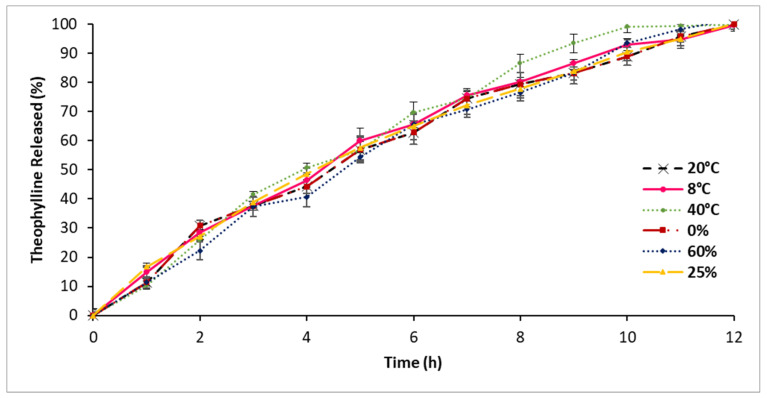
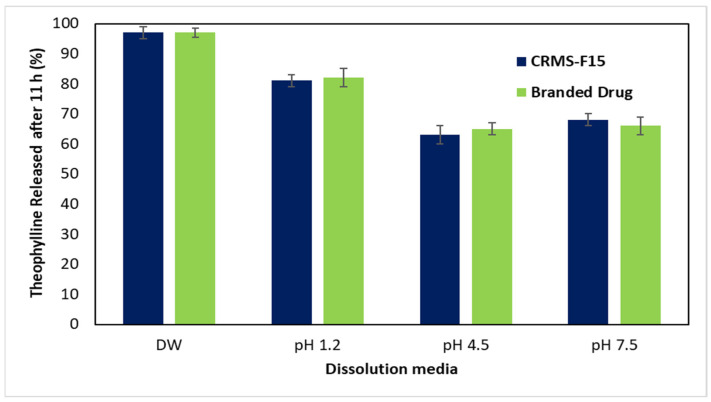
In vitro studies showed that adjusting the concentrations of excipients effectively controlled drug release. Notably, the CRMS formulation 15 (CRMS-F15), which was composed of 30% P-407, 30% STA, and 10% HPMC, closely matched the 12 h controlled-release profile of an FDA-approved drug across various pH media. Characterization techniques verified the successful dispersion of the drug within the matrix. Furthermore, CRMS-F15 maintained a consistent controlled drug release and demonstrated stability under a range of storage conditions.
The newly developed CRMS-F15 achieved a 12 h controlled release, comparable to its FDA-approved counterpart.
茶碱(THN)是一种支气管扩张剂,在新冠疫情等新出现的病症中具有潜在应用价值,但因其治疗窗窄且半衰期短,需要一种控释给药系统。鉴于一些现有制剂的功能受损,这种需求尤为关键。本研究旨在开发一种胶囊形式的新型12小时控释基质系统(CRMS),以优化给药间隔。
通过融合技术,使用不同比例的泊洛沙姆407(P - 407)、硬脂醇(STA)和羟丙基甲基纤维素(HPMC)开发CRMS。然后将其体外溶出曲线与一种经美国食品药品监督管理局(FDA)批准的THN药物在不同pH介质中的溶出曲线进行比较。使用X射线衍射、扫描电子显微镜、傅里叶变换红外光谱、差示扫描量热法和热重分析对候选制剂进行表征。此外,还进行了全面的稳定性研究。
体外研究表明,调整辅料浓度可有效控制药物释放。值得注意的是,由30% P - 407、30% STA和10% HPMC组成的CRMS制剂15(CRMS - F15)在各种pH介质中与经FDA批准的药物的12小时控释曲线密切匹配。表征技术证实药物成功分散在基质中。此外,CRMS - F15保持了一致的控释效果,并在一系列储存条件下表现出稳定性。
新开发的CRMS - F15实现了12小时控释,与经FDA批准的同类产品相当。