Pop Mihai Alin, Croitoru Cătălin, Matei Simona, Zaharia Sebastian-Marian, Coșniță Mihaela, Spîrchez Cosmin
Department of Materials Science, Transilvania University of Brasov, 500036 Brasov, Romania.
Materials Engineering and Welding Department, Transilvania University of Brasov, 500036 Brasov, Romania.
Polymers (Basel). 2024 Mar 1;16(5):672. doi: 10.3390/polym16050672.
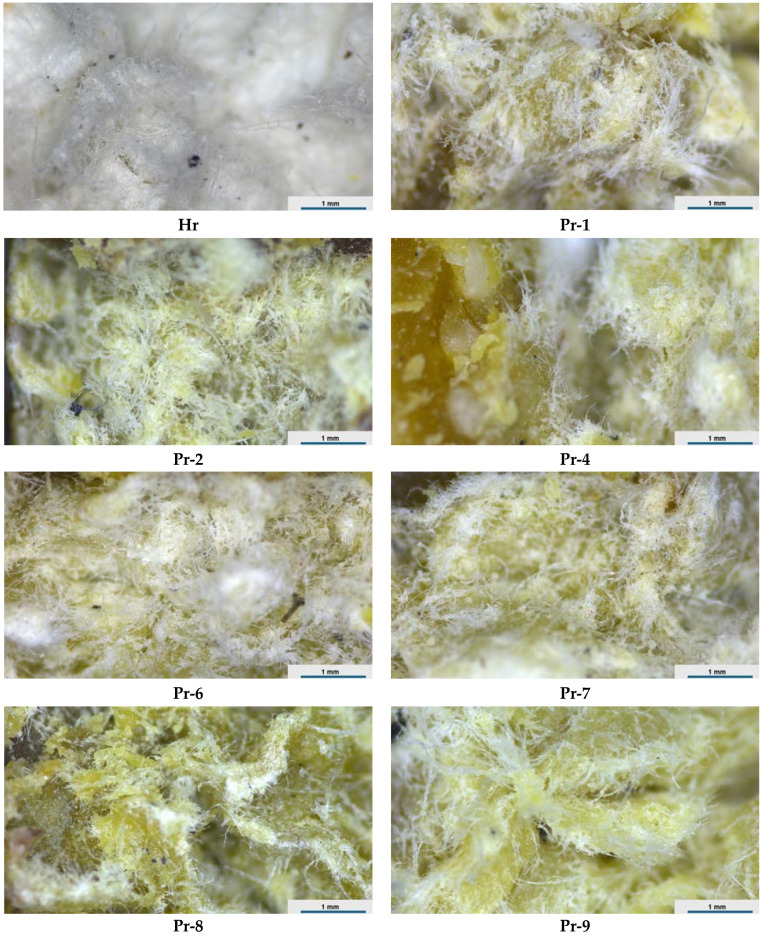
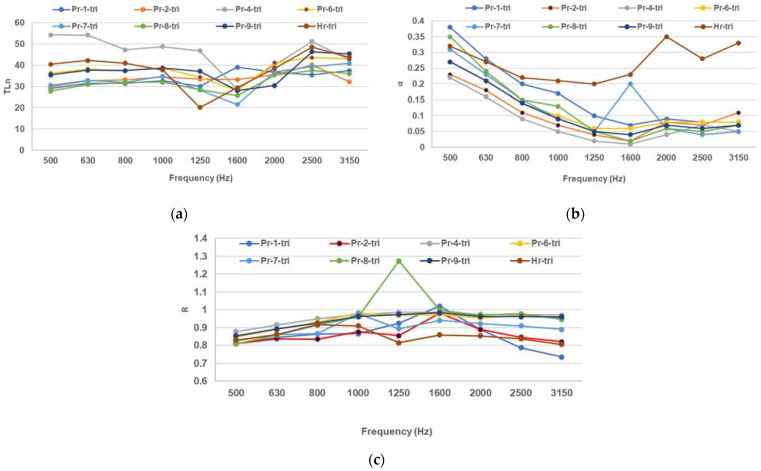
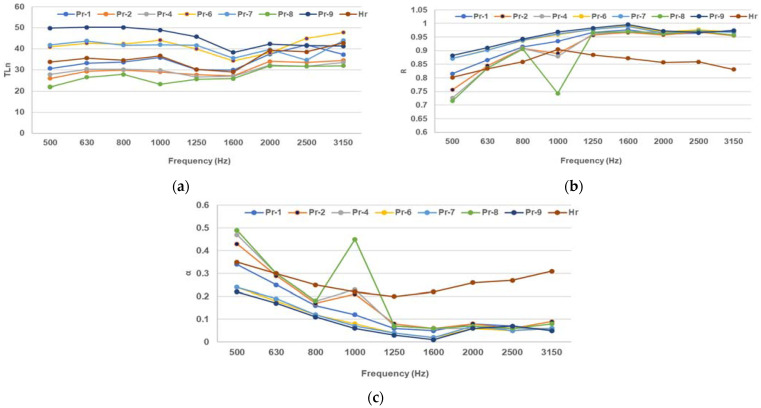
Sustainable building materials with excellent thermal stability and sound insulation are crucial for eco-friendly construction. This study investigates biocomposites made from cellulose pulp reinforced with beeswax, fir resin, and natural fillers like horsetail, rice flour, and fir needles. Eight formulations were obtained, and their thermal resistance, oxidation temperature, and acoustic properties were evaluated. Biocomposites exhibited significant improvements compared to conventional materials. Oxidation temperature onset increased by 60-70 °C compared to polyurethane foam or recycled textiles, reaching 280-290 °C. Sound absorption coefficients ranged from 0.15 to 0.78, with some formulations exceeding 0.5 across mid-frequencies, indicating good sound-dampening potential. These findings demonstrate the promise of these biocomposites for sustainable construction, offering a balance of thermal and acoustic performance alongside environmental and health benefits.
具有出色热稳定性和隔音性能的可持续建筑材料对于环保建筑至关重要。本研究调查了由蜂蜡、枞树脂以及马尾草、米粉和枞针等天然填料增强的纤维素纸浆制成的生物复合材料。获得了八种配方,并对其热阻、氧化温度和声性能进行了评估。与传统材料相比,生物复合材料表现出显著的改进。与聚氨酯泡沫或回收纺织品相比,氧化温度起始点提高了60 - 70°C,达到280 - 290°C。吸声系数在0.15至0.78之间,一些配方在中频范围内超过0.5,表明具有良好的隔音潜力。这些发现证明了这些生物复合材料在可持续建筑方面的前景,在提供热性能和声学性能平衡的同时,还具有环境和健康益处。