Isaiah Simon, Loots Du Toit, van Furth A Marceline Tutu, Davoren Elmarie, van Elsland Sabine, Solomons Regan, van der Kuip Martijn, Mason Shayne
Human Metabolomics, Faculty of Natural and Agricultural Sciences, North-West University, Potchefstroom, South Africa.
Vrije Universiteit, Pediatric Infectious Diseases and Immunology, Amsterdam University Medical Centers, Emma Children's Hospital, De Boelelaan 1117, Amsterdam, The Netherlands.
Gut Pathog. 2024 Mar 12;16(1):14. doi: 10.1186/s13099-024-00609-9.
The pathogenesis of tuberculous meningitis (TBM) involves infection by Mycobacterium tuberculosis in the meninges and brain. However, recent studies have shown that the immune response and inflammatory processes triggered by TBM can have significant effects on gut microbiota. Disruptions in the gut microbiome have been linked to various systemic consequences, including altered immunity and metabolic dysregulation. Inflammation caused by TBM, antibiotic treatment, and changes in host immunity can all influence the composition of gut microbes. This complex relationship between TBM and the gut microbiome is of great importance in clinical settings. To gain a deeper understanding of the intricate interactions between TBM and the gut microbiome, we report innovative insights into the development of the disease in response to treatment. Ultimately, this could lead to improved outcomes, management strategies and quality of life for individuals affected by TBM.
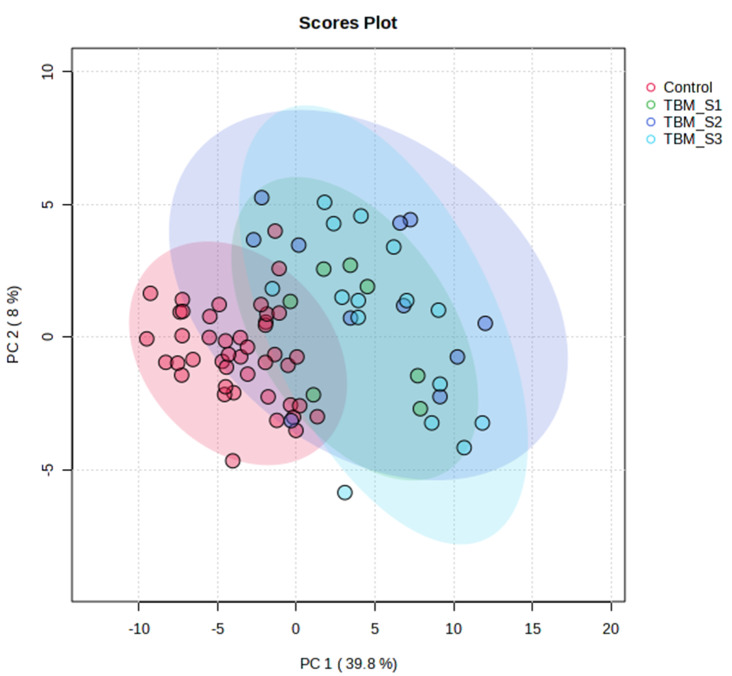
We used a targeted liquid chromatography-tandem mass spectrometry (LC-MS/MS) approach to investigate metabolites associated with gut metabolism in paediatric participants by analysing the urine samples collected from a control group (n = 40), and an experimental group (n = 35) with confirmed TBM, which were subdivided into TBM stage 1 (n = 8), stage 2 (n = 11) and stage 3 (n = 16).
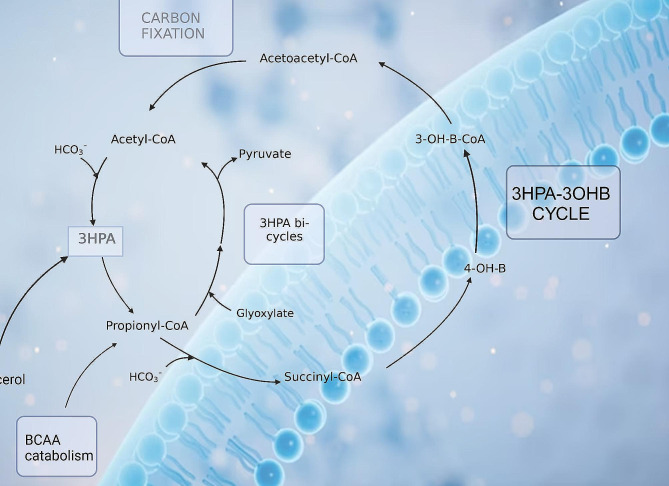
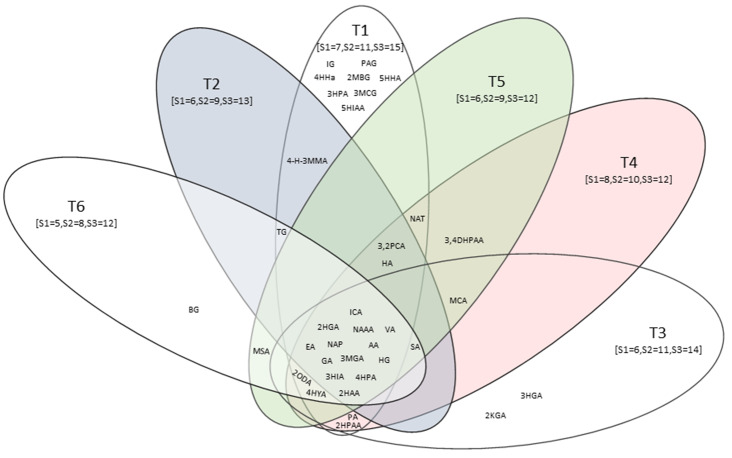
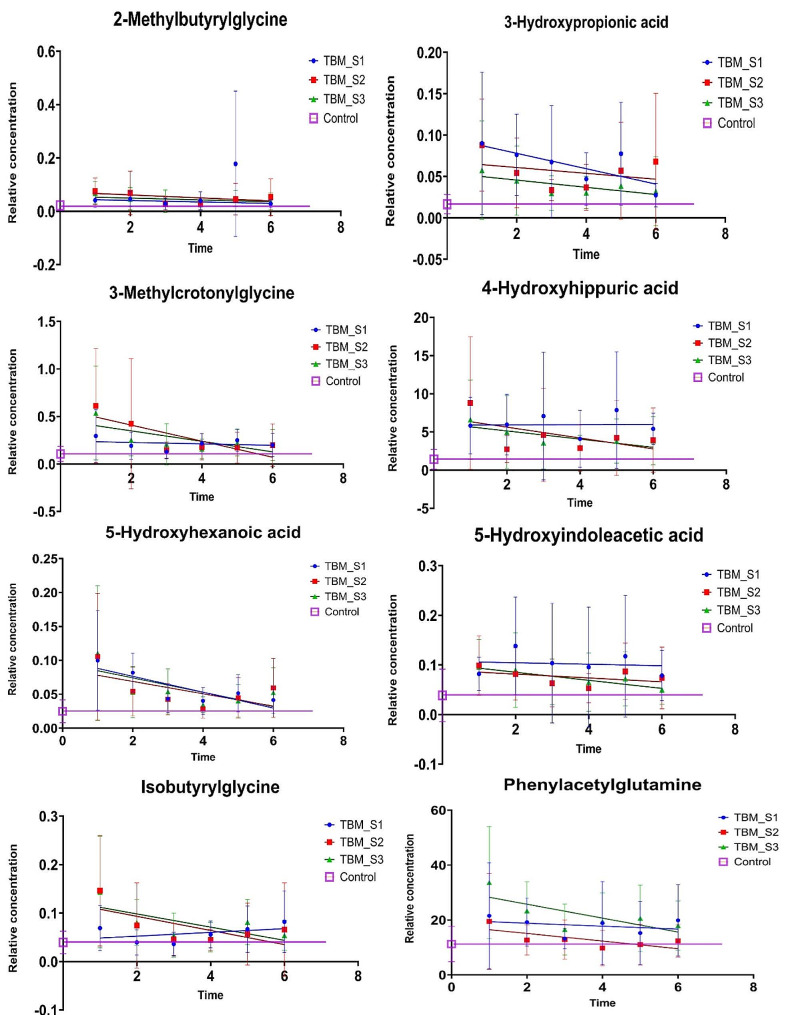
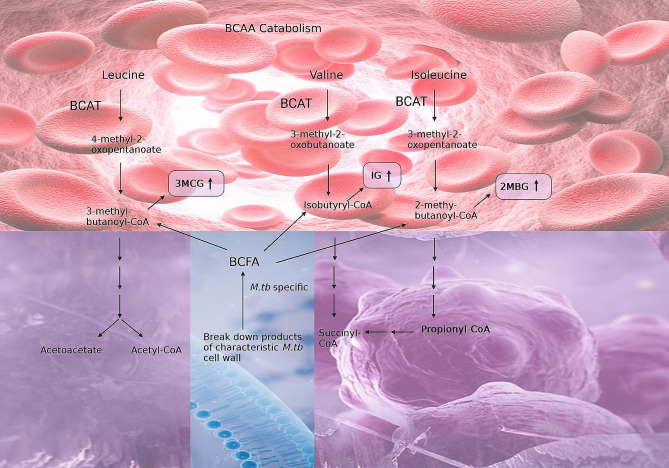
Our metabolomics investigation showed that, of the 78 initially selected compounds of microbiome origin, eight unique urinary metabolites were identified: 2-methylbutyrlglycine, 3-hydroxypropionic acid, 3-methylcrotonylglycine, 4-hydroxyhippuric acid, 5-hydroxyindoleacetic acid, 5-hydroxyhexanoic acid, isobutyrylglycine, and phenylacetylglutamine as urinary markers of dysbiosis in TBM.
These results - which are supported by previous urinary studies of tuberculosis - highlight the importance of gut metabolism and of identifying corresponding microbial metabolites as novel points for the foundation of improved management of TBM patients.
结核性脑膜炎(TBM)的发病机制涉及结核分枝杆菌在脑膜和脑内的感染。然而,最近的研究表明,TBM引发的免疫反应和炎症过程可对肠道微生物群产生重大影响。肠道微生物组的破坏与各种全身后果有关,包括免疫改变和代谢失调。TBM引起的炎症、抗生素治疗以及宿主免疫变化均可影响肠道微生物的组成。TBM与肠道微生物组之间的这种复杂关系在临床环境中非常重要。为了更深入地了解TBM与肠道微生物组之间的复杂相互作用,我们报告了对疾病治疗反应发展的创新性见解。最终,这可能会改善TBM患者的治疗效果、管理策略和生活质量。
我们采用靶向液相色谱-串联质谱(LC-MS/MS)方法,通过分析从对照组(n = 40)和确诊为TBM的实验组(n = 35)收集的尿液样本,研究儿科参与者中与肠道代谢相关的代谢物,实验组又细分为TBM 1期(n = 8)、2期(n = 11)和3期(n = 16)。
我们的代谢组学研究表明,在最初选择的78种微生物来源的化合物中,鉴定出8种独特的尿液代谢物:2-甲基丁酰甘氨酸、3-羟基丙酸、3-甲基巴豆酰甘氨酸、4-羟基马尿酸、5-羟基吲哚乙酸、5-羟基己酸、异丁酰甘氨酸和苯乙酰谷氨酰胺,作为TBM中生态失调的尿液标志物。
这些结果——得到先前结核病尿液研究的支持——突出了肠道代谢以及识别相应微生物代谢物作为改善TBM患者管理基础的新要点的重要性。