Sun Zhongxin, Fukui Michika, Taketani Shigeru, Kako Ayako, Kunieda Sakurako, Kakudo Natsuko
Department of Plastic and Reconstructive Surgery, Kansai Medical University, Hirakata, Osaka 573-1010, Japan.
Exp Ther Med. 2024 Feb 21;27(4):156. doi: 10.3892/etm.2024.12444. eCollection 2024 Apr.
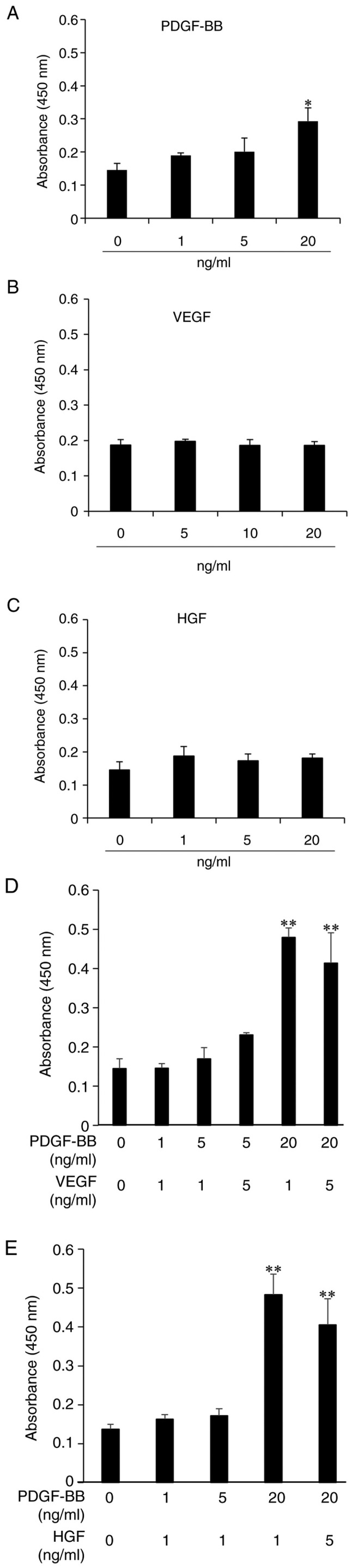
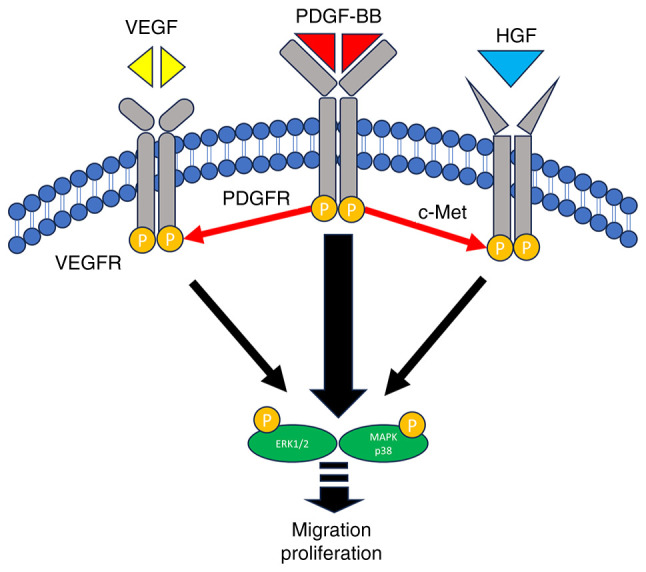
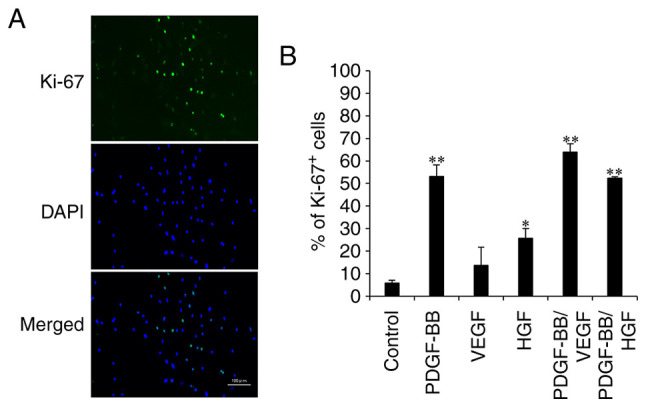
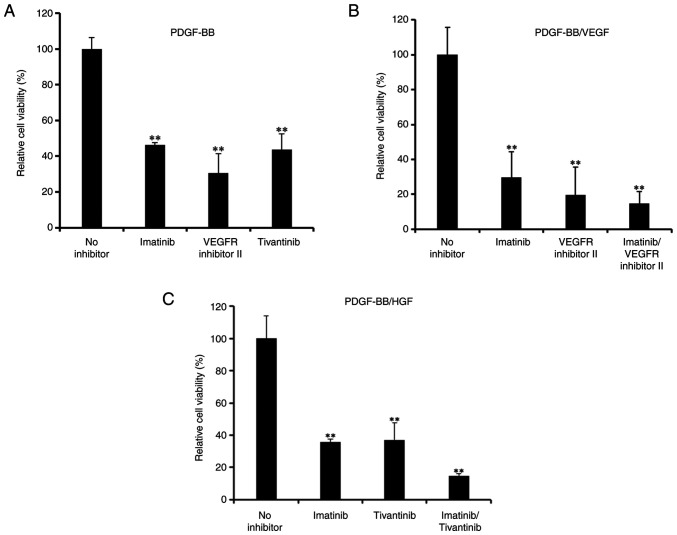
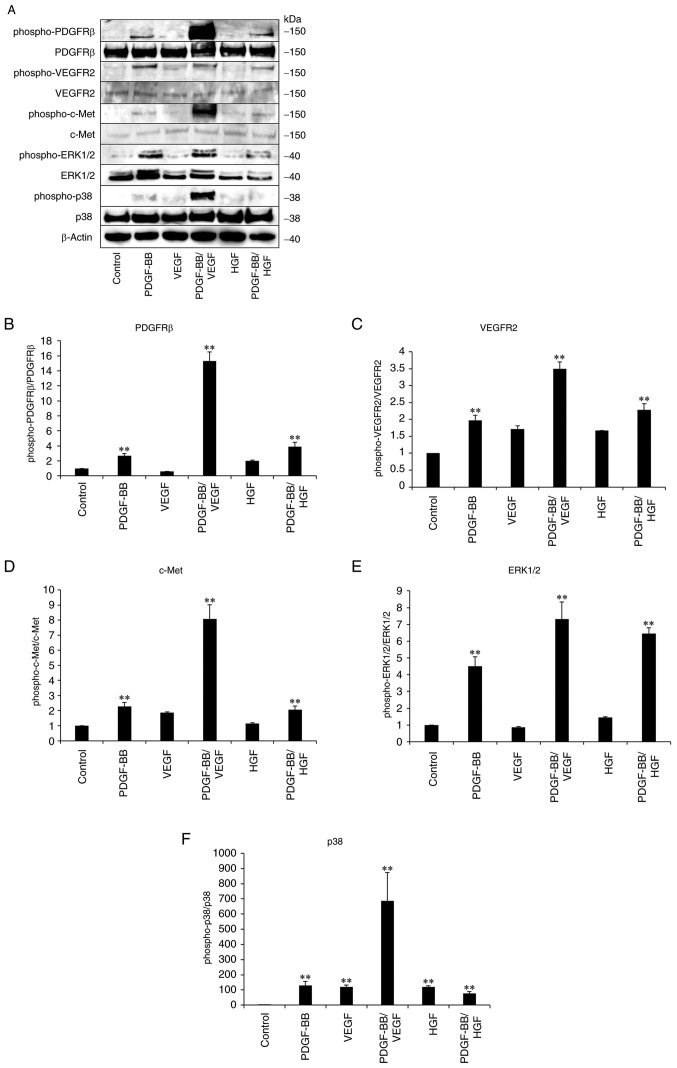
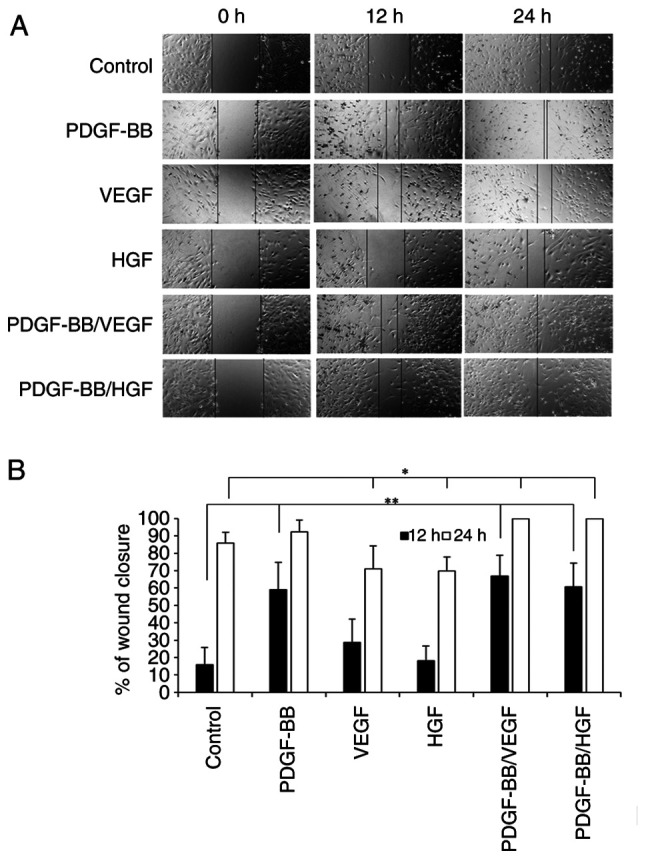
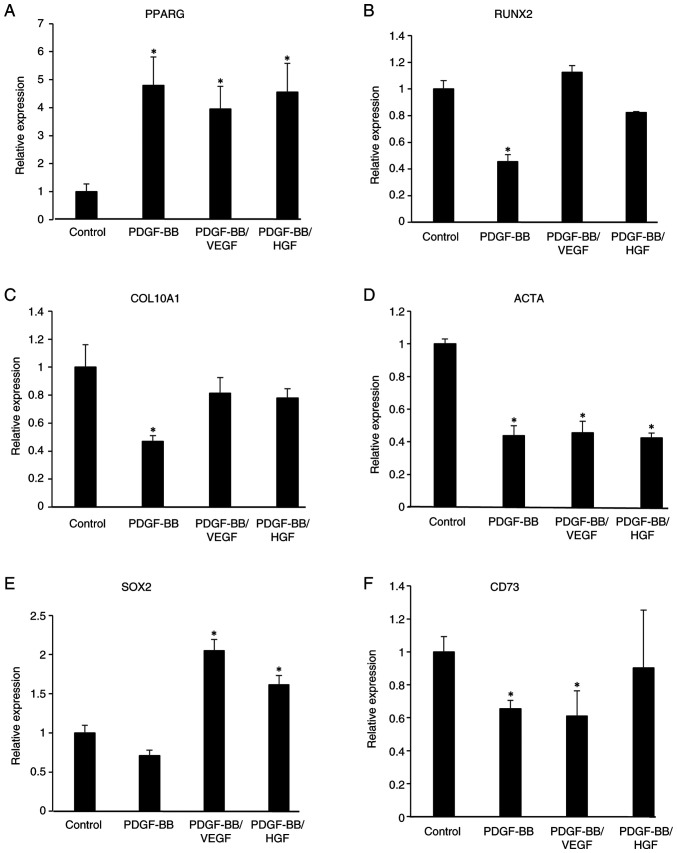
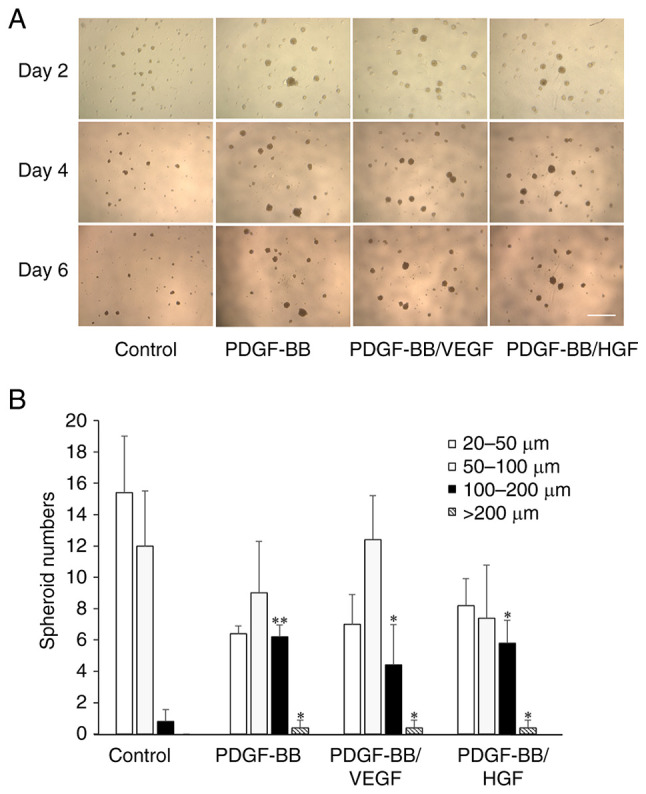
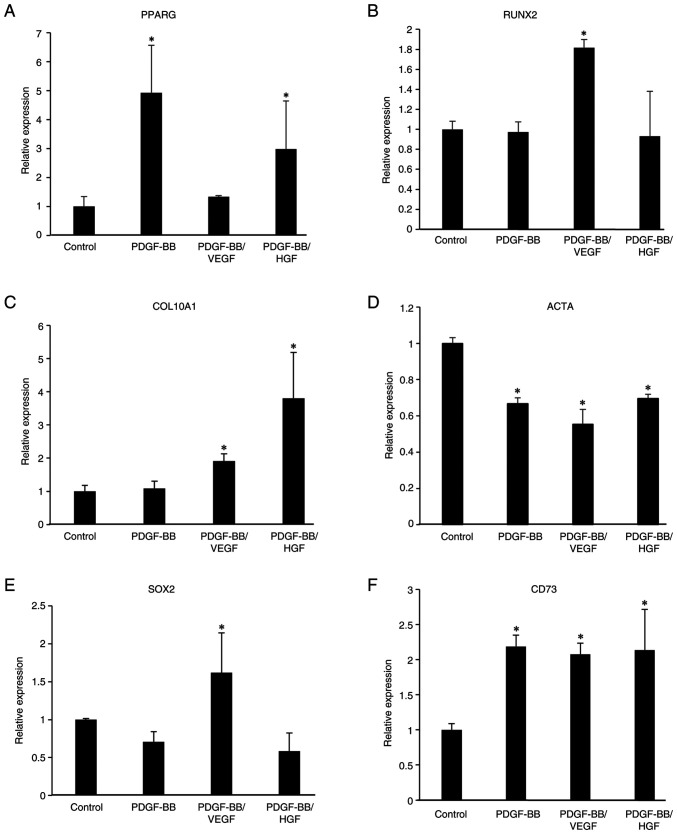
Human adipose-derived stem cells (hASCs) play important roles in regenerative medicine and tissue engineering. However, their clinical applications are limited because of their instability during cell culture. Platelet lysates (PLTs) contain large amounts of growth factors that are useful for manufacturing cellular products. Platelet-derived growth factor (PDGF) is a major growth factor in PLTs and a potent mitogen in hASCs. To optimize growth conditions, the effects of a combination of growth factors on the promotion of hASC proliferation were investigated. Moreover, PDGF-BB combined with vascular endothelial growth factor (VEGF) and hepatocyte growth factor (HGF) markedly enhanced the viability of hASCs compared with the effects of PDGF-BB alone. Neither VEGF nor HGF had any effect alone. All growth factor receptor inhibitors inhibited cell proliferation. Wound healing assays revealed that VEGF and HGF stimulated PDGF-dependent cell migration. The effects of these growth factors on the activation of their cognate receptors and signaling enzymes were assessed using immunoblotting. Phosphorylation of PDGF receptor (PDGFR)β, VEGF receptor (VEGFR)2 and MET proto-oncogene and receptor tyrosine kinase was induced by PDGF-BB treatment, and was further increased by treatment with PDGF-BB/VEGF and PDGF-BB/HGF. The levels of phospho-ERK1/2 and phospho-p38MAPK were increased by these treatments in parallel. Furthermore, the expression levels of SRY-box transcription factor 2 and peroxisome proliferator-activated receptor g were increased in PDGF-BB-treated cells, and PDGF-BB played a dominant role in spheroid formation. The findings of the present study highlighted that PDGF/PDGFR signaling played a predominant role in the proliferation and migration of hASCs, and suggested that PDGF was responsible for the efficacy of other growth factors when hASCs were cultured with PLTs.
人脂肪来源干细胞(hASCs)在再生医学和组织工程中发挥着重要作用。然而,由于其在细胞培养过程中的不稳定性,它们的临床应用受到限制。血小板裂解物(PLTs)含有大量对制造细胞产品有用的生长因子。血小板衍生生长因子(PDGF)是PLTs中的主要生长因子,也是hASCs中的一种强效促有丝分裂原。为了优化生长条件,研究了生长因子组合对促进hASC增殖的影响。此外,与单独使用PDGF-BB相比,PDGF-BB与血管内皮生长因子(VEGF)和肝细胞生长因子(HGF)联合使用可显著提高hASCs的活力。单独使用VEGF或HGF均无任何作用。所有生长因子受体抑制剂均抑制细胞增殖。伤口愈合试验表明,VEGF和HGF刺激PDGF依赖性细胞迁移。使用免疫印迹法评估了这些生长因子对其同源受体和信号酶激活的影响。PDGF-BB处理可诱导血小板衍生生长因子受体(PDGFR)β、血管内皮生长因子受体(VEGFR)2和MET原癌基因及受体酪氨酸激酶的磷酸化,而用PDGF-BB/VEGF和PDGF-BB/HGF处理可进一步增加磷酸化水平。这些处理同时增加了磷酸化细胞外信号调节激酶1/2(phospho-ERK1/2)和磷酸化p38丝裂原活化蛋白激酶(phospho-p38MAPK)的水平。此外,在PDGF-BB处理的细胞中,SRY盒转录因子2和过氧化物酶体增殖物激活受体γ的表达水平增加,并且PDGF-BB在球体形成中起主导作用。本研究结果突出表明,PDGF/PDGFR信号在hASCs的增殖和迁移中起主要作用,并表明当hASCs与PLTs一起培养时,PDGF对其他生长因子的功效起作用。