Sussman Jonathan H, Oldridge Derek A, Yu Wenbao, Chen Chia-Hui, Zellmer Abigail M, Rong Jiazhen, Parvaresh-Rizi Arianne, Thadi Anusha, Xu Jason, Bandyopadhyay Shovik, Sun Yusha, Wu David, Emerson Hunter C, Brosius Stephanie, Ahn Kyung Jin, Baxter Amy E, Koptyra Mateusz P, Vanguri Rami S, McGrory Stephanie, Resnick Adam C, Storm Phillip B, Amankulor Nduka M, Santi Mariarita, Viaene Angela N, Zhang Nancy, Raedt Thomas De, Cole Kristina, Tan Kai
Medical Scientist Training Program, Perelman School of Medicine, University of Pennsylvania, Philadelphia, PA.
Graduate Group in Genomics and Computational Biology, Perelman School of Medicine, University of Pennsylvania, Philadelphia, PA.
bioRxiv. 2024 Mar 8:2024.03.06.583588. doi: 10.1101/2024.03.06.583588.
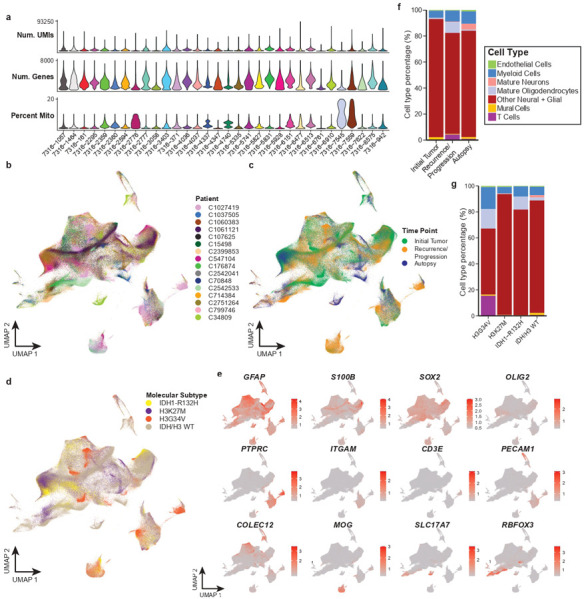
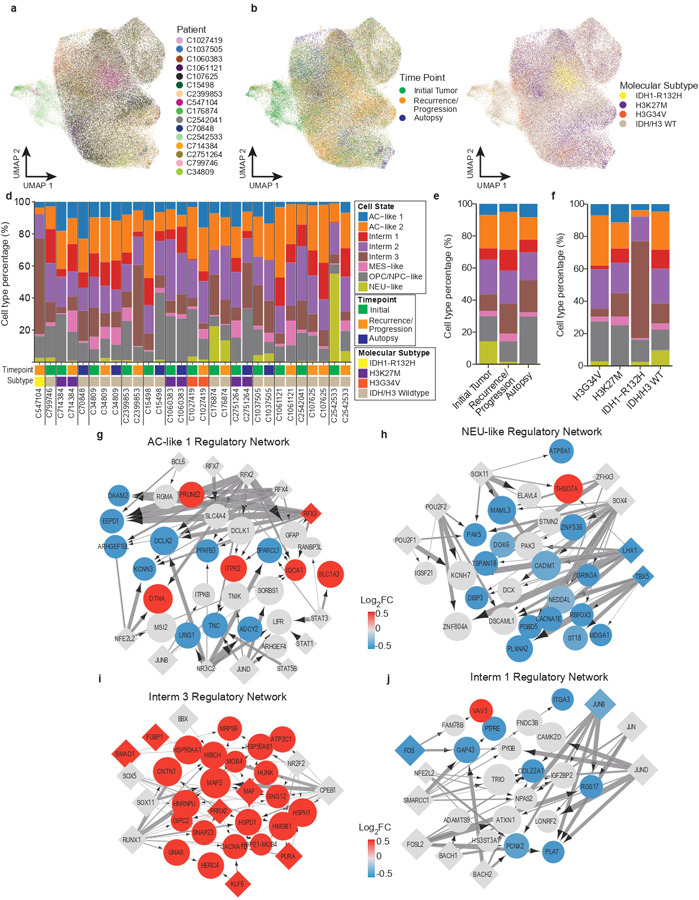
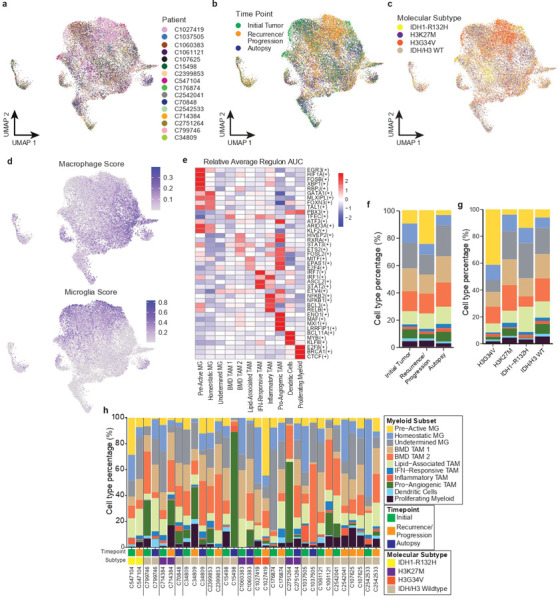
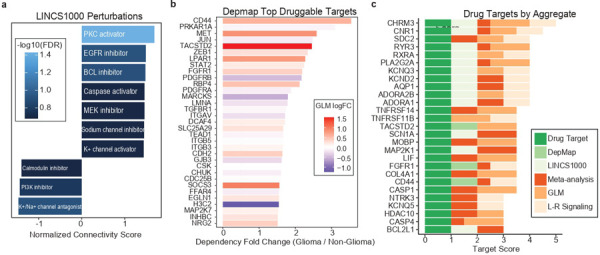
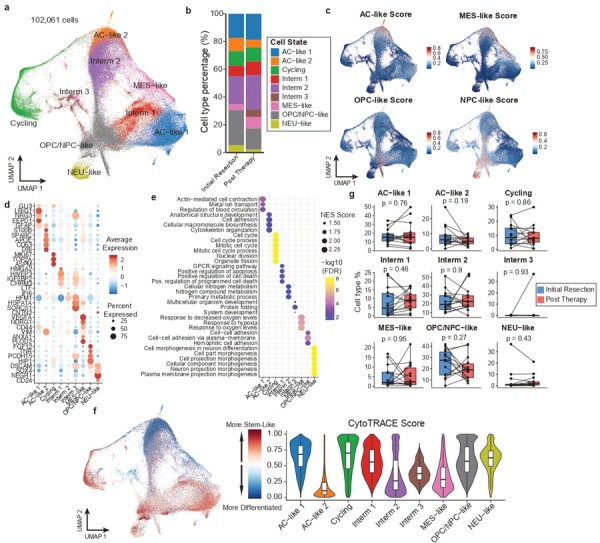
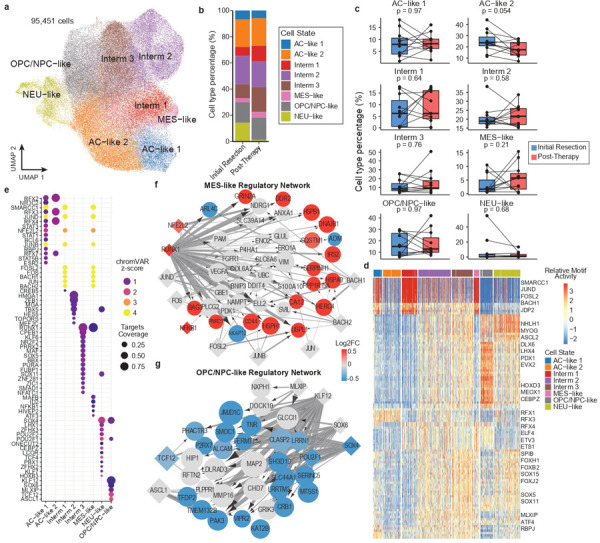
Pediatric high-grade glioma (pHGG) is an incurable central nervous system malignancy that is a leading cause of pediatric cancer death. While pHGG shares many similarities to adult glioma, it is increasingly recognized as a molecularly distinct, yet highly heterogeneous disease. In this study, we longitudinally profiled a molecularly diverse cohort of 16 pHGG patients before and after standard therapy through single-nucleus RNA and ATAC sequencing, whole-genome sequencing, and CODEX spatial proteomics to capture the evolution of the tumor microenvironment during progression following treatment. We found that the canonical neoplastic cell phenotypes of adult glioblastoma are insufficient to capture the range of tumor cell states in a pediatric cohort and observed differential tumor-myeloid interactions between malignant cell states. We identified key transcriptional regulators of pHGG cell states and did not observe the marked proneural to mesenchymal shift characteristic of adult glioblastoma. We showed that essential neuromodulators and the interferon response are upregulated post-therapy along with an increase in non-neoplastic oligodendrocytes. Through pharmacological perturbation, we demonstrated novel malignant cell-intrinsic targets. This multiomic atlas of longitudinal pHGG captures the key features of therapy response that support distinction from its adult counterpart and suggests therapeutic strategies which are targeted to pediatric gliomas.
小儿高级别胶质瘤(pHGG)是一种无法治愈的中枢神经系统恶性肿瘤,是小儿癌症死亡的主要原因。虽然pHGG与成人胶质瘤有许多相似之处,但它越来越被认为是一种分子特征独特但高度异质性的疾病。在本研究中,我们通过单核RNA和ATAC测序、全基因组测序以及CODEX空间蛋白质组学,对16例pHGG患者在标准治疗前后进行了纵向分子特征分析,以捕捉治疗后肿瘤进展过程中肿瘤微环境的演变。我们发现,成人胶质母细胞瘤的典型肿瘤细胞表型不足以涵盖小儿队列中肿瘤细胞状态的范围,并观察到恶性细胞状态之间不同的肿瘤-髓样细胞相互作用。我们确定了pHGG细胞状态的关键转录调节因子,并且未观察到成人胶质母细胞瘤典型的从神经干细胞样向间充质细胞的明显转变。我们表明,治疗后必需的神经调节因子和干扰素反应上调,同时非肿瘤性少突胶质细胞增加。通过药物干扰,我们展示了新的恶性细胞内在靶点。这份纵向pHGG的多组学图谱捕捉了治疗反应的关键特征,支持将其与成人胶质瘤区分开来,并提出了针对小儿胶质瘤的治疗策略。