Department of Chemistry, Faculty of Science, Mutah University, Al-Karak, Jordan.
Engineering Laboratory of Organometallic, Molecular Materials and Environment, Faculty of Sciences, Sidi Mohamed Ben Abdellah University, 30000, Fez, Morocco.
Sci Rep. 2024 Mar 19;14(1):6519. doi: 10.1038/s41598-024-55460-4.
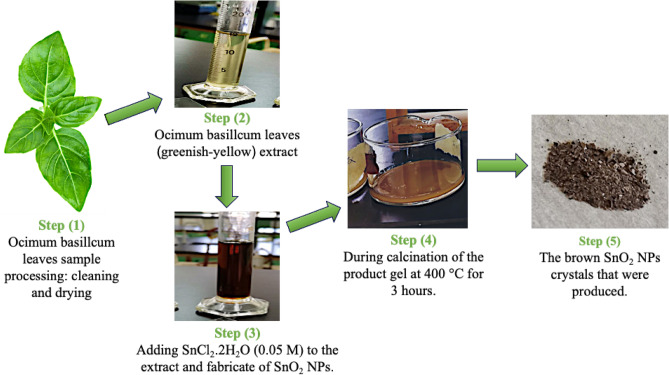
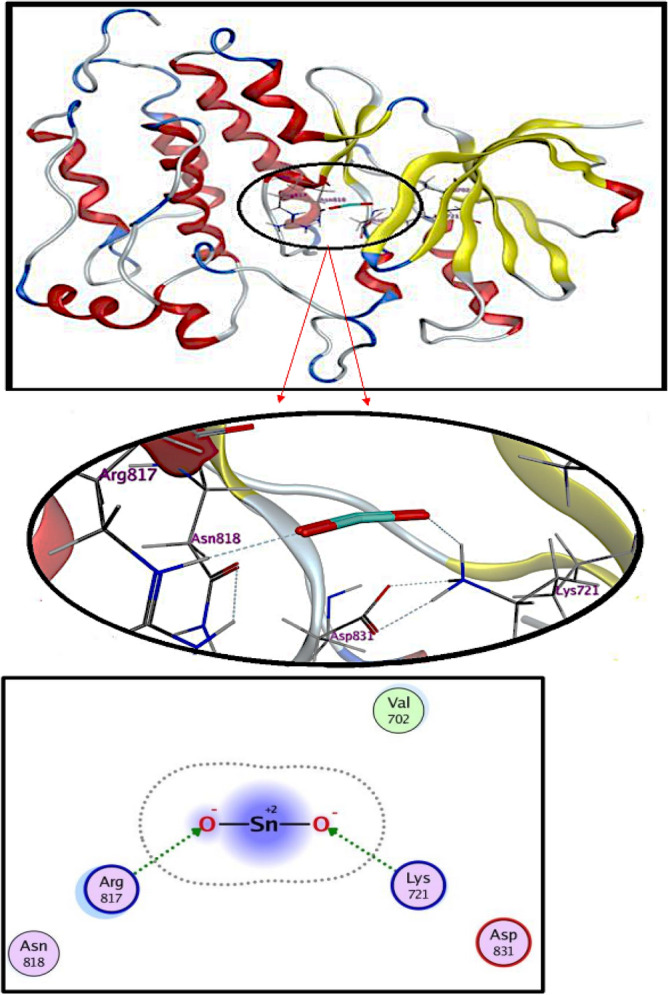
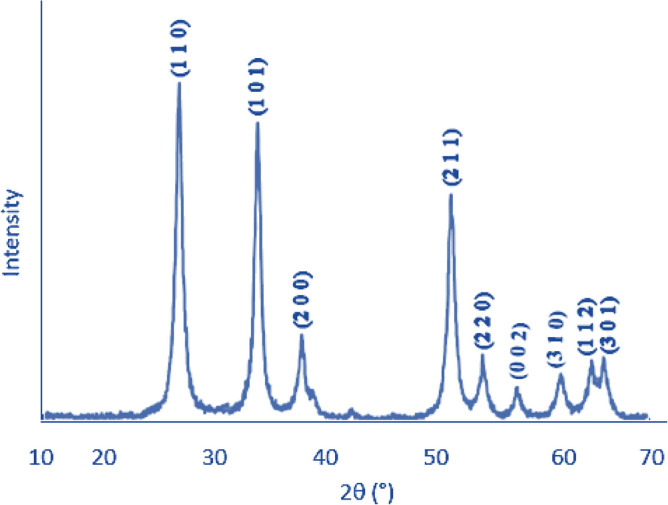
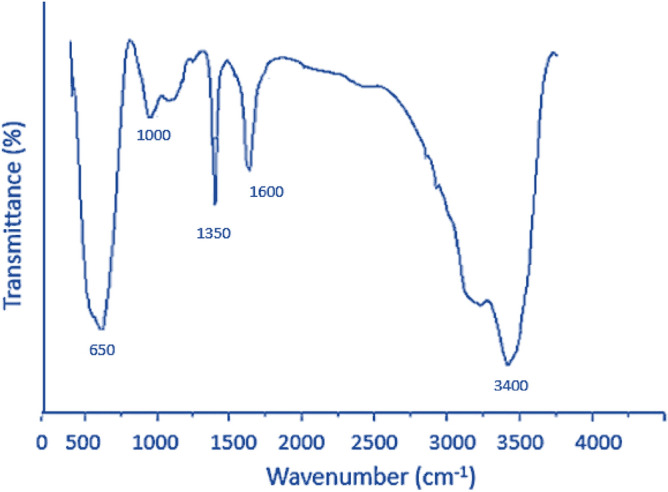
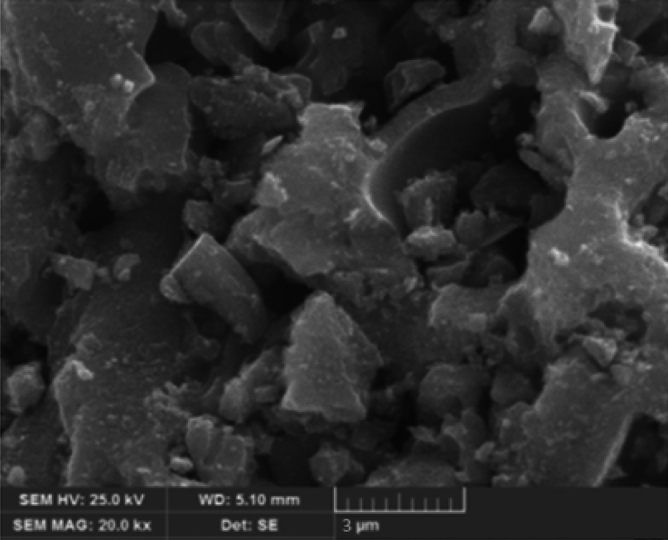
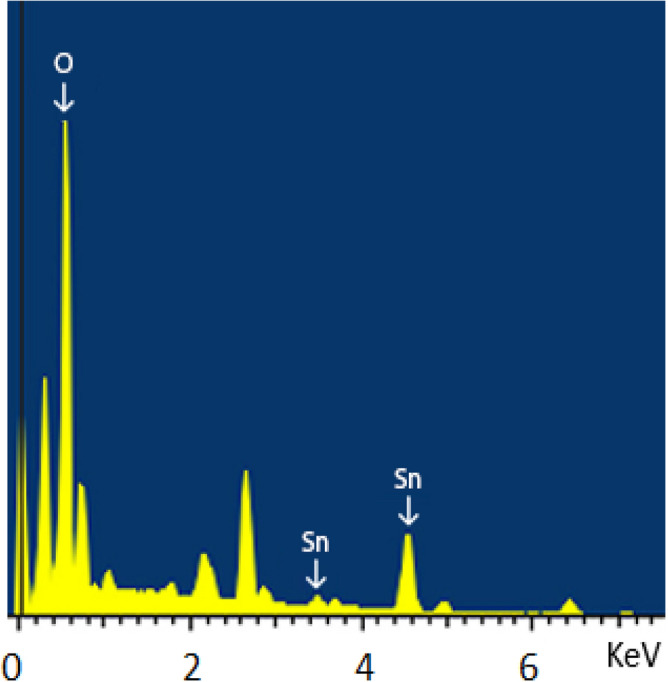
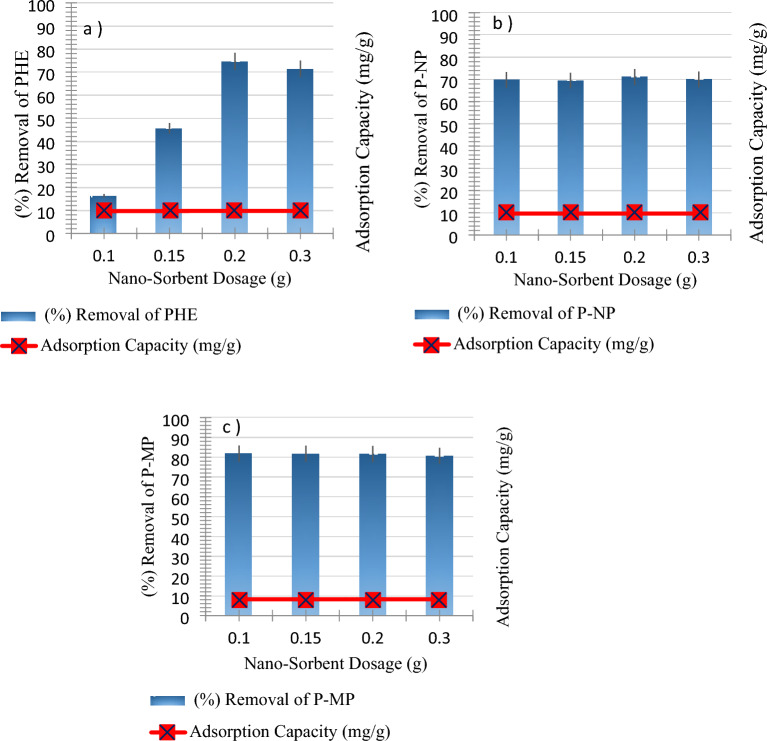
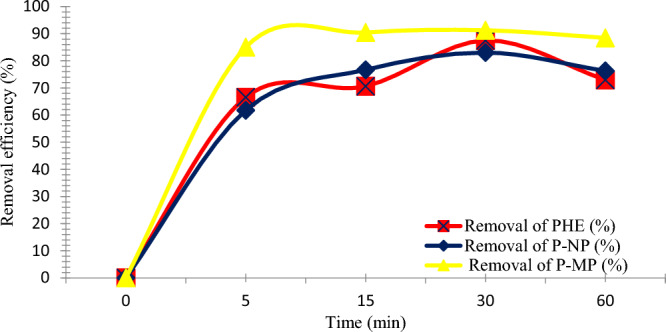
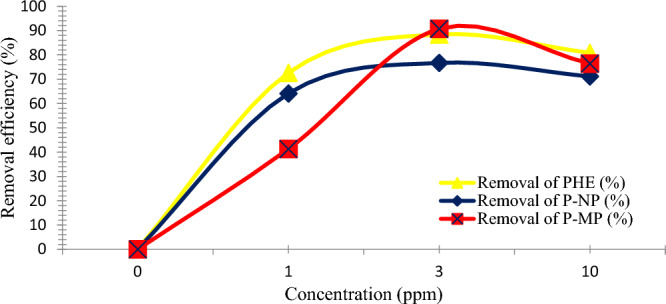
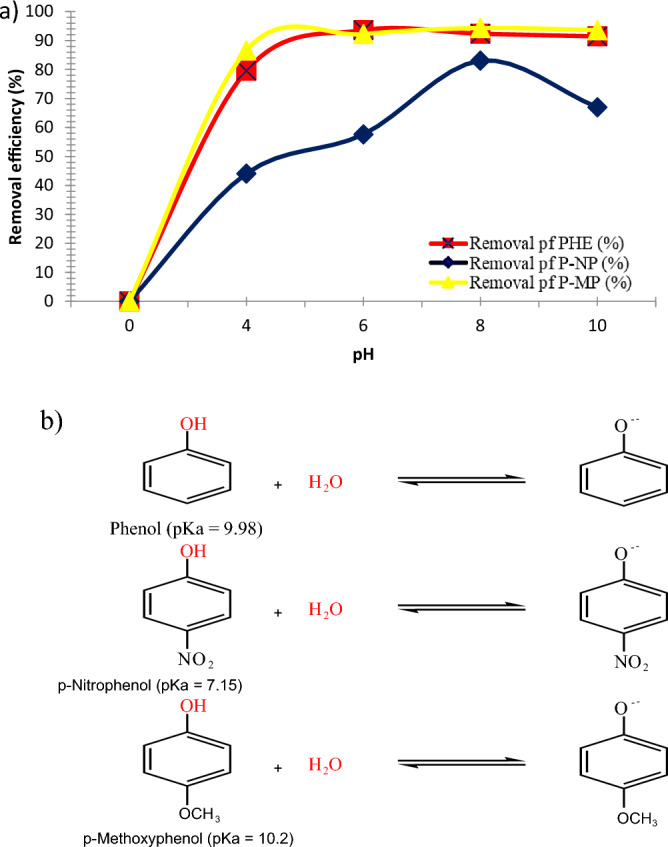
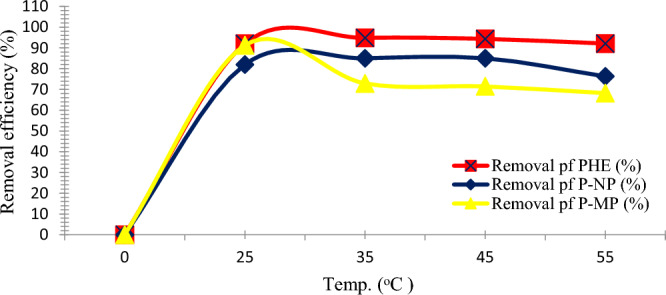
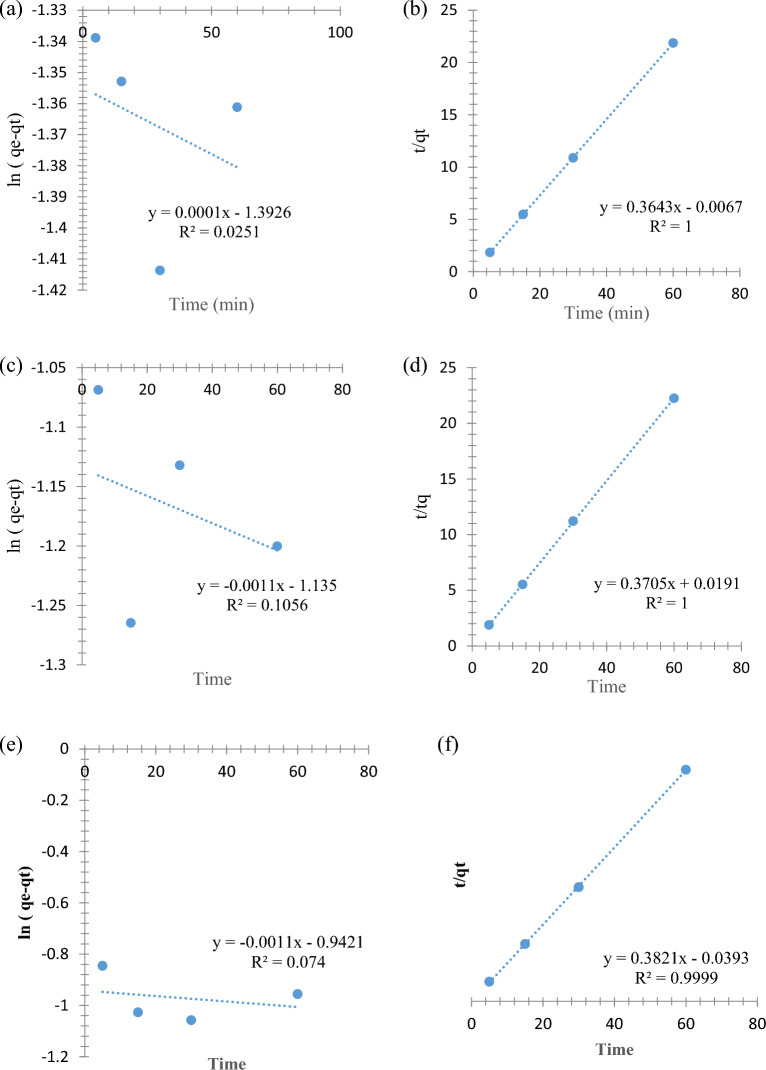
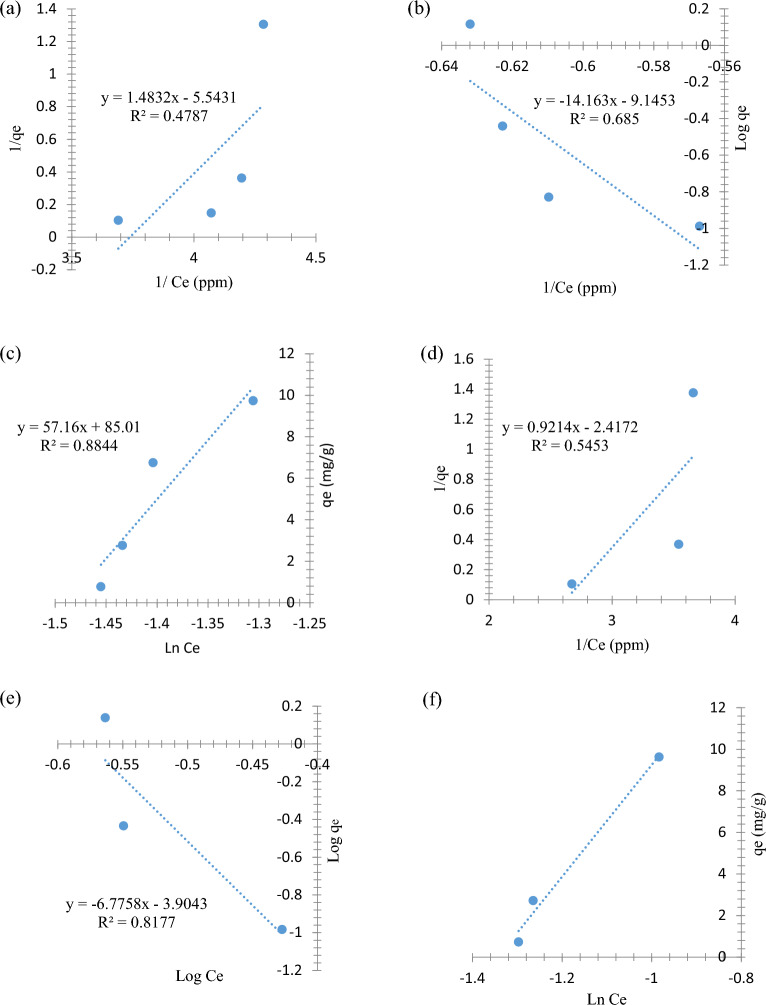
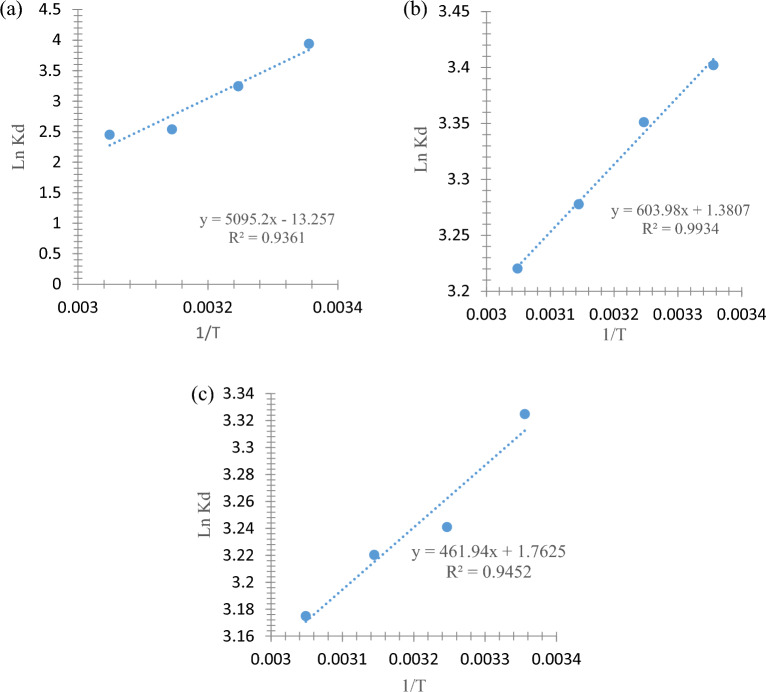
In this study, tin dioxide nanoparticles (SnO NPs) were successfully synthesized through an eco-friendly method using basil leaves extract. The fabricated SnO NPs demonstrated significant adsorption capabilities for phenol (PHE), p-nitrophenol (P-NP), and p-methoxyphenol (P-MP) from water matrices. Optimal conditions for maximum removal efficiency was determined for each phenolic compound, with PHE showing a remarkable 95% removal at a 3 ppm, 0.20 g of SnO NPs, pH 8, and 30 min of agitation at 35 °C. Molecular docking studies unveiled a potential anticancer mechanism, indicating the ability of SnO NPs to interact with the epidermal growth factor receptor tyrosine kinase domain and inhibit its activity. The adsorption processes followed pseudo-second order kinetics and Temkin isotherm model, revealing spontaneous, exothermic, and chemisorption-controlled mechanisms. This eco-friendly approach utilizing plant extracts was considered as a valuable tool for nano-sorbent production. The SnO NPs not only exhibit promise in water treatment and also demonstrate potential applications in cancer therapy. Characterization techniques including scanning electron microscopy, UV-visible spectroscopy, Fourier transform infrared spectroscopy, X-ray diffraction spectroscopy (XRD), and energy-dispersive X-ray spectroscopy (EDAX) provided comprehensive insights into the results.
在这项研究中,成功地通过使用罗勒叶提取物的环保方法合成了二氧化锡纳米粒子 (SnO NPs)。所制备的 SnO NPs 对水中基质的苯酚 (PHE)、对硝基苯酚 (P-NP) 和对甲氧基苯酚 (P-MP) 表现出显著的吸附能力。确定了每种酚类化合物的最大去除效率的最佳条件,对于 3 ppm 的 PHE,在 0.20 g 的 SnO NPs、pH 8 和 35°C 下搅拌 30 分钟的条件下,去除率达到了惊人的 95%。分子对接研究揭示了一种潜在的抗癌机制,表明 SnO NPs 能够与表皮生长因子受体酪氨酸激酶结构域相互作用并抑制其活性。吸附过程遵循伪二级动力学和 Temkin 等温模型,表明这是一种自发、放热和化学吸附控制的机制。这种利用植物提取物的环保方法被认为是生产纳米吸附剂的有价值的工具。SnO NPs 不仅在水处理方面有应用前景,在癌症治疗方面也有潜在的应用。扫描电子显微镜、紫外-可见光谱、傅里叶变换红外光谱、X 射线衍射光谱 (XRD) 和能谱 (EDAX) 等表征技术提供了对结果的全面了解。