Faculty of Biology, University of Warsaw, 02-096, Warsaw, Poland.
Nencki Institute of Experimental Biology, 02-093, Warsaw, Poland.
EMBO Rep. 2024 May;25(5):2278-2305. doi: 10.1038/s44319-024-00117-6. Epub 2024 Mar 18.
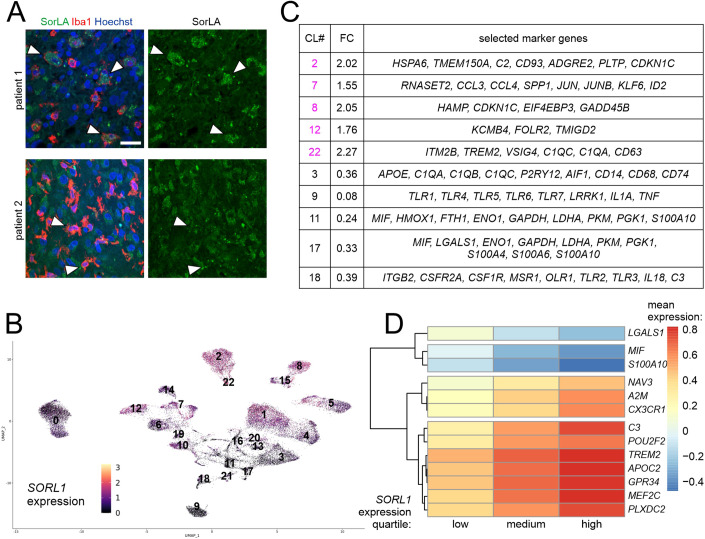
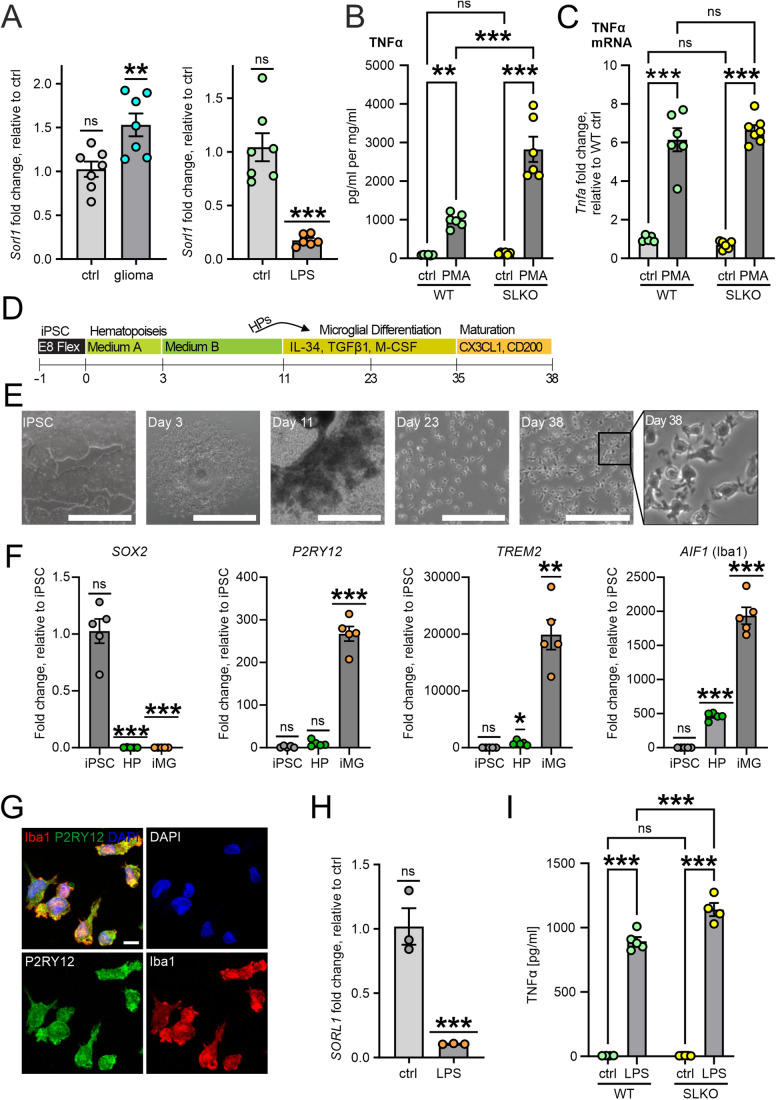
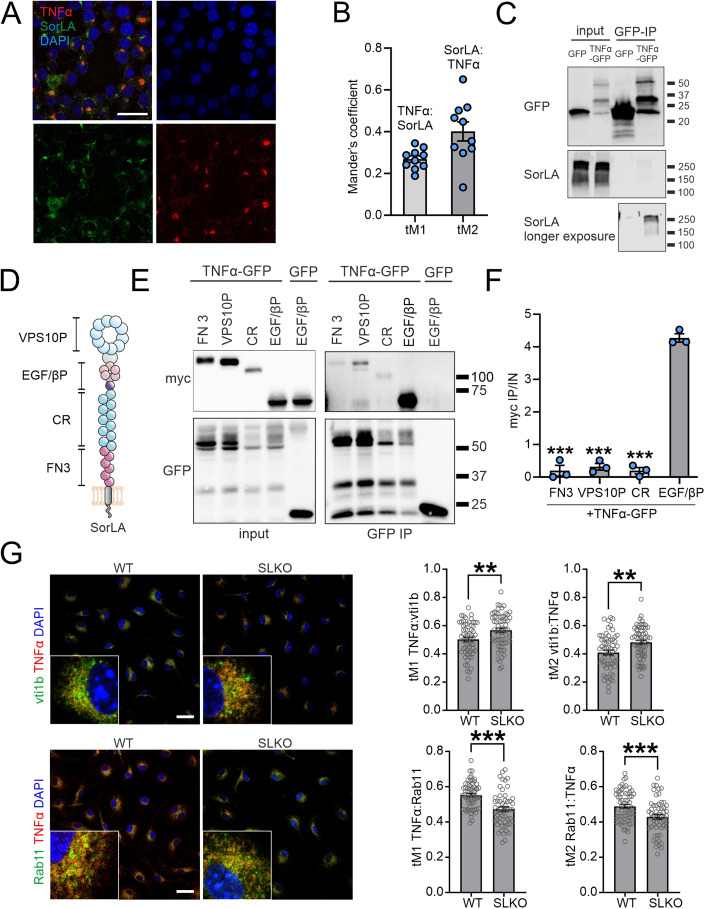
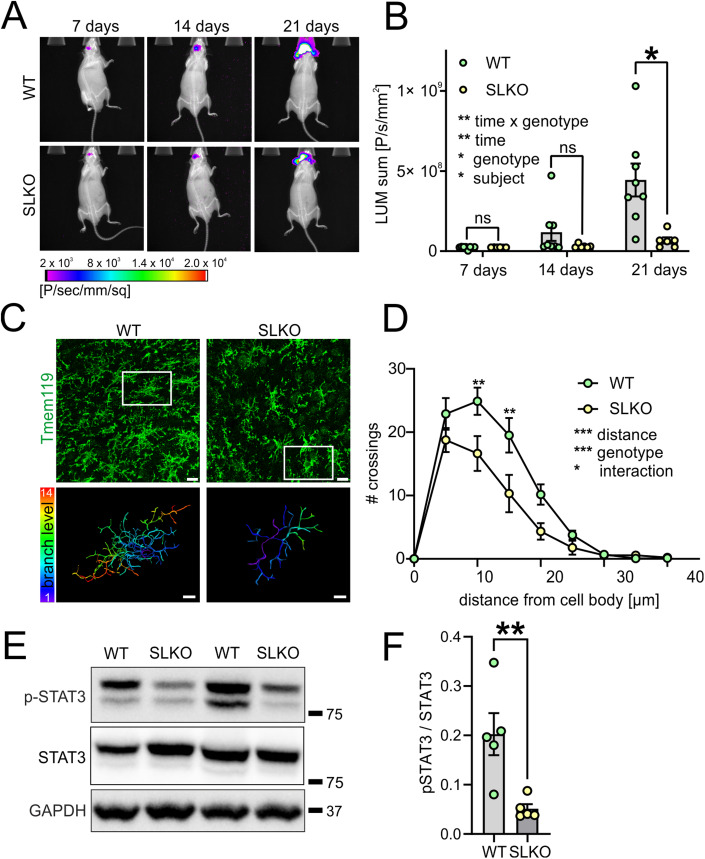
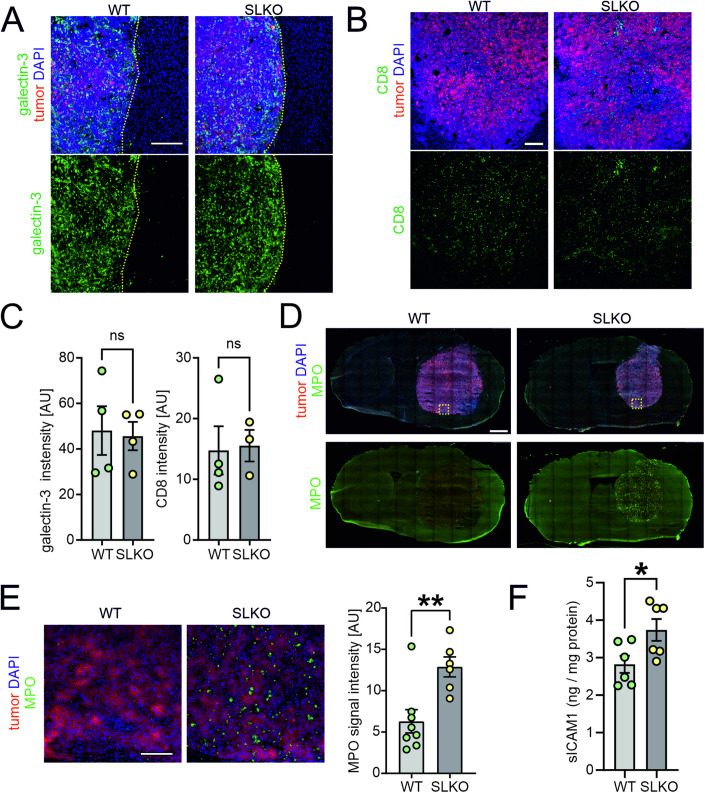
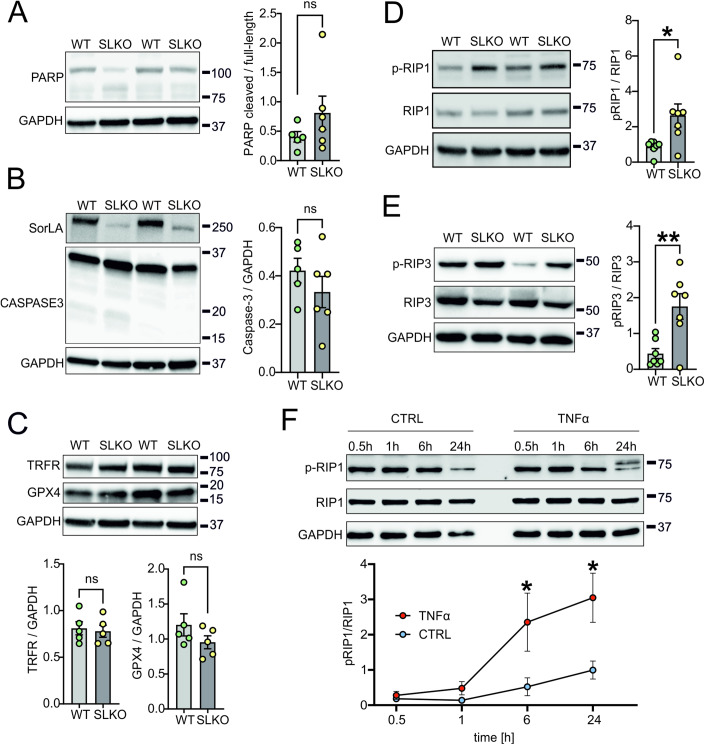
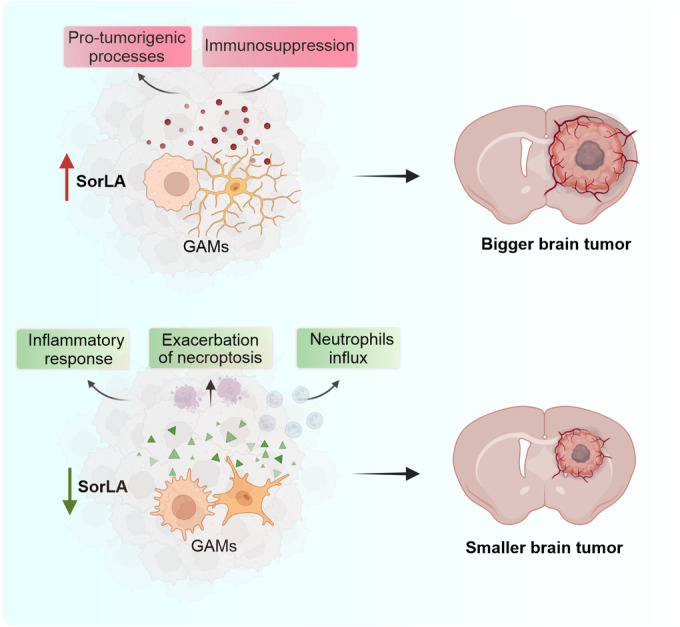
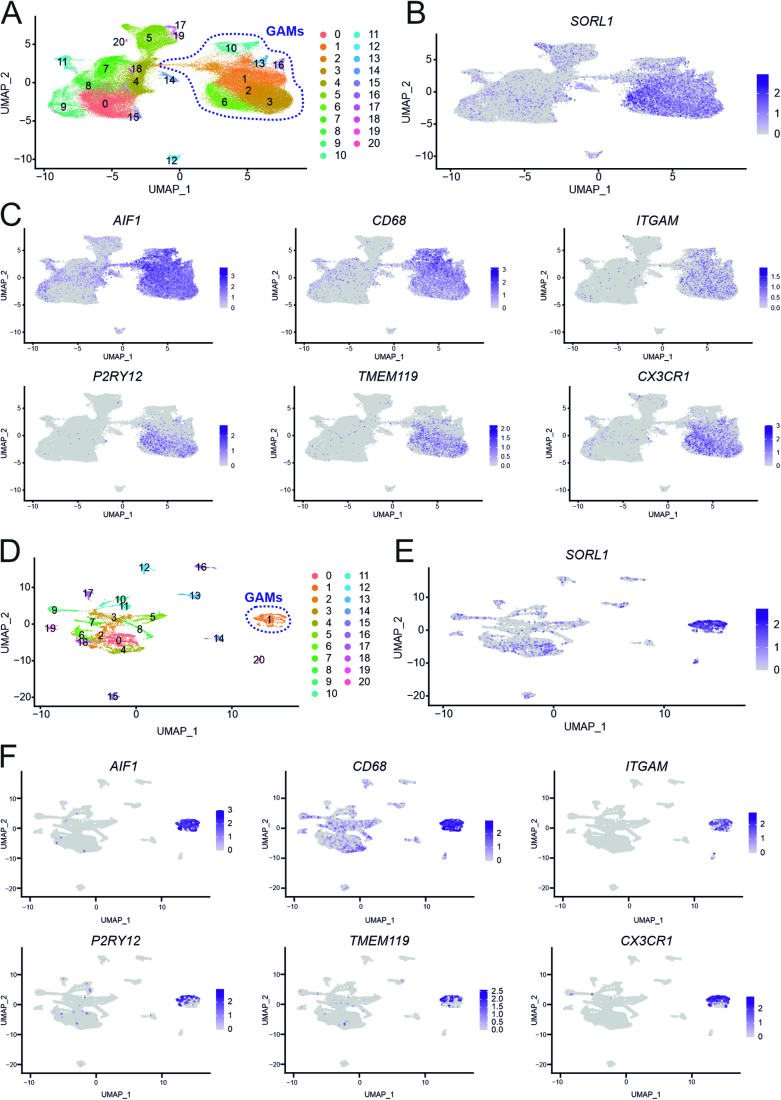
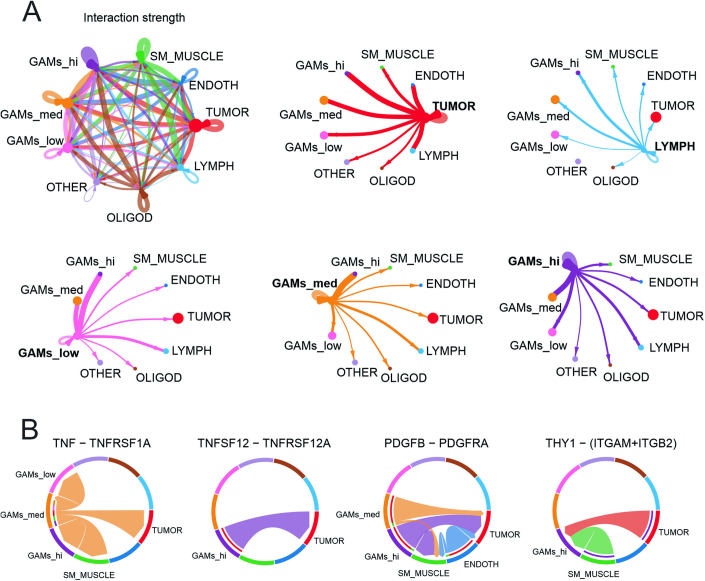
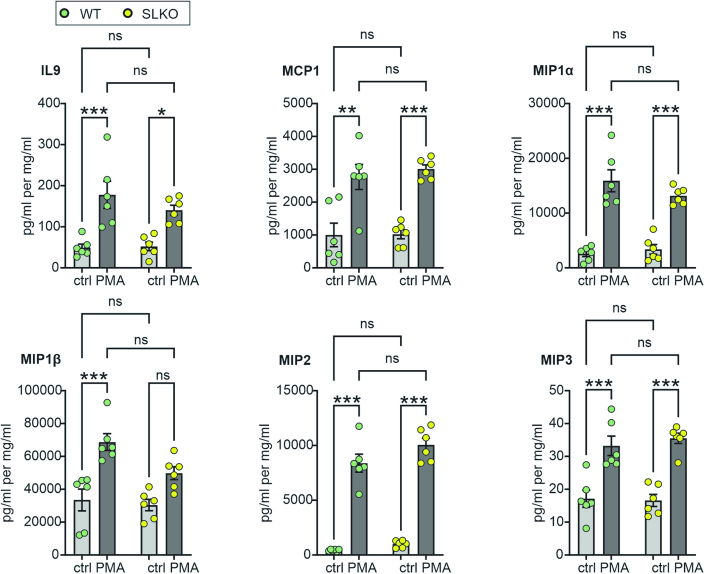
SorLA, encoded by the gene SORL1, is an intracellular sorting receptor of the VPS10P domain receptor gene family. Although SorLA is best recognized for its ability to shuttle target proteins between intracellular compartments in neurons, recent data suggest that also its microglial expression can be of high relevance for the pathogenesis of brain diseases, including glioblastoma (GBM). Here, we interrogated the impact of SorLA on the functional properties of glioma-associated microglia and macrophages (GAMs). In the GBM microenvironment, GAMs are re-programmed and lose the ability to elicit anti-tumor responses. Instead, they acquire a glioma-supporting phenotype, which is a key mechanism promoting glioma progression. Our re-analysis of published scRNA-seq data from GBM patients revealed that functional phenotypes of GAMs are linked to the level of SORL1 expression, which was further confirmed using in vitro models. Moreover, we demonstrate that SorLA restrains secretion of TNFα from microglia to restrict the inflammatory potential of these cells. Finally, we show that loss of SorLA exacerbates the pro-inflammatory response of microglia in the murine model of glioma and suppresses tumor growth.
SorLA 由 SORL1 基因编码,是 VPS10P 结构域受体基因家族的一种细胞内分拣受体。尽管 SorLA 最被认可的功能是在神经元细胞内室之间穿梭靶蛋白,但最近的数据表明,其小胶质细胞表达也可能与包括神经胶质瘤(GBM)在内的脑部疾病的发病机制高度相关。在这里,我们研究了 SorLA 对与神经胶质瘤相关的小胶质细胞和巨噬细胞(GAMs)的功能特性的影响。在 GBM 微环境中,GAMs 被重新编程并失去引发抗肿瘤反应的能力。相反,它们获得了支持神经胶质瘤的表型,这是促进神经胶质瘤进展的关键机制。我们对 GBM 患者发表的 scRNA-seq 数据的重新分析表明,GAMs 的功能表型与 SORL1 表达水平相关,这在用体外模型进一步证实后得到了确认。此外,我们证明 SorLA 限制了微胶质细胞中 TNFα 的分泌,从而限制了这些细胞的炎症潜能。最后,我们表明 SorLA 的缺失会加剧神经胶质瘤小鼠模型中小胶质细胞的促炎反应,并抑制肿瘤生长。