Jiang Mengxian, Gu Xiang, Xu Yexing, Wang Jing
Department of Otorhinolaryngology Head and Neck Surgery, The Central Hospital of Wuhan, Tongji Medical College, Huazhong University of Science and Technology, Wuhan, Hubei Province, 430000, China.
Department of Otorhinolaryngology Head and Neck Surgery, Maternal and Child Health of Hubei Province, Tongji Medical College, Huazhong University of Science and Technology, Hubei Province, 430000, China.
Heliyon. 2024 Mar 7;10(6):e27587. doi: 10.1016/j.heliyon.2024.e27587. eCollection 2024 Mar 30.
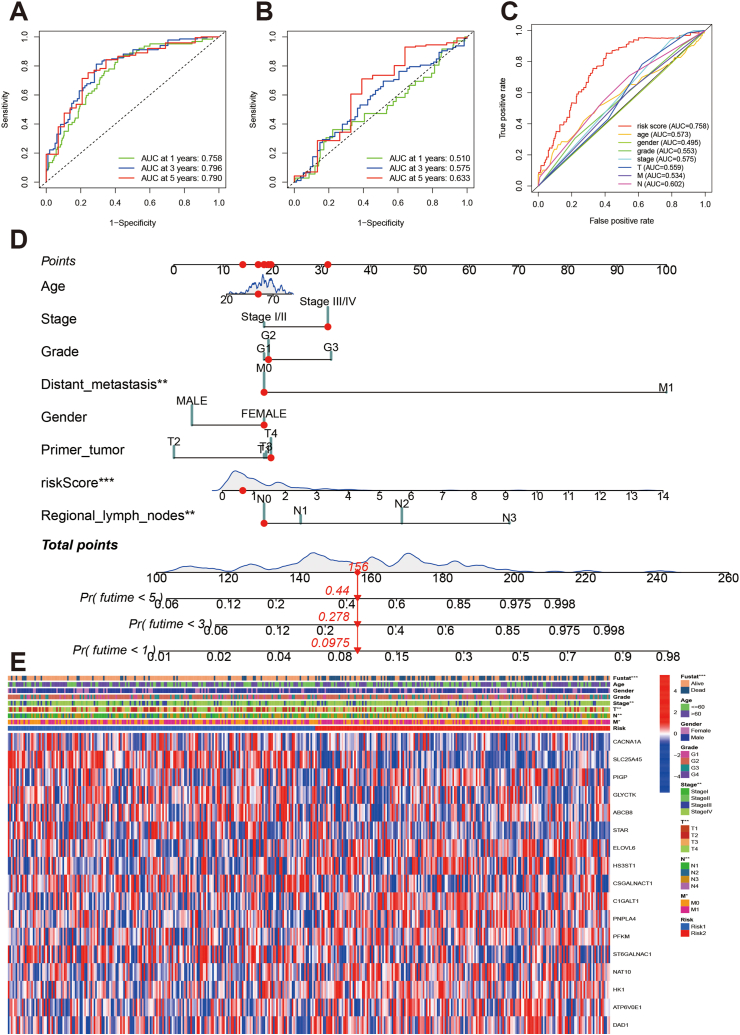
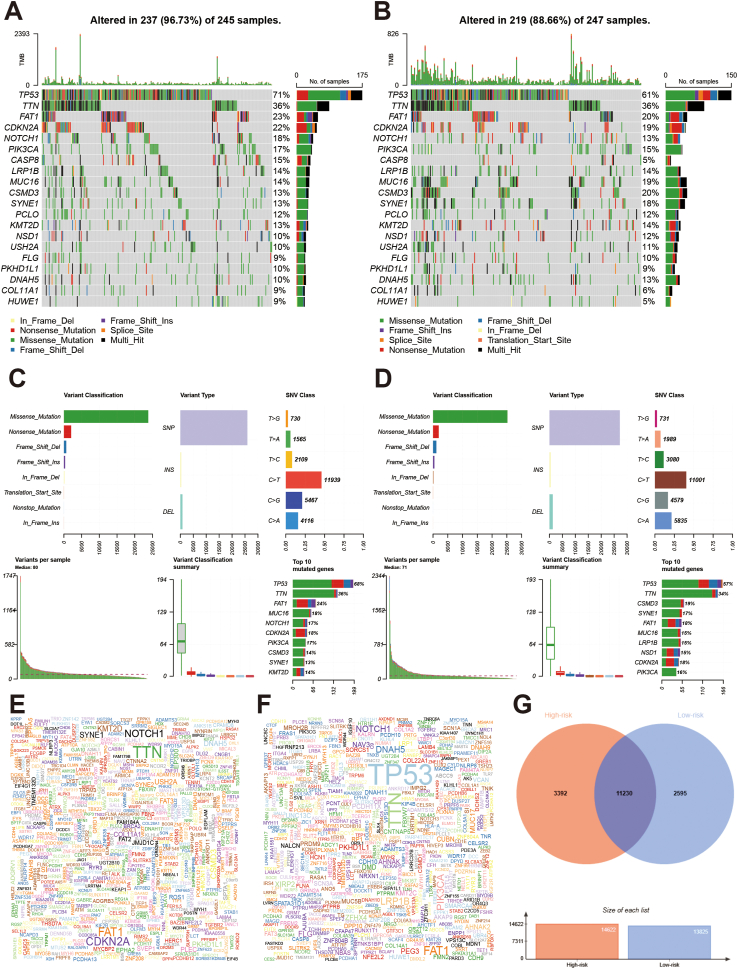
Although the fundamental processes and chemical changes in metabolic programs have been elucidated in many cancers, the expression patterns of metabolism-related genes in head and neck squamous cell carcinoma (HNSCC) remain unclear. The mRNA expression profiles from the Cancer Genome Atlas included 502 tumour and 44 normal samples were extracted. We explored the biological functions and prognosis roles of metabolism-associated genes in patients with HNSCC. The results indicated that patients with HNSCC could be divided into three molecular subtypes (C1, C2 and C3) based on 249 metabolism-related genes. There were markedly different clinical characteristics, prognosis outcomes, and biological functions among the three subtypes. Different molecular subtypes also have different tumour microenvironments and immune infiltration levels. The established prognosis model with 17 signature genes could predict the prognosis of patients with HNSCC and was validated using an independent cohort dataset. An individual risk scoring tool was developed using the risk score and clinical parameters; the risk score was an independent prognostic factor for patients with HNSCC. Different risk stratifications have different clinical characteristics, biological features, tumour microenvironments and immune infiltration levels. Our study could be used for clinical risk management and to help conduct precision medicine for patients with HNSCC.
尽管许多癌症中代谢程序的基本过程和化学变化已得到阐明,但头颈部鳞状细胞癌(HNSCC)中代谢相关基因的表达模式仍不清楚。提取了癌症基因组图谱中包含502个肿瘤样本和44个正常样本的mRNA表达谱。我们探讨了HNSCC患者中代谢相关基因的生物学功能和预后作用。结果表明,基于249个代谢相关基因,HNSCC患者可分为三种分子亚型(C1、C2和C3)。这三种亚型在临床特征、预后结果和生物学功能上存在明显差异。不同的分子亚型也具有不同的肿瘤微环境和免疫浸润水平。建立的包含17个特征基因的预后模型可以预测HNSCC患者的预后,并使用独立队列数据集进行了验证。利用风险评分和临床参数开发了个体风险评分工具;风险评分是HNSCC患者的独立预后因素。不同的风险分层具有不同的临床特征、生物学特征、肿瘤微环境和免疫浸润水平。我们的研究可用于临床风险管理,并有助于为HNSCC患者开展精准医疗。