School of Medicine, Kashan University of Medical Sciences, Kashan, Islamic Republic of Iran.
Student Research Committee, Kashan University of Medical Sciences, Kashan, Islamic Republic of Iran.
Virol J. 2024 Mar 20;21(1):67. doi: 10.1186/s12985-024-02337-7.
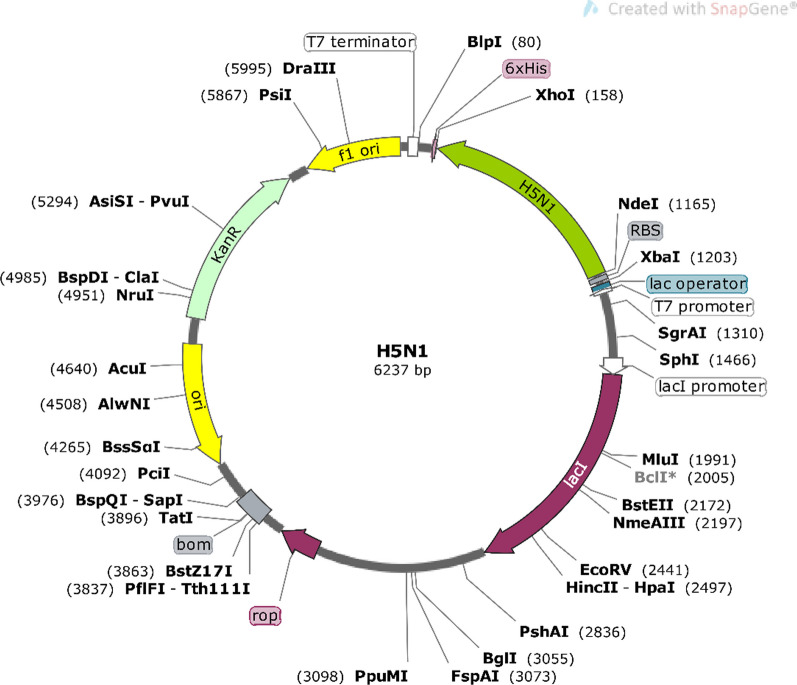
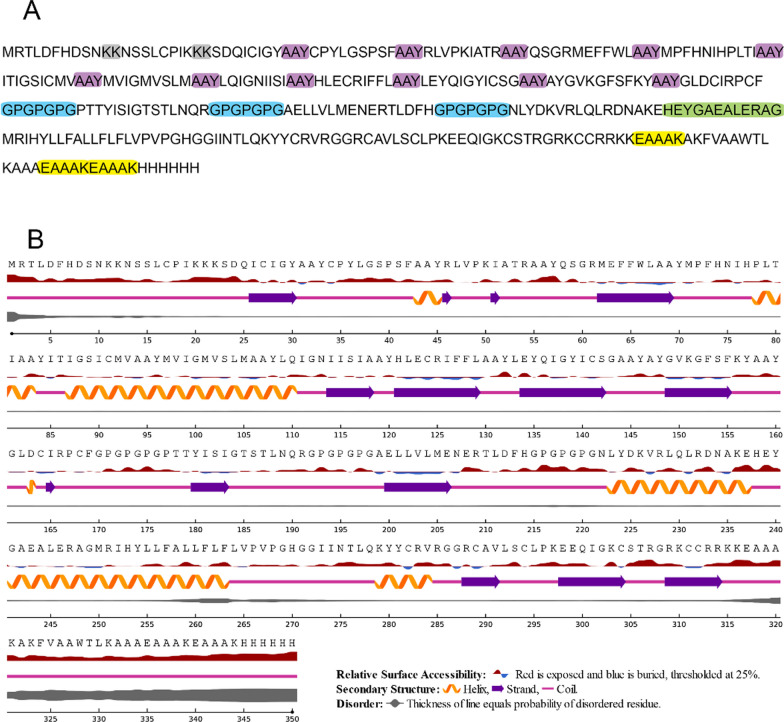
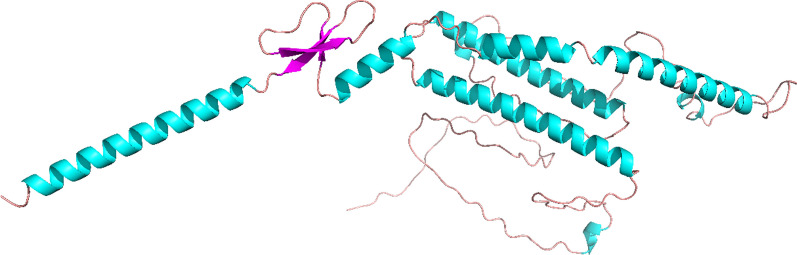
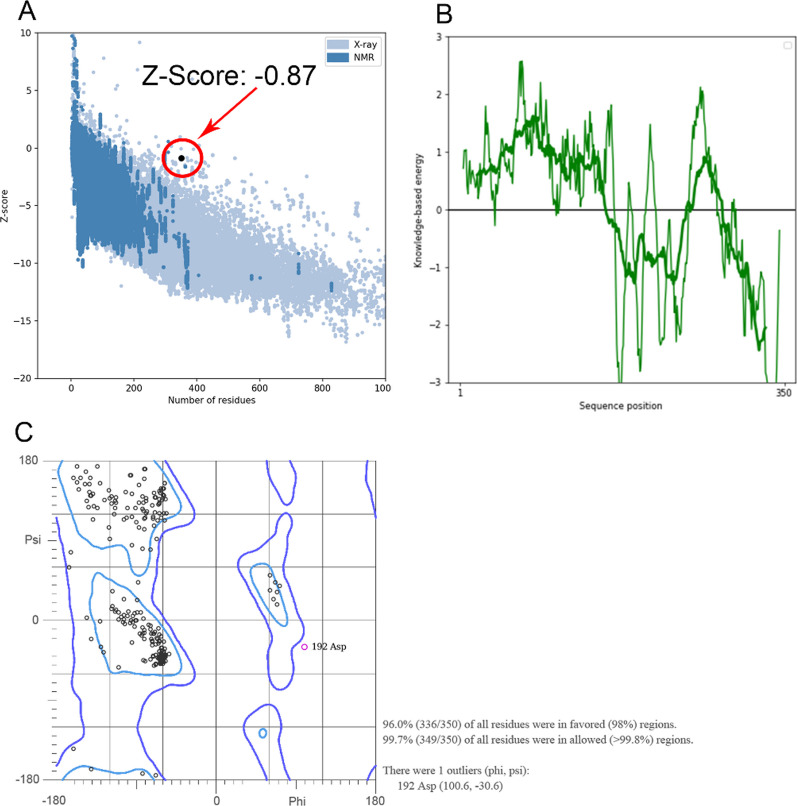
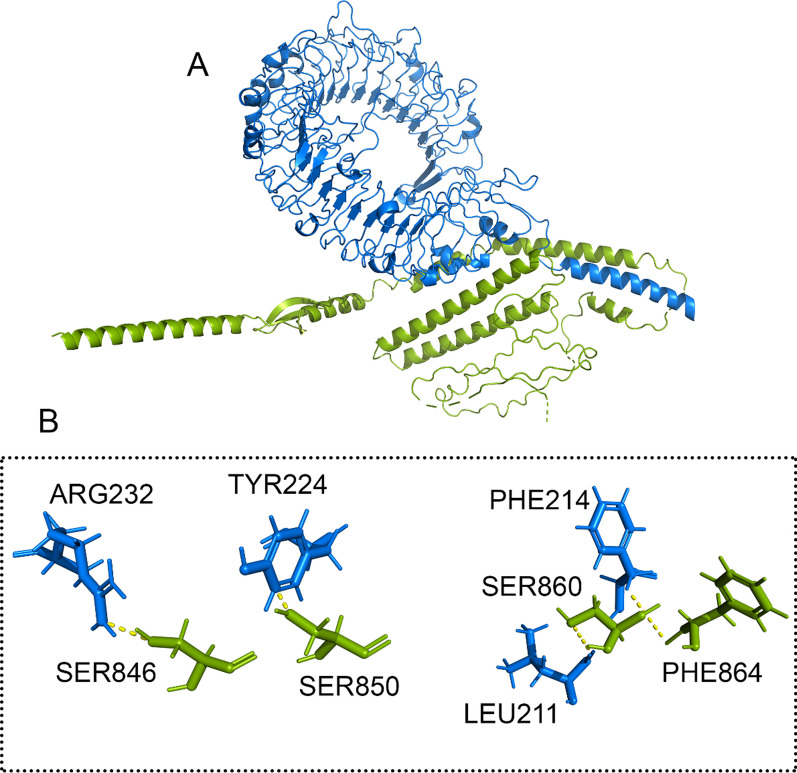
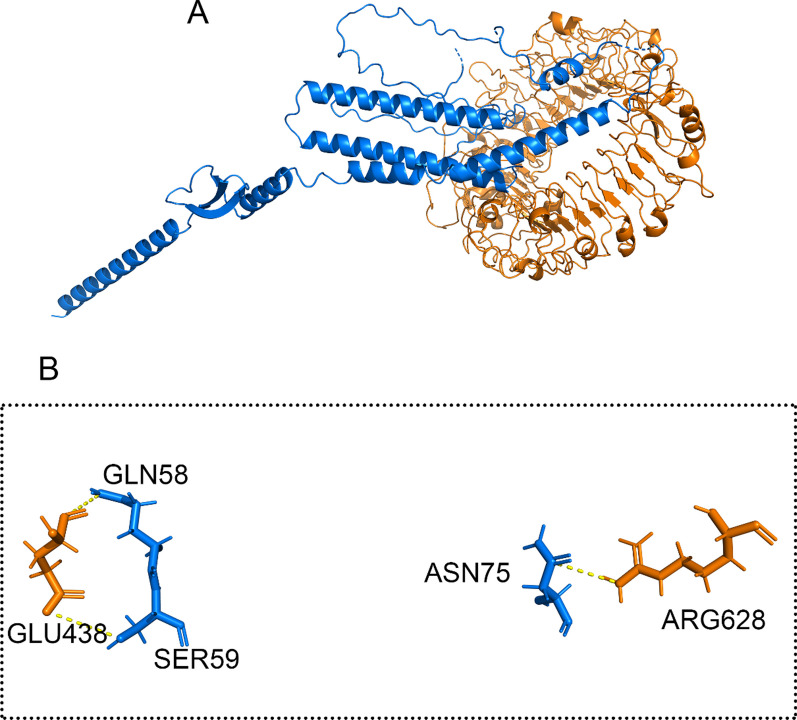
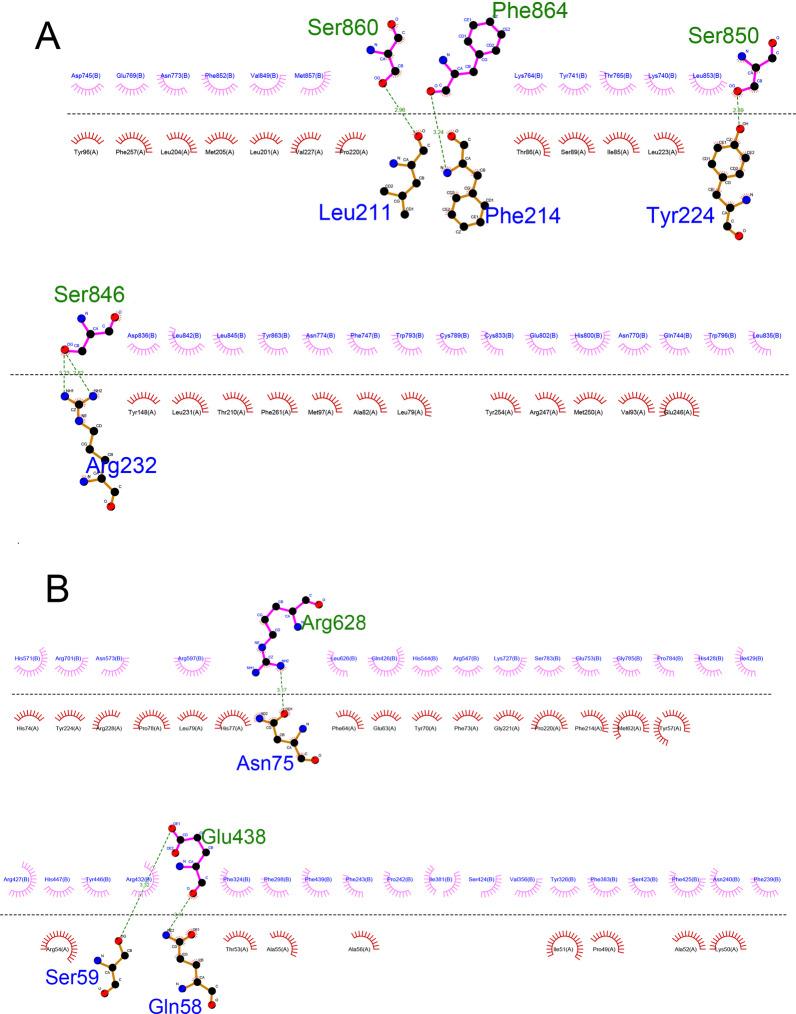
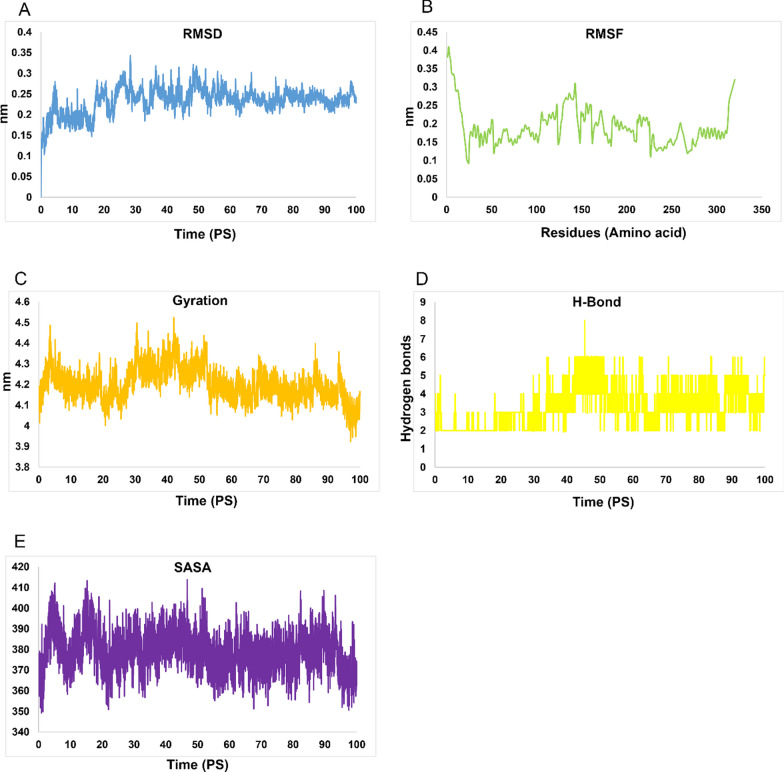
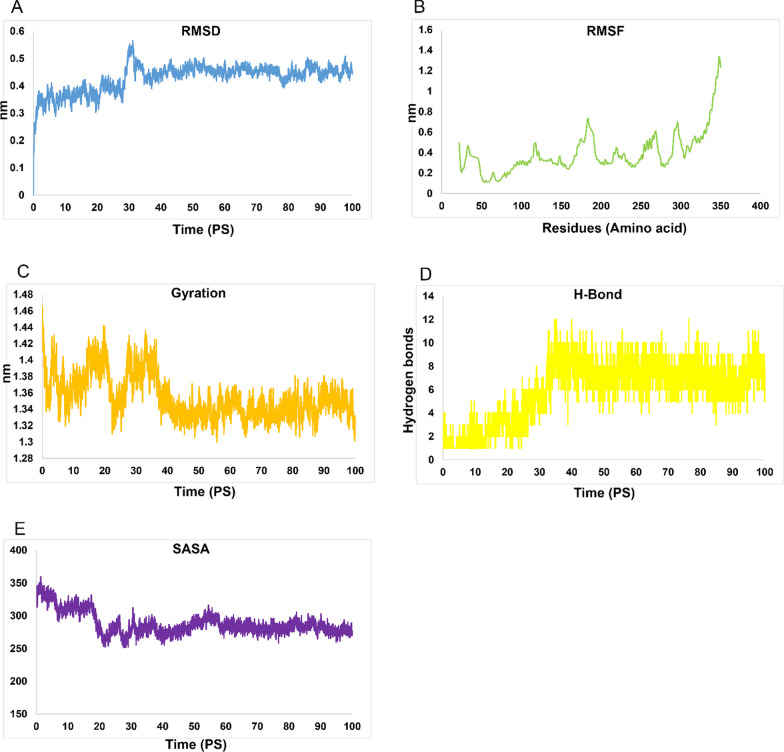
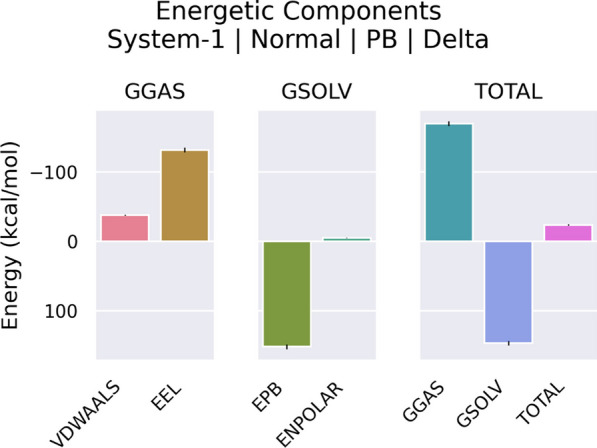
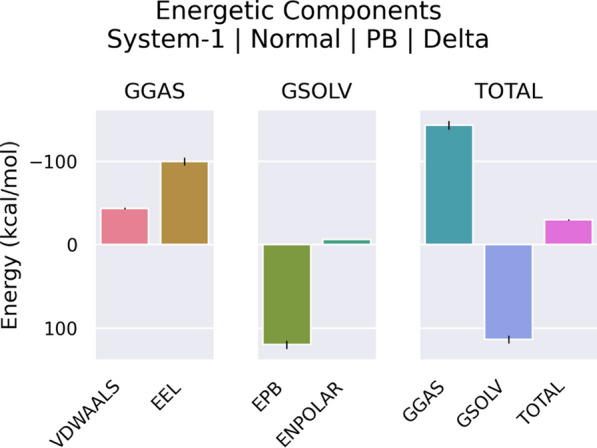
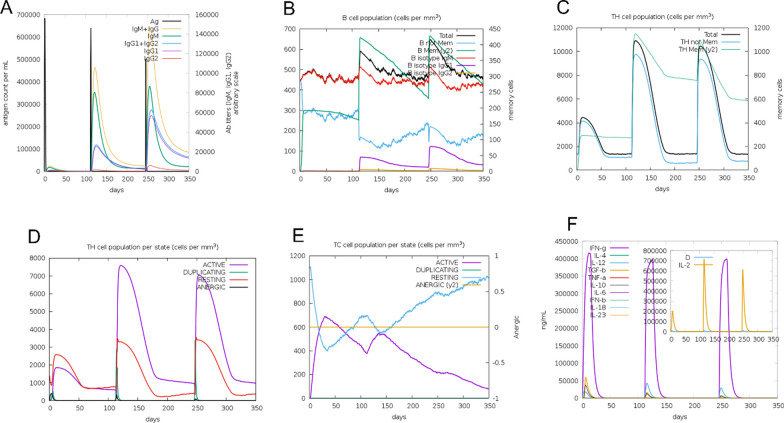
Since 1997, highly pathogenic avian influenza viruses, such as H5N1, have been recognized as a possible pandemic hazard to men and the poultry business. The rapid rate of mutation of H5N1 viruses makes the whole process of designing vaccines extremely challenging. Here, we used an in silico approach to design a multi-epitope vaccine against H5N1 influenza A virus using hemagglutinin (HA) and neuraminidase (NA) antigens. B-cell epitopes, Cytotoxic T lymphocyte (CTL) and Helper T lymphocyte (HTL) were predicted via IEDB, NetMHC-4 and NetMHCII-2.3 respectively. Two adjuvants consisting of Human β-defensin-3 (HβD-3) along with pan HLA DR-binding epitope (PADRE) have been chosen to induce more immune response. Linkers including KK, AAY, HEYGAEALERAG, GPGPGPG and double EAAAK were utilized to link epitopes and adjuvants. This construct encodes a protein having 350 amino acids and 38.46 kDa molecular weight. Antigenicity of ~ 1, the allergenicity of non-allergen, toxicity of negative and solubility of appropriate were confirmed through Vaxigen, AllerTOP, ToxDL and DeepSoluE, respectively. The 3D structure of H5N1 was refined and validated with a Z-Score of - 0.87 and an overall Ramachandran of 99.7%. Docking analysis showed H5N1 could interact with TLR7 (docking score of - 374.08 and by 4 hydrogen bonds) and TLR8 (docking score of - 414.39 and by 3 hydrogen bonds). Molecular dynamics simulations results showed RMSD and RMSF of 0.25 nm and 0.2 for H5N1-TLR7 as well as RMSD and RMSF of 0.45 nm and 0.4 for H5N1-TLR8 complexes, respectively. Molecular Mechanics Poisson-Boltzmann Surface Area (MM/PBSA) confirmed stability and continuity of interaction between H5N1-TLR7 with the total binding energy of - 29.97 kJ/mol and H5N1-TLR8 with the total binding energy of - 23.9 kJ/mol. Investigating immune response simulation predicted evidence of the ability to stimulate T and B cells of the immunity system that shows the merits of this H5N1 vaccine proposed candidate for clinical trials.
自 1997 年以来,高致病性禽流感病毒(如 H5N1)已被认为是对人类和家禽业可能构成大流行威胁的因素。H5N1 病毒的快速突变使得疫苗设计的整个过程极具挑战性。在这里,我们使用计算机模拟方法,利用血凝素(HA)和神经氨酸酶(NA)抗原设计了一种针对 H5N1 流感 A 病毒的多表位疫苗。B 细胞表位、细胞毒性 T 淋巴细胞(CTL)和辅助性 T 淋巴细胞(HTL)分别通过 IEDB、NetMHC-4 和 NetMHCII-2.3 进行预测。选择两种佐剂,即人β防御素-3(HβD-3)和 HLA-DR 结合表位(PADRE),以诱导更强的免疫反应。使用 KK、AAY、HEYGAEALERAG、GPGPGPG 和双 EAAAK 作为接头将表位和佐剂连接起来。该构建物编码一种具有 350 个氨基酸和 38.46 kDa 分子量的蛋白质。通过 Vaxigen、AllerTOP、ToxDL 和 DeepSoluE 分别确认了抗原性约为 1、非变应原性、毒性为阴性和适当的溶解性。使用 Z 分数为-0.87 和整体 Ramachandran 为 99.7%对 H5N1 的 3D 结构进行了细化和验证。对接分析表明,H5N1 可以与 TLR7(对接评分-374.08,通过 4 个氢键)和 TLR8(对接评分-414.39,通过 3 个氢键)相互作用。分子动力学模拟结果表明,H5N1-TLR7 的 RMSD 和 RMSF 分别为 0.25nm 和 0.2,H5N1-TLR8 的 RMSD 和 RMSF 分别为 0.45nm 和 0.4。分子力学泊松-玻尔兹曼表面面积(MM/PBSA)证实了 H5N1-TLR7 与总结合能为-29.97 kJ/mol 之间以及 H5N1-TLR8 与总结合能为-23.9 kJ/mol 之间的相互作用的稳定性和连续性。免疫反应模拟研究预测了该 H5N1 疫苗能够刺激免疫系统的 T 细胞和 B 细胞的证据,这表明该候选疫苗具有临床试验的潜力。