Department of Infectious Diseases, St. Jude Children's Research Hospital, Memphis, TN, 38105, USA.
Center of Scientific Excellence for Influenza Viruses, National Research Centre, Giza, 12622, Egypt.
Nat Commun. 2023 May 29;14(1):3082. doi: 10.1038/s41467-023-38415-7.
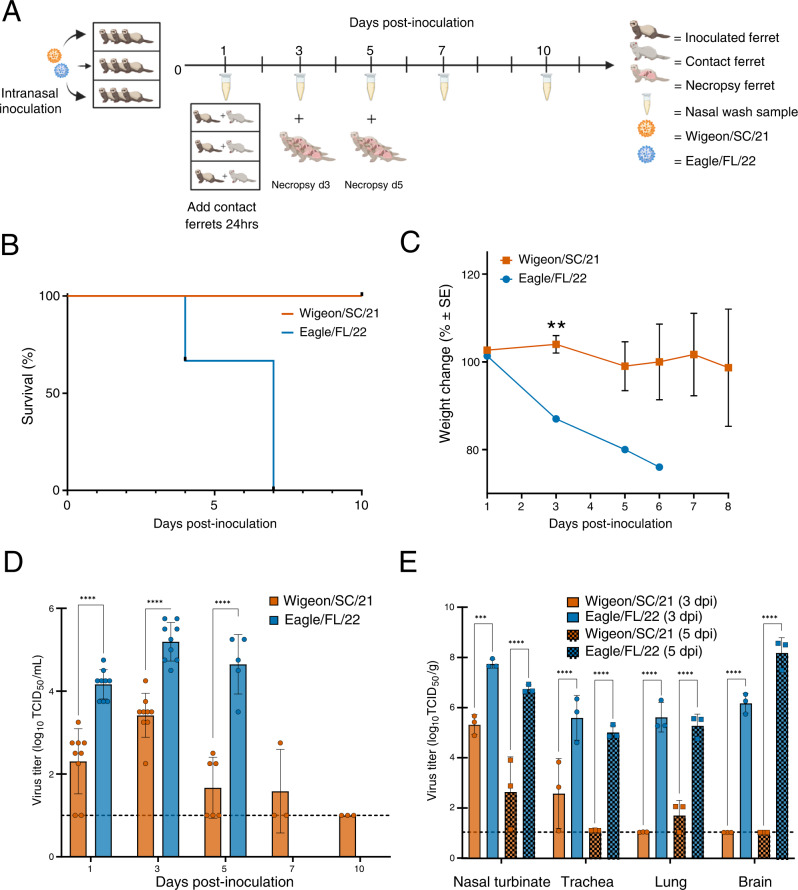
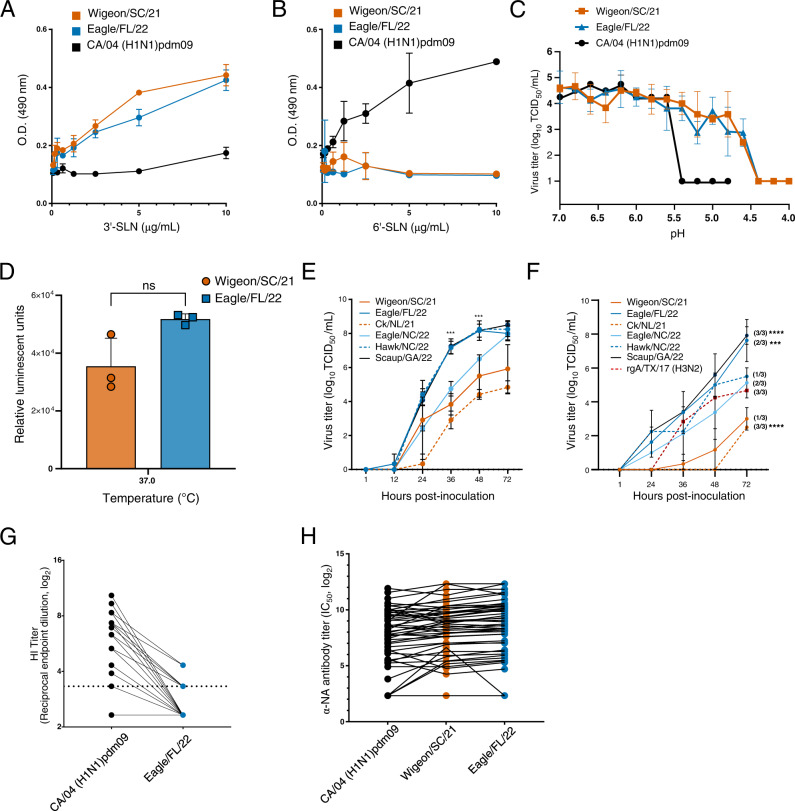
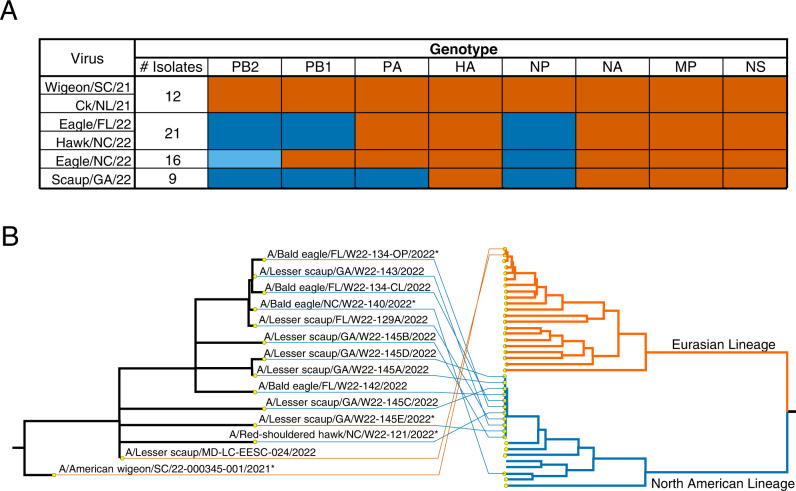
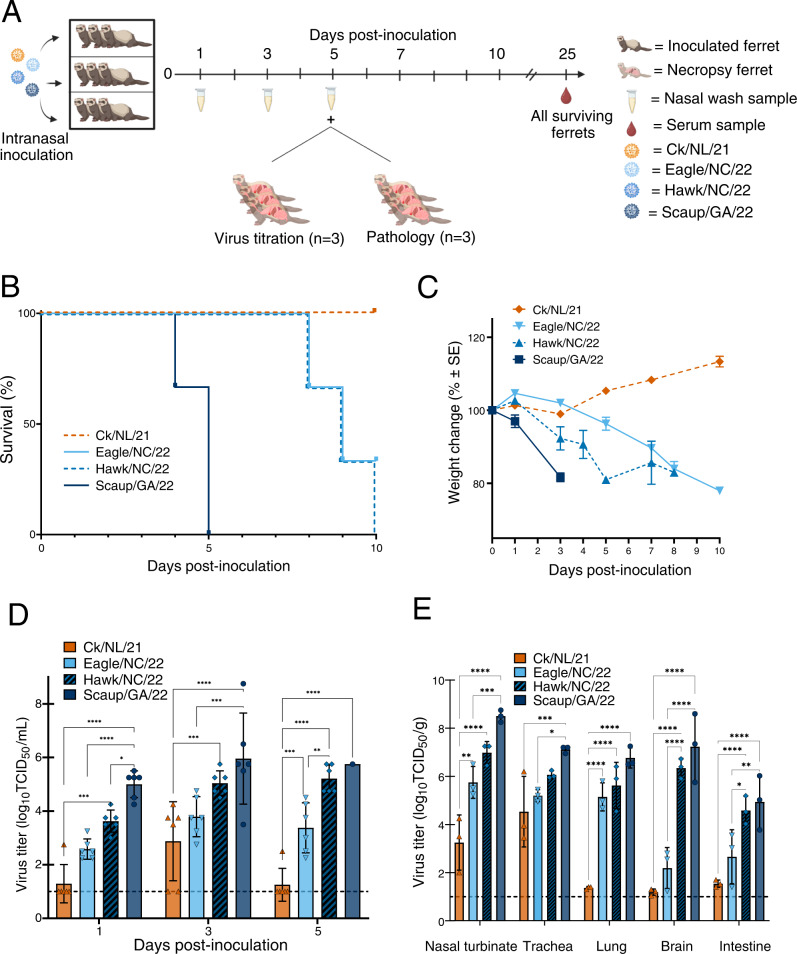
Highly pathogenic avian influenza A(H5N1) viruses of clade 2.3.4.4b underwent an explosive geographic expansion in 2021 among wild birds and domestic poultry across Asia, Europe, and Africa. By the end of 2021, 2.3.4.4b viruses were detected in North America, signifying further intercontinental spread. Here we show that the western movement of clade 2.3.4.4b was quickly followed by reassortment with viruses circulating in wild birds in North America, resulting in the acquisition of different combinations of ribonucleoprotein genes. These reassortant A(H5N1) viruses are genotypically and phenotypically diverse, with many causing severe disease with dramatic neurologic involvement in mammals. The proclivity of the current A(H5N1) 2.3.4.4b virus lineage to reassort and target the central nervous system warrants concerted planning to combat the spread and evolution of the virus within the continent and to mitigate the impact of a potential influenza pandemic that could originate from similar A(H5N1) reassortants.
高致病性禽流感 A(H5N1)病毒 2.3.4.4b 分支在 2021 年在亚洲、欧洲和非洲的野生鸟类和家禽中发生了爆炸性的地理扩张。到 2021 年底,2.3.4.4b 病毒已在北美被检测到,这表明进一步的洲际传播。在这里,我们表明,2.3.4.4b 分支的西进很快伴随着与在北美的野生鸟类中循环的病毒的重组,导致获得不同组合的核糖核蛋白基因。这些重组 A(H5N1)病毒在基因型和表型上具有多样性,其中许多在哺乳动物中引起严重疾病,并伴有明显的神经系统受累。当前 A(H5N1)2.3.4.4b 病毒谱系易发生重组并靶向中枢神经系统,这需要协调一致的规划来打击该病毒在该大陆的传播和演变,并减轻可能源自类似 A(H5N1)重组病毒的潜在流感大流行的影响。