Wang Hanfei, Sun Yanrong, Wang Wenjuan, Wang Xiangqiu, Zhang Jinglin, Bai Yu, Wang Ke, Luan Liju, Yan Junhao, Qin Lihua
Department of Human Anatomy, Histology and Embryology, School of Basic Medical Sciences, Peking University Health Science Center, Beijing, 100191, China.
Department of Dental Medicine, School of Dental Medicine, Yuncheng Vocational Nursing College, Yuncheng, 044000, China.
Heliyon. 2024 Mar 11;10(6):e27976. doi: 10.1016/j.heliyon.2024.e27976. eCollection 2024 Mar 30.
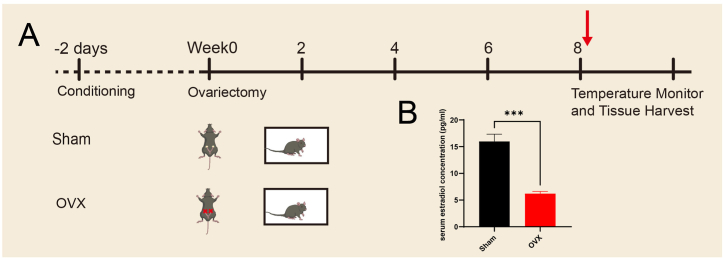
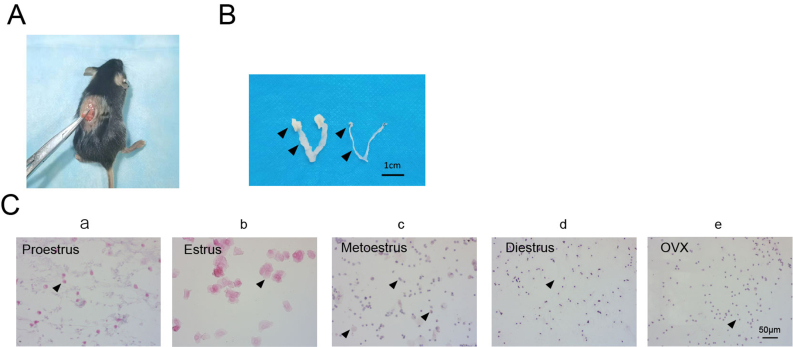
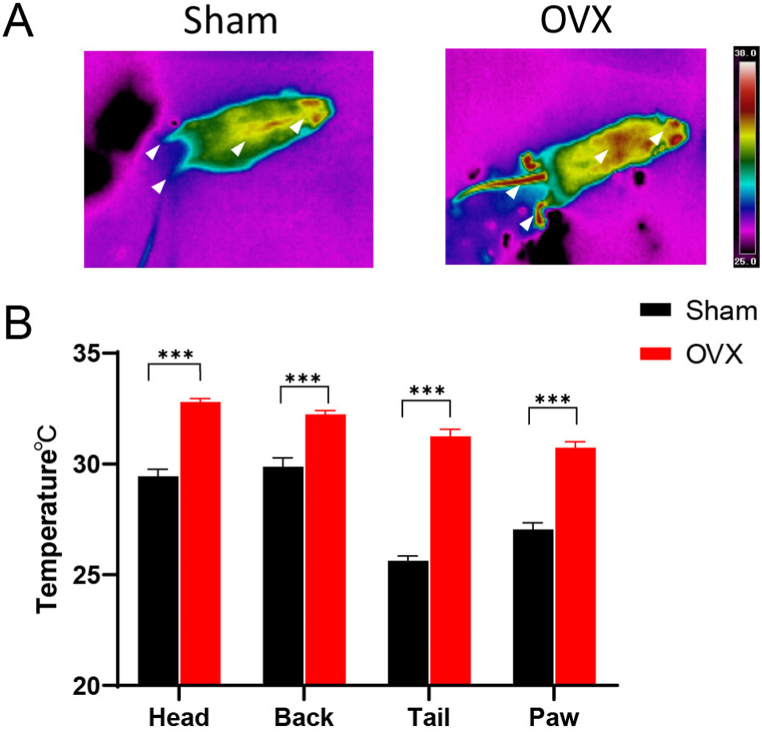
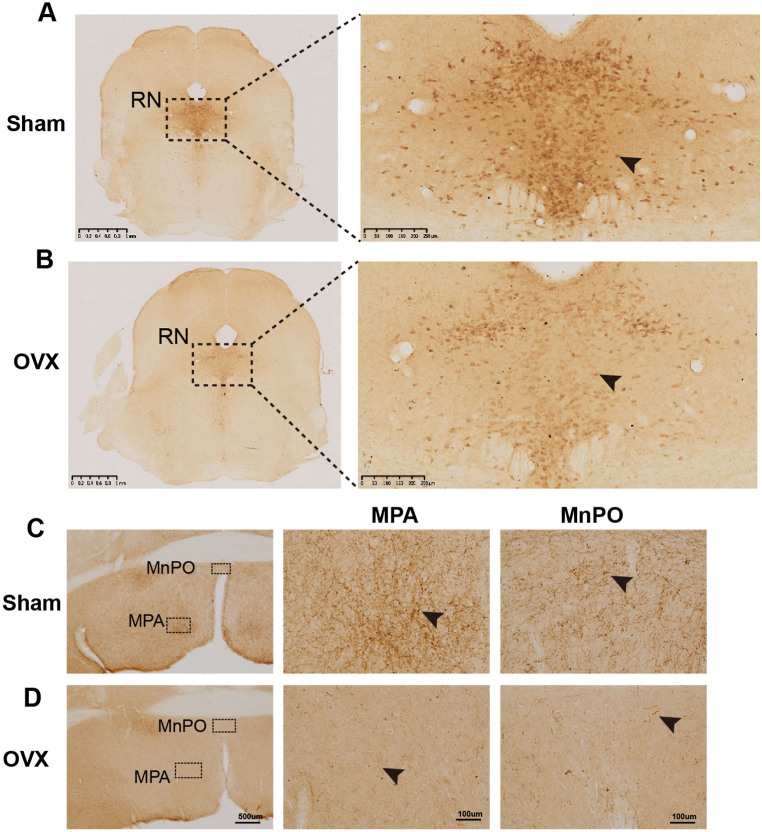
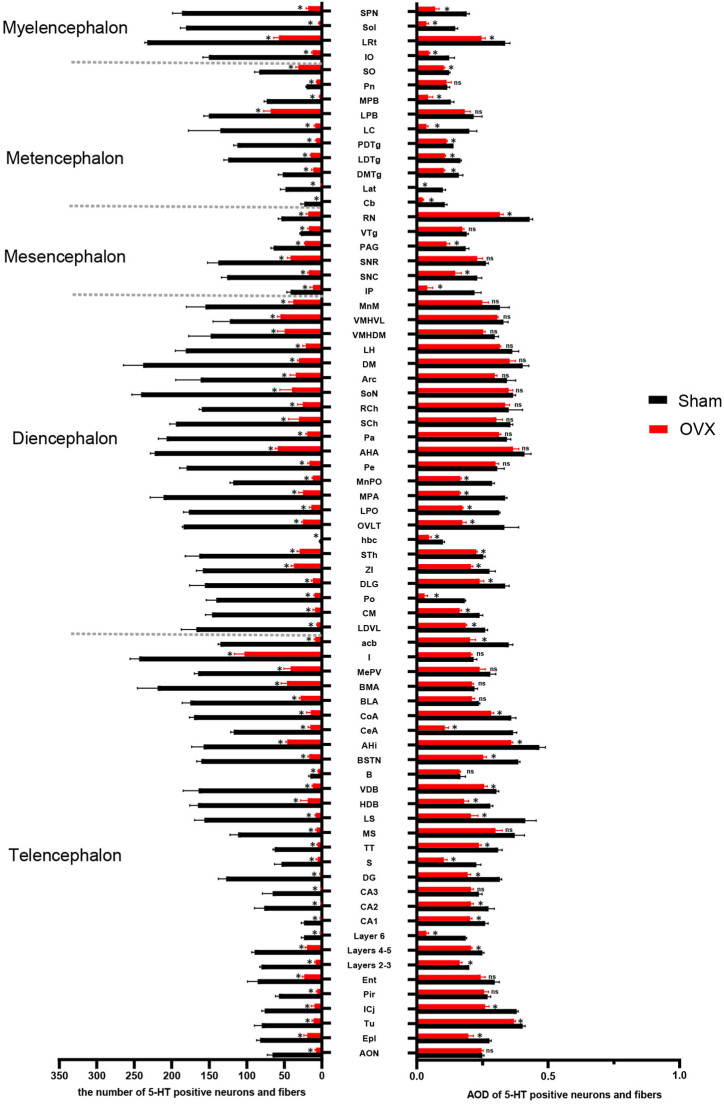
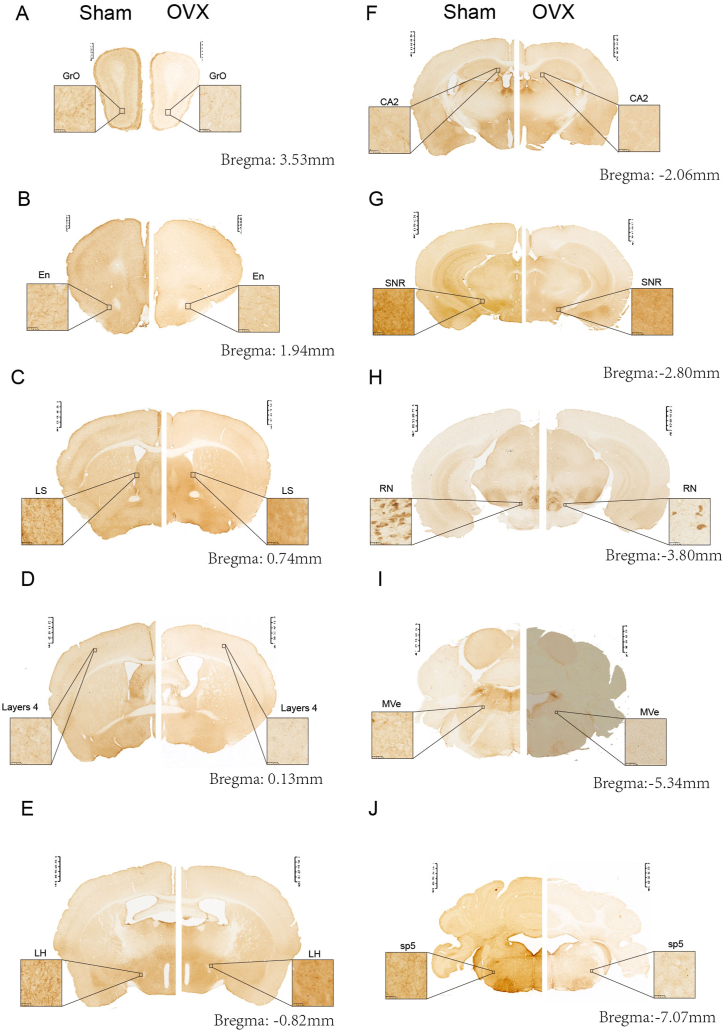
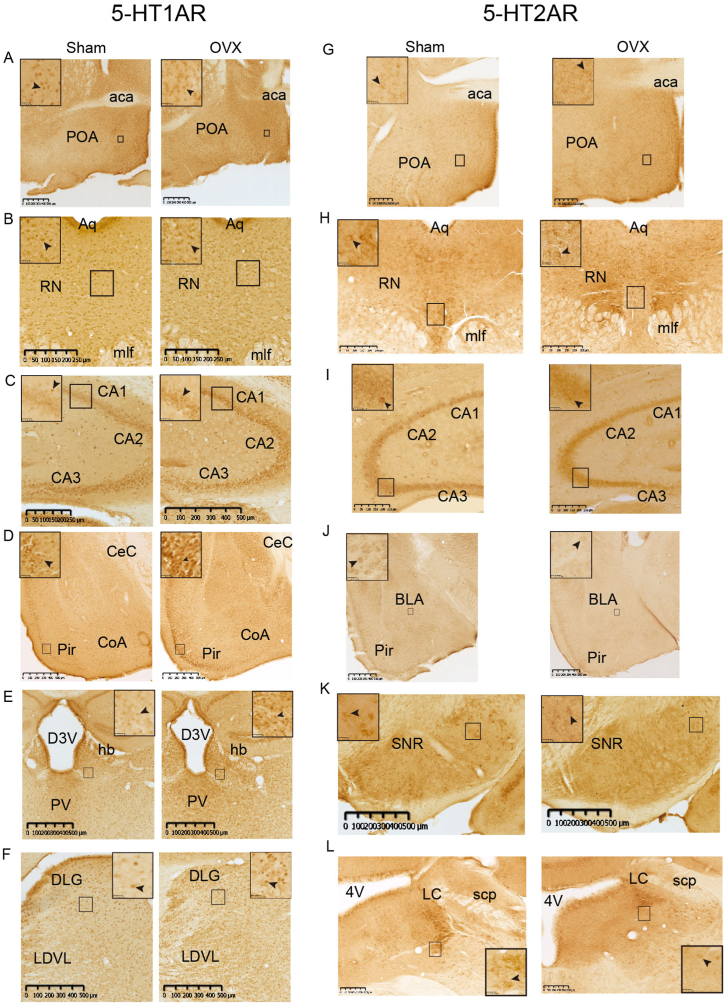
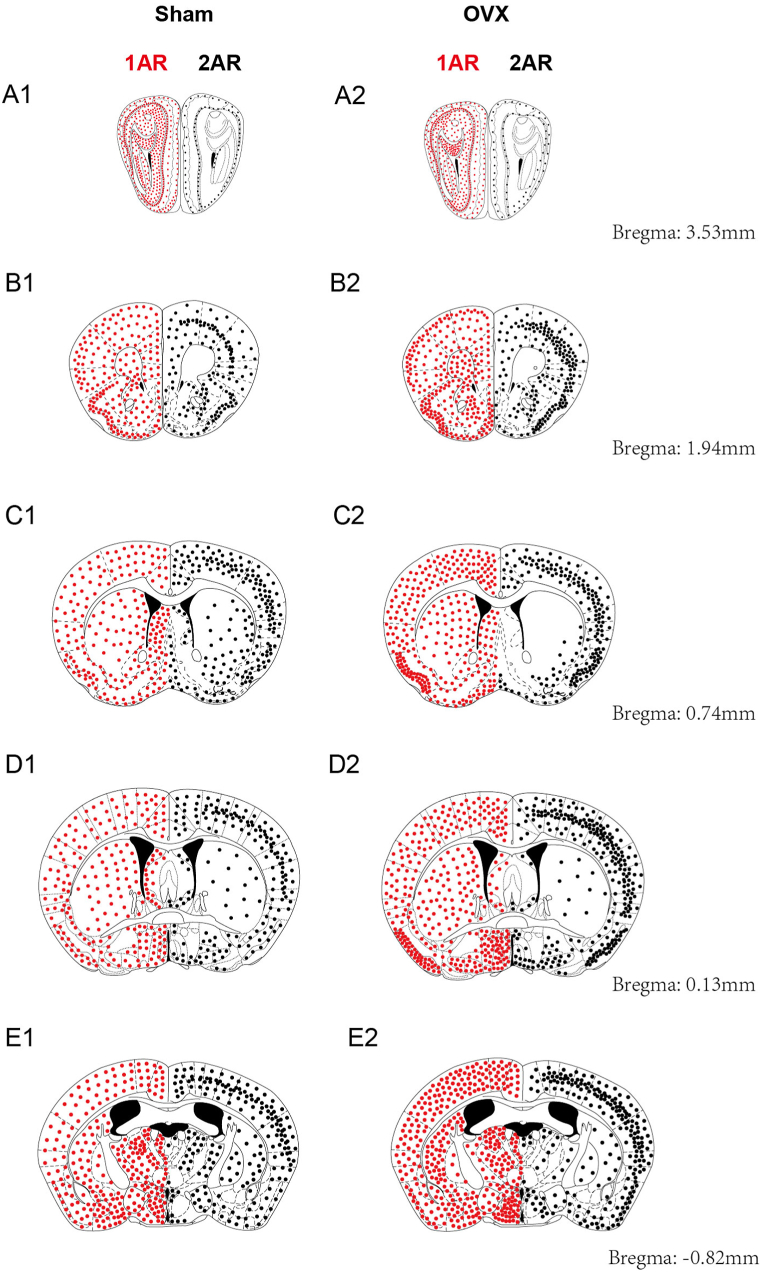
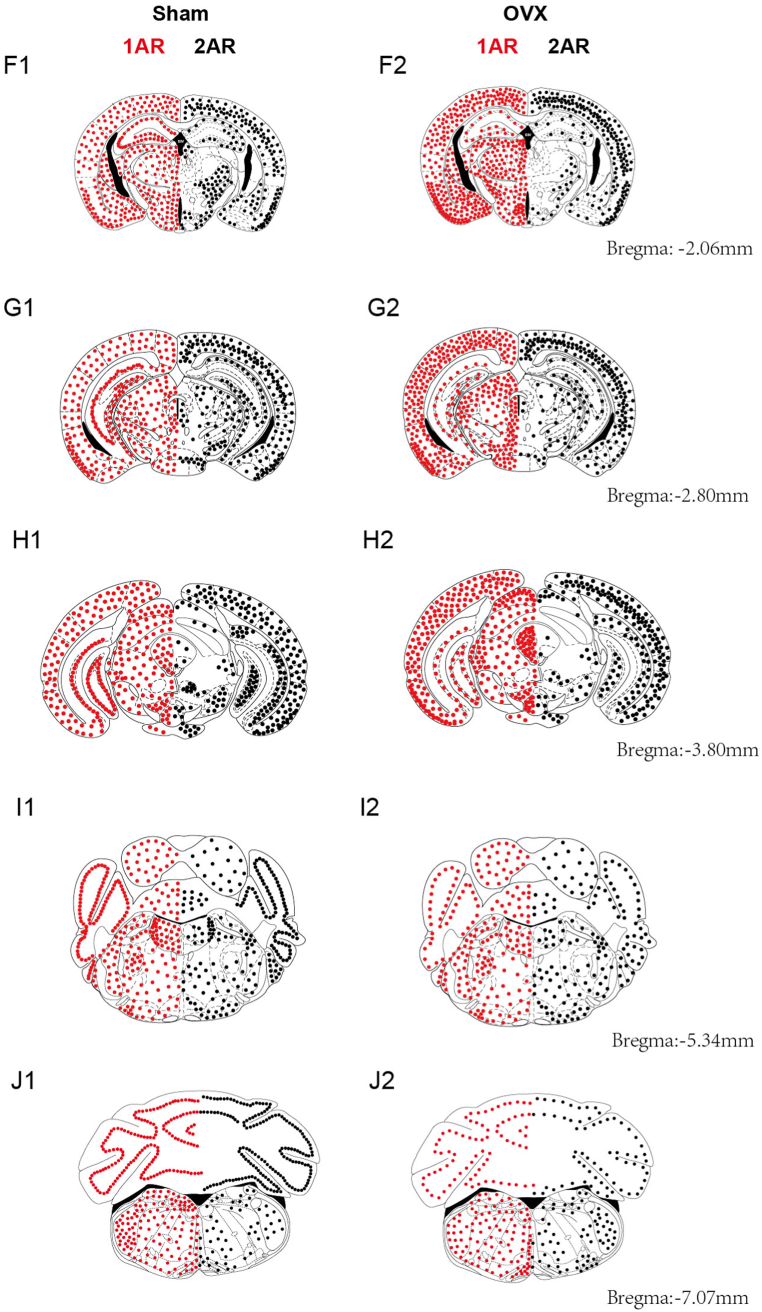
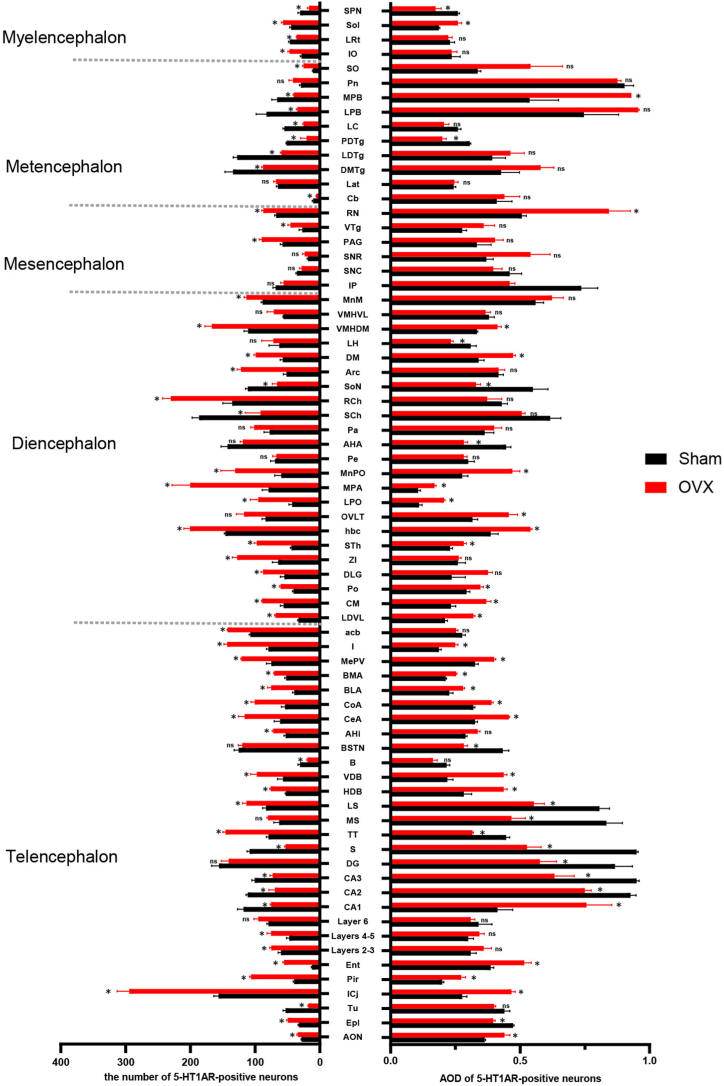
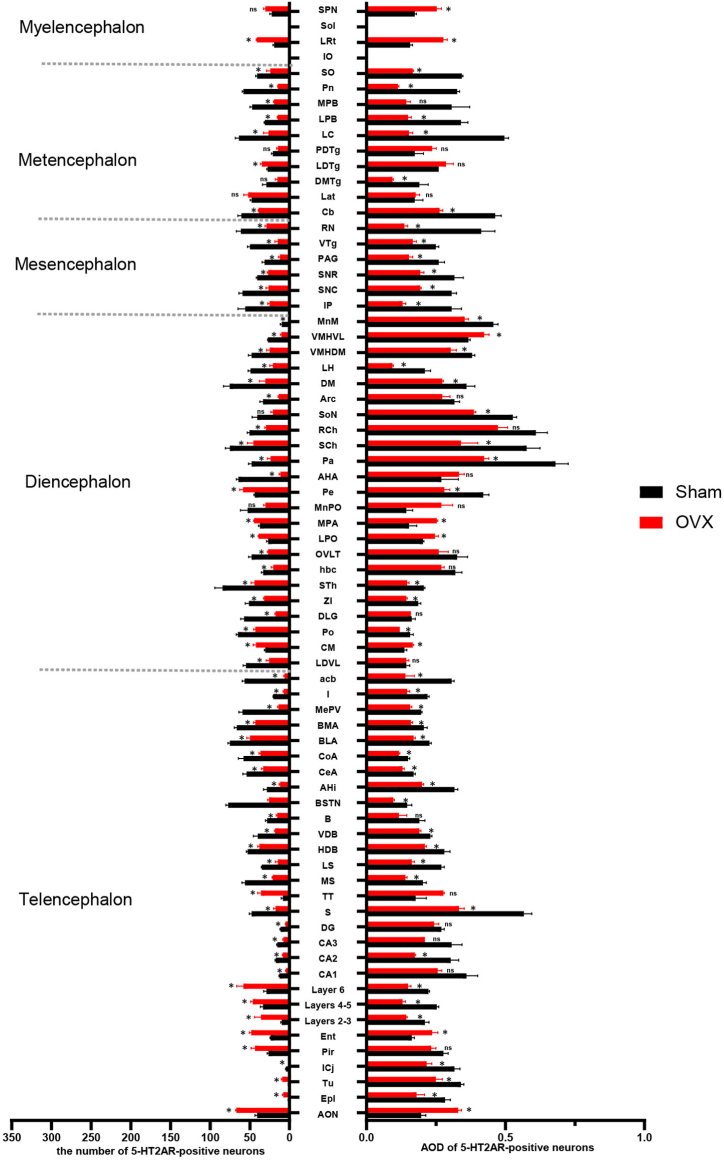
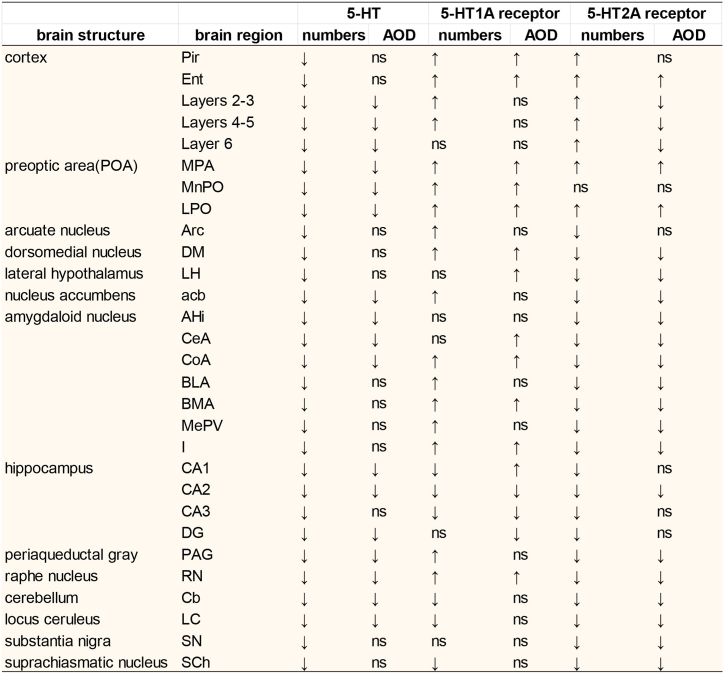
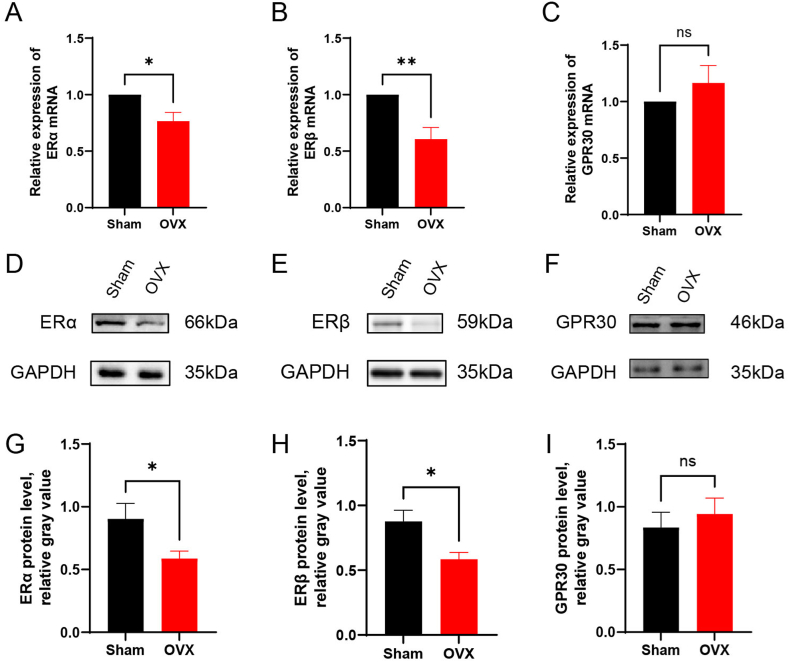
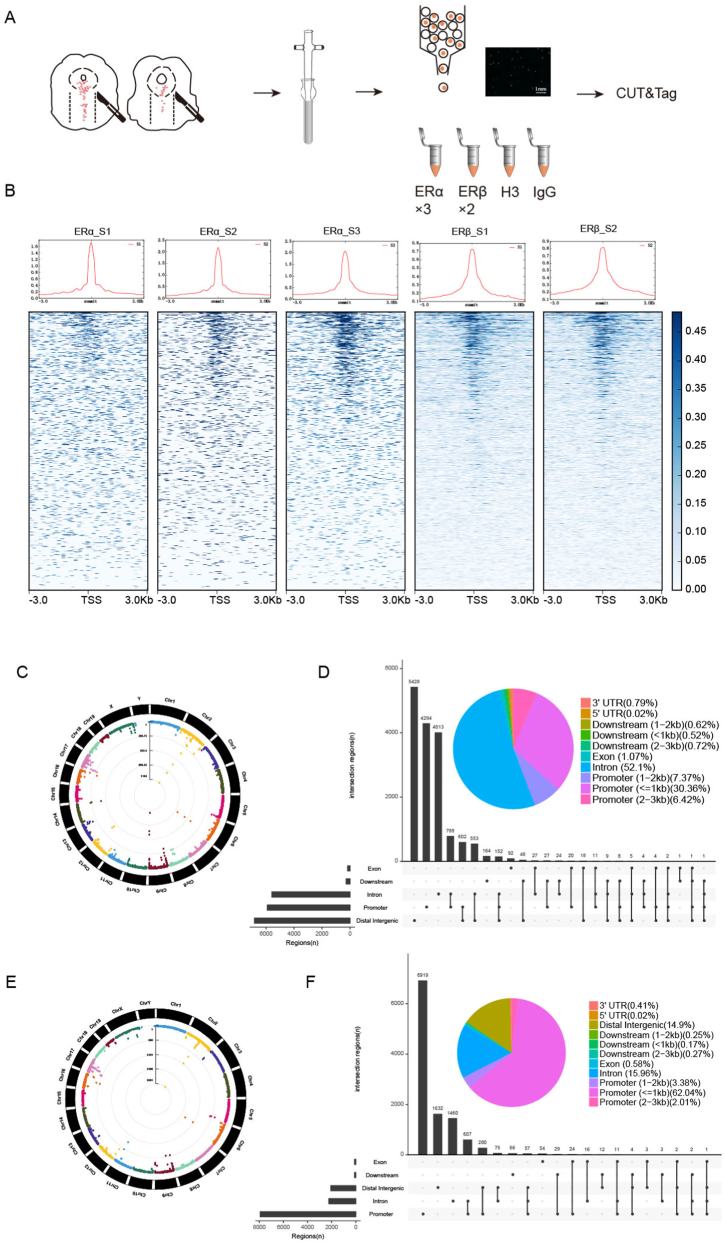
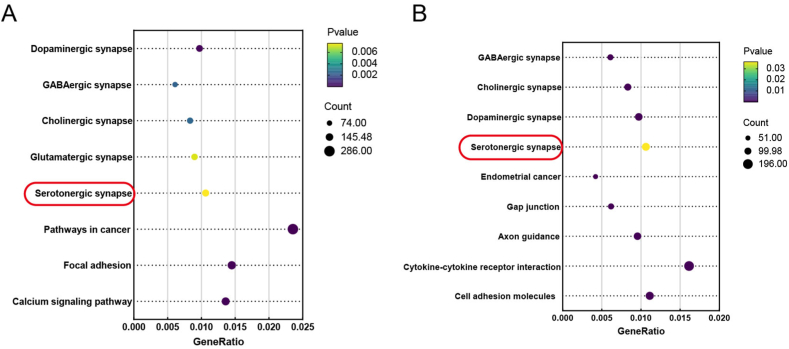
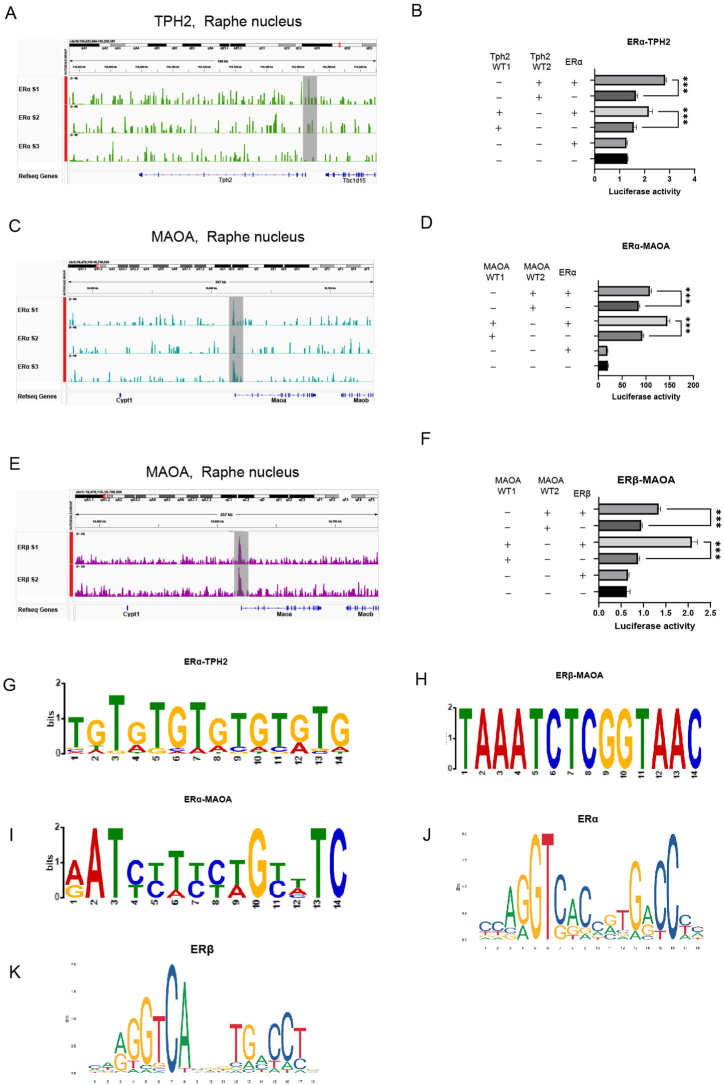
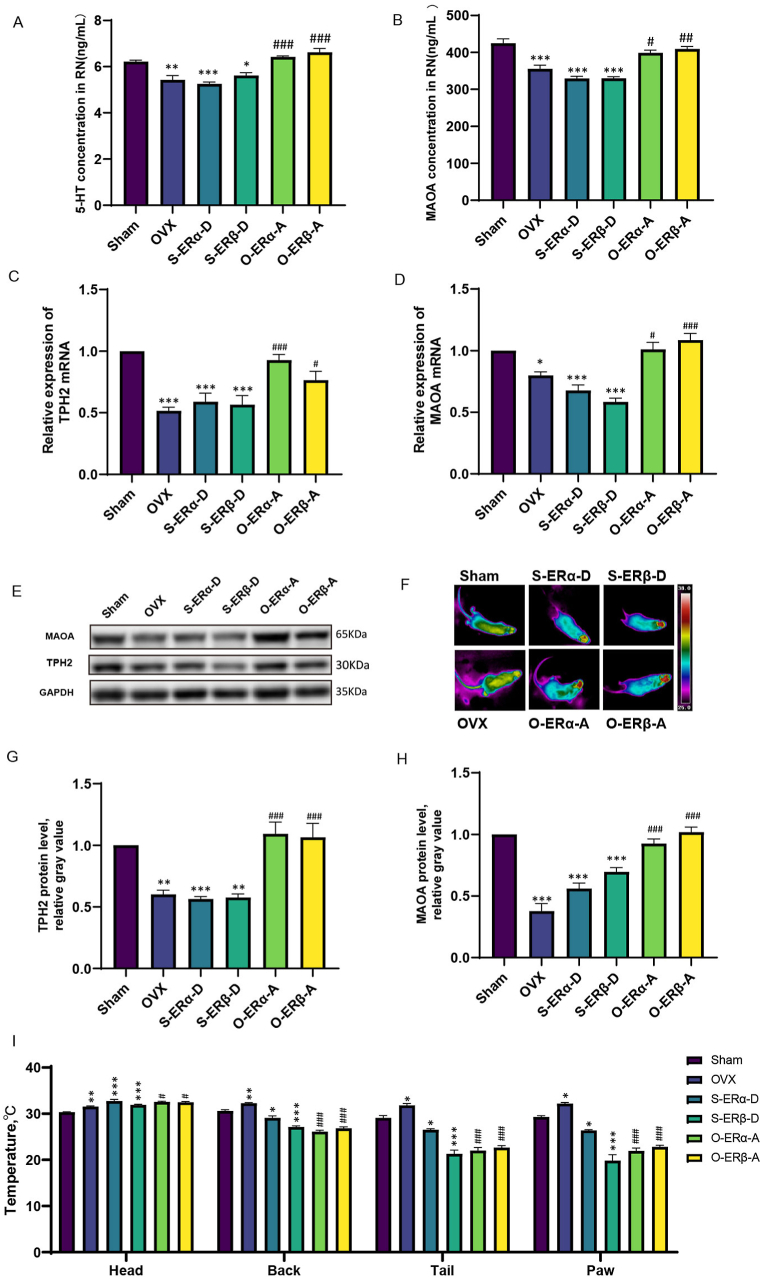
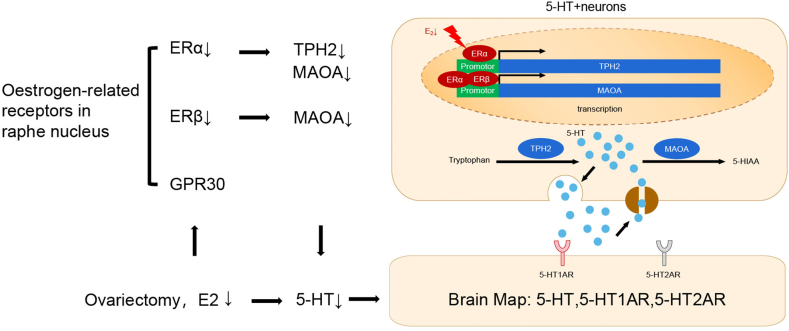
Perimenopausal syndrome (PMS) encompasses neuropsychiatric symptoms, such as hot flashes and depression, which are associated with alterations in the 5-HTergic neural pathway in the brain. However, the specific changes and mechanisms underlying these alterations remain unclear. In this study, ovariectomized mice were used to successfully establish a perimenopause model, and the changes in the expression of 5-HT and its receptors (5-HT1AR and 5-HT2AR) across 72 brain regions in these ovariectomized mice were assessed by immunohistochemistry. Although both 5-HT and 5-HT1AR were widely expressed throughout the brain, only a limited number of regions expressed 5-HT2AR. Notably, decreased expression of 5-HT was observed across almost all brain regions in the ovariectomy (OVX) group compared with the Sham group. Altered expression of both receptors was found within areas related to hot flashes (the preoptic area) or mood disorders (the amygdala). Additionally, reduced oestrogen receptor (ER)α/β expression was detected in cells in the raphe nucleus (RN), an area known to regulate body temperature. Results showed that ERα/β positively regulate the transcriptional activity of the enzymes TPH2/MAOA, which are involved in serotonin metabolism during perimenopause. This study revealed the changes in 5-HT neuropathways (5-HT, 5-HT1AR and 5-HT2AR) in perimenopausal mice, mainly in brain regions related to regulation of the body temperature, mood, sleep and memory. This study clarified that the expression of oestrogen receptor decreased in perimenopause, which regulated the transcription levels of TPH2 and MAOA, and ultimately led to the reduction of 5-HT content, providing a new target for clinical diagnosis and treatment of perimenopausal diseases.
围绝经期综合征(PMS)包括潮热和抑郁等神经精神症状,这些症状与大脑中5-羟色胺能神经通路的改变有关。然而,这些改变背后的具体变化和机制仍不清楚。在本研究中,使用去卵巢小鼠成功建立了围绝经期模型,并通过免疫组织化学评估了这些去卵巢小鼠72个脑区中5-羟色胺及其受体(5-HT1AR和5-HT2AR)表达的变化。尽管5-羟色胺和5-HT1AR在整个大脑中广泛表达,但只有有限数量的区域表达5-HT2AR。值得注意的是,与假手术组相比,去卵巢(OVX)组几乎所有脑区的5-羟色胺表达均降低。在与潮热相关的区域(视前区)或情绪障碍相关的区域(杏仁核)内发现了两种受体的表达改变。此外,在中缝核(RN)的细胞中检测到雌激素受体(ER)α/β表达降低,中缝核是已知调节体温的区域。结果表明,ERα/β正向调节参与围绝经期血清素代谢的酶TPH2/MAOA的转录活性。本研究揭示了围绝经期小鼠5-羟色胺神经通路(5-羟色胺、5-HT1AR和5-HT2AR)的变化,主要发生在与体温、情绪、睡眠和记忆调节相关的脑区。本研究阐明了围绝经期雌激素受体表达降低,其调节TPH2和MAOA的转录水平,最终导致5-羟色胺含量降低,为围绝经期疾病的临床诊断和治疗提供了新的靶点。