Nihei Wataru, Kato Ayako, Himeno Tatsuhito, Kondo Masaki, Nakamura Jiro, Kamiya Hideki, Sango Kazunori, Kato Koichi
Laboratory of Medicine, Aichi Gakuin University School of Pharmacy, Nagoya 464-8650, Japan.
Division of Diabetes, Department of Internal Medicine, Aichi Medical University School of Medicine, Nagakute 480-1195, Japan.
Neurol Int. 2024 Mar 19;16(2):370-379. doi: 10.3390/neurolint16020027.
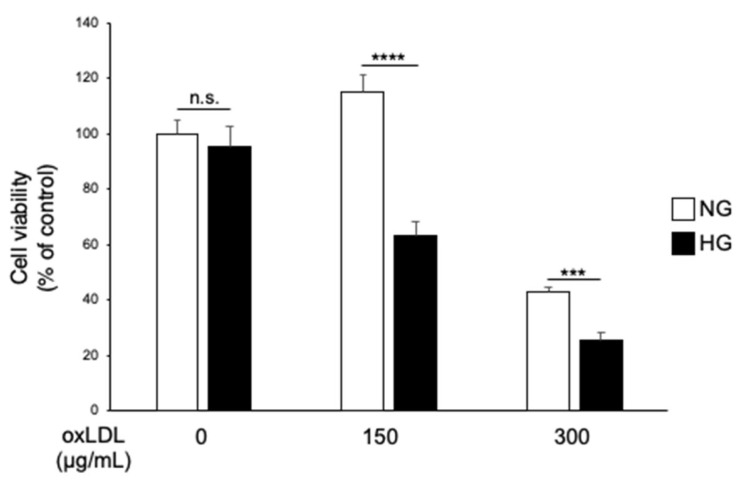
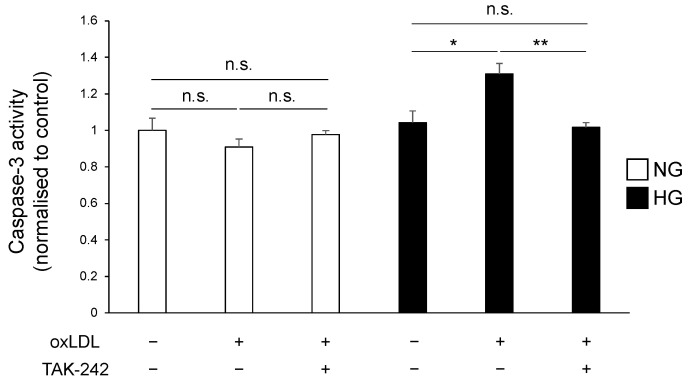
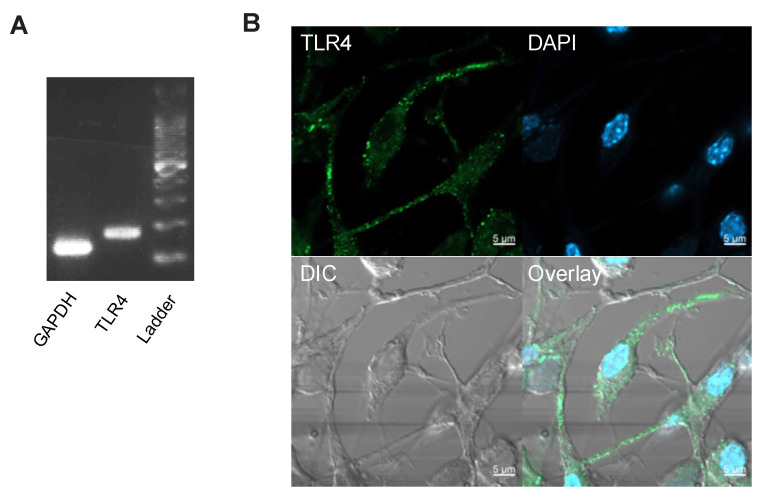
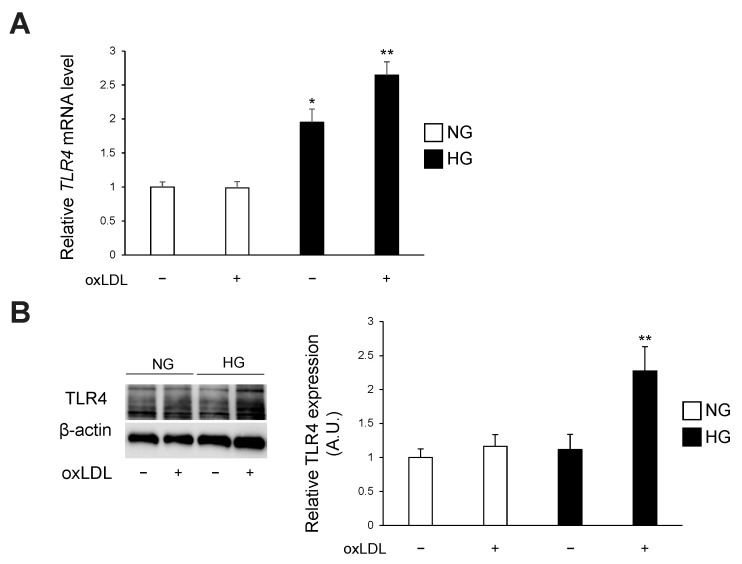
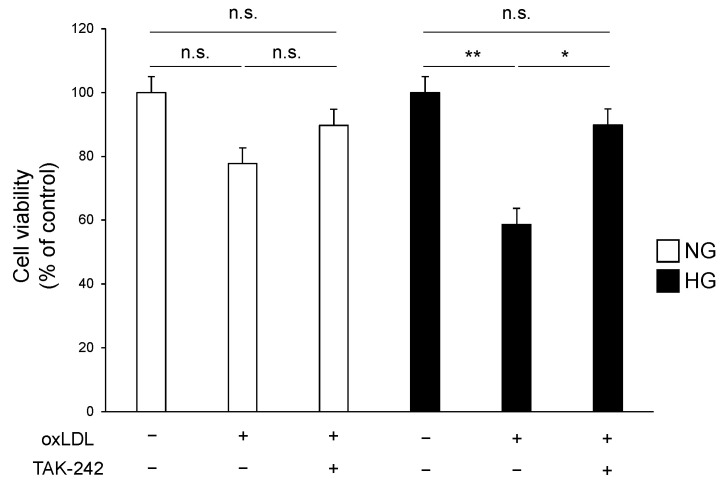
Increased low-density lipoprotein levels are risk factors for diabetic neuropathy. Diabetes mellitus is associated with elevated metabolic stress, leading to oxidised low-density lipoprotein formation. Therefore, it is important to investigate the mechanisms underlying the pathogenesis of diabetic neuropathy in diabetes complicated by dyslipidaemia with increased levels of oxidised low-density lipoprotein. Here, we examined the effects of hyperglycaemia and oxidised low-density lipoprotein treatment on Schwann cell death and its underlying mechanisms. Immortalised mouse Schwann cells were treated with oxidised low-density lipoprotein under normo- or hyperglycaemic conditions. We observed that oxidised low-density lipoprotein-induced cell death increased under hyperglycaemic conditions compared with normoglycaemic conditions. Moreover, hyperglycaemia and oxidised low-density lipoprotein treatment synergistically upregulated the gene and protein expression of toll-like receptor 4. Pre-treatment with TAK-242, a selective toll-like receptor 4 signalling inhibitor, attenuated hyperglycaemia- and oxidised low-density lipoprotein-induced cell death and apoptotic caspase-3 pathway. Our findings suggest that the hyperactivation of toll-like receptor 4 signalling by hyperglycaemia and elevated oxidised low-density lipoprotein levels synergistically exacerbated diabetic neuropathy; thus, it can be a potential therapeutic target for diabetic neuropathy.
低密度脂蛋白水平升高是糖尿病神经病变的危险因素。糖尿病与代谢应激增加相关,导致氧化型低密度脂蛋白的形成。因此,研究糖尿病合并血脂异常且氧化型低密度脂蛋白水平升高时糖尿病神经病变发病机制背后的机制很重要。在此,我们研究了高血糖和氧化型低密度脂蛋白处理对雪旺细胞死亡及其潜在机制的影响。在正常血糖或高血糖条件下,用氧化型低密度脂蛋白处理永生化小鼠雪旺细胞。我们观察到,与正常血糖条件相比,高血糖条件下氧化型低密度脂蛋白诱导的细胞死亡增加。此外,高血糖和氧化型低密度脂蛋白处理协同上调了Toll样受体4的基因和蛋白表达。用选择性Toll样受体4信号抑制剂TAK - 242预处理可减轻高血糖和氧化型低密度脂蛋白诱导的细胞死亡及凋亡性半胱天冬酶 - 3途径。我们的研究结果表明,高血糖和升高的氧化型低密度脂蛋白水平导致的Toll样受体4信号过度激活协同加剧了糖尿病神经病变;因此,它可能是糖尿病神经病变的一个潜在治疗靶点。