Department of Pharmacology, University of Colorado Anschutz Medical Campus, Aurora, Colorado.
Department of Urology, Erasmus MC Cancer Institute, Erasmus University Medical Center Rotterdam, Rotterdam, the Netherlands.
Cancer Res. 2024 May 15;84(10):1699-1718. doi: 10.1158/0008-5472.CAN-23-1976.
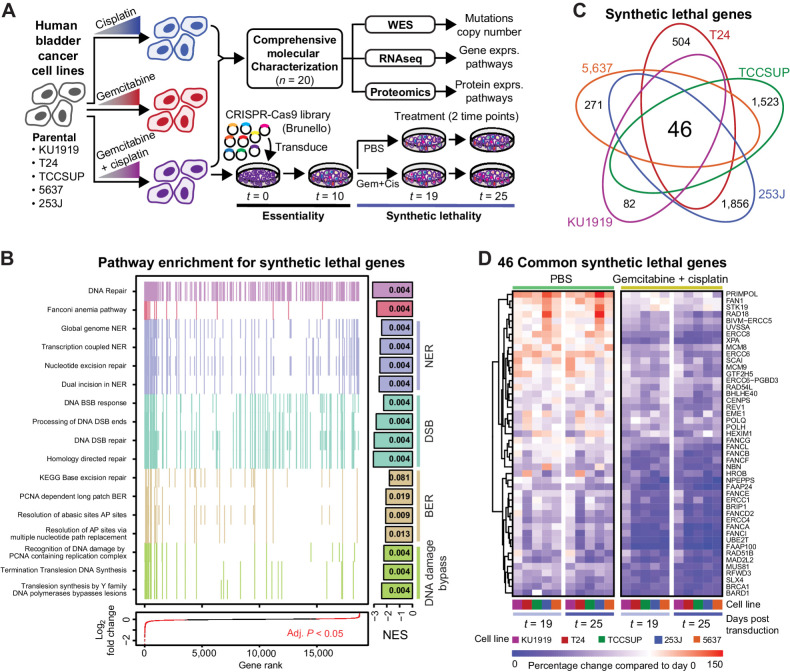
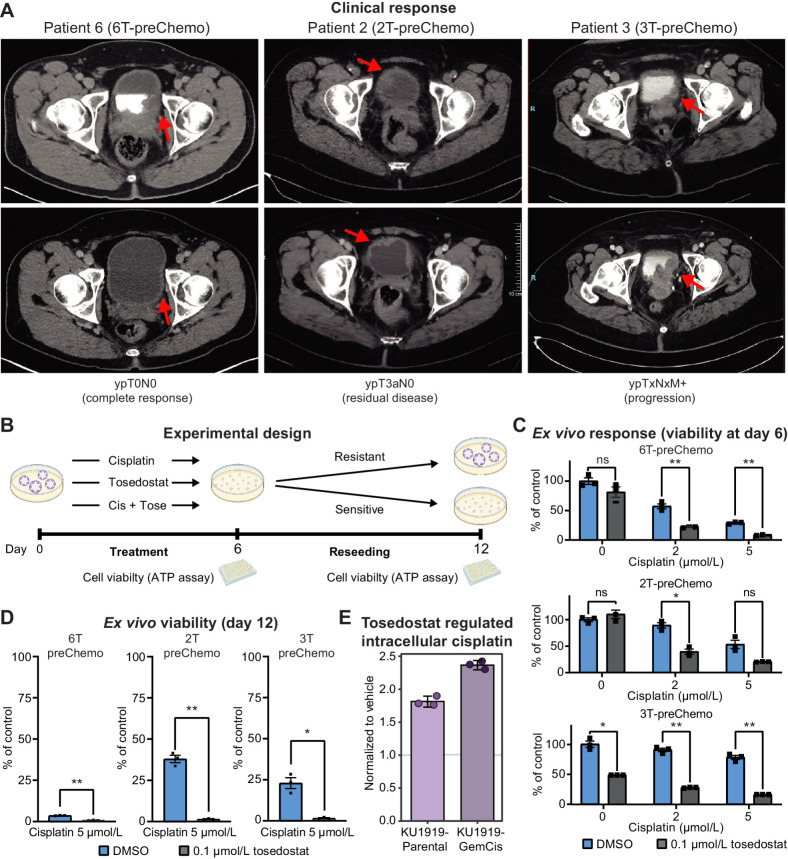
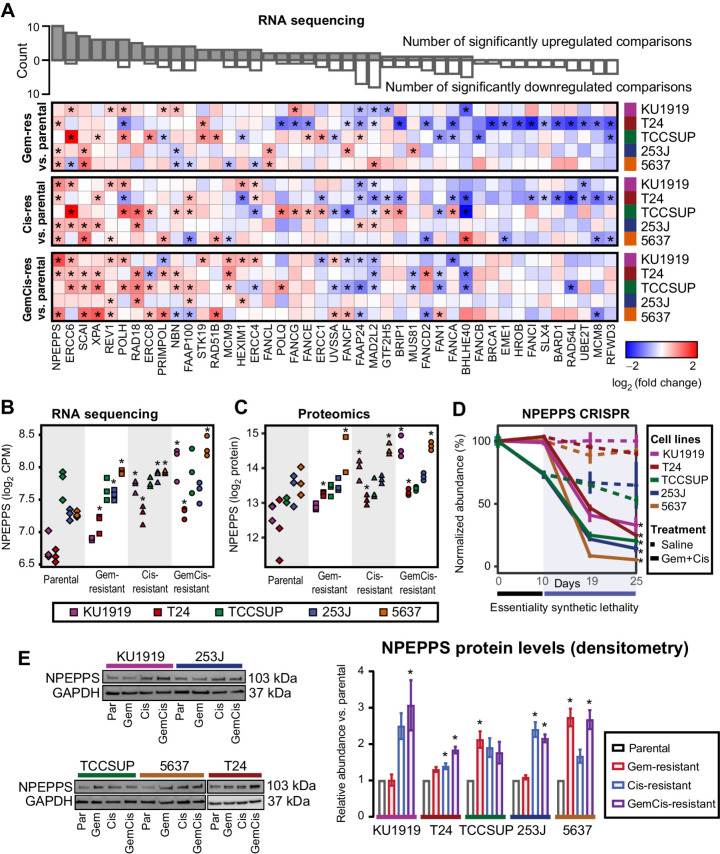
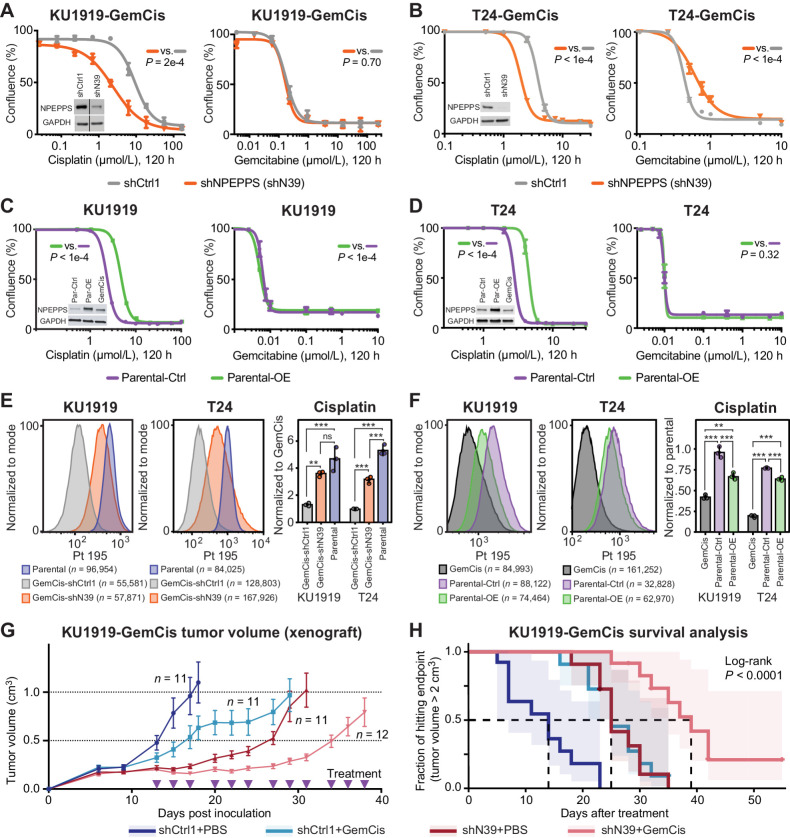
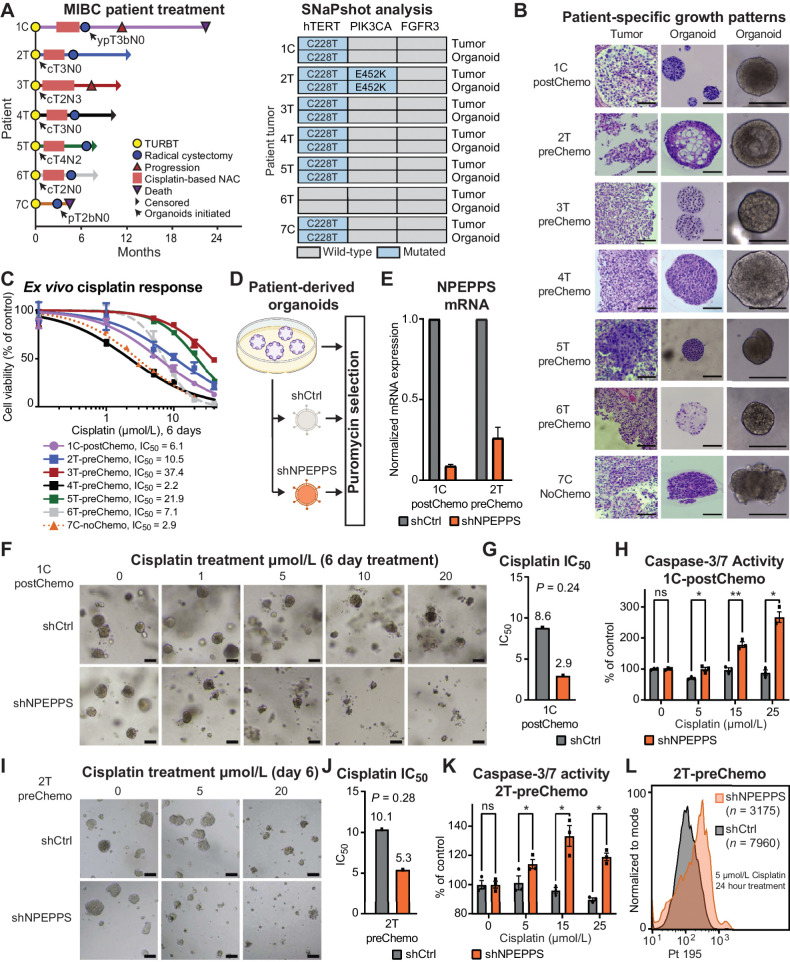
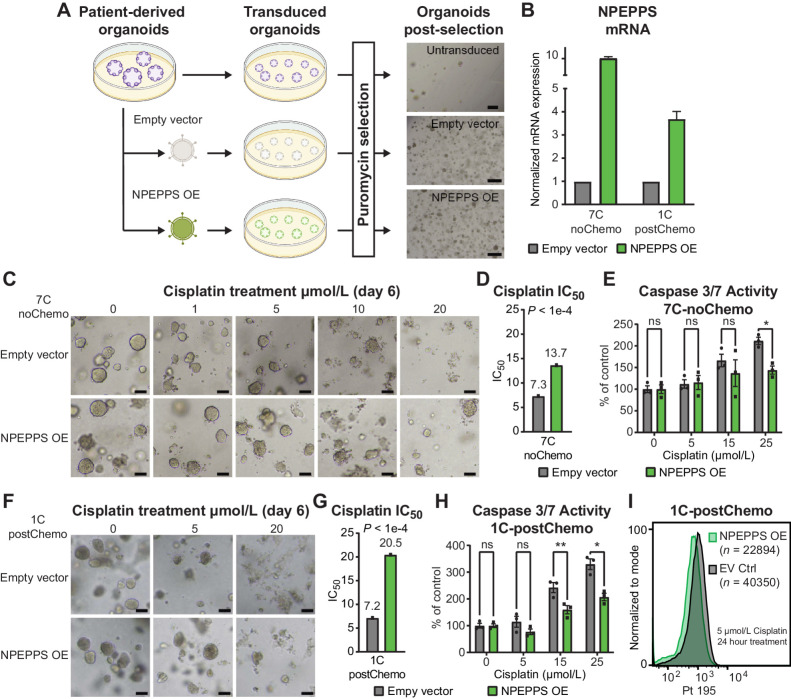
There is an unmet need to improve the efficacy of platinum-based cancer chemotherapy, which is used in primary and metastatic settings in many cancer types. In bladder cancer, platinum-based chemotherapy leads to better outcomes in a subset of patients when used in the neoadjuvant setting or in combination with immunotherapy for advanced disease. Despite such promising results, extending the benefits of platinum drugs to a greater number of patients is highly desirable. Using the multiomic assessment of cisplatin-responsive and -resistant human bladder cancer cell lines and whole-genome CRISPR screens, we identified puromycin-sensitive aminopeptidase (NPEPPS) as a driver of cisplatin resistance. NPEPPS depletion sensitized resistant bladder cancer cells to cisplatin in vitro and in vivo. Conversely, overexpression of NPEPPS in sensitive cells increased cisplatin resistance. NPEPPS affected treatment response by regulating intracellular cisplatin concentrations. Patient-derived organoids (PDO) generated from bladder cancer samples before and after cisplatin-based treatment, and from patients who did not receive cisplatin, were evaluated for sensitivity to cisplatin, which was concordant with clinical response. In the PDOs, depletion or pharmacologic inhibition of NPEPPS increased cisplatin sensitivity, while NPEPPS overexpression conferred resistance. Our data present NPEPPS as a druggable driver of cisplatin resistance by regulating intracellular cisplatin concentrations.
Targeting NPEPPS, which induces cisplatin resistance by controlling intracellular drug concentrations, is a potential strategy to improve patient responses to platinum-based therapies and lower treatment-associated toxicities.
提高铂类癌症化疗疗效的需求尚未得到满足,这种化疗方法在许多癌症类型的原发和转移治疗中都有应用。在膀胱癌中,铂类化疗在新辅助治疗环境中或与免疫疗法联合用于晚期疾病时,可使一部分患者获得更好的结果。尽管取得了如此有希望的结果,但仍强烈希望将铂类药物的益处扩展到更多的患者。通过对顺铂反应和耐药的人膀胱癌细胞系和全基因组 CRISPR 筛选的多组学评估,我们发现嘌呤霉素敏感氨肽酶(NPEPPS)是顺铂耐药的驱动因素。NPEPPS 耗竭可使耐药膀胱癌细胞在体外和体内对顺铂敏感。相反,在敏感细胞中过表达 NPEPPS 会增加顺铂耐药性。NPEPPS 通过调节细胞内顺铂浓度来影响治疗反应。从接受基于顺铂的治疗前后以及未接受顺铂治疗的膀胱癌样本中生成的患者来源类器官(PDO)被评估对顺铂的敏感性,这与临床反应一致。在 PDO 中,NPEPPS 的耗竭或药理学抑制增加了顺铂的敏感性,而 NPEPPS 的过表达则赋予了耐药性。我们的数据表明,通过调节细胞内顺铂浓度,NPEPPS 可作为顺铂耐药的可靶向驱动因素。
通过控制细胞内药物浓度诱导顺铂耐药的 NPEPPS 是提高患者对铂类治疗反应和降低治疗相关毒性的潜在策略。