Department of Ophthalmology and Visual Science, Universidade Federal de São Paulo, São Paulo, SP, Brazil.
Divisão de Vigilância Epidemiológica, Vigilância Sanitária, São Paulo, SP, Brazil.
Arq Bras Oftalmol. 2024 Mar 22;87(3):e20220374. doi: 10.5935/0004-2749.2022-0374. eCollection 2024.
To describe a 2019 acute toxoplasmosis outbreak in the city of São Paulo, Brazil, and to evaluate the laboratory serological profile for toxoplasmosis for three consecutive years. The ophthalmological manifestations of the patients involved in the outbreak were also studied.
A cross-sectional descriptive study of a toxoplasmosis outbreak in São Paulo, Brazil, between February and May 2019. Epidemiological data were described, as were the observed ocular manifestations. As part of this study the number of patients with positive IgM toxoplasmosis serology was obtained from a large laboratory network (DASA) for three consecutive years, including the year of the outbreak (2018, 2019, 2020).
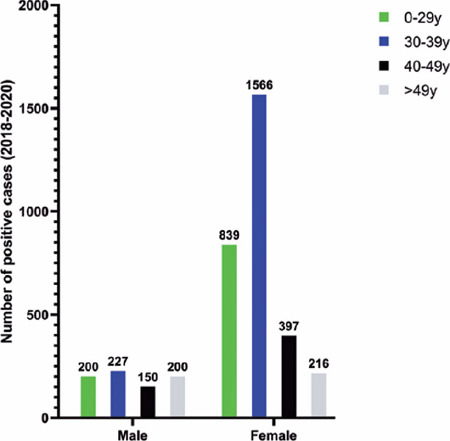
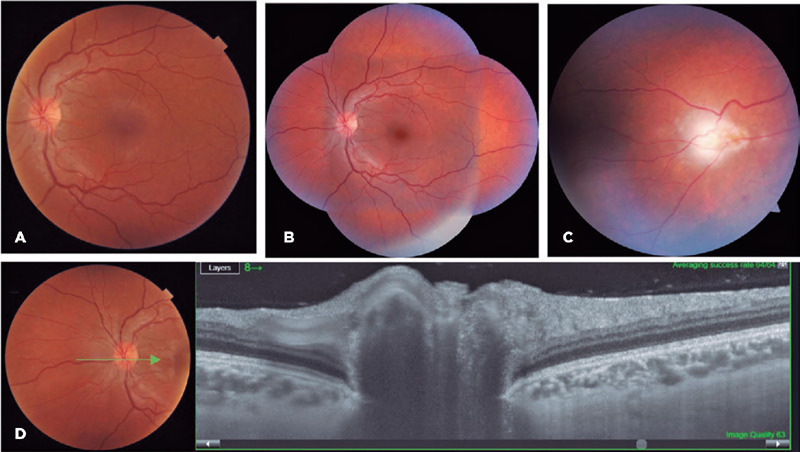
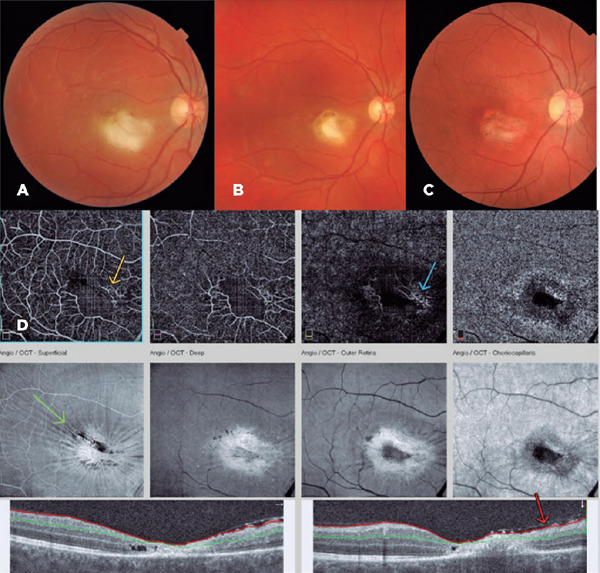
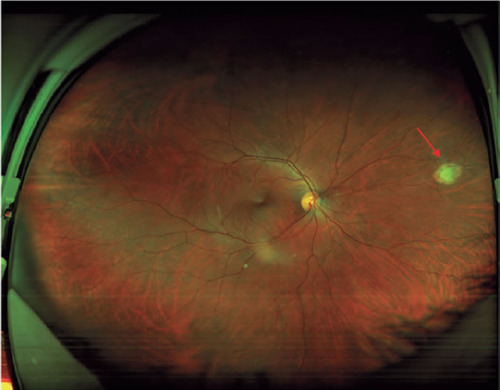
Eighty-three individuals were identified in the outbreak and two clusters were studied. The clinical picture of at least 77% of the patients, the epidemiological analysis, and the short incubation period (5-8 days) suggested contamination by oocysts. Serological laboratory data analysis revealed an increase of positive toxoplasmosis IgM in 2019 of 73% compared to the previous year. Ophthalmological examination revealed that at least 4.8% of the patients developed toxoplasmic retinochoroiditis, none of whom had been treated during the acute systemic disease.
Our findings indicate vegetable contamination as the possible source of this outbreak, a high prevalence of toxoplasmosis in São Paulo during the outbreak period, and a drop in the number of tests during the COVID-19 pandemic. Retinochoroiditis was observed in at least 4.8% of the cases. We confirm the need to implement effective means for the prevention, diagnosis, and treatment of the disease. This may involve raising awareness among the population of the importance of vegetable hygiene, and improved quality control of food and water.
描述巴西圣保罗市 2019 年急性弓形虫病暴发,并评估连续三年的弓形虫病实验室血清学特征。还研究了暴发中涉及的患者的眼部表现。
这是一项关于巴西圣保罗市 2019 年弓形虫病暴发的横断面描述性研究。描述了流行病学数据和观察到的眼部表现。作为本研究的一部分,从一个大型实验室网络(DASA)获得了连续三年(包括暴发年份 2018 年、2019 年和 2020 年)的阳性 IgM 弓形虫病血清学患者数量。
在暴发中确定了 83 名个体,并研究了两个集群。至少 77%的患者的临床表现、流行病学分析和较短的潜伏期(5-8 天)提示是由卵囊污染引起的。血清学实验室数据分析显示,与前一年相比,2019 年阳性弓形虫病 IgM 增加了 73%。眼科检查显示,至少有 4.8%的患者发生了弓形虫性视网膜炎脉络膜炎,急性全身疾病期间均未接受治疗。
我们的研究结果表明,蔬菜污染可能是此次暴发的源头,在暴发期间,圣保罗的弓形虫病发病率很高,而在 COVID-19 大流行期间,检测数量下降。至少有 4.8%的病例观察到视网膜炎脉络膜炎。我们确认需要实施有效的预防、诊断和治疗疾病的措施。这可能涉及提高公众对蔬菜卫生重要性的认识,以及加强对食品和水的质量控制。