Eggeling Jakob, Gao Chuansi, An Dong, Cruz-Cano Raul, He Hao, Zhang Linus, Wang Yu-Chun, Sapkota Amir
Aerosol and Climate Laboratory, Division of Ergonomics and Aerosol Technology, Department of Design Sciences, Faculty of Engineering (LTH), Lund University, Lund, Sweden.
Division of Water Resources Engineering, Faculty of Engineering (LTH), Lund University, Lund, Sweden.
Sci Rep. 2024 Mar 28;14(1):7448. doi: 10.1038/s41598-024-58288-0.
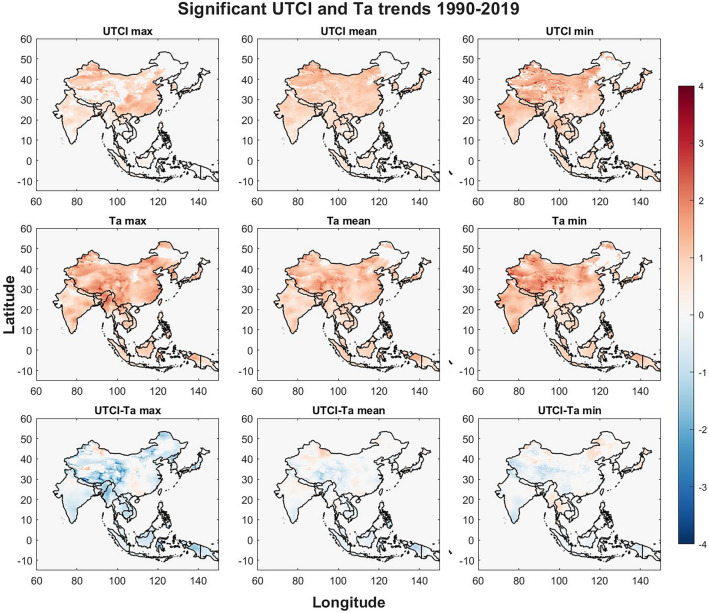
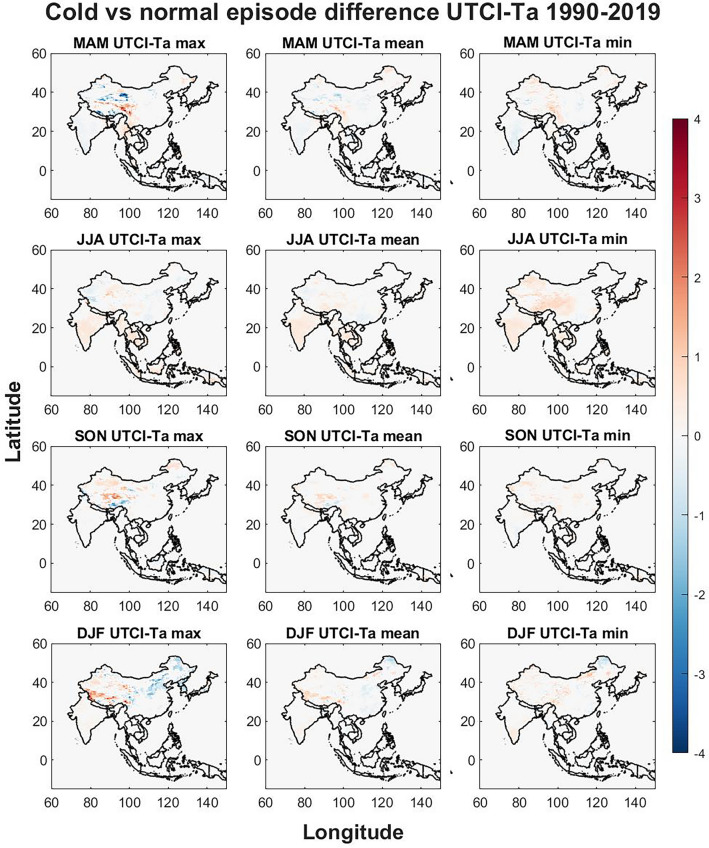
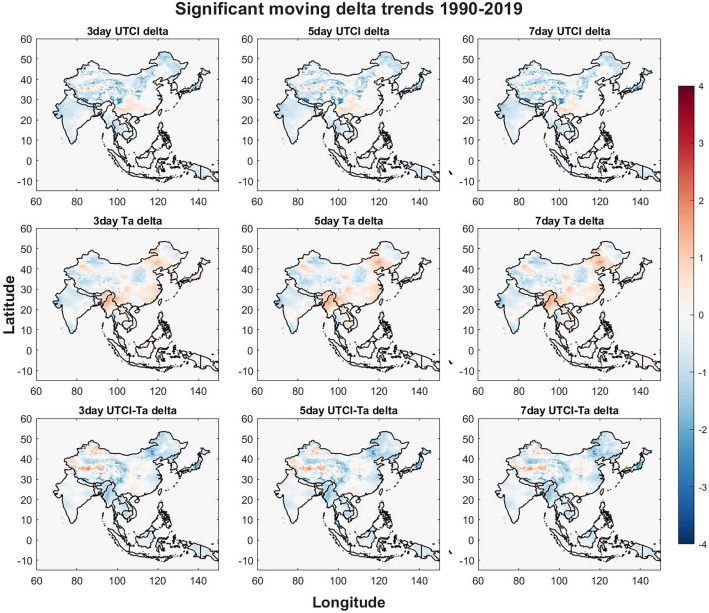
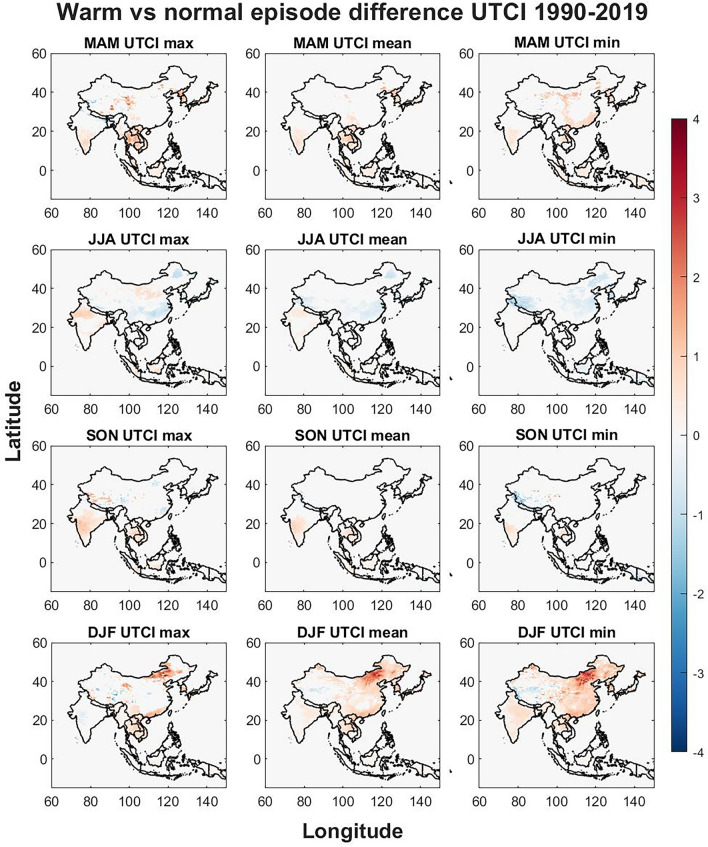
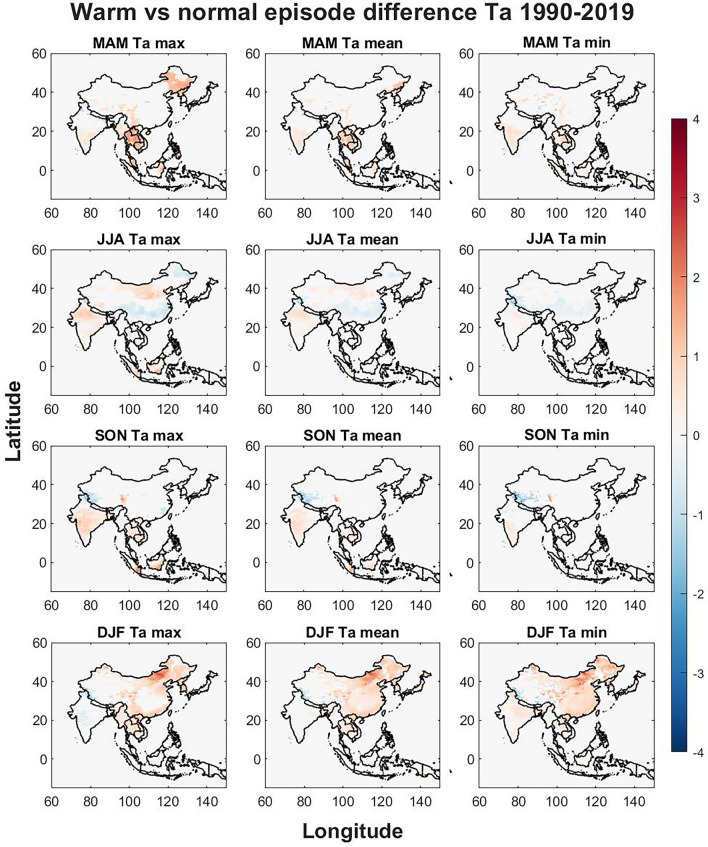
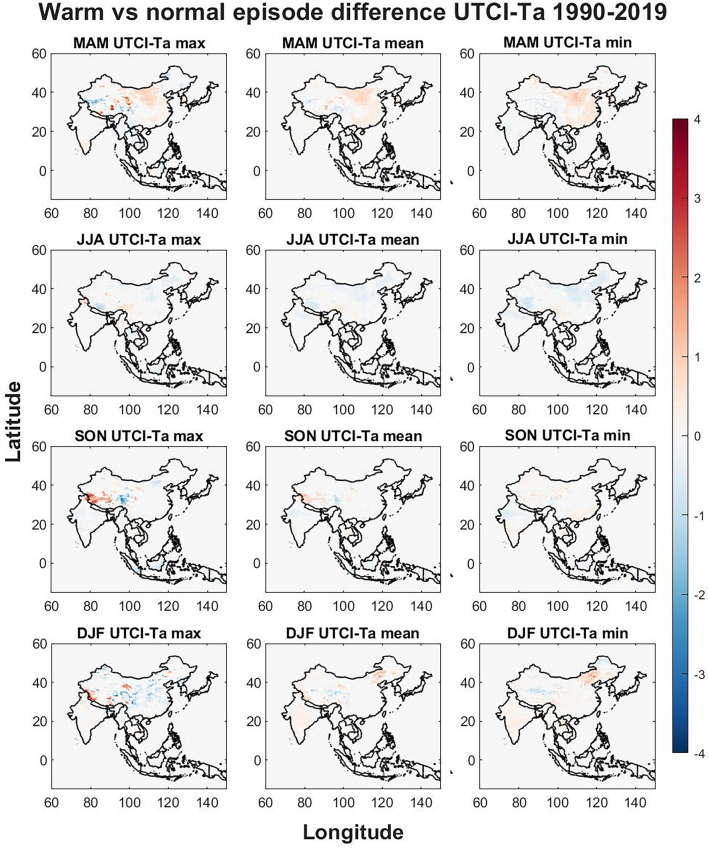
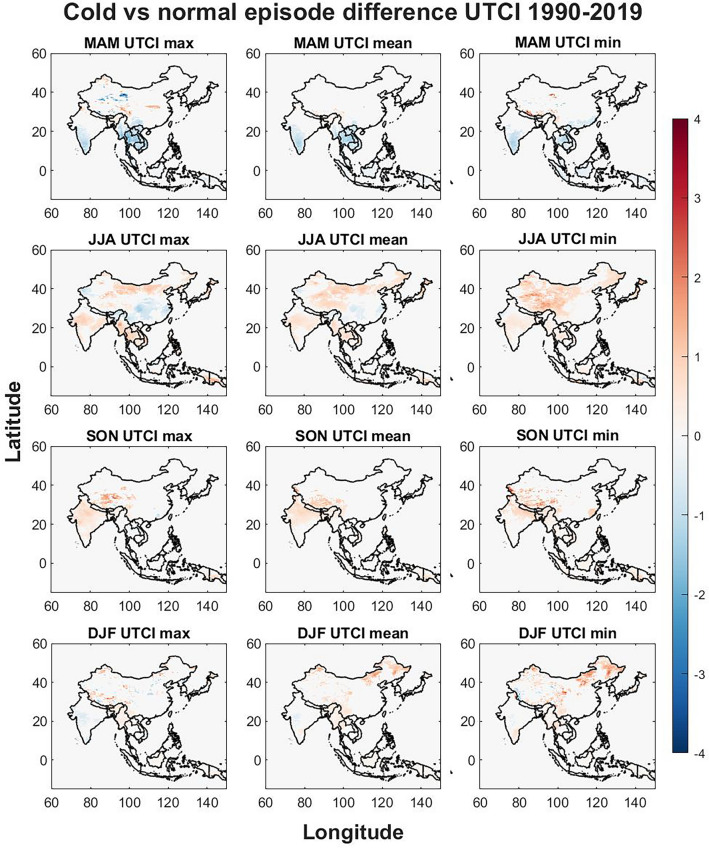
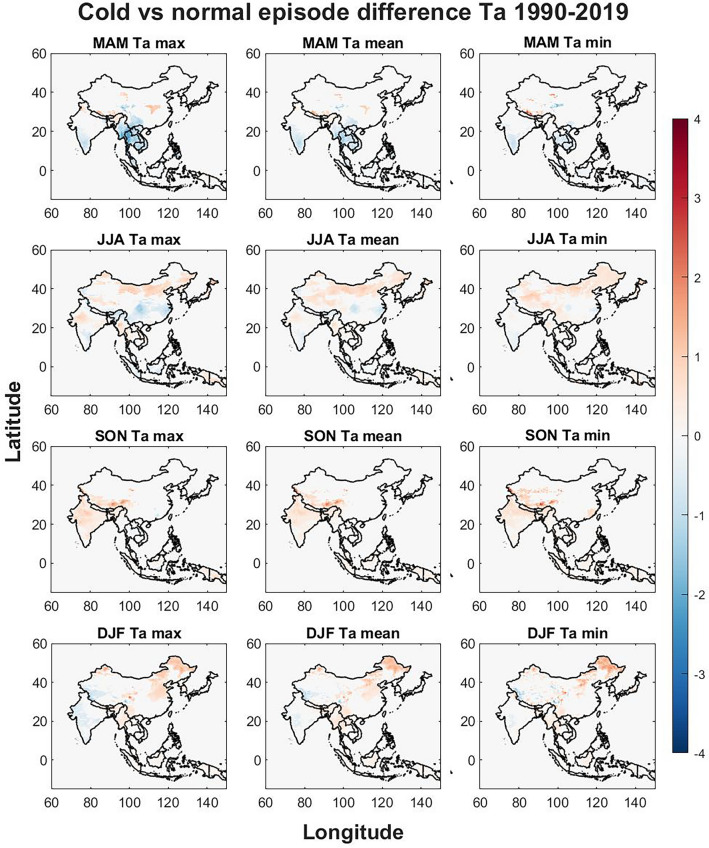
Climate change is closely monitored and numerous studies reports increasing air temperature and weather extremes across the globe. As a direct consequence of the increase of global temperature, the increased heat stress is becoming a global threat to public health. While most climate change and epidemiological studies focus on air temperature to explain the increasing risks, heat strain can be predicted using comprehensive indices such as Universal Thermal Climate Index (UTCI). The Asia-Pacific region is prone to thermal stress and the high population densities in the region impose high health risk. This study evaluated the air temperature and UTCI trends between 1990 and 2019 and found significant increasing trends for air temperature for the whole region while the increases of UTCI are not as pronounced and mainly found in the northern part of the region. These results indicate that even though air temperature is increasing, the risks of heat stress when assessed using UTCI may be alleviated by other factors. The associations between El Niño Southern Oscillation (ENSO) and heat stress was evaluated on a seasonal level and the strongest regional responses were found during December-January (DJF) and March-May (MAM).
气候变化受到密切监测,众多研究报告称全球气温上升且极端天气事件增多。作为全球气温上升的直接后果,热应激增加正成为对公众健康的全球威胁。虽然大多数气候变化和流行病学研究聚焦于气温来解释不断增加的风险,但热应变可用诸如通用热气候指数(UTCI)等综合指数来预测。亚太地区易受热应激影响,该地区的高人口密度带来了很高的健康风险。本研究评估了1990年至2019年期间的气温和UTCI趋势,发现整个地区的气温呈显著上升趋势,而UTCI的上升不那么明显,主要出现在该地区北部。这些结果表明,尽管气温在上升,但使用UTCI评估时,热应激风险可能会受到其他因素的缓解。在季节层面评估了厄尔尼诺南方涛动(ENSO)与热应激之间的关联,发现最强的区域反应出现在12月至1月(DJF)和3月至5月(MAM)期间。