Somere Kristīne, Munkevics Maris, Krams Ronalds, Rača Gunta, Luoto Severi, Krams Indrikis
Department of Human and Animal Physiology, University of Latvia, Riga, Latvia.
Department of Zoology and Animal Ecology, University of Latvia, Riga, Latvia.
Front Psychiatry. 2024 Mar 14;15:1345455. doi: 10.3389/fpsyt.2024.1345455. eCollection 2024.
Although some findings indicate that yoga can reduce stress and anxiety, many studies present mixed results. The potential of yoga interventions to alleviate anxiety, including the mechanisms and boundary conditions by which it does so, is an under-researched topic. Anxiety is often divided into "state anxiety" and "trait anxiety," the former being a temporary reaction to stressful events, while the latter is a more stable personality feature that responds to adverse situations or perceived threats.
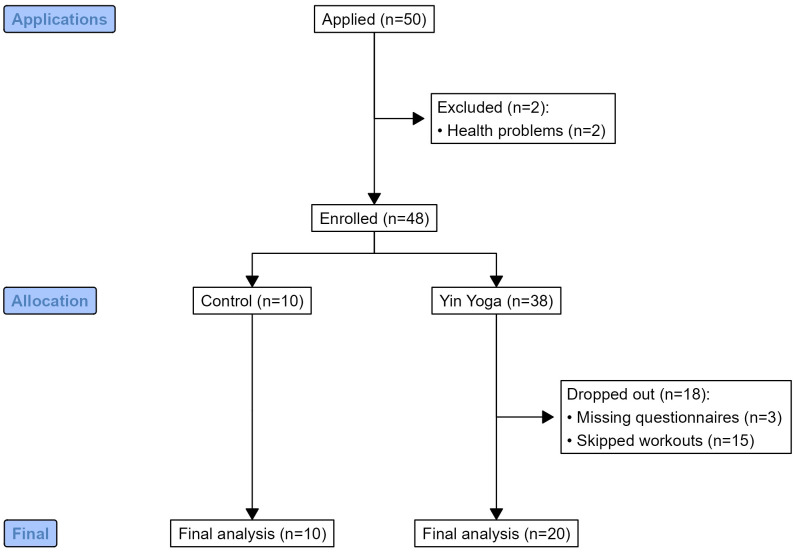
This study investigates whether a yin yoga intervention delivered online reduces state anxiety immediately after each yoga session and whether the anxiety levels are significantly lower at the end of the 10-week yoga intervention than at the beginning of the study. We also predicted no effect of yin yoga intervention on trait anxiety. The study was conducted during the COVID-19 pandemic when participants ( = 48 Latvian women) experienced heightened anxiety levels.
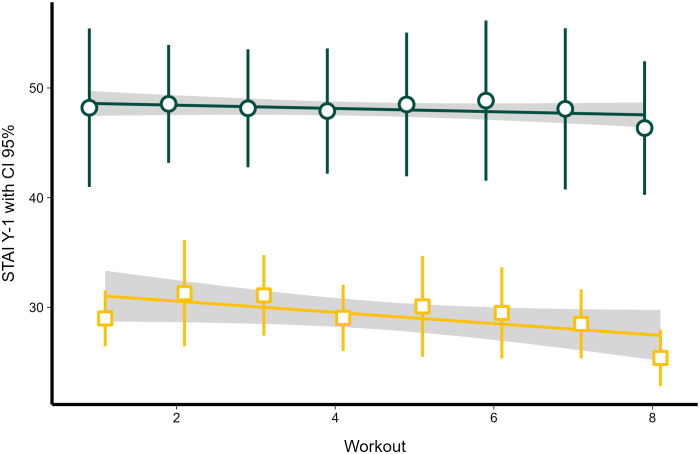
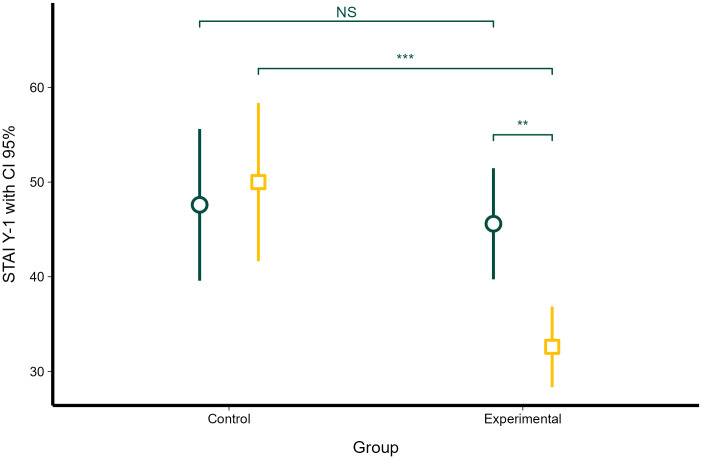
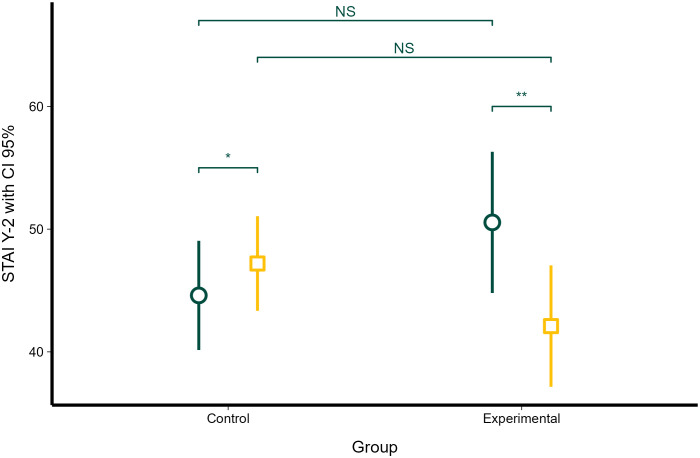
This study shows that a ten-week online yin yoga intervention significantly reduced state anxiety in the intervention group compared with the control group. State anxiety levels also significantly decreased after yin yoga session, providing more support for the anxiety-reducing effect of yin yoga. In contrast, yoga participation did not cause differences in trait anxiety between the control and intervention groups, even though trait anxiety decreased in the intervention group and increased in the control group over the study period.
The positive effects of yin yoga on state anxiety indicate the potential of yin yoga intervention as a first-line treatment to control and reduce state anxiety, with possible additional effects on trait anxiety.
尽管一些研究结果表明瑜伽可以减轻压力和焦虑,但许多研究呈现出复杂的结果。瑜伽干预缓解焦虑的潜力,包括其作用机制和边界条件,是一个研究不足的主题。焦虑通常分为“状态焦虑”和“特质焦虑”,前者是对压力事件的临时反应,而后者是一种更稳定的人格特征,对不利情况或感知到的威胁做出反应。
本研究调查在线进行的阴瑜伽干预是否能在每次瑜伽课程结束后立即降低状态焦虑,以及在为期10周的瑜伽干预结束时焦虑水平是否显著低于研究开始时。我们还预测阴瑜伽干预对特质焦虑没有影响。该研究在新冠疫情期间进行,当时参与者(48名拉脱维亚女性)的焦虑水平有所升高。
本研究表明,与对照组相比,为期10周的在线阴瑜伽干预显著降低了干预组的状态焦虑。每次阴瑜伽课程后,状态焦虑水平也显著下降,为阴瑜伽的抗焦虑效果提供了更多支持。相比之下,尽管在研究期间干预组的特质焦虑有所下降,对照组的特质焦虑有所增加,但瑜伽参与并未导致对照组和干预组在特质焦虑方面出现差异。
阴瑜伽对状态焦虑的积极影响表明,阴瑜伽干预作为控制和降低状态焦虑的一线治疗方法具有潜力,对特质焦虑可能还有额外影响。