Hayashi Maho, Hamada Hina, Azuma Shin-Ichiro, Hayashi Koji
Department of Internal Medicine, Fukui General Hospital, Fukui, JPN.
Department of Rehabilitation Medicine, Fukui General Hospital, Fukui, JPN.
Cureus. 2024 Mar 1;16(3):e55352. doi: 10.7759/cureus.55352. eCollection 2024 Mar.
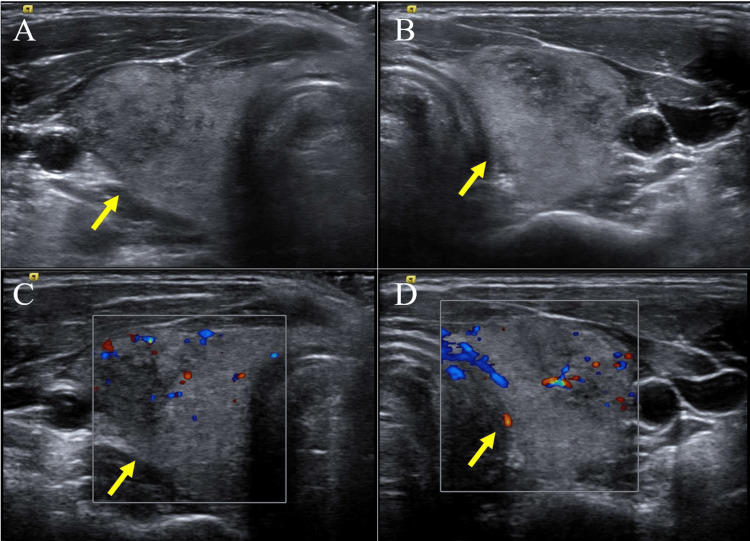
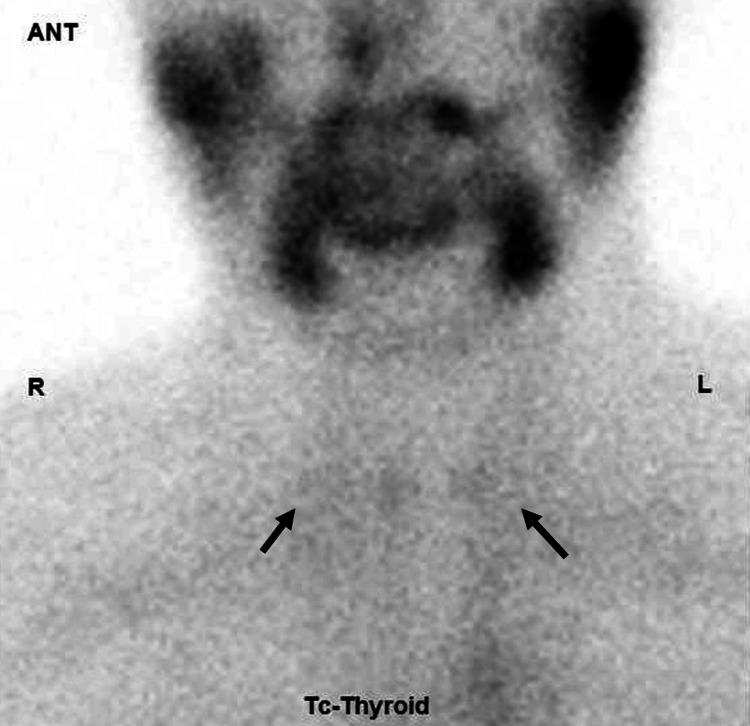
The , also called Ashwagandha, is available everywhere in the world. We present a rare case of thyrotoxicosis following Ashwagandha administration, specifically painless thyroiditis (PT) in this report. The patient was a 47-year-old previously healthy Japanese man, who started taking Ashwagandha two months before his first visit to our hospital. He visited our hospital for typical thyrotoxicosis symptoms like a sense of fatigue, fever at night, and weight loss followed by diarrhea and headache. Blood tests disclosed thyrotoxicosis. Thyroid ultrasonography showed internal echo heterogeneity and no increase in blood flow. Thyroid scintigraphy revealed a deficiency in thyroid uptake. Based on these findings, he was diagnosed as PT. After stopping the administration of Ashwagandha, both his symptoms and serum thyroid markers were improved. This report may spark important debate about whether ashwagandha is safe among healthy people, especially in thyroid toxicity.
这种草药,也被称为印度人参,在世界各地都有。在本报告中,我们呈现了一例服用印度人参后发生甲状腺毒症的罕见病例,具体为无痛性甲状腺炎(PT)。患者是一名47岁既往健康的日本男性,在首次就诊于我院前两个月开始服用印度人参。他因出现疲劳感、夜间发热、体重减轻伴腹泻和头痛等典型甲状腺毒症症状前来我院就诊。血液检查显示甲状腺毒症。甲状腺超声显示内部回声不均匀且血流未增加。甲状腺闪烁显像显示甲状腺摄取功能减退。基于这些发现,他被诊断为PT。停用印度人参后,他的症状和血清甲状腺标志物均有所改善。本报告可能引发关于印度人参在健康人群中是否安全的重要讨论,尤其是在甲状腺毒性方面。