Kamal Hawra I, Patel Kunjal, Brdak Alexandra, Heffernan Jeremy, Ahmad Naseer
Internal Medicine, Ascension Providence Hospital, Southfield, USA.
Internal Medicine, Ascension Providence Hospital, Novi, USA.
Cureus. 2022 Mar 25;14(3):e23494. doi: 10.7759/cureus.23494. eCollection 2022 Mar.
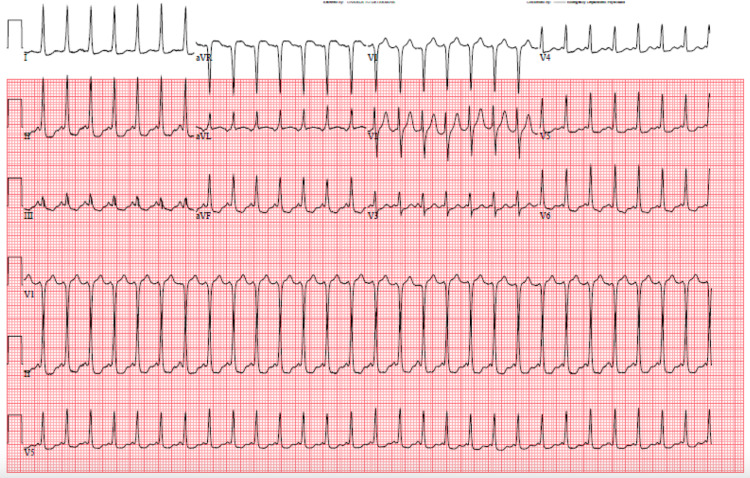
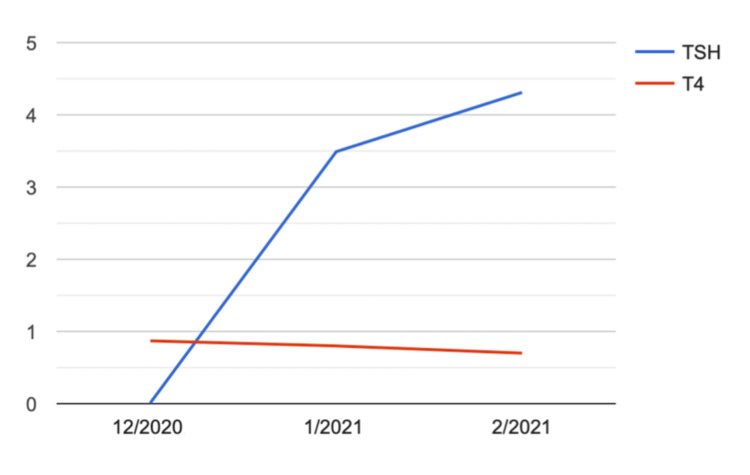
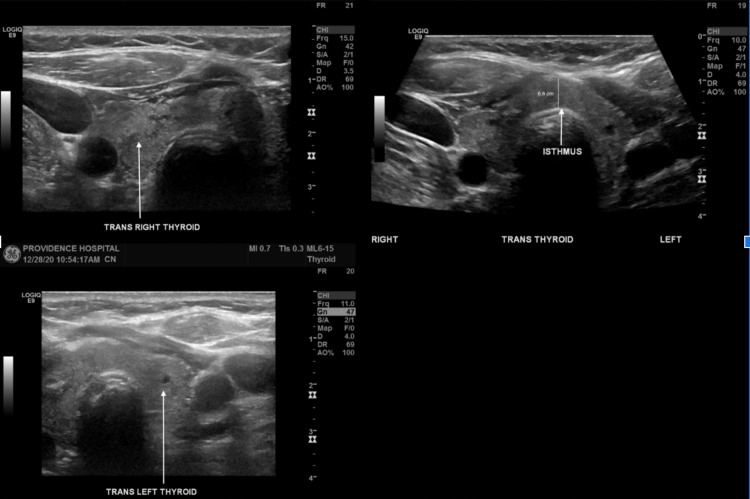
Ashwagandha root extract (ARE) is a reputed herbal supplement in Ayurvedic medicine for a variety of health conditions. To date, scant attention has been paid to thyrotoxicosis associated with Ashwagandha and it is rarely reported in the literature. We report a 73-year-old female who presented with supraventricular tachycardia, symptoms of hyperthyroidism and significantly low TSH levels, after two years of using ARE as a self-administered treatment for hypothyroidism. Full symptomatic resolution and biochemical improvement ensued upon cessation of the supplement. Though the pathophysiology remains obscure, we hope to promote awareness concerning this rare yet possible side effect of Ashwagandha.
南非醉茄根提取物(ARE)是阿育吠陀医学中一种著名的草药补充剂,可用于多种健康状况。迄今为止,与南非醉茄相关的甲状腺毒症很少受到关注,文献中也鲜有报道。我们报告了一名73岁女性,她在自行使用ARE治疗甲状腺功能减退两年后,出现了室上性心动过速、甲状腺功能亢进症状以及显著降低的促甲状腺激素(TSH)水平。停用该补充剂后,症状完全缓解,生化指标也有所改善。尽管其病理生理学仍不清楚,但我们希望提高人们对南非醉茄这种罕见但可能的副作用的认识。