Akter Shahinur, Saha Shankha
Social Science School, Khulna University, Khulna, 9208, Bangladesh.
Heliyon. 2024 Mar 22;10(7):e28671. doi: 10.1016/j.heliyon.2024.e28671. eCollection 2024 Apr 15.
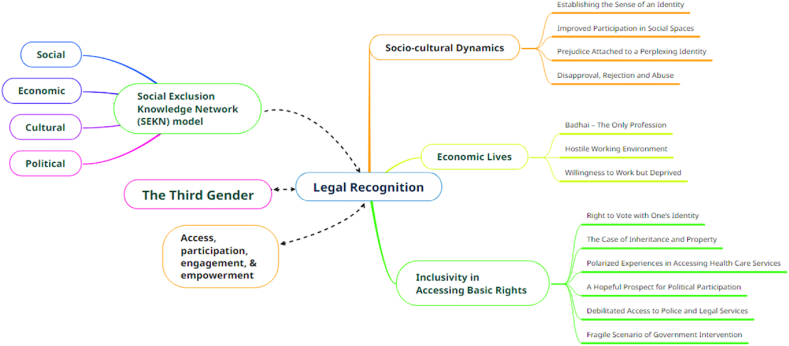
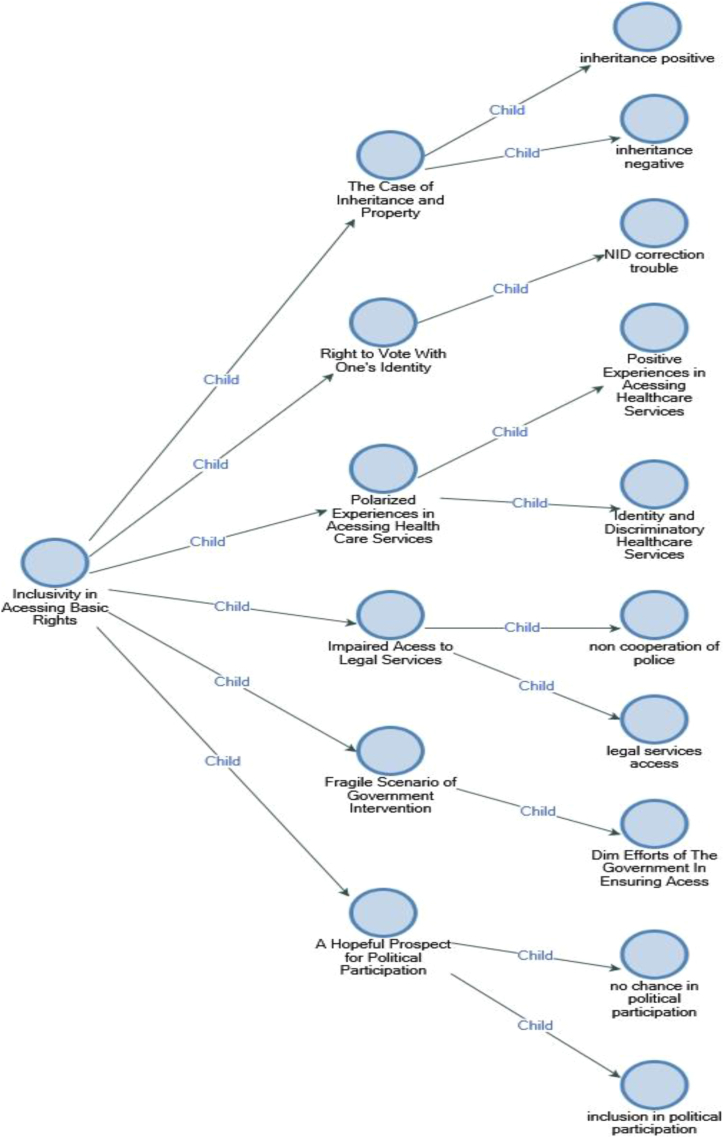
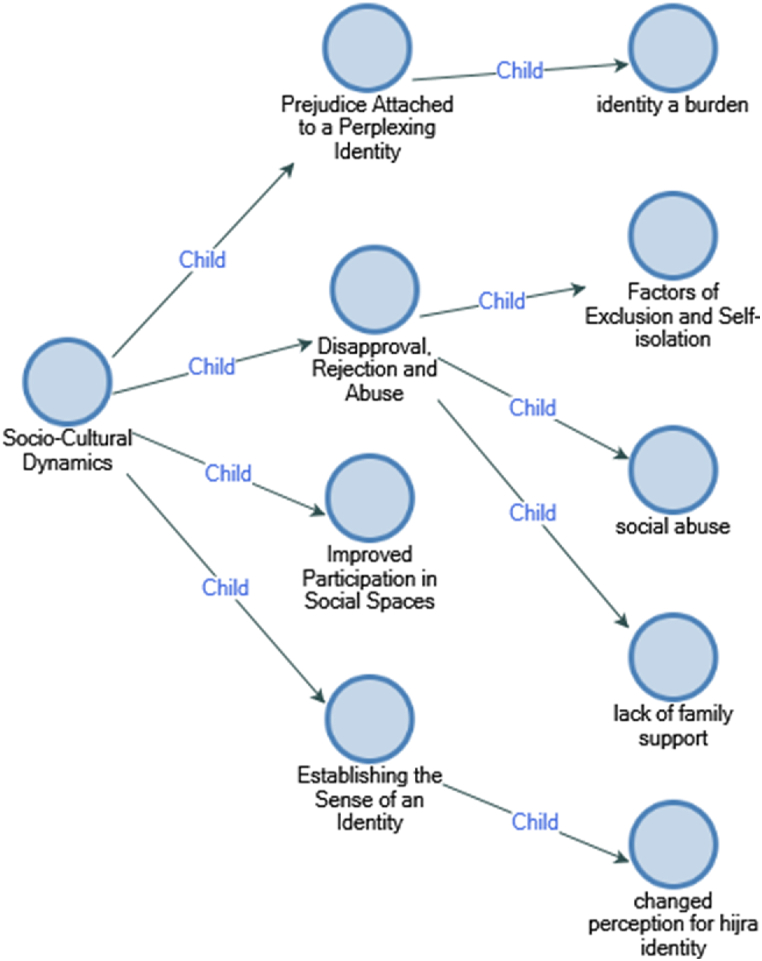
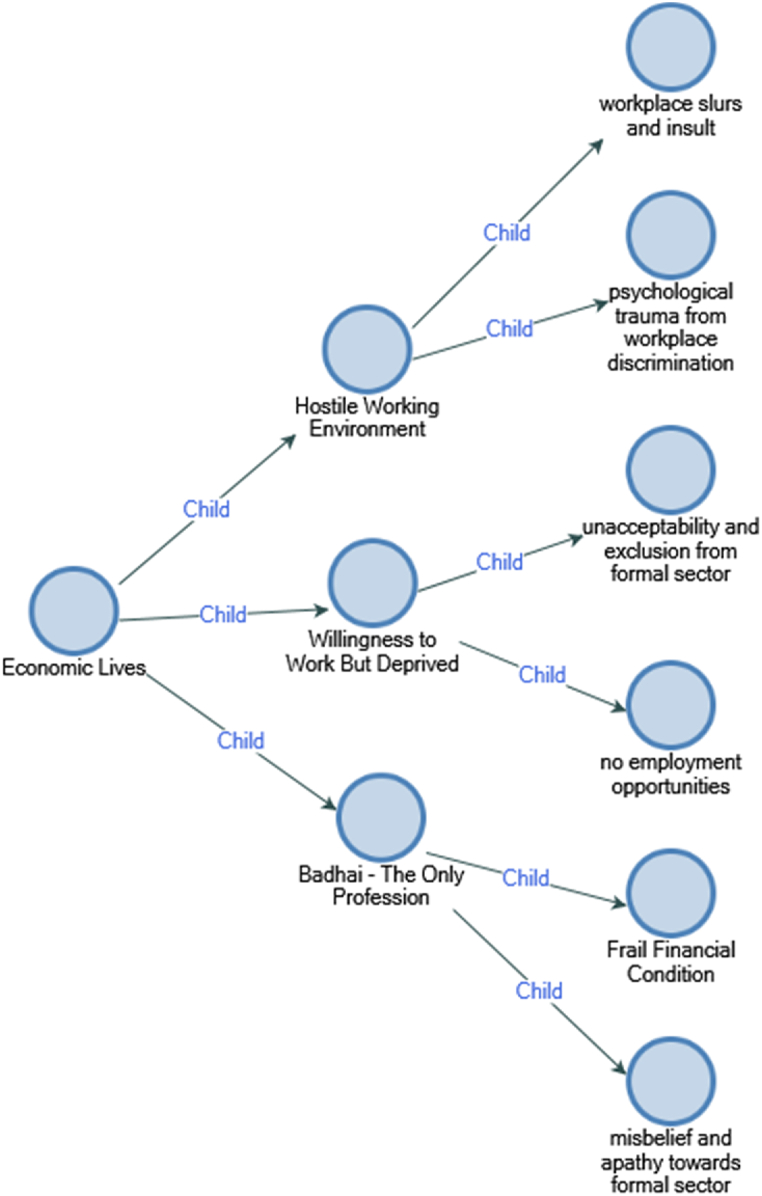
The third gender, popularly known as ', is a gender non-conforming person residing in Bangladesh. The government of Bangladesh granted legal recognition (LR) in 2013 to acknowledge them as a third gender. Thus, using an exploratory qualitative inquiry, the study sought to understand how LR affected the lives of the third gender community in the Khulna district of Bangladesh. Thirteen participants were selected following snowball sampling, and data were collected using in-depth interviews and key informant interviews. In the domain of socio-cultural dynamics, we found that the LR had enhanced the social participation of the third gender community and given them a sense of identity. On the contrary, within the domain of economic lives, the LR has not been able to change their economic situation. Moreover, in the third domain, we observed an improved situation for the third gender population in their right to vote and political participation, but in accessing healthcare facilities, inheritance, and legal services, LR remained unsatisfactory. The study recommends promoting acceptance and reducing social stigma towards the third gender community through awareness campaigns, providing professional training programs to enable their financial independence, and enacting laws to protect their rights in Bangladesh.
第三性别,通常被称为“”,是居住在孟加拉国的性别不符常规者。孟加拉国政府于2013年给予法律认可(LR),承认他们为第三性别。因此,本研究采用探索性定性调查方法,试图了解法律认可如何影响孟加拉国库尔纳地区第三性别群体的生活。采用滚雪球抽样法选取了13名参与者,并通过深度访谈和关键信息人访谈收集数据。在社会文化动态领域,我们发现法律认可提高了第三性别群体的社会参与度,并赋予了他们认同感。相反,在经济生活领域,法律认可未能改变他们的经济状况。此外,在第三个领域,我们观察到第三性别群体在投票权和政治参与方面的情况有所改善,但在获得医疗设施、继承权和法律服务方面,法律认可仍不尽人意。该研究建议在孟加拉国通过开展宣传活动来促进对第三性别群体的接纳并减少社会污名化,提供专业培训项目以实现他们的经济独立,并制定法律来保护他们的权利。