
有轻度创伤性脑损伤病史患者的性别特异性抗氧化生物标志物耗竭
Sex-specific antioxidant biomarker depletion in patients with a history of mild traumatic brain injury.
作者信息
Koza Lilia A, Grossberg Allison N, Bishop McKensey, Prusmack Chad, Linseman Daniel A
机构信息
Department of Biological Sciences and Knoebel Institute for Healthy Aging, University of Denver, Denver, CO 80208, United States.
Resilience Code, Englewood, CO 80112, United States.
出版信息
Adv Redox Res. 2024 Apr;10. doi: 10.1016/j.arres.2024.100097. Epub 2024 Feb 27.
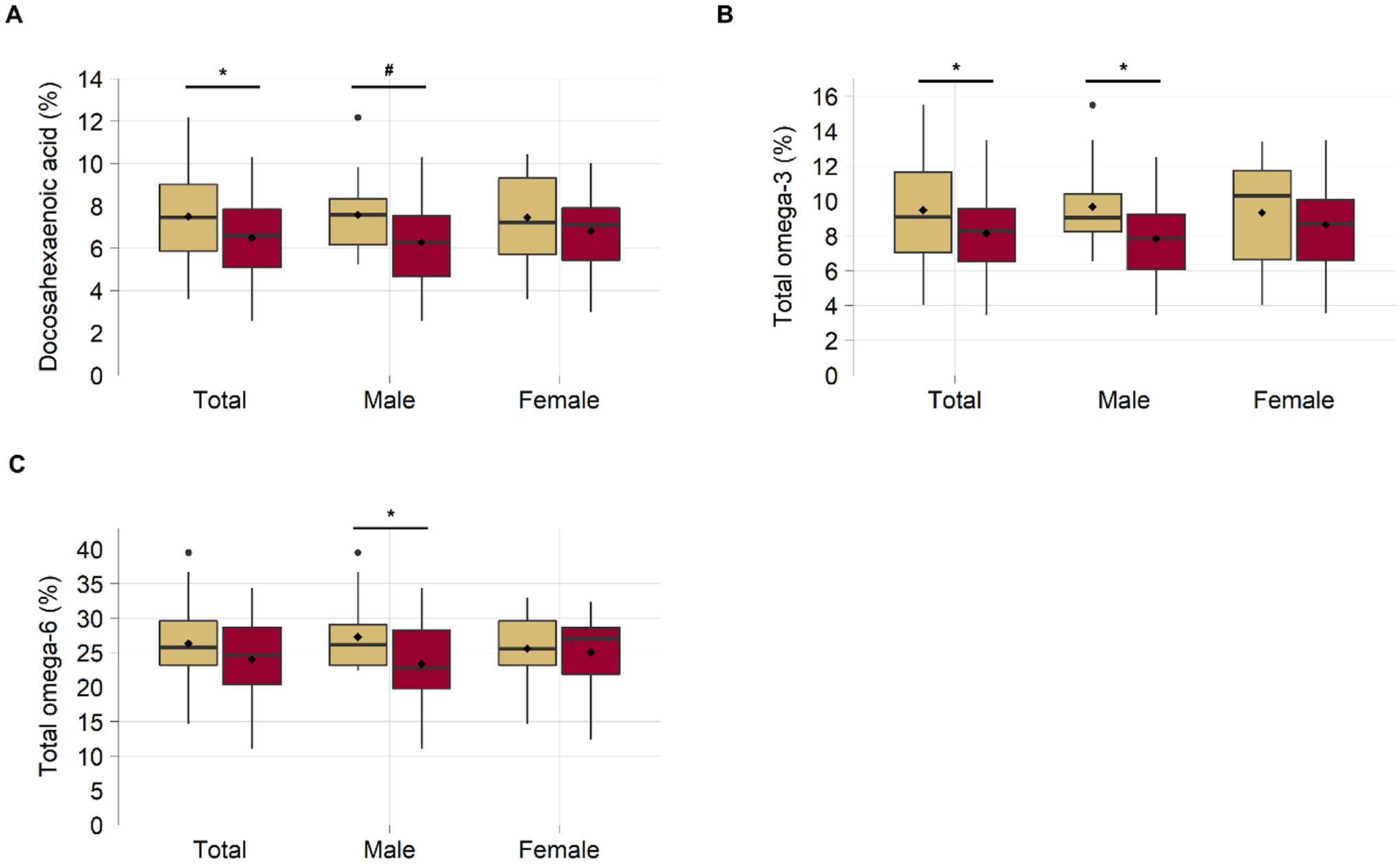
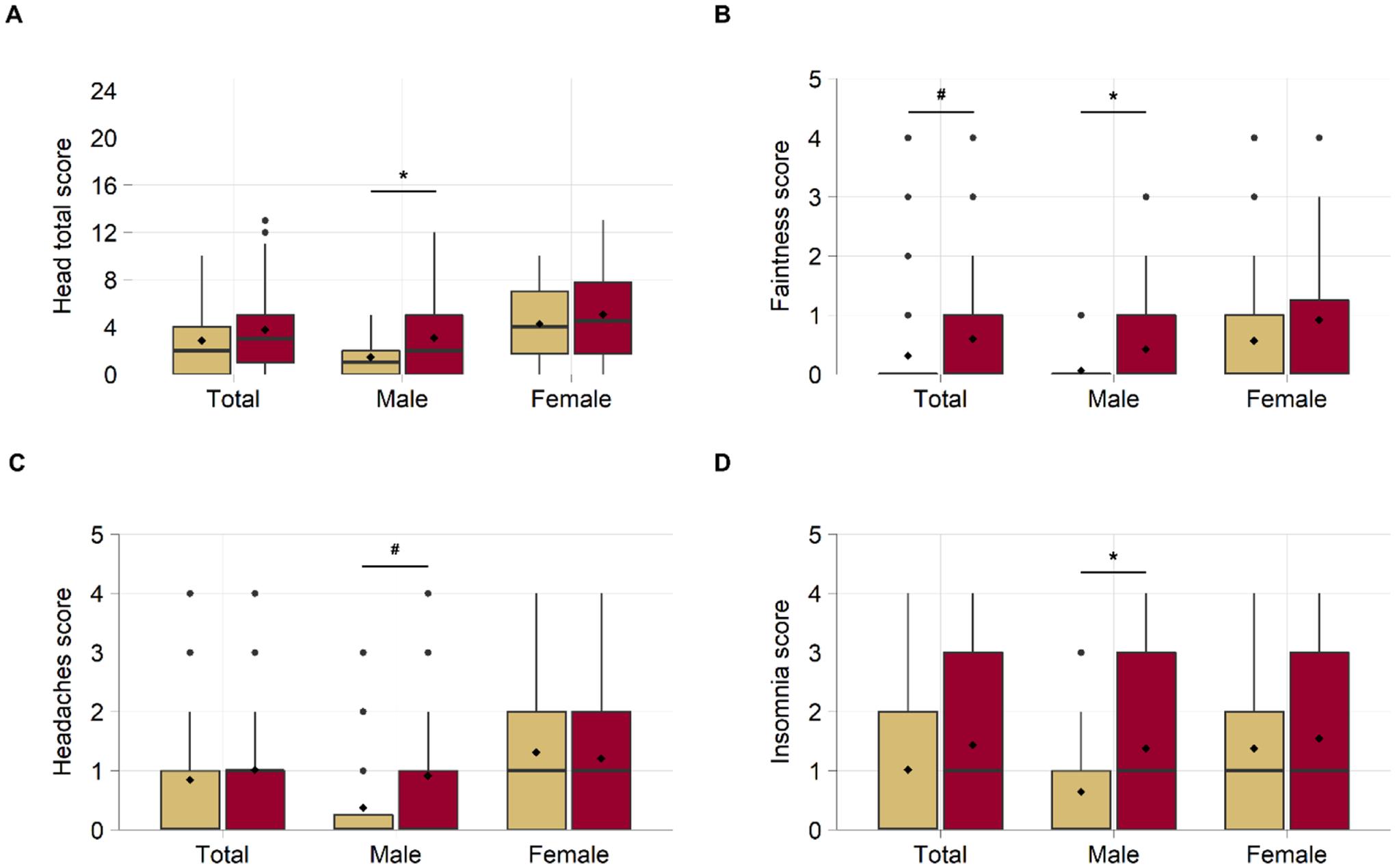
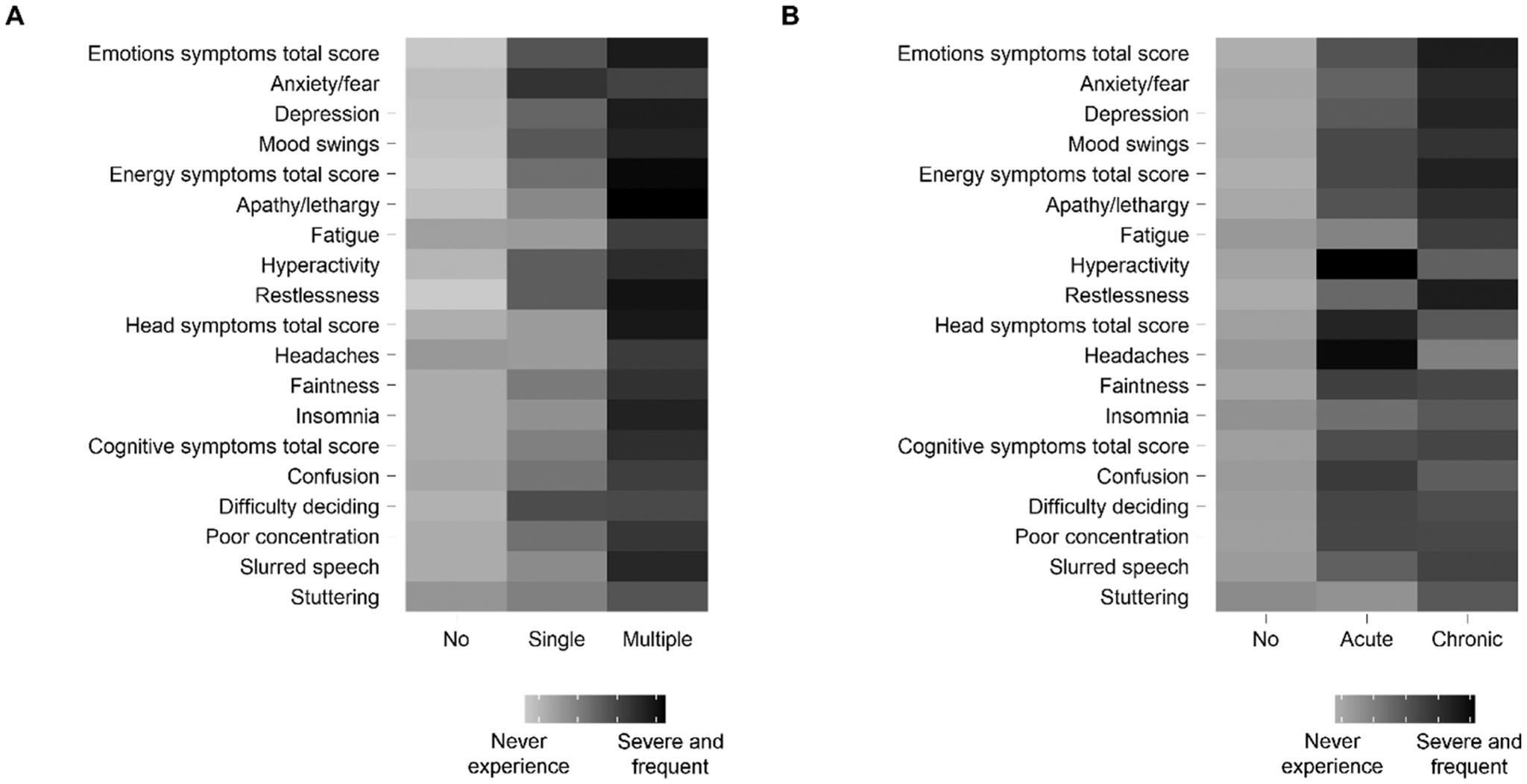
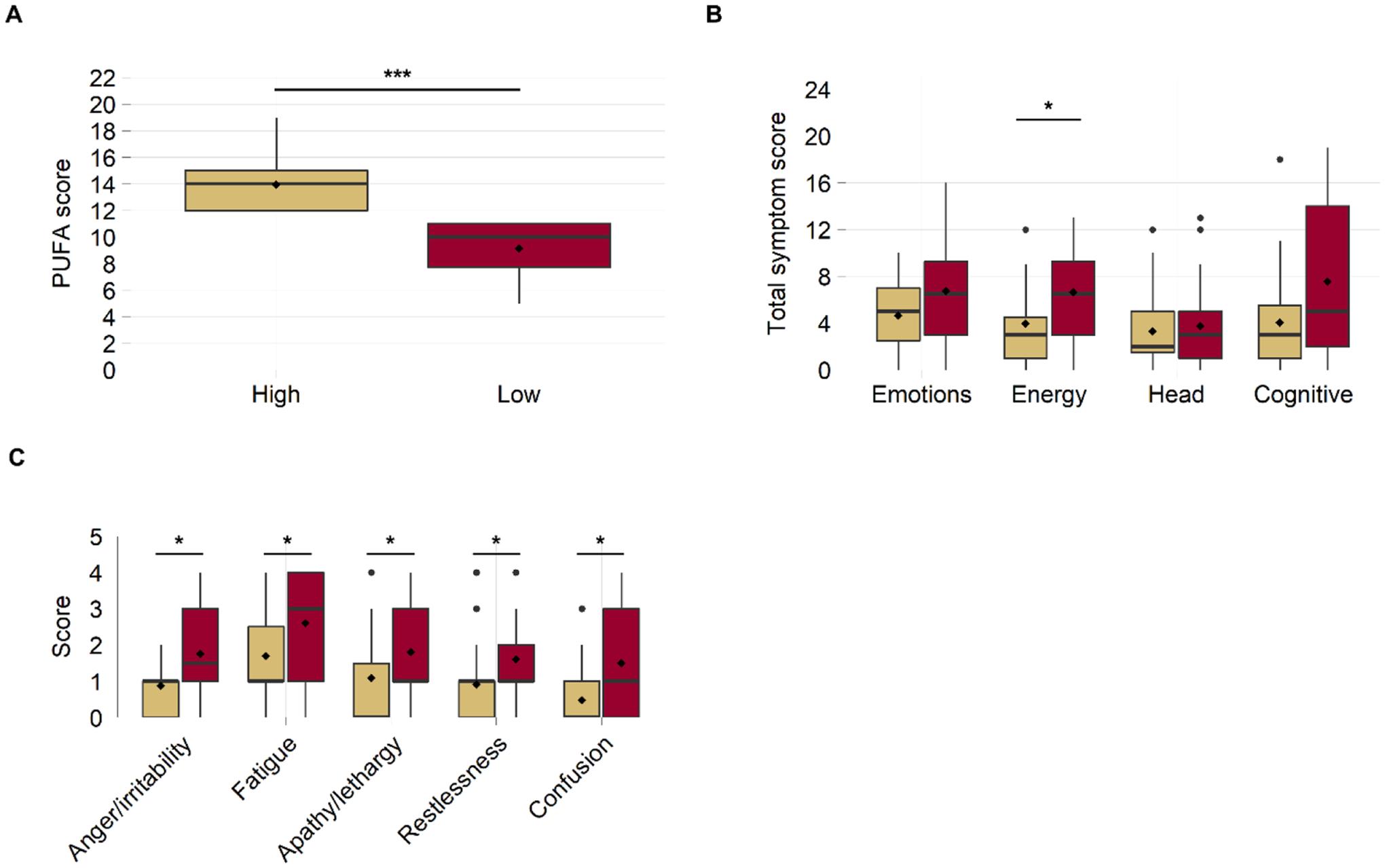
Individuals with a history of mild traumatic brain injury (mTBI) are at an increased risk for neurodegenerative disease, suggesting that intrinsic neuroprotective mechanisms, such as the endogenous antioxidant reservoir, may be depleted long-term after mTBI. Here, we retrospectively analyzed symptoms and blood antioxidants in patients with a history of mTBI who presented to Resilience Code, a sports medicine clinic in Colorado. Significant decreases in alpha-tocopherol, selenium, linoleic acid, taurine, docosahexaenoic acid, and total omega-3 were measured in the total mTBI population versus controls. Male mTBI patients showed depletion of a larger array of antioxidants than females. Patients with a history of mTBI also reported significantly worsened emotional, energy, head, and cognitive symptoms, with males displaying more extensive symptomology. Multiple or chronic mTBI patients had worsened symptoms than single or acute/subchronic mTBI patients, respectively. Finally, male mTBI patients with the largest reductions in polyunsaturated fatty acids (PUFAs) displayed worse symptomology than male mTBI patients with less depletion of this antioxidant reservoir. These results demonstrate that antioxidant depletion persists in patients with a history of mTBI and these deficits are sex-specific and associated with worsened symptomology. Furthermore, supplementation with specific antioxidants, like PUFAs, may diminish symptom severity in patients suffering from chronic effects of mTBI.
有轻度创伤性脑损伤(mTBI)病史的个体患神经退行性疾病的风险增加,这表明内在的神经保护机制,如内源性抗氧化剂储备,可能在mTBI后长期耗尽。在此,我们回顾性分析了前往科罗拉多州一家运动医学诊所Resilience Code就诊的有mTBI病史患者的症状和血液中的抗氧化剂。与对照组相比,在整个mTBI患者群体中,α-生育酚、硒、亚油酸、牛磺酸、二十二碳六烯酸和总ω-3显著降低。男性mTBI患者的抗氧化剂消耗种类比女性更多。有mTBI病史的患者还报告情绪、精力、头部和认知症状明显恶化,男性表现出更广泛的症状。多发性或慢性mTBI患者的症状分别比单发性或急性/亚慢性mTBI患者更严重。最后,多不饱和脂肪酸(PUFA)降低幅度最大的男性mTBI患者比该抗氧化剂储备消耗较少的男性mTBI患者症状更严重。这些结果表明,抗氧化剂消耗在有mTBI病史的患者中持续存在,这些缺陷具有性别特异性且与症状恶化有关。此外,补充特定的抗氧化剂,如PUFA,可能会减轻患有mTBI慢性影响患者的症状严重程度。





 Zotero 插件