Joint Laboratory of Opto-Functional Theranostics in Medicine and Chemistry, First Hospital of Jilin University, Changchun, 130021, P.R. China.
State Key Laboratory of Supramolecular Structure and Materials, Center for Supramolecular Chemical Biology, College of Chemistry, Jilin University, Changchun, 130012, P.R. China.
Nat Commun. 2024 Apr 2;15(1):2845. doi: 10.1038/s41467-024-47063-4.
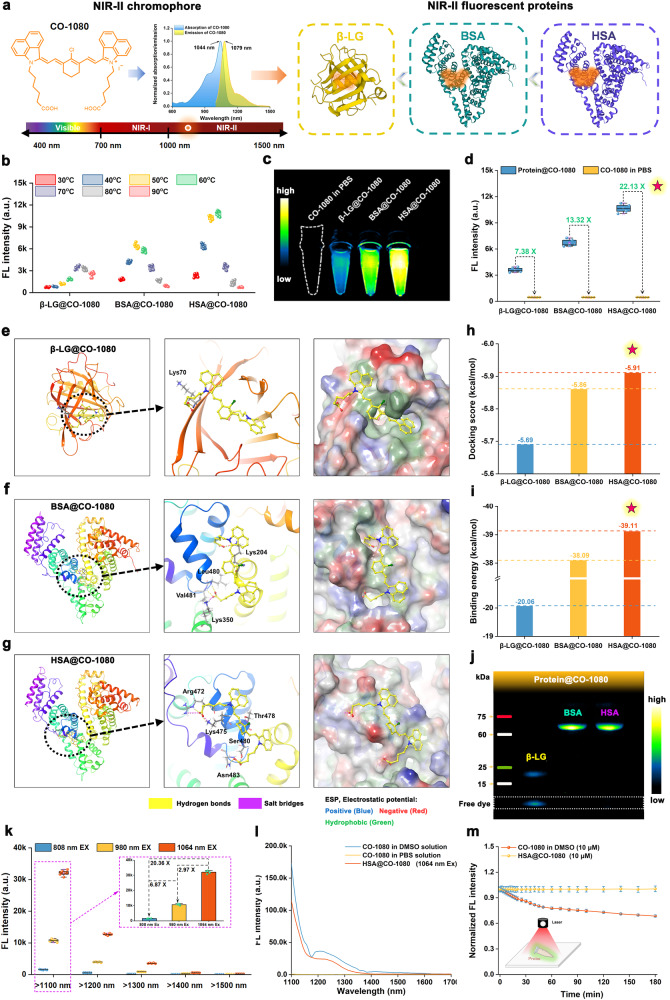
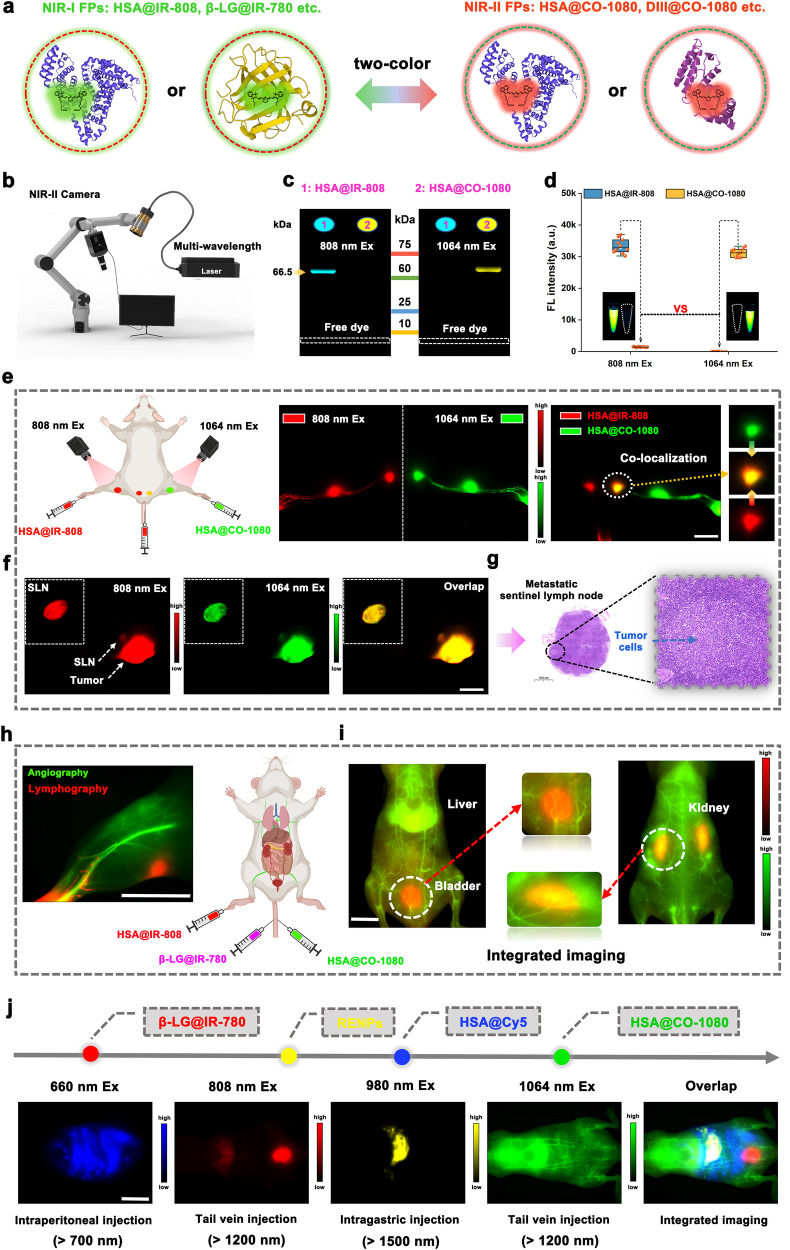
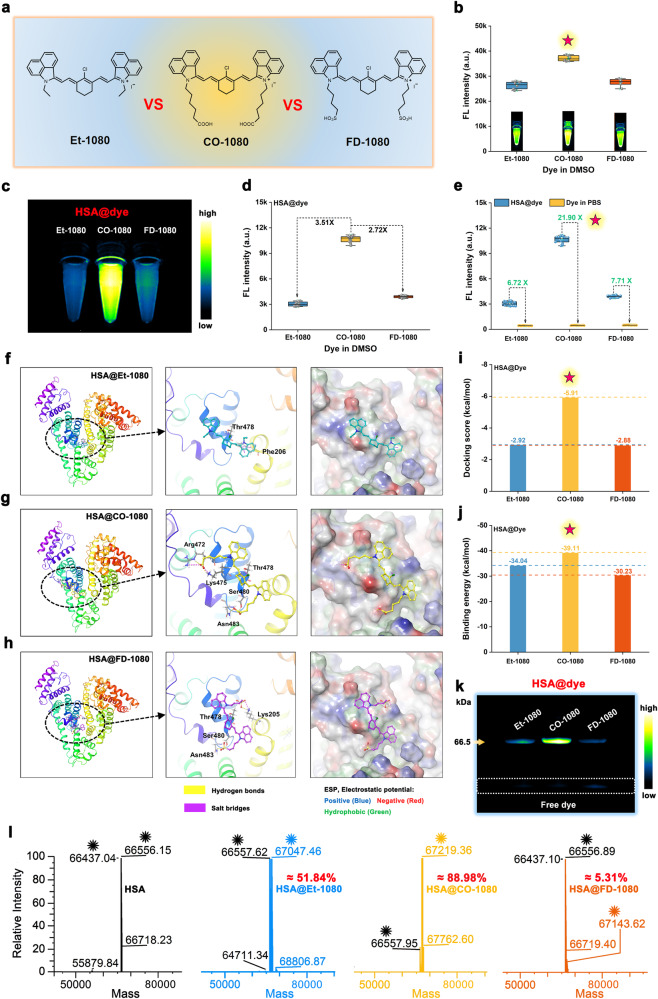
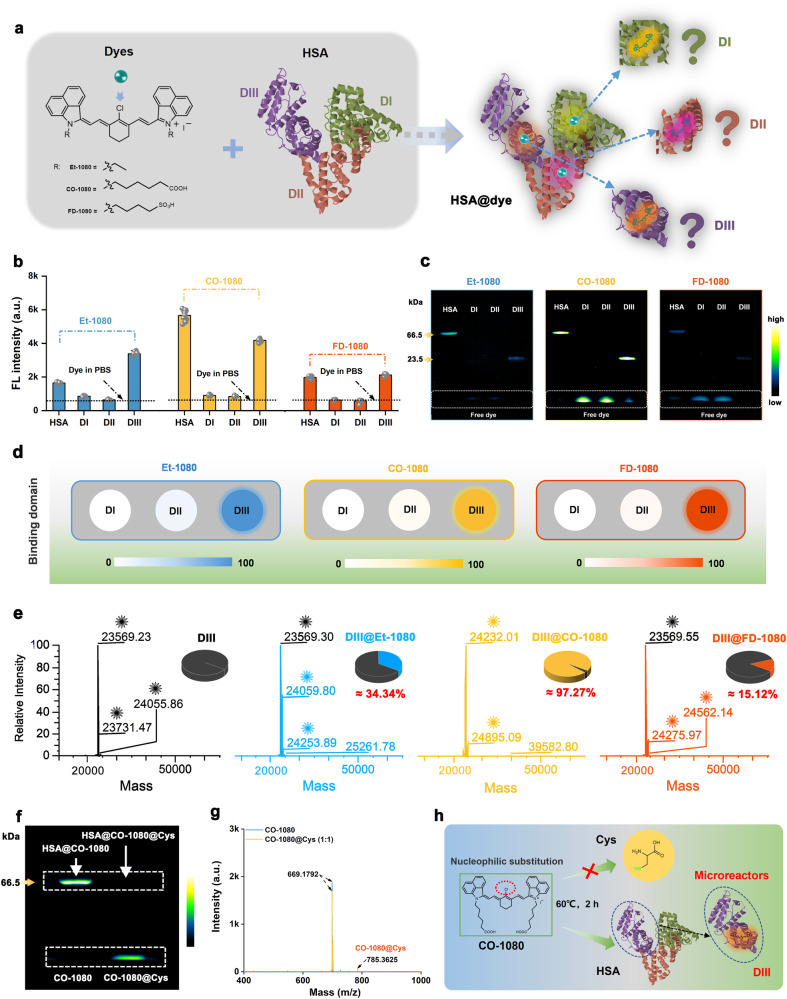
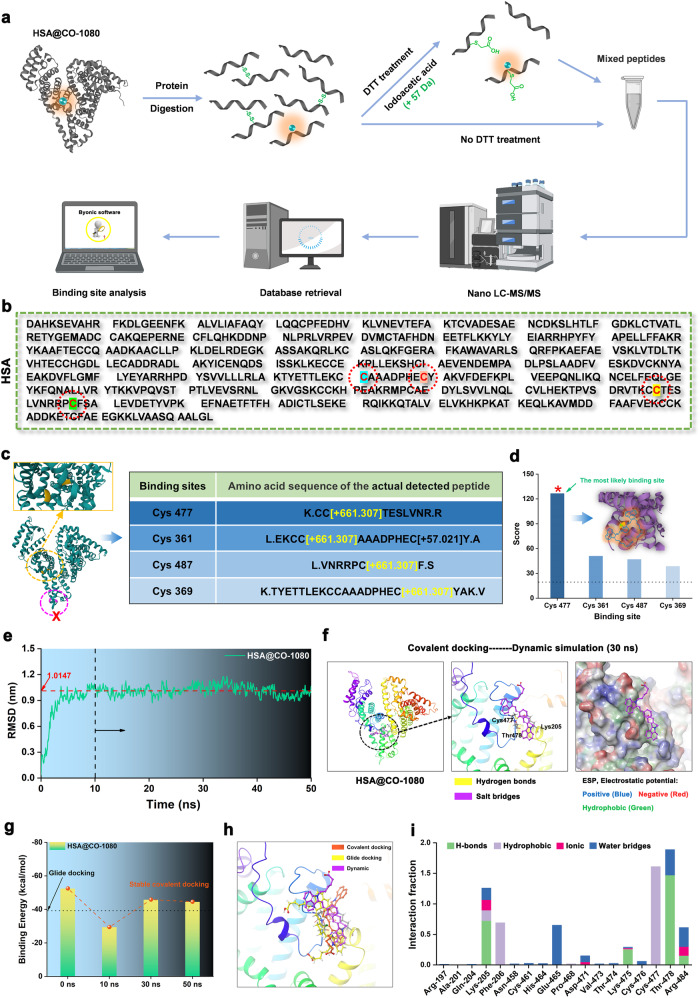
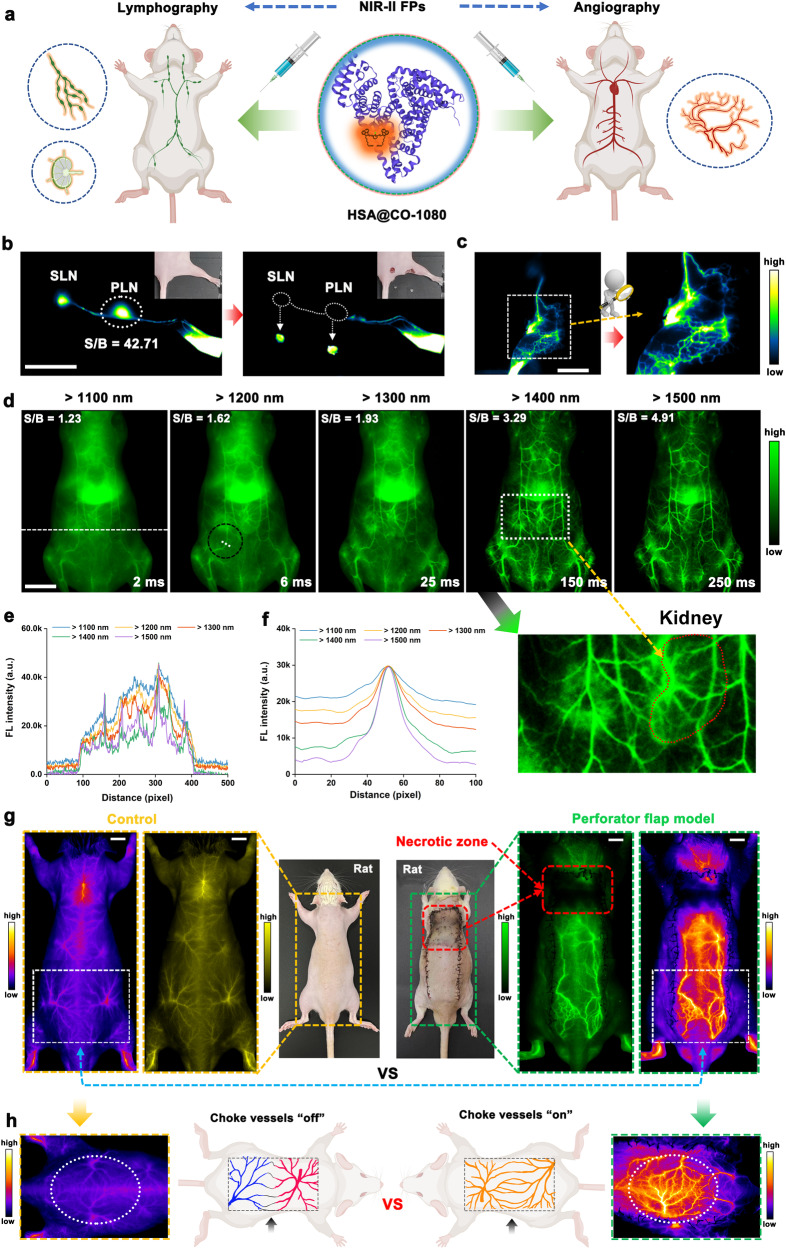
Near-infrared-I/II fluorescent proteins (NIR-I/II FPs) are crucial for in vivo imaging, yet the current NIR-I/II FPs face challenges including scarcity, the requirement for chromophore maturation, and limited emission wavelengths (typically < 800 nm). Here, we utilize synthetic protein-seeking NIR-II dyes as chromophores, which covalently bind to tag proteins (e.g., human serum albumin, HSA) through a site-specific nucleophilic substitution reaction, thereby creating proof-of-concept biomimetic NIR-II FPs. This chemogenic protein-seeking strategy can be accomplished under gentle physiological conditions without catalysis. Proteomics analysis identifies specific binding site (Cys 477 on DIII). NIR-II FPs significantly enhance chromophore brightness and photostability, while improving biocompatibility, allowing for high-performance NIR-II lymphography and angiography. This strategy is universal and applicable in creating a wide range of spectrally separated NIR-I/II FPs for real-time visualization of multiple biological events. Overall, this straightforward biomimetic approach holds the potential to transform fluorescent protein-based bioimaging and enables in-situ albumin targeting to create NIR-I/II FPs for deep-tissue imaging in live organisms.
近红外-I/II 荧光蛋白(NIR-I/II FPs)对于体内成像是至关重要的,但目前的 NIR-I/II FPs 面临着一些挑战,包括稀缺性、发色团成熟的要求以及发射波长有限(通常<800nm)。在这里,我们利用合成的蛋白寻找型近红外-II 染料作为发色团,通过特异性亲核取代反应共价结合到标记蛋白(如人血清白蛋白,HSA)上,从而创建了概念验证的仿生近红外-II FP。这种化学蛋白寻找策略可以在温和的生理条件下完成,无需催化。蛋白质组学分析确定了特定的结合位点(DIII 上的 Cys 477)。NIR-II FPs 显著提高了发色团的亮度和光稳定性,同时提高了生物相容性,实现了高性能的近红外-II 淋巴管成像和血管造影。该策略具有通用性,可用于创建广泛的光谱分离的 NIR-I/II FPs,以实时可视化多种生物事件。总的来说,这种简单的仿生方法有可能改变基于荧光蛋白的生物成像,并能够进行原位白蛋白靶向,以创建用于活体组织深层成像的 NIR-I/II FPs。