Biology and Geology Departments, Macalester College, St. Paul, Minnesota, United States of America.
Instituto y Museo de Ciencias Naturales, Universidad Nacional de San Juan, San Juan, Argentina.
PLoS One. 2024 Apr 3;19(4):e0298242. doi: 10.1371/journal.pone.0298242. eCollection 2024.
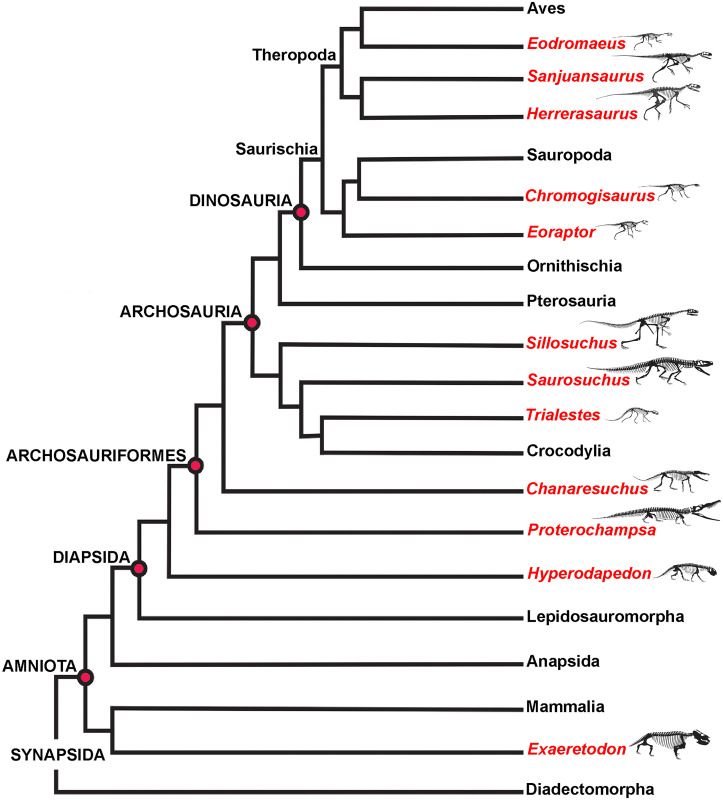
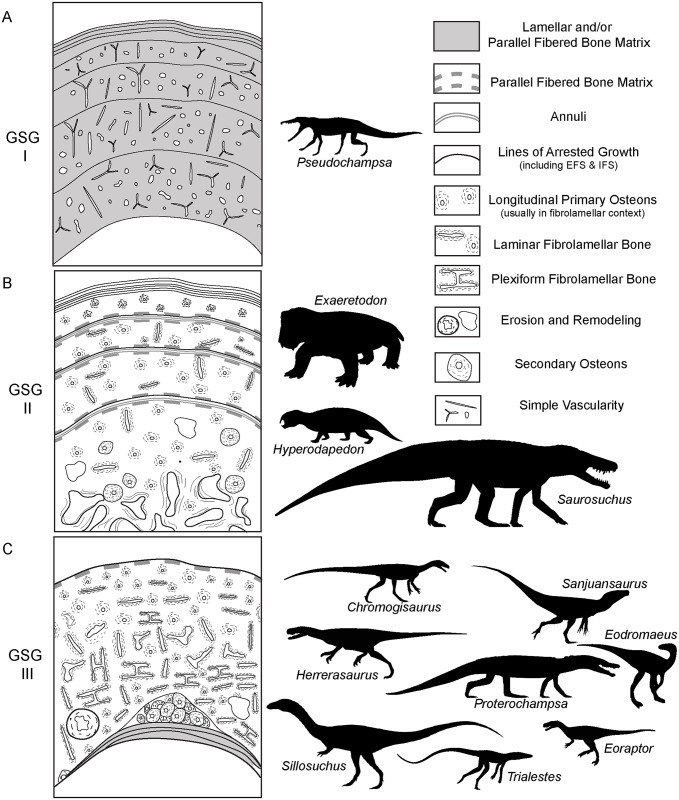
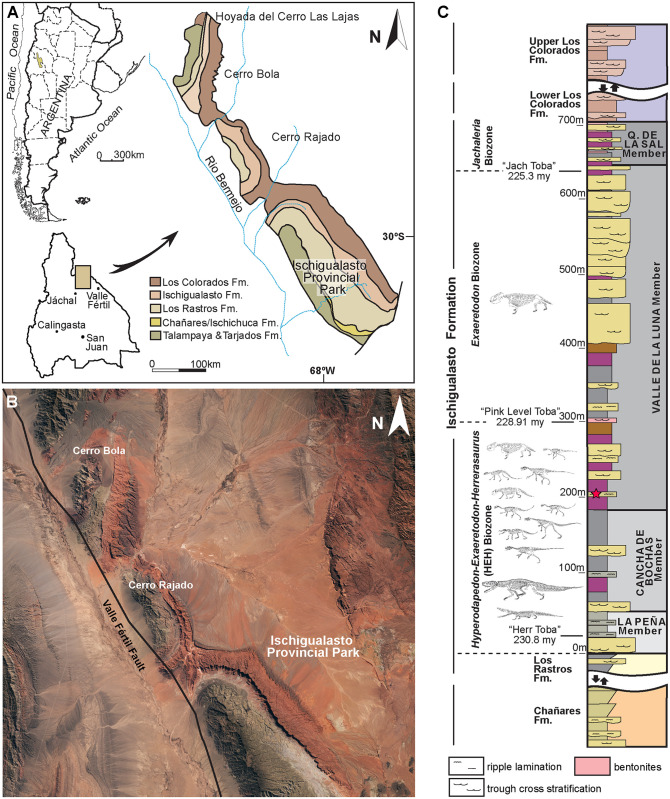
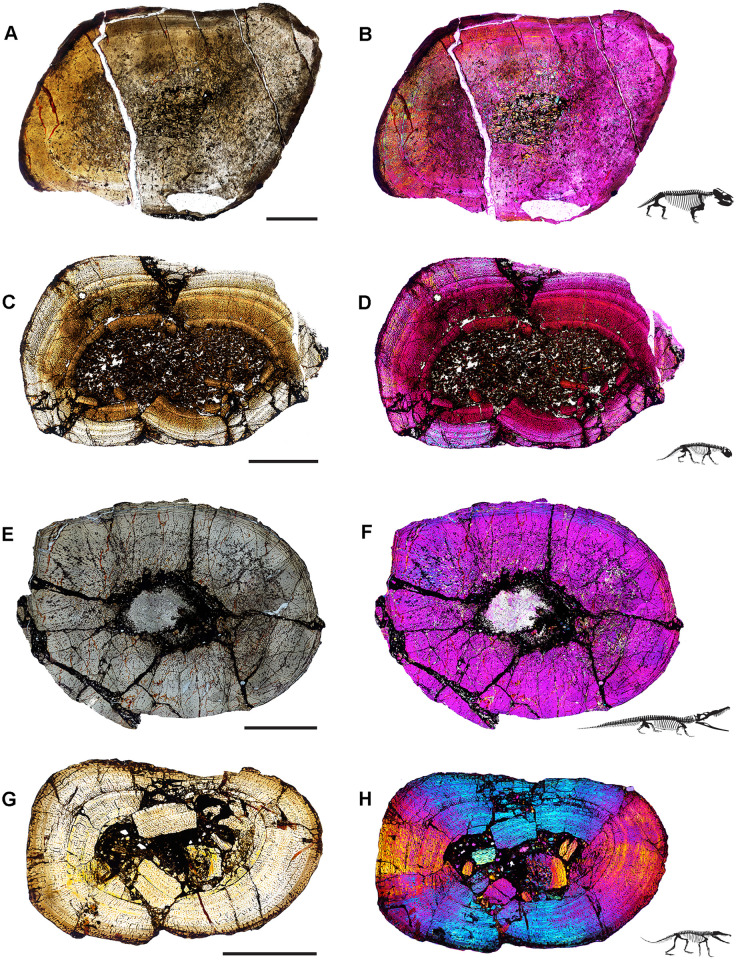
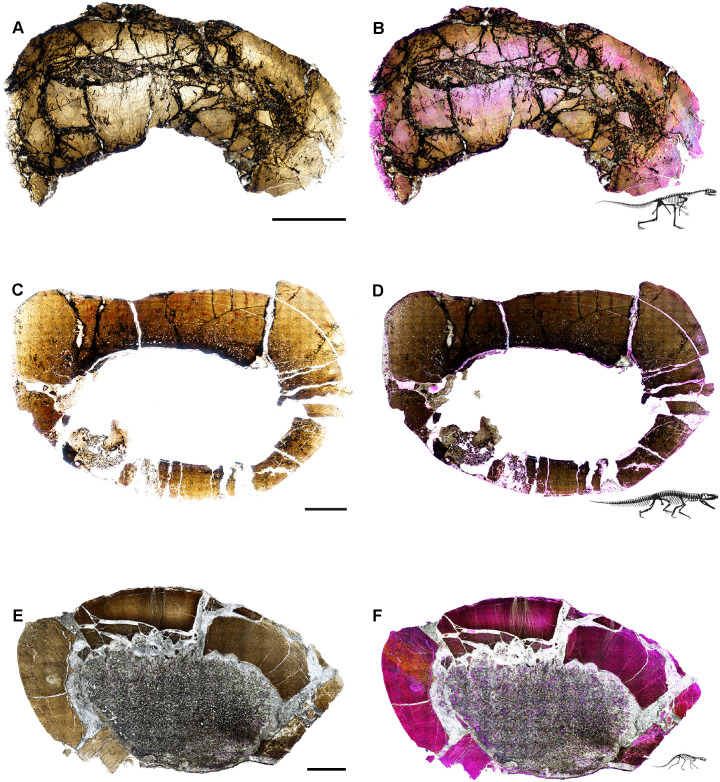
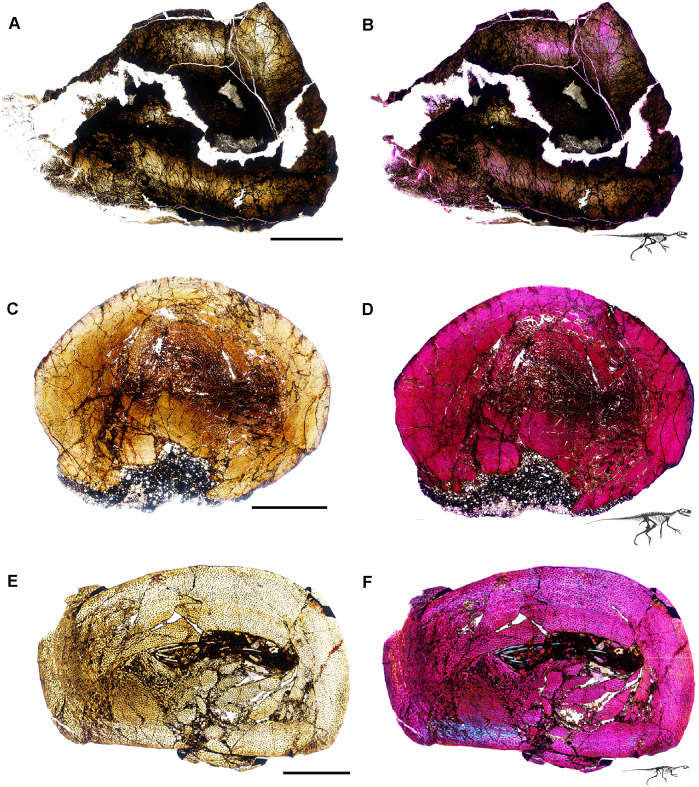
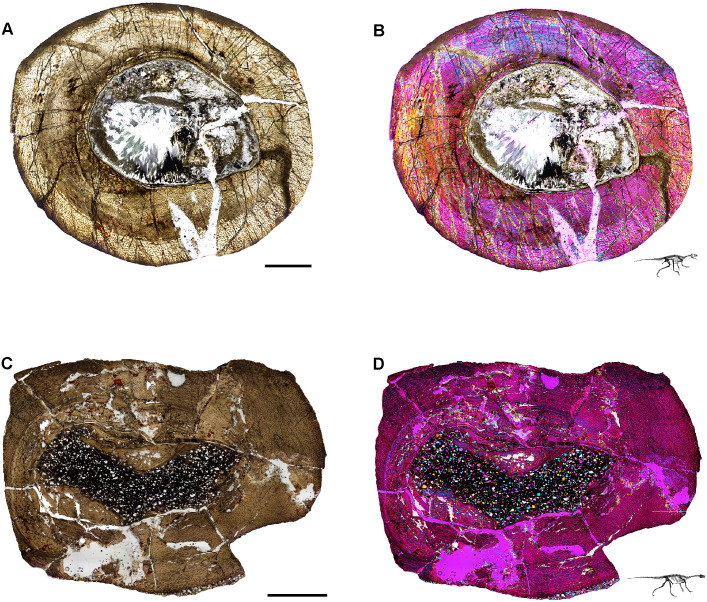
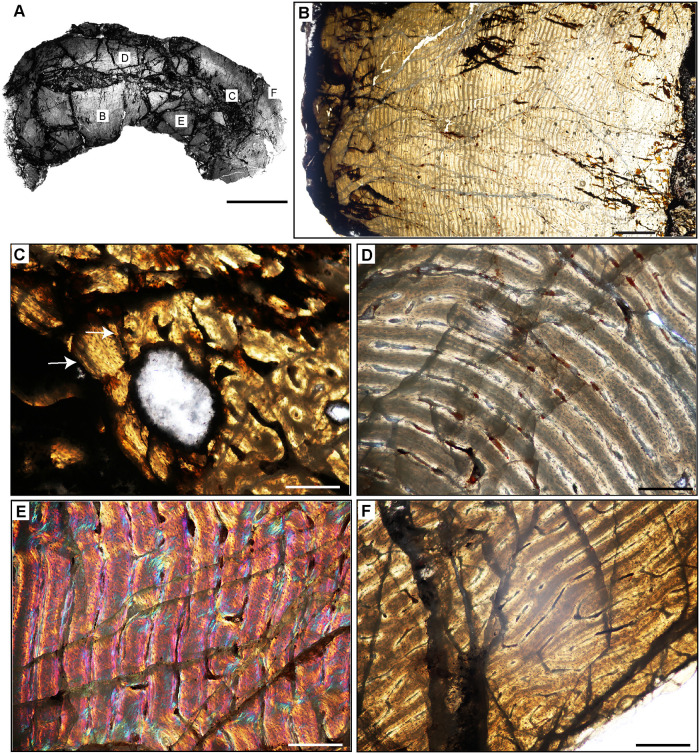
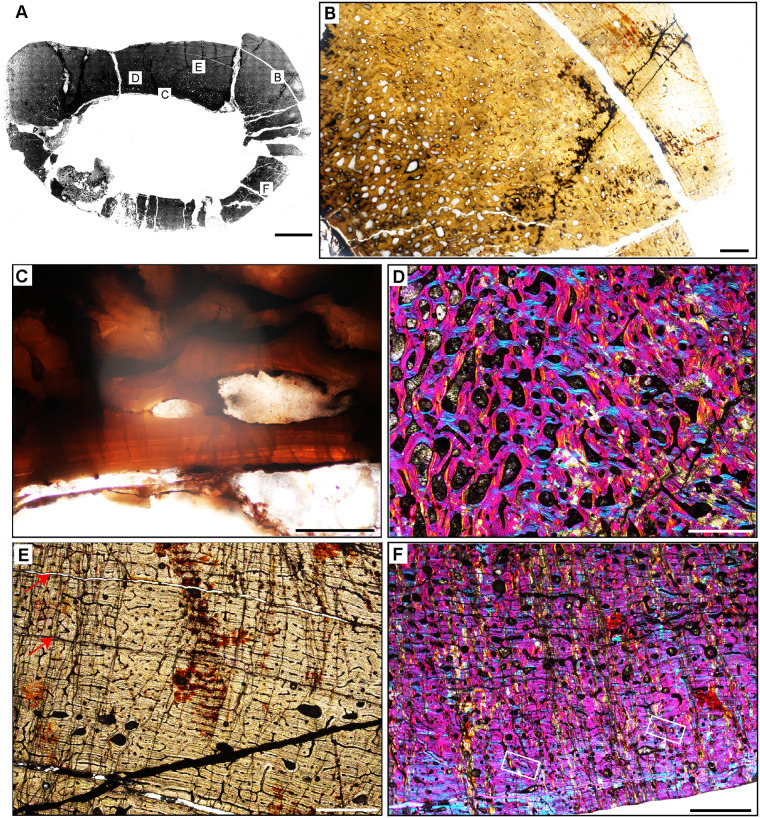
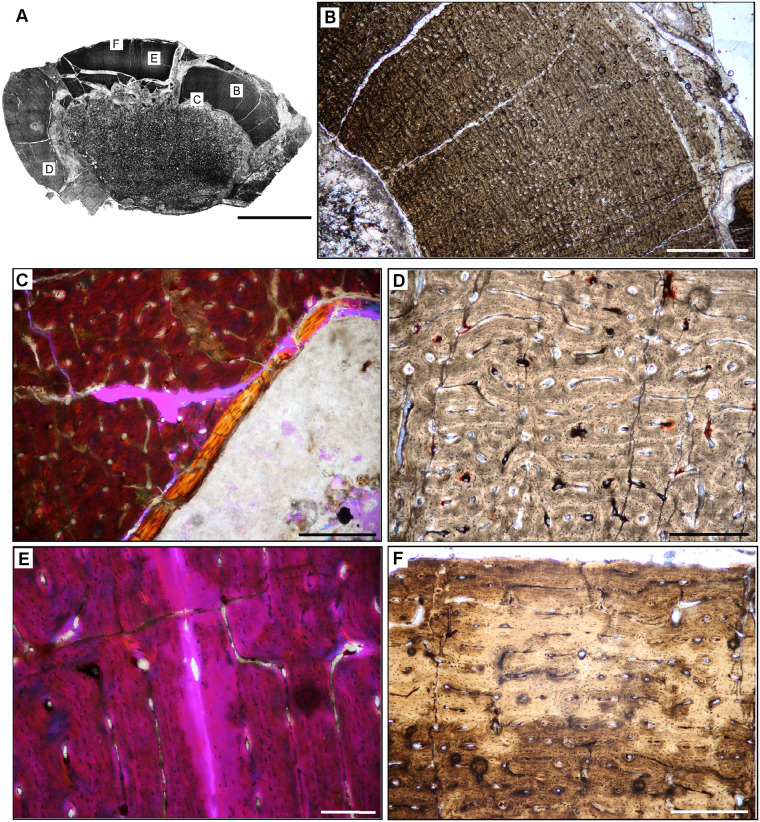
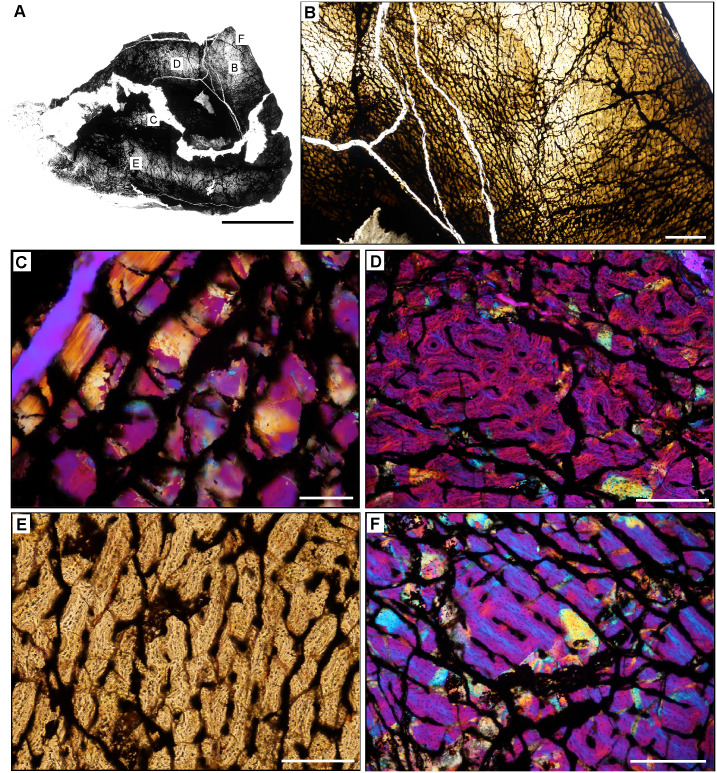
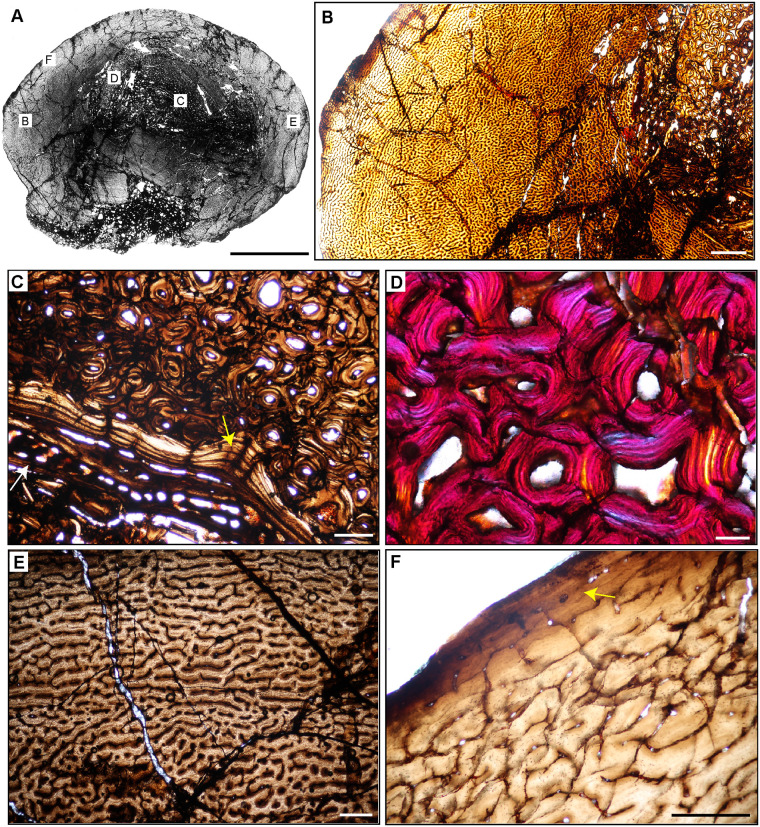
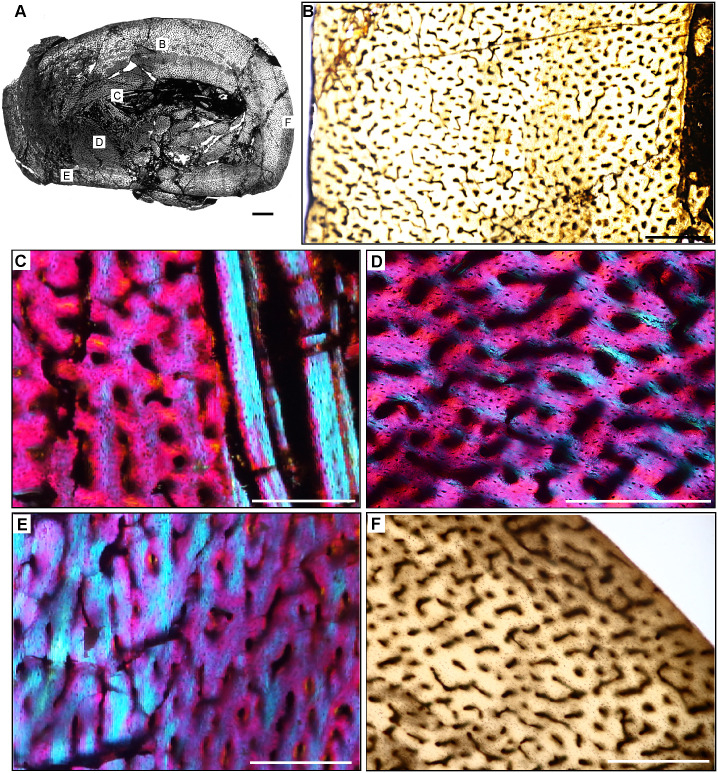
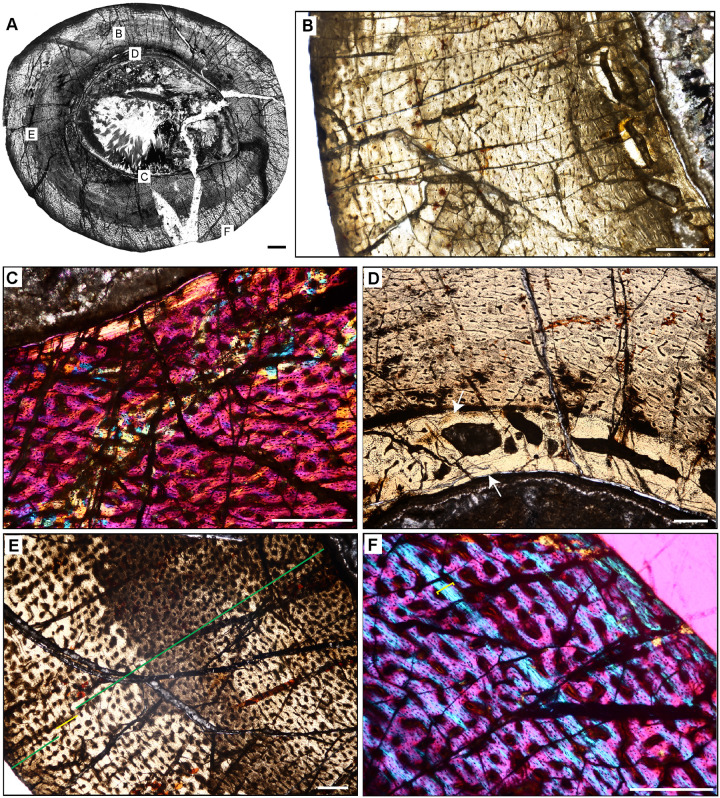
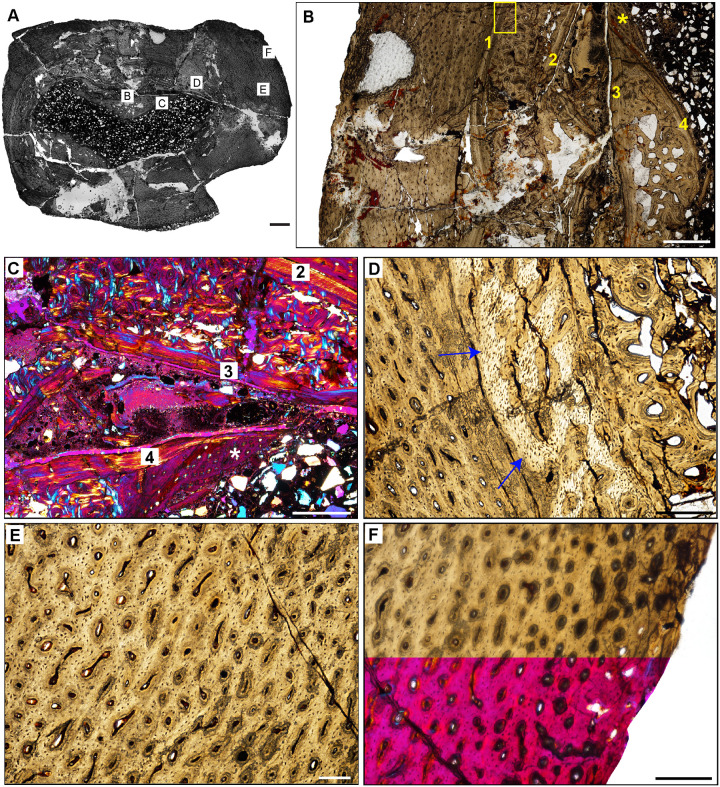
Dinosauria debuted on Earth's stage in the aftermath of the Permo-Triassic Mass Extinction Event, and survived two other Triassic extinction intervals to eventually dominate terrestrial ecosystems. More than 231 million years ago, in the Upper Triassic Ischigualasto Formation of west-central Argentina, dinosaurs were just getting warmed up. At this time, dinosaurs represented a minor fraction of ecosystem diversity. Members of other tetrapod clades, including synapsids and pseudosuchians, shared convergently evolved features related to locomotion, feeding, respiration, and metabolism and could have risen to later dominance. However, it was Dinosauria that radiated in the later Mesozoic most significantly in terms of body size, diversity, and global distribution. Elevated growth rates are one of the adaptations that set later Mesozoic dinosaurs apart, particularly from their contemporary crocodilian and mammalian compatriots. When did the elevated growth rates of dinosaurs first evolve? How did the growth strategies of the earliest known dinosaurs compare with those of other tetrapods in their ecosystems? We studied femoral bone histology of an array of early dinosaurs alongside that of non-dinosaurian contemporaries from the Ischigualasto Formation in order to test whether the oldest known dinosaurs exhibited novel growth strategies. Our results indicate that the Ischigualasto vertebrate fauna collectively exhibits relatively high growth rates. Dinosaurs are among the fastest growing taxa in the sample, but they occupied this niche alongside crocodylomorphs, archosauriformes, and large-bodied pseudosuchians. Interestingly, these dinosaurs grew at least as quickly, but more continuously than sauropodomorph and theropod dinosaurs of the later Mesozoic. These data suggest that, while elevated growth rates were ancestral for Dinosauria and likely played a significant role in dinosaurs' ascent within Mesozoic ecosystems, they did not set them apart from their contemporaries.
恐龙在二叠纪-三叠纪大灭绝事件之后的地球上首次出现,并在另外两次三叠纪灭绝事件中幸存下来,最终主宰了陆地生态系统。2 亿 3100 万年前,在阿根廷中西部上三叠统伊斯基瓜拉斯托组,恐龙刚刚开始活跃起来。此时,恐龙在生态系统多样性中只占很小的一部分。其他四足动物类群的成员,包括合弓类动物和伪鳄类,具有趋同进化的与运动、进食、呼吸和新陈代谢相关的特征,它们可能后来占据了主导地位。然而,正是恐龙在后来的中生代在体型、多样性和全球分布方面辐射得最为显著。高生长率是使后来的中生代恐龙与众不同的适应之一,尤其是与它们同时代的鳄类和哺乳动物。恐龙的高生长率是何时首次进化的?最早的恐龙的生长策略与它们生态系统中的其他四足动物相比如何?为了测试最早的恐龙是否表现出了新的生长策略,我们研究了来自伊斯基瓜拉斯托组的一系列早期恐龙的股骨组织学,以及该组中同时代的非恐龙类动物的股骨组织学。我们的研究结果表明,伊斯基瓜拉斯托脊椎动物群整体上表现出相对较高的生长率。恐龙是样本中生长最快的类群之一,但它们与鳄形类、初龙形类和大体型的伪鳄类一起占据了这个生态位。有趣的是,这些恐龙的生长速度至少与后来中生代的蜥脚形亚目恐龙和兽脚亚目恐龙一样快,但更具连续性。这些数据表明,虽然高生长率是恐龙的祖先特征,并且可能在恐龙在中生代生态系统中的崛起中发挥了重要作用,但它们并没有使恐龙与它们的同时代动物区别开来。