Department of Molecular Biology and Genetics, Koc University, Istanbul 34450, Turkiye.
Department of Molecular Biology and Genetics, Koc University, Istanbul 34450, Turkiye.
Cell Rep Med. 2024 Apr 16;5(4):101498. doi: 10.1016/j.xcrm.2024.101498. Epub 2024 Apr 4.
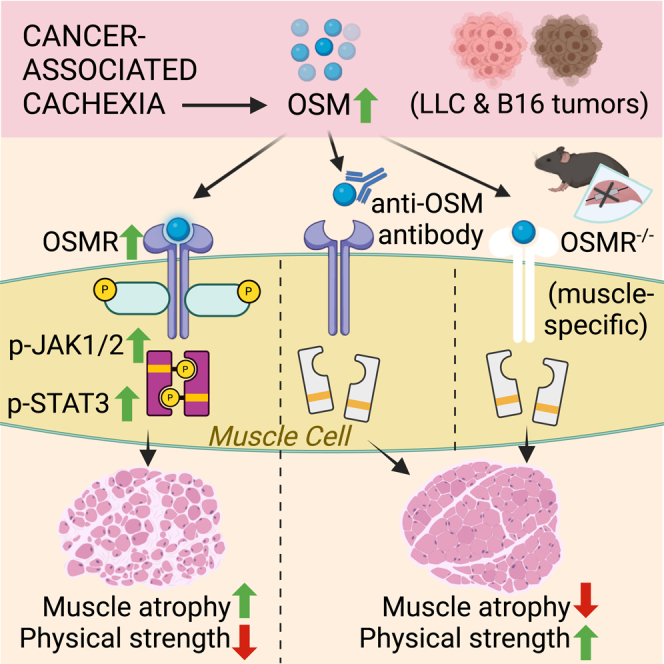
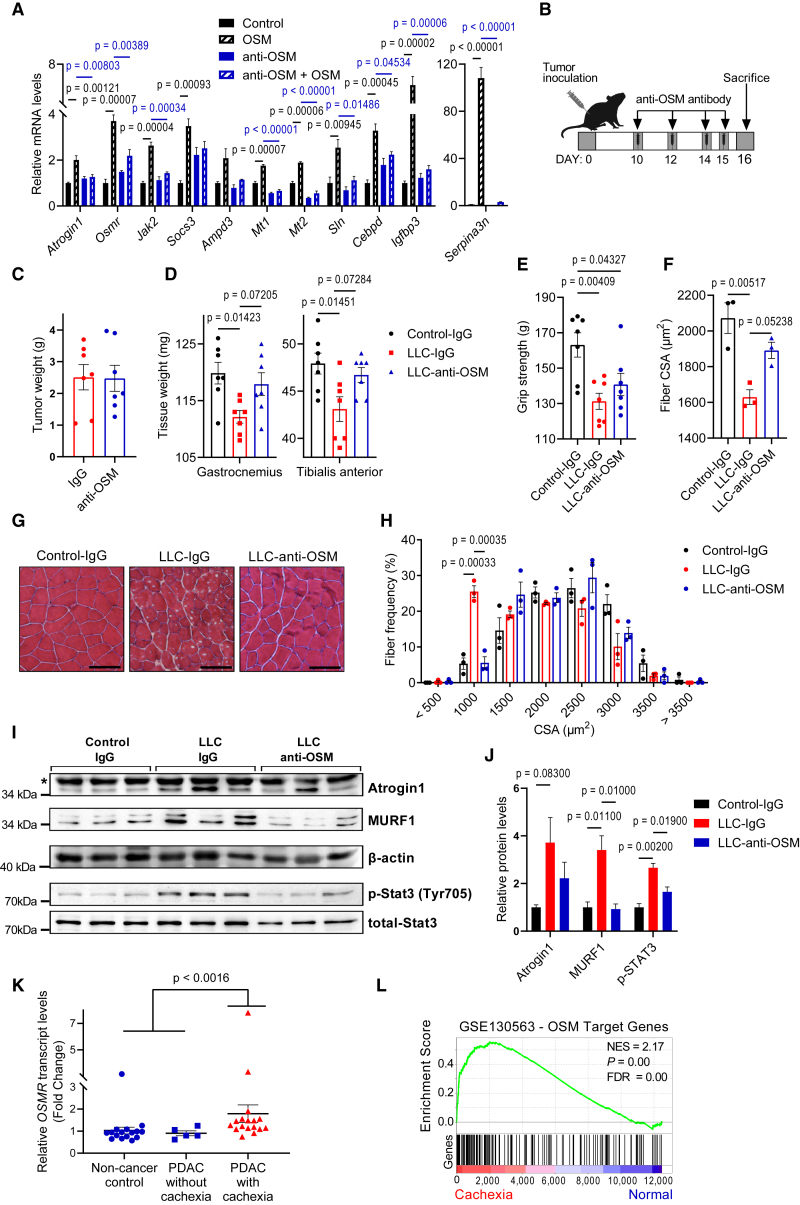
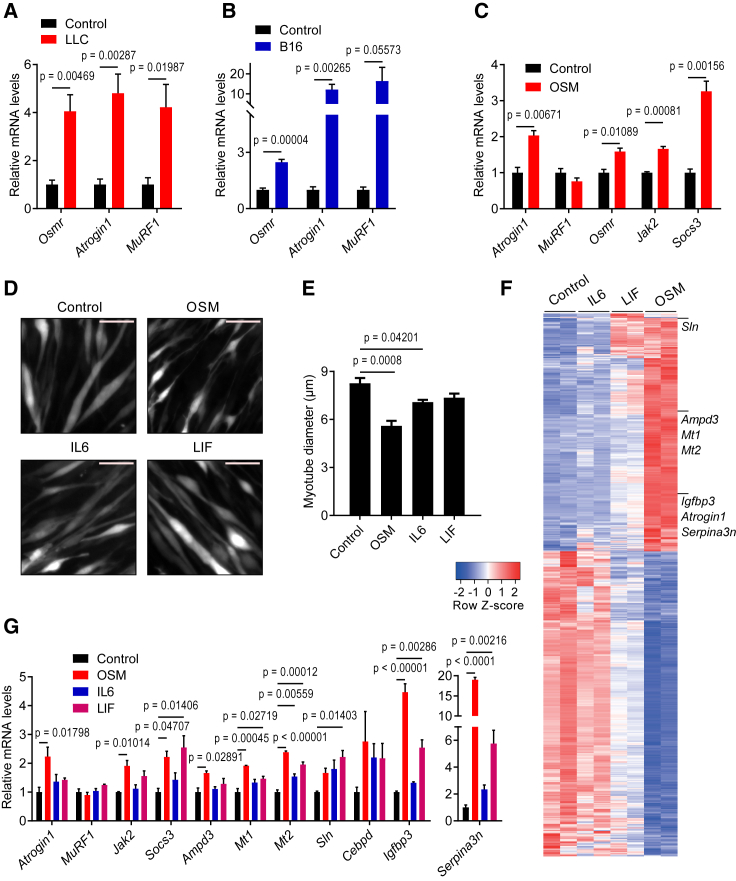
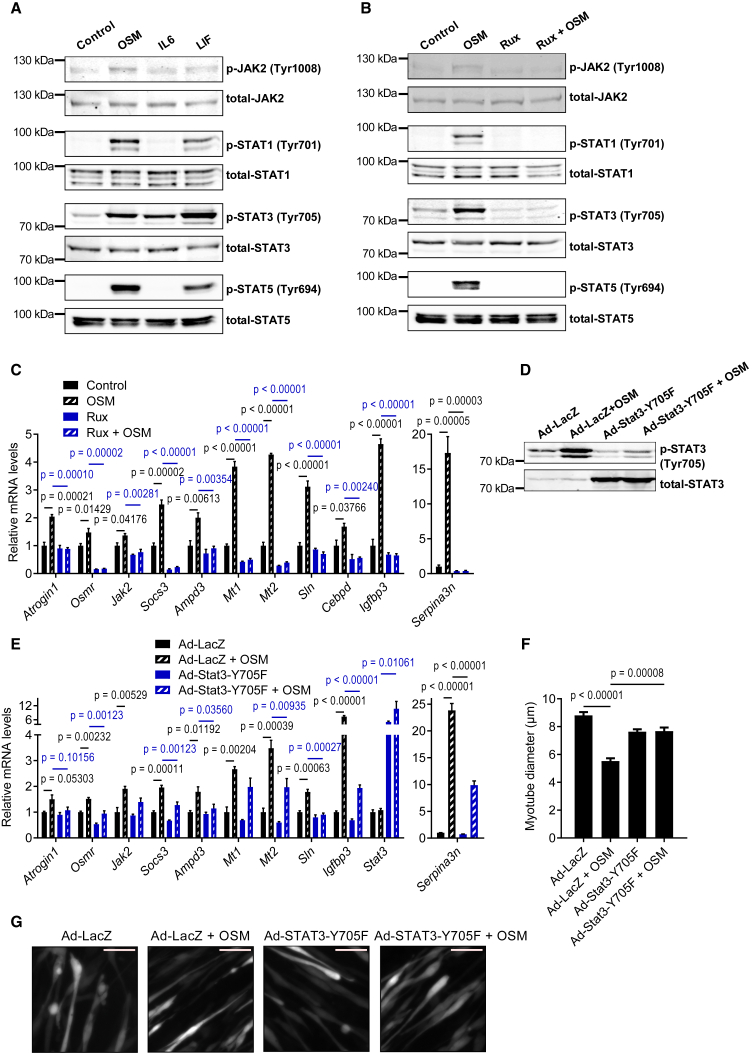
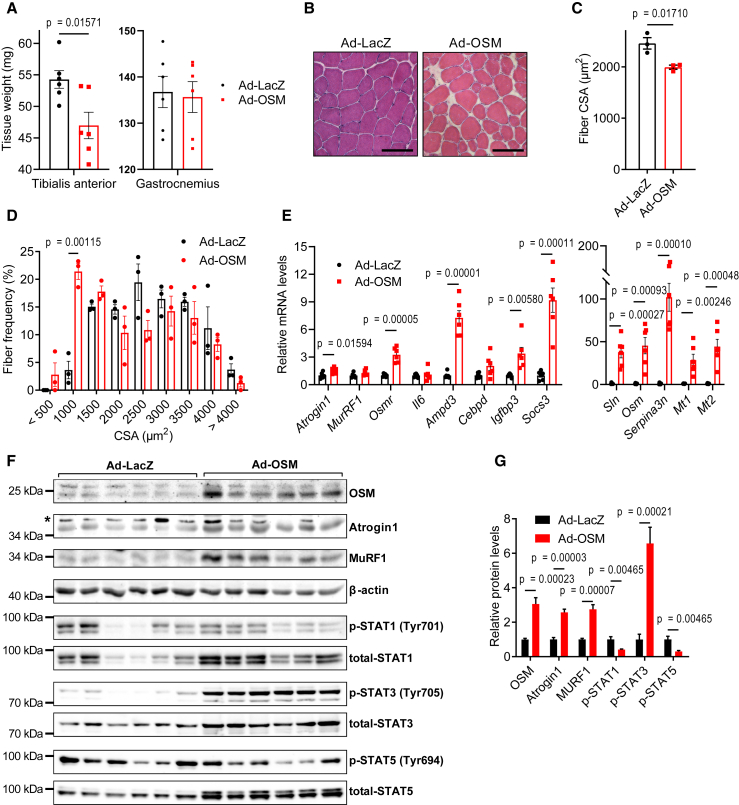
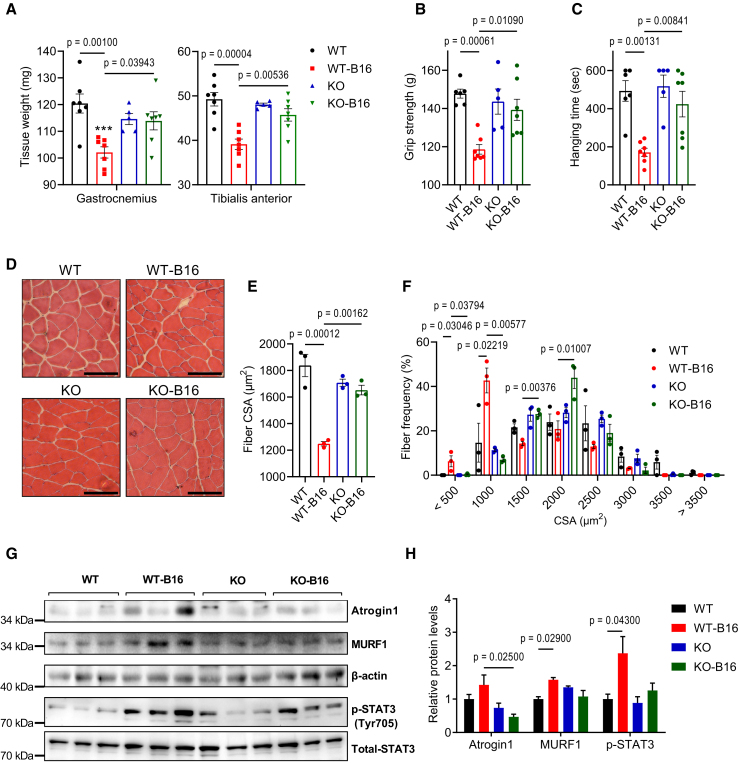
Progressive weakness and muscle loss are associated with multiple chronic conditions, including muscular dystrophy and cancer. Cancer-associated cachexia, characterized by dramatic weight loss and fatigue, leads to reduced quality of life and poor survival. Inflammatory cytokines have been implicated in muscle atrophy; however, available anticytokine therapies failed to prevent muscle wasting in cancer patients. Here, we show that oncostatin M (OSM) is a potent inducer of muscle atrophy. OSM triggers cellular atrophy in primary myotubes using the JAK/STAT3 pathway. Identification of OSM targets by RNA sequencing reveals the induction of various muscle atrophy-related genes, including Atrogin1. OSM overexpression in mice causes muscle wasting, whereas muscle-specific deletion of the OSM receptor (OSMR) and the neutralization of circulating OSM preserves muscle mass and function in tumor-bearing mice. Our results indicate that activated OSM/OSMR signaling drives muscle atrophy, and the therapeutic targeting of this pathway may be useful in preventing muscle wasting.
进行性无力和肌肉萎缩与多种慢性疾病有关,包括肌肉营养不良和癌症。癌症相关性恶病质的特征是体重明显下降和疲劳,导致生活质量下降和预后不良。炎症细胞因子与肌肉萎缩有关;然而,现有的抗细胞因子疗法未能预防癌症患者的肌肉消耗。在这里,我们表明,肿瘤坏死因子 M(OSM)是肌肉萎缩的一个强有力的诱导剂。OSM 通过 JAK/STAT3 途径触发原代肌管的细胞萎缩。通过 RNA 测序鉴定 OSM 靶标,揭示了各种与肌肉萎缩相关基因的诱导,包括 Atrogin1。在小鼠中过表达 OSM 会导致肌肉消耗,而肌肉特异性敲除 OSM 受体(OSMR)和中和循环 OSM 可在荷瘤小鼠中保留肌肉质量和功能。我们的结果表明,激活的 OSM/OSMR 信号驱动肌肉萎缩,靶向该途径的治疗可能有助于预防肌肉消耗。