Jeeyavudeen Mohammad Sadiq, Crosby Mairi, Pappachan Joseph M
Metabolic Unit, Western General Hospital, Edinburgh EH4 2XU, United Kingdom.
Department of Endocrinology and Metabolism, University Hospitals of Edinburgh, Edinburgh EH16 4SA, United Kingdom.
World J Methodol. 2024 Mar 20;14(1):90316. doi: 10.5662/wjm.v14.i1.90316.
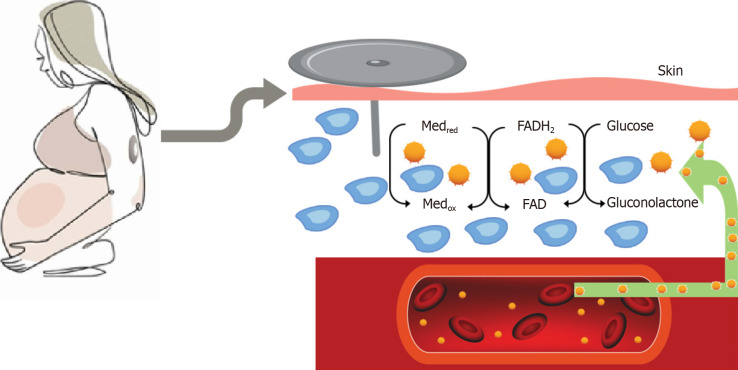
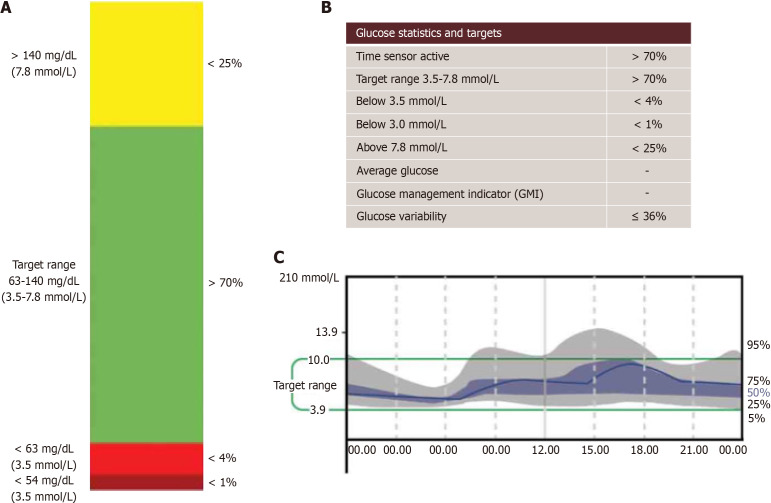
Managing diabetes during pregnancy is challenging, given the significant risk it poses for both maternal and foetal health outcomes. While traditional methods involve capillary self-monitoring of blood glucose level monitoring and periodic HbA1c tests, the advent of continuous glucose monitoring (CGM) systems has revolutionized the approach. These devices offer a safe and reliable means of tracking glucose levels in real-time, benefiting both women with diabetes during pregnancy and the healthcare providers. Moreover, CGM systems have shown a low rate of side effects and high feasibility when used in pregnancies complicated by diabetes, especially when paired with continuous subcutaneous insulin infusion pump as hybrid closed loop device. Such a combined approach has been demonstrated to improve overall blood sugar control, lessen the occurrence of preeclampsia and neonatal hypoglycaemia, and minimize the duration of neonatal intensive care unit stays. This paper aims to offer a comprehensive evaluation of CGM metrics specifically tailored for pregnancies impacted by type 1 diabetes mellitus.
鉴于妊娠期间糖尿病对母婴健康结局构成重大风险,孕期管理糖尿病具有挑战性。传统方法包括毛细血管血糖自我监测和定期糖化血红蛋白(HbA1c)检测,而连续血糖监测(CGM)系统的出现彻底改变了这一方法。这些设备提供了一种安全可靠的实时跟踪血糖水平的方法,对孕期糖尿病女性和医疗服务提供者都有益处。此外,CGM系统在合并糖尿病的妊娠中使用时副作用发生率低且可行性高,尤其是与持续皮下胰岛素输注泵作为混合闭环设备配合使用时。这种联合方法已被证明可改善整体血糖控制,减少先兆子痫和新生儿低血糖的发生,并缩短新生儿重症监护病房住院时间。本文旨在对专门针对1型糖尿病影响的妊娠而定制的CGM指标进行全面评估。