Khalpey Zain, Kumar Ujjawal, Aslam Usman, Krauthammer Yoaav, Doshi Rahul
Department of Cardiothoracic Surgery, HonorHealth, Scottsdale, USA.
School of Clinical Medicine, University of Cambridge, Cambridge, GBR.
Cureus. 2024 Apr 8;16(4):e57835. doi: 10.7759/cureus.57835. eCollection 2024 Apr.
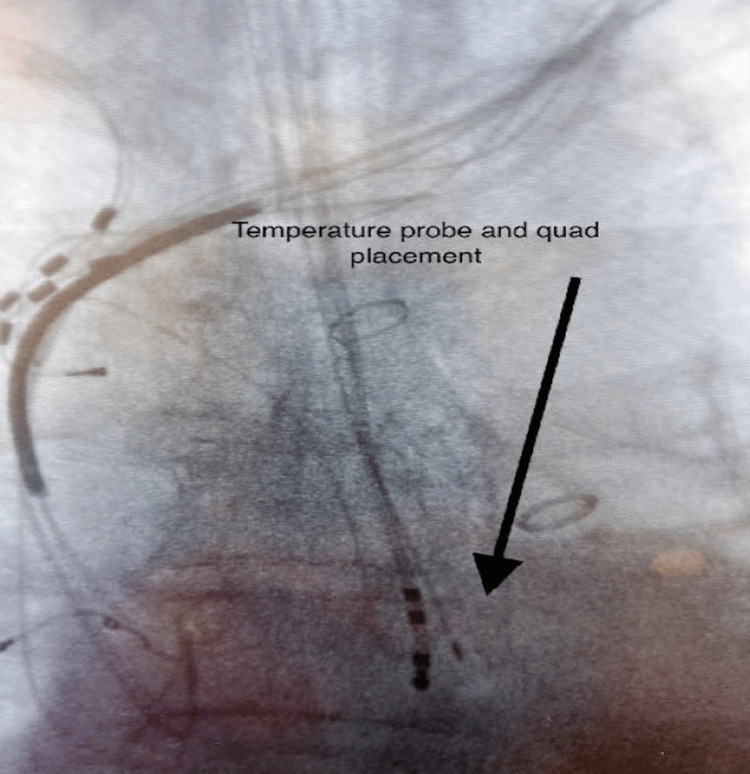
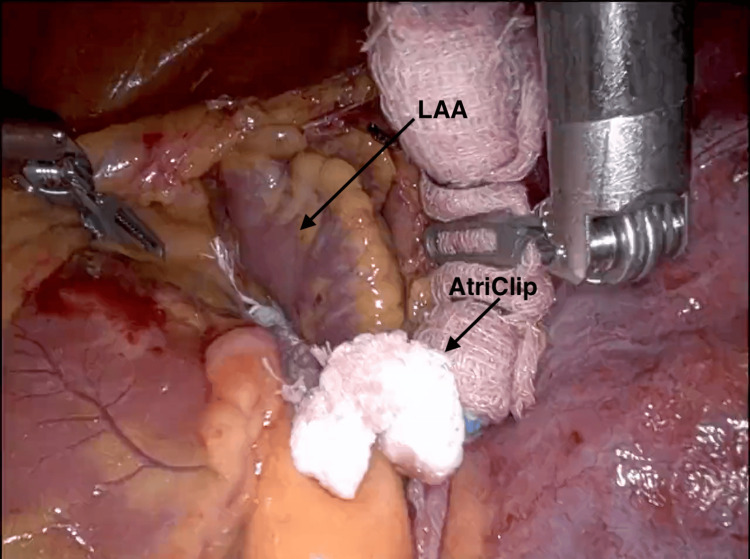
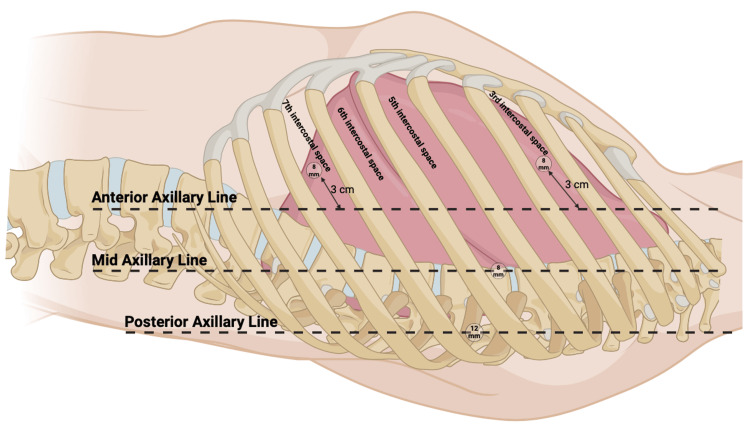
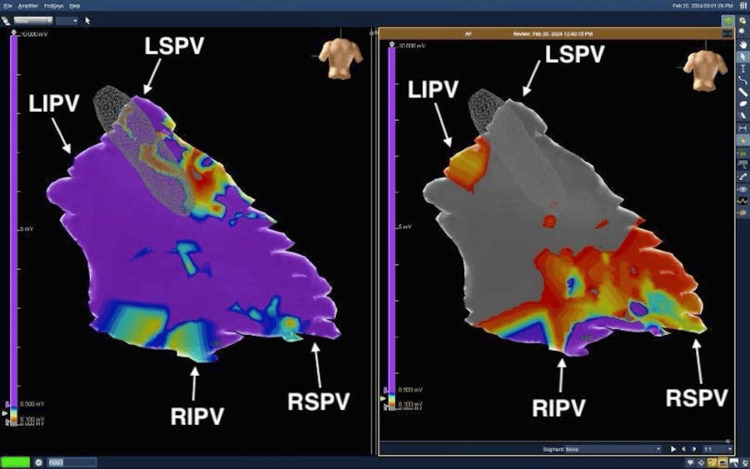
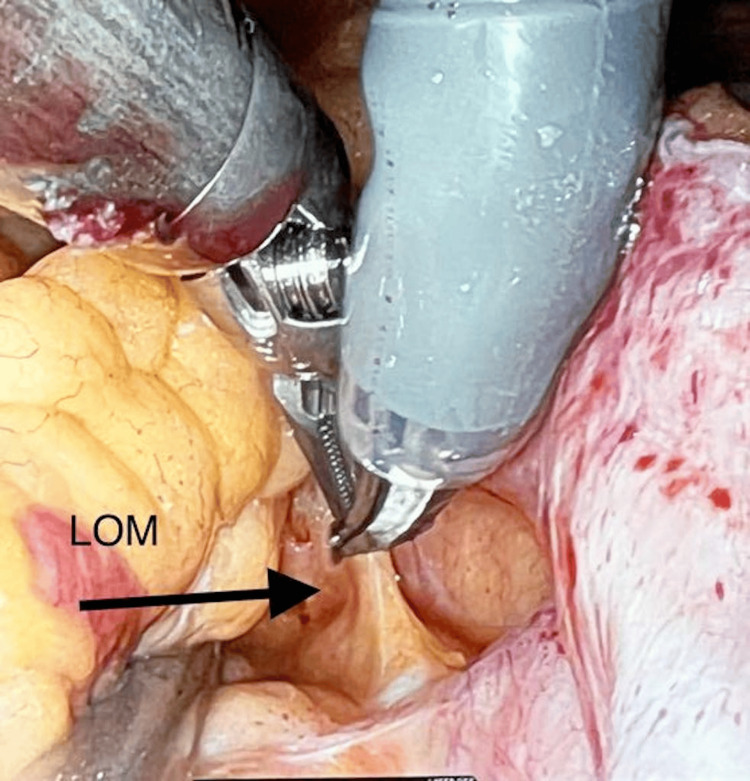
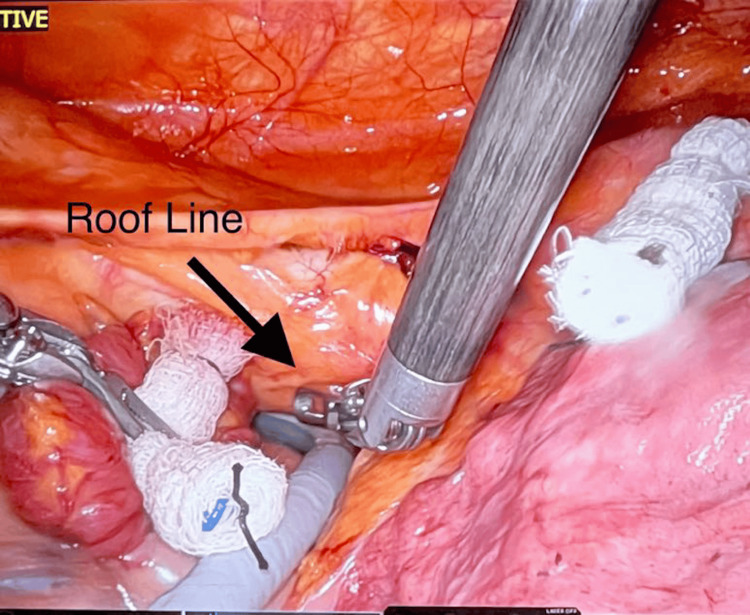
Atrial fibrillation (AF) is widely accepted to be the most common sustained arrhythmia, with an increasing incidence over time. This is thought to be due to the aging population across the world. AF occurs when abnormal electrical foci result in disorganization of atrial depolarization, though the exact pathophysiology leading to these abnormal foci is not well understood. A range of interventions exist for AF - pharmacological therapies (anti-arrhythmic or negative chronotropic medications), cardioversion, or ablations to interrupt the abnormal conduction pathways. Ablation may be via a catheter-based approach, via a surgical approach using the "Maze" procedure (Cox-Maze IV), or more recently, via a hybrid approach. This first involves a surgical epicardial ablation, with catheter-based endocardial ablation following a few weeks later to ensure durable transmural lesion sets via the "Convergent" procedure. We describe the use of the Da Vinci Xi™ robotic platform to improve the procedure, allowing continuous and improved visualization of the anatomy without the need for potentially harmful retraction of the atrial appendage or the back of the left atrium, as well as increased precision with our mapping tools and more complete ablation. Here, we highlight the advantages over a non-robotic (subxiphoid) Convergent procedure, while outlining the key operative steps in undertaking the "Robotic Convergent Plus" procedure using the Da Vinci Xi™ robotic surgical system.
心房颤动(AF)被广泛认为是最常见的持续性心律失常,且其发病率随时间不断上升。人们认为这是由于全球人口老龄化所致。当异常电灶导致心房去极化紊乱时就会发生房颤,不过导致这些异常电灶的确切病理生理学机制尚未完全明确。针对房颤有一系列干预措施——药物治疗(抗心律失常或负性变时性药物)、心脏复律或消融以中断异常传导通路。消融可通过基于导管的方法、采用“迷宫”手术(Cox迷宫IV型)的外科手术方法,或者最近采用的混合方法。混合方法首先进行外科心外膜消融,几周后再进行基于导管的心内膜消融,以通过“汇聚”手术确保形成持久的透壁病变组。我们描述了使用达芬奇Xi™机器人平台来改进该手术,无需对心耳或左心房后壁进行可能有害的牵拉,就能持续且更好地观察解剖结构,同时借助我们的标测工具提高了精度并实现了更完整的消融。在此,我们强调了相较于非机器人(剑突下)汇聚手术的优势,同时概述了使用达芬奇Xi™机器人手术系统进行“机器人汇聚增强”手术的关键操作步骤。