
用于靶向治疗携带表皮生长因子受体(EGFR)肿瘤的溶瘤单纯疱疹病毒。
Oncolytic herpes simplex viruses designed for targeted treatment of EGFR-bearing tumors.
作者信息
Ingusci Selene, Hall Bonnie L, Cohen Justus B, Glorioso Joseph C
机构信息
Department of Microbiology and Molecular Genetics, University of Pittsburgh, Pittsburgh, PA 15219, USA.
出版信息
Mol Ther Oncol. 2024 Jan 10;32(1):200761. doi: 10.1016/j.omton.2024.200761. eCollection 2024 Mar 21.
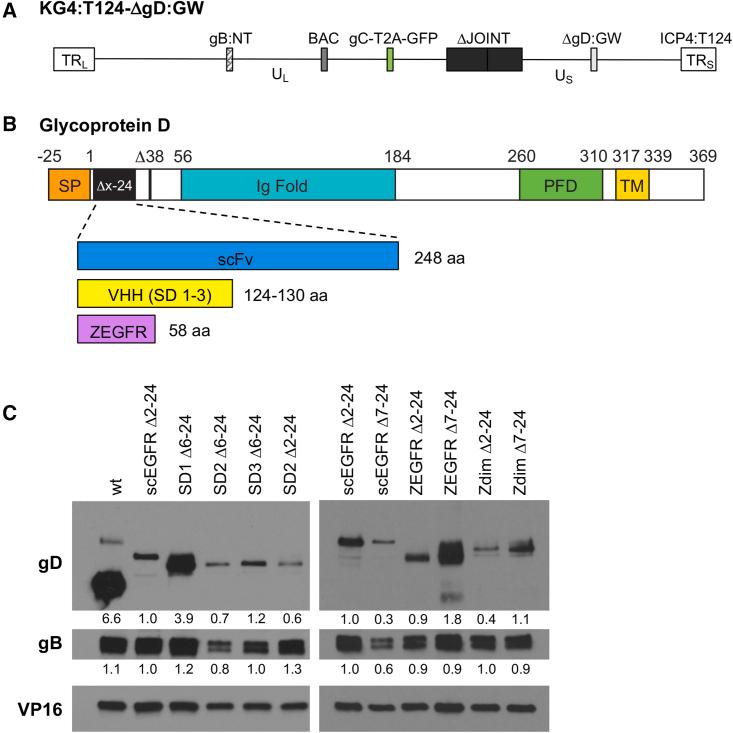
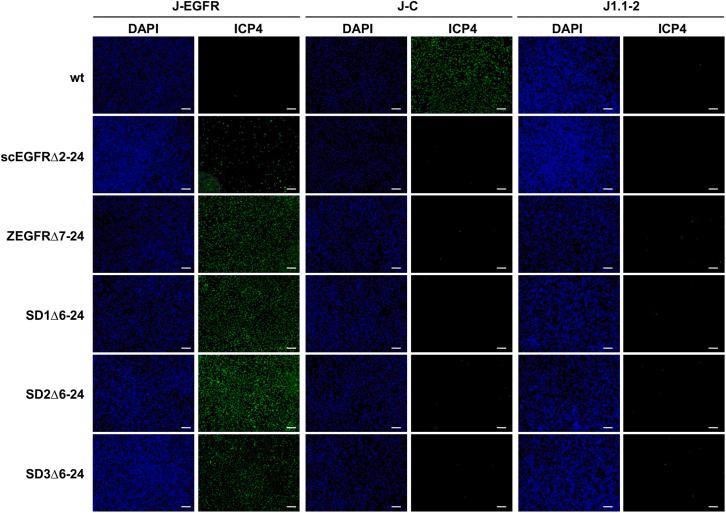
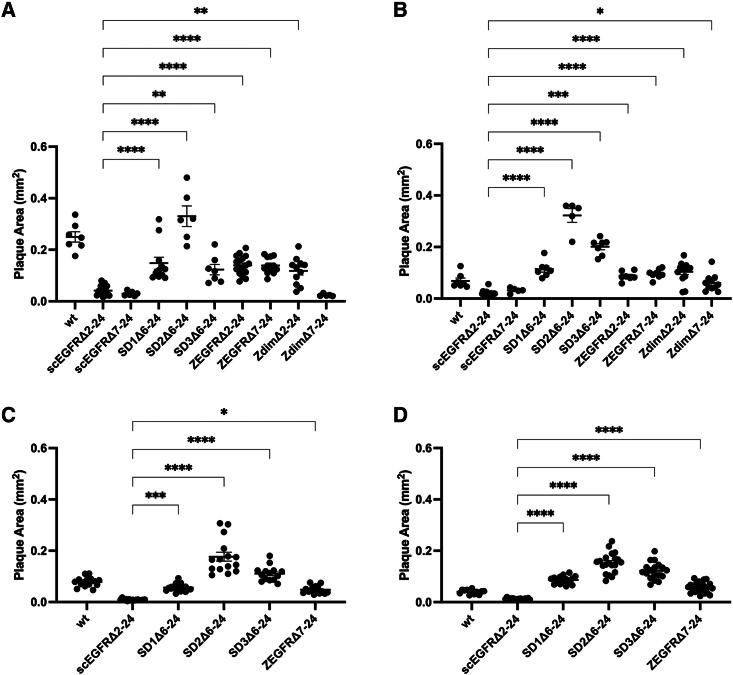
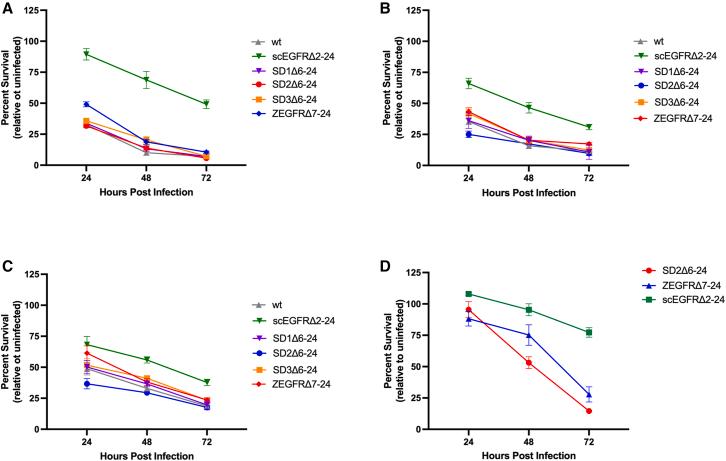
Oncolytic herpes simplex viruses (oHSVs) have emerged as leading cancer therapeutic agents. Effective oHSV virotherapy may ultimately require both intratumoral and systemic vector administration to target the primary tumor and distant metastases. An attractive approach to enhancing oHSV tumor specificity is engineering the virus envelope glycoproteins for selective recognition of and infection via tumor-specific cell surface proteins. We previously demonstrated that oHSVs could be retargeted to EGFR-expressing cells by the incorporation of a single-chain antibody (scFv) at the N terminus of glycoprotein D (gD). Here, we compared retargeted oHSVs generated by the insertion of scFv, affibody molecule, or VHH antibody ligands at different positions within the N terminus of gD. When compared to the scFv-directed oHSVs, VHH and affibody molecules mediated enhanced EGFR-specific tumor cell entry, spread and cell killing , and enabled long-term tumor-specific virus replication following intravenous delivery . Moreover, oHSVs retargeted via a VHH ligand reduced tumor growth upon intravenous injection and achieved complete tumor destruction after intratumoral injection. Systemic oHSV delivery is important for the treatment of metastatic disease, and our enhancements in targeted oHSV design are a critical step in creating an effective tumor-specific oHSVs for safe administration via the bloodstream.
溶瘤单纯疱疹病毒(oHSV)已成为主要的癌症治疗药物。有效的oHSV病毒疗法最终可能需要瘤内和全身给药载体,以靶向原发性肿瘤和远处转移灶。增强oHSV肿瘤特异性的一种有吸引力的方法是对病毒包膜糖蛋白进行工程改造,使其能够通过肿瘤特异性细胞表面蛋白进行选择性识别和感染。我们之前证明,通过在糖蛋白D(gD)的N端掺入单链抗体(scFv),oHSV可以重新靶向表达表皮生长因子受体(EGFR)的细胞。在这里,我们比较了通过在gD的N端不同位置插入scFv、亲合体分子或VHH抗体配体产生的重新靶向的oHSV。与scFv导向的oHSV相比,VHH和亲合体分子介导增强的EGFR特异性肿瘤细胞进入、扩散和细胞杀伤,并在静脉注射后实现长期肿瘤特异性病毒复制。此外,通过VHH配体重新靶向的oHSV在静脉注射后可减少肿瘤生长,并在瘤内注射后实现肿瘤完全破坏。全身给药oHSV对于转移性疾病的治疗很重要,我们在靶向oHSV设计方面的改进是创建一种有效的肿瘤特异性oHSV以通过血流安全给药的关键一步。




 Zotero 插件