Department of Environmental Toxicology, University of California Davis, Davis, California 95616-8588, United States.
Proteomics Core Facility, University of California Davis, Davis, California 95616, United States.
Chem Res Toxicol. 2024 May 20;37(5):675-684. doi: 10.1021/acs.chemrestox.3c00353. Epub 2024 Apr 10.
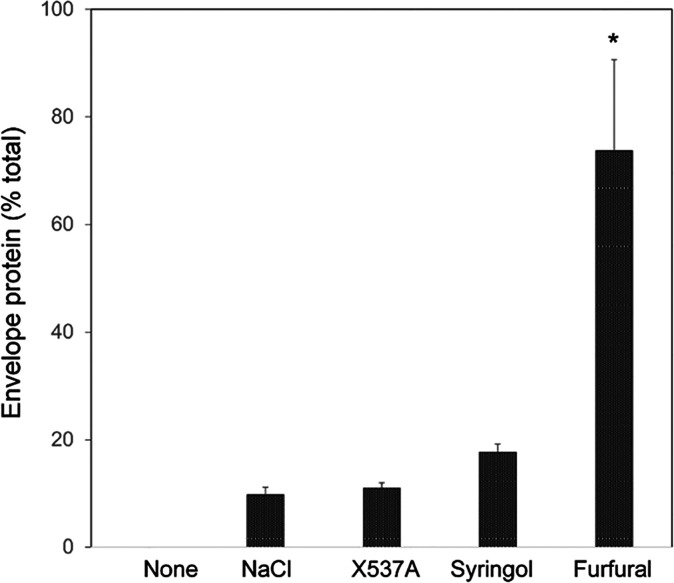
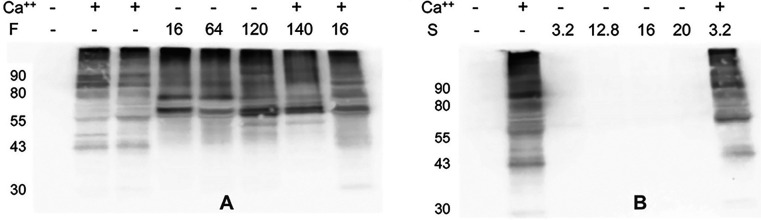
Air pollution consists of complex mixtures of chemicals with serious deleterious health effects from acute and chronic exposure. To help understand the mechanisms by which adverse effects occur, the present work examines the responses of cultured human epidermal keratinocytes to specific chemicals commonly found in woodsmoke. Our earlier findings with liquid smoke flavoring (aqueous extract of charred wood) revealed that such extracts stimulated the expression of genes associated with oxidative stress and proinflammatory response, activated the aryl hydrocarbon receptor, thereby inducing cytochrome P4501A1 activity, and induced cross-linked envelope formation, a lethal event ordinarily occurring during terminal differentiation. The present results showed that furfural produced transcriptional responses resembling those of liquid smoke, cyclohexanedione activated the aryl hydrocarbon receptor, and several chemicals induced envelope formation. Of these, syringol permeabilized the cells to the egress of lactate dehydrogenase at a concentration close to that yielding envelope formation, while furfural induced envelope formation without permeabilization detectable in this way. Furfural (but not syringol) stimulated the incorporation of amines into cell proteins in extracts in the absence of transglutaminase activity. Nevertheless, both chemicals substantially increased the amount of cellular protein incorporated into envelopes and greatly altered the envelope protein profile. Moreover, the proportion of keratin in the envelopes was dramatically increased. These findings are consistent with the chemically induced protein cross-linking in the cells. Elucidating mechanisms by which this phenomenon occurs may help understand how smoke chemicals interact with proteins to elicit cellular responses, interpret bioassays of complex pollutant mixtures, and suggest additional sensitive ways to monitor exposures.
空气污染由复杂的化学物质混合物组成,急性和慢性暴露都会对健康造成严重的有害影响。为了帮助理解不良影响发生的机制,本研究检查了培养的人表皮角质细胞对常见于木烟的特定化学物质的反应。我们之前对熏烟调味剂(烧焦木材的水提取物)的研究发现,这种提取物刺激了与氧化应激和促炎反应相关的基因表达,激活了芳烃受体,从而诱导细胞色素 P4501A1 活性,并诱导交联包膜形成,这是通常发生在终末分化过程中的致命事件。本研究结果表明,糠醛产生的转录反应类似于熏烟,环己二酮激活芳烃受体,并且几种化学物质诱导包膜形成。其中,丁香酚在接近产生包膜形成的浓度下使细胞对乳酸脱氢酶的外排具有通透性,而糠醛诱导包膜形成而没有以这种方式检测到的通透性。糠醛(但不是丁香酚)刺激在没有转谷氨酰胺酶活性的情况下将胺掺入细胞蛋白提取物中。然而,这两种化学物质都大大增加了细胞蛋白掺入包膜的量,并极大地改变了包膜蛋白谱。此外,包膜中角蛋白的比例显著增加。这些发现与细胞中化学诱导的蛋白质交联一致。阐明这种现象发生的机制可能有助于理解烟雾化学物质如何与蛋白质相互作用以引发细胞反应,解释复杂污染物混合物的生物测定,并提出额外的敏感方法来监测暴露。