Center for Translational and Computational Neuroimmunology, Columbia University Medical Center, New York, NY, USA.
Taub Institute for Research on Alzheimer's Disease and Aging Brain, Columbia University Medical Center, New York, NY, USA.
Stem Cell Res Ther. 2024 Apr 10;15(1):104. doi: 10.1186/s13287-024-03700-9.
Microglia, the brain's resident immune cells, play vital roles in brain development, and disorders like Alzheimer's disease (AD). Human iPSC-derived microglia (iMG) provide a promising model to study these processes. However, existing iMG generation protocols face challenges, such as prolonged differentiation time, lack of detailed characterization, and limited gene function investigation via CRISPR-Cas9.
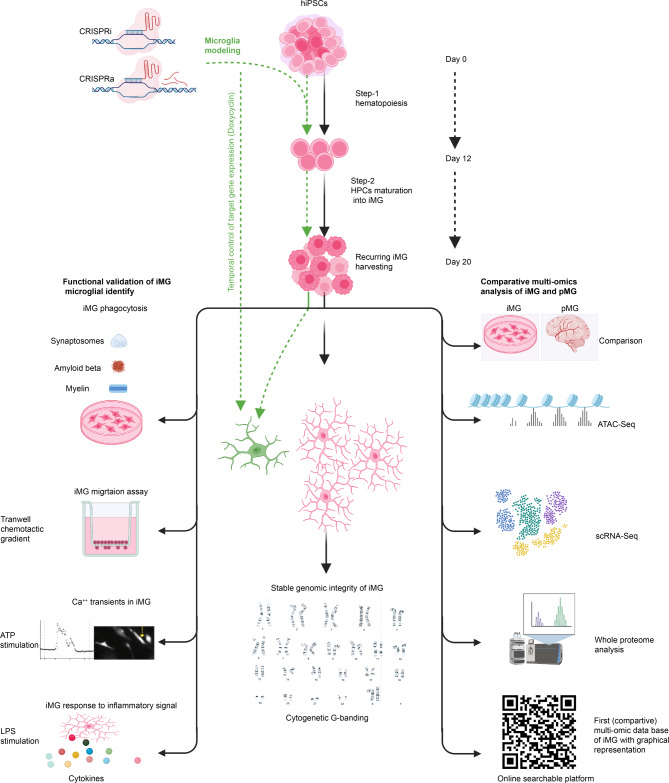
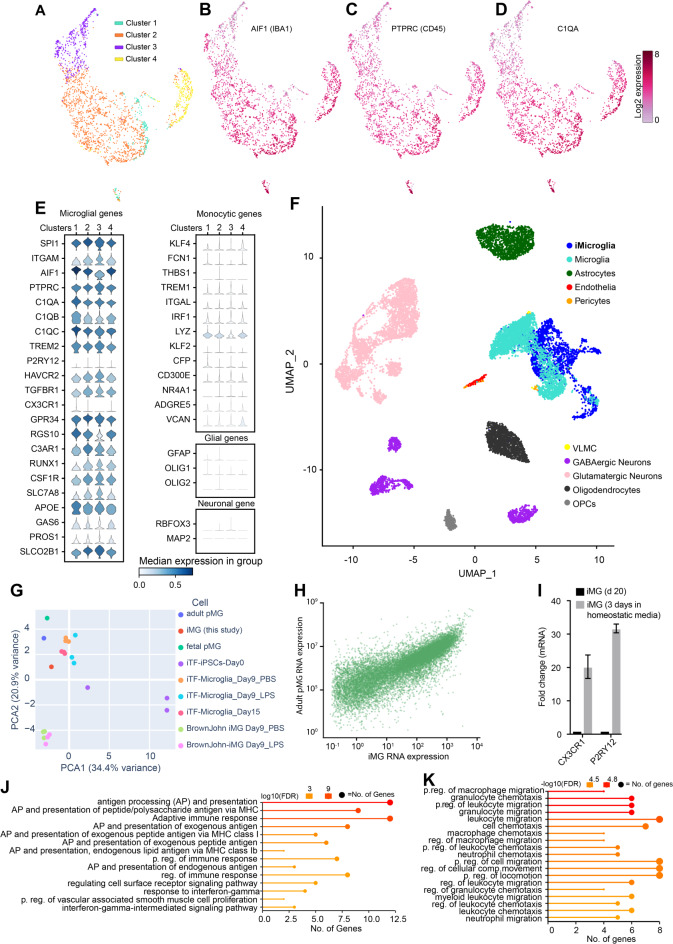
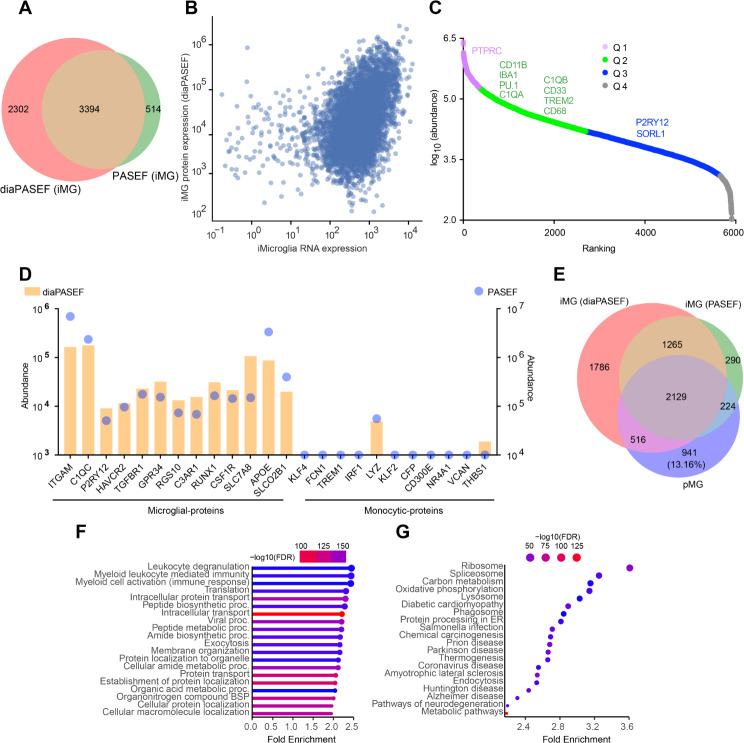
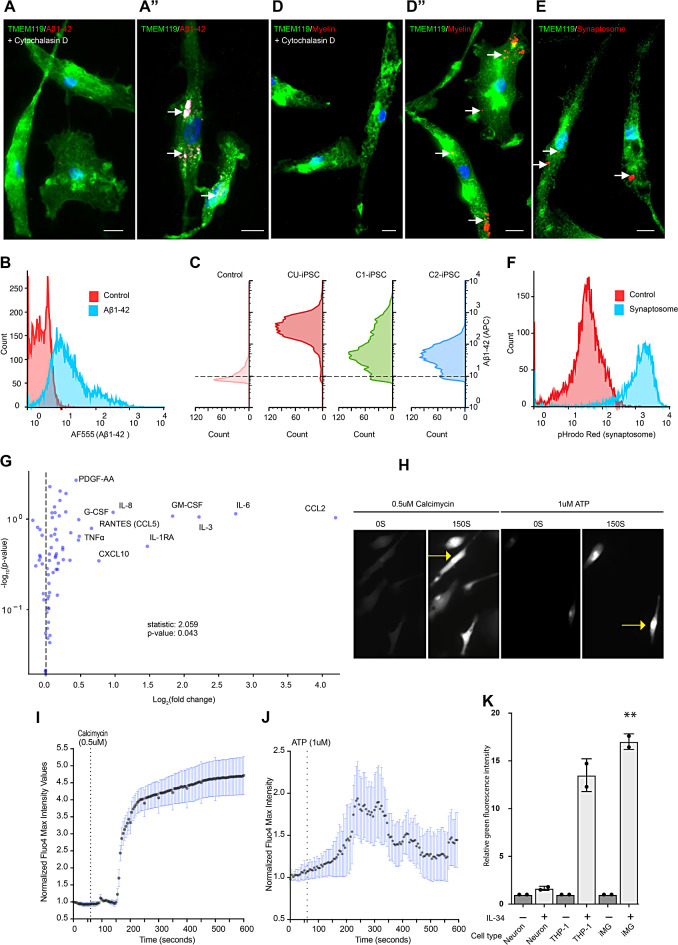
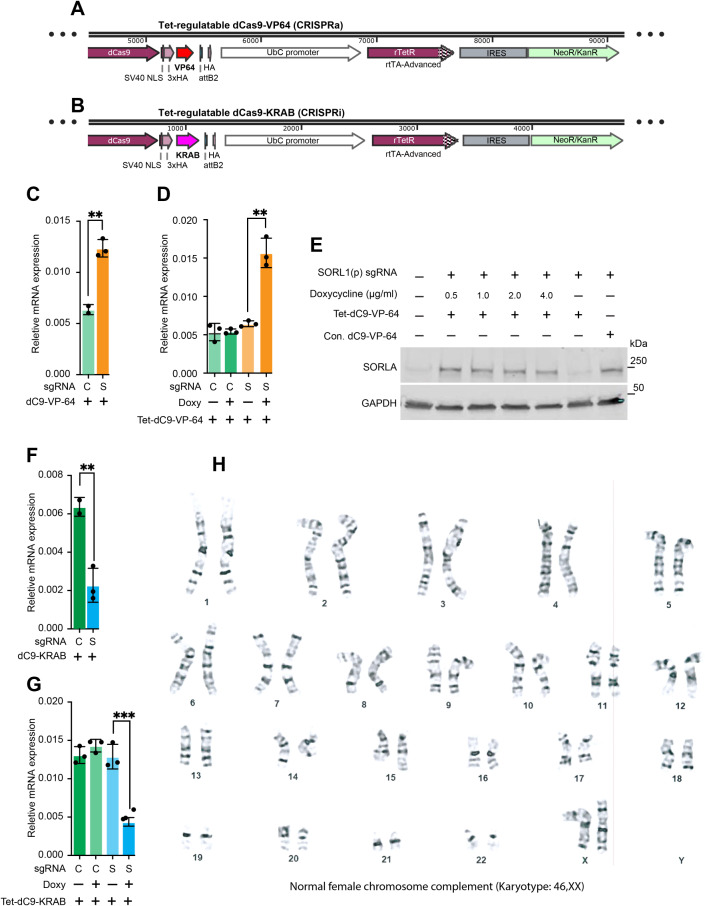
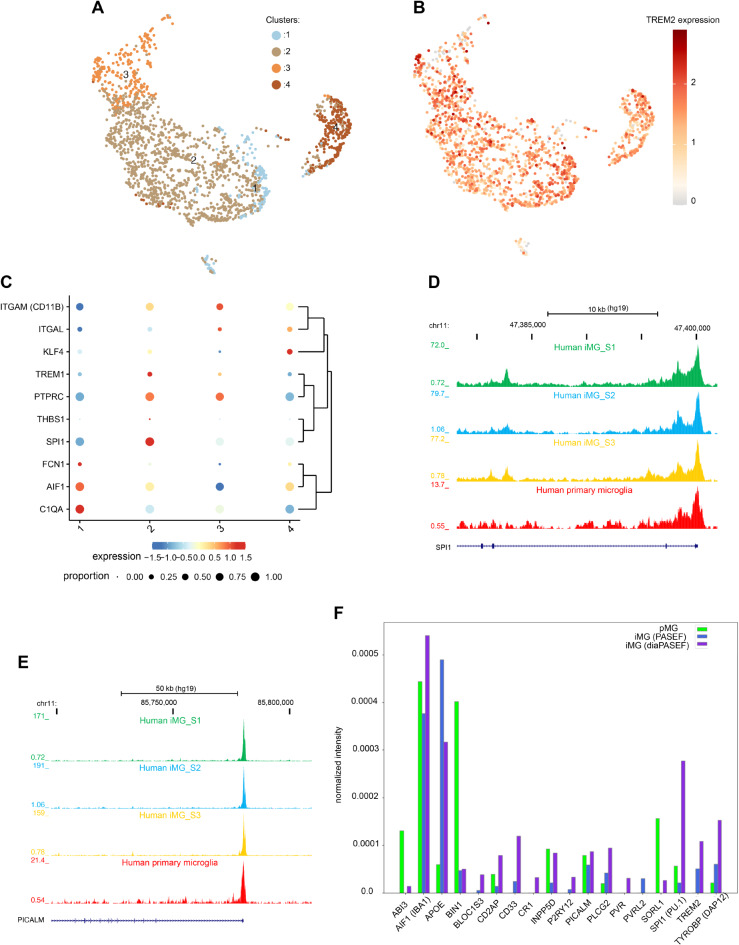
Our integrated toolkit for in-vitro microglia functional genomics optimizes iPSC differentiation into iMG through a streamlined two-step, 20-day process, producing iMG with a normal karyotype. We confirmed the iMG's authenticity and quality through single-cell RNA sequencing, chromatin accessibility profiles (ATAC-Seq), proteomics and functional tests. The toolkit also incorporates a drug-dependent CRISPR-ON/OFF system for temporally controlled gene expression. Further, we facilitate the use of multi-omic data by providing online searchable platform that compares new iMG profiles to human primary microglia: https://sherlab.shinyapps.io/IPSC-derived-Microglia/ .
Our method generates iMG that closely align with human primary microglia in terms of transcriptomic, proteomic, and chromatin accessibility profiles. Functionally, these iMG exhibit Ca2 + transients, cytokine driven migration, immune responses to inflammatory signals, and active phagocytosis of CNS related substrates including synaptosomes, amyloid beta and myelin. Significantly, the toolkit facilitates repeated iMG harvesting, essential for large-scale experiments like CRISPR-Cas9 screens. The standalone ATAC-Seq profiles of our iMG closely resemble primary microglia, positioning them as ideal tools to study AD-associated single nucleotide variants (SNV) especially in the genome regulatory regions.
Our advanced two-step protocol rapidly and efficiently produces authentic iMG. With features like the CRISPR-ON/OFF system and a comprehensive multi-omic data platform, our toolkit equips researchers for robust microglial functional genomic studies. By facilitating detailed SNV investigation and offering a sustainable cell harvest mechanism, the toolkit heralds significant progress in neurodegenerative disease drug research and therapeutic advancement.
小胶质细胞是大脑中的常驻免疫细胞,在大脑发育和阿尔茨海默病(AD)等疾病中发挥着重要作用。人类诱导多能干细胞(iPSC)衍生的小胶质细胞(iMG)为研究这些过程提供了有前途的模型。然而,现有的 iMG 生成方案存在一些挑战,例如分化时间长、缺乏详细的特征描述以及通过 CRISPR-Cas9 进行基因功能研究的能力有限。
我们用于体外小胶质细胞功能基因组学的集成工具包通过简化的两步 20 天过程优化了 iPSC 分化为 iMG 的过程,生成具有正常核型的 iMG。我们通过单细胞 RNA 测序、染色质可及性图谱(ATAC-Seq)、蛋白质组学和功能测试确认了 iMG 的真实性和质量。该工具包还包含一种药物依赖性的 CRISPR-ON/OFF 系统,用于时间控制基因表达。此外,我们通过提供在线可搜索平台,将新的 iMG 图谱与人类原代小胶质细胞进行比较,方便使用多组学数据:https://sherlab.shinyapps.io/IPSC-derived-Microglia/ 。
我们的方法生成的 iMG 在转录组、蛋白质组和染色质可及性图谱方面与人类原代小胶质细胞非常相似。在功能上,这些 iMG 表现出 Ca2+瞬变、细胞因子驱动的迁移、对炎症信号的免疫反应以及对包括突触小体、β淀粉样蛋白和髓鞘在内的中枢神经系统相关底物的主动吞噬作用。重要的是,该工具包促进了 iMG 的重复收获,这对于 CRISPR-Cas9 筛选等大规模实验至关重要。我们的 iMG 的独立 ATAC-Seq 图谱与原代小胶质细胞非常相似,使它们成为研究与 AD 相关的单核苷酸变异(SNV)的理想工具,特别是在基因组调控区域。
我们的两步法方案快速高效地生成了真实的 iMG。该工具包具有 CRISPR-ON/OFF 系统和全面的多组学数据平台等功能,为研究人员进行强大的小胶质细胞功能基因组学研究提供了装备。通过促进详细的 SNV 研究并提供可持续的细胞收获机制,该工具包在神经退行性疾病药物研究和治疗进展方面取得了重大进展。