Janssen Pharmaceutica NV, Turnhoutseweg 30, Beerse 2340, Belgium.
Office of Translational Science, Office of Clinical Pharmacology (OCP), Center for Drug Evaluation and Research, Food and Drug Administration (FDA), 10903 New Hampshire Avenue, Silver Spring, Maryland 20993, United States.
Mol Pharm. 2024 May 6;21(5):2065-2080. doi: 10.1021/acs.molpharmaceut.4c00202. Epub 2024 Apr 10.
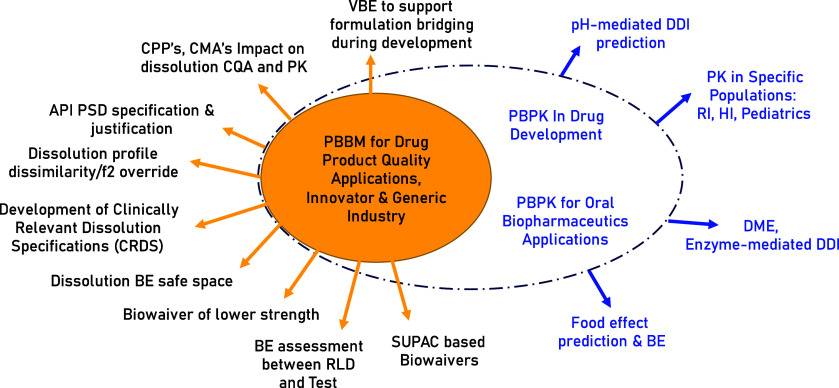
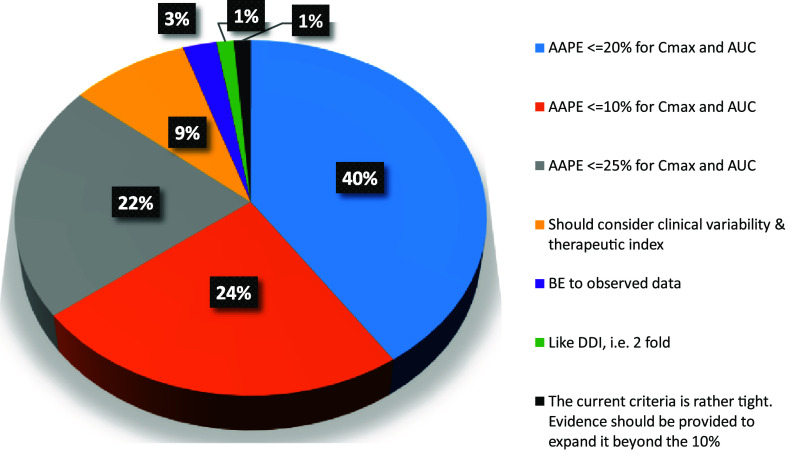
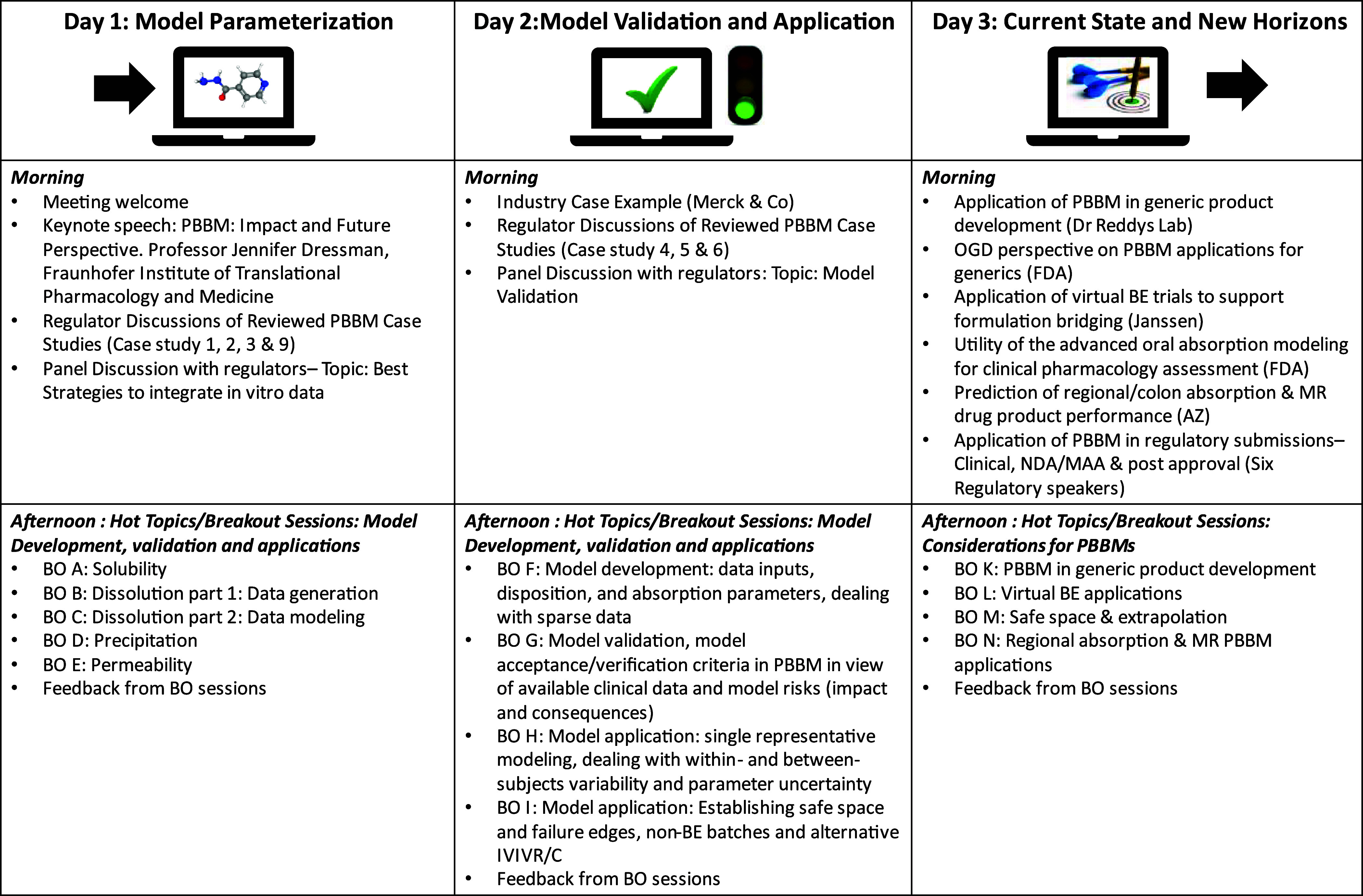
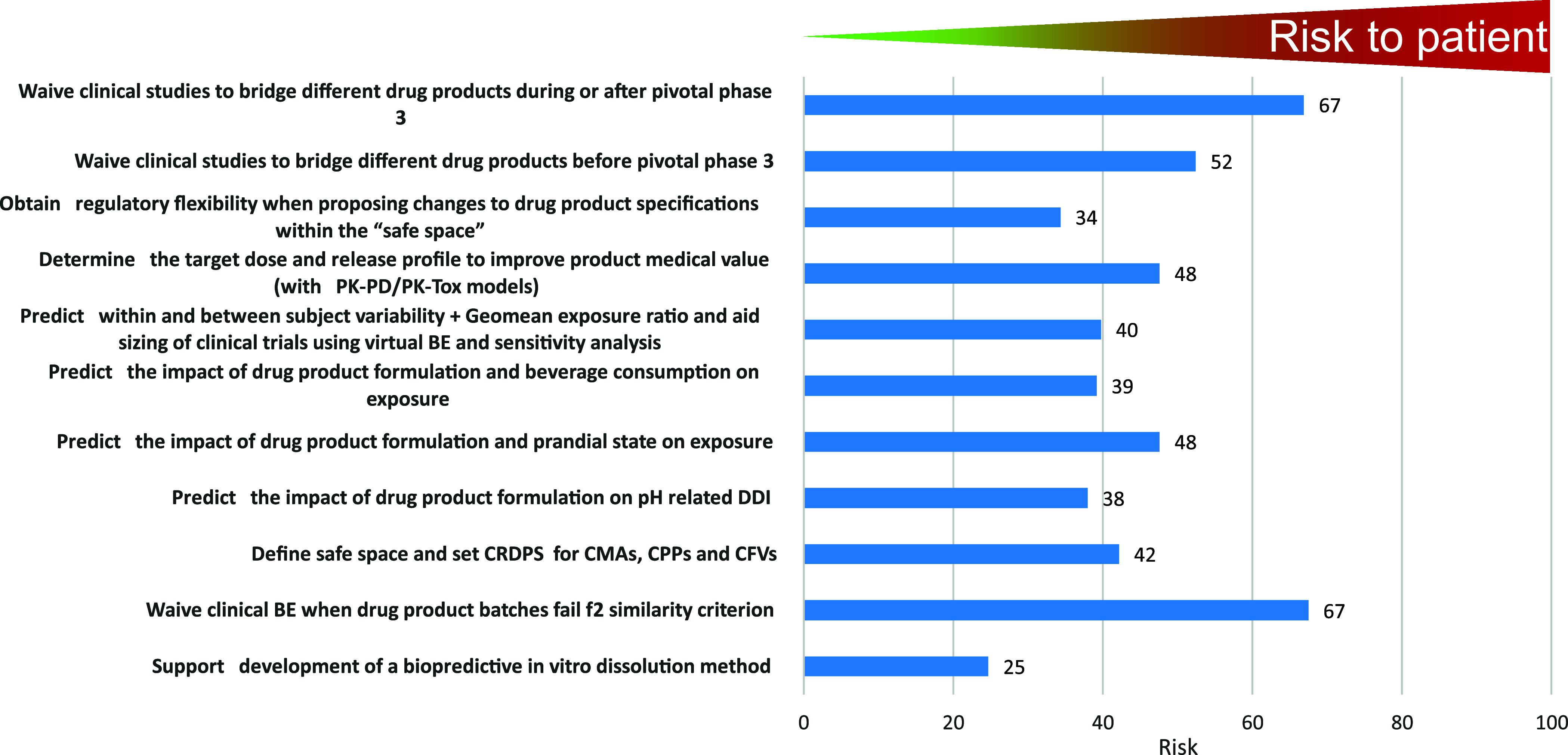
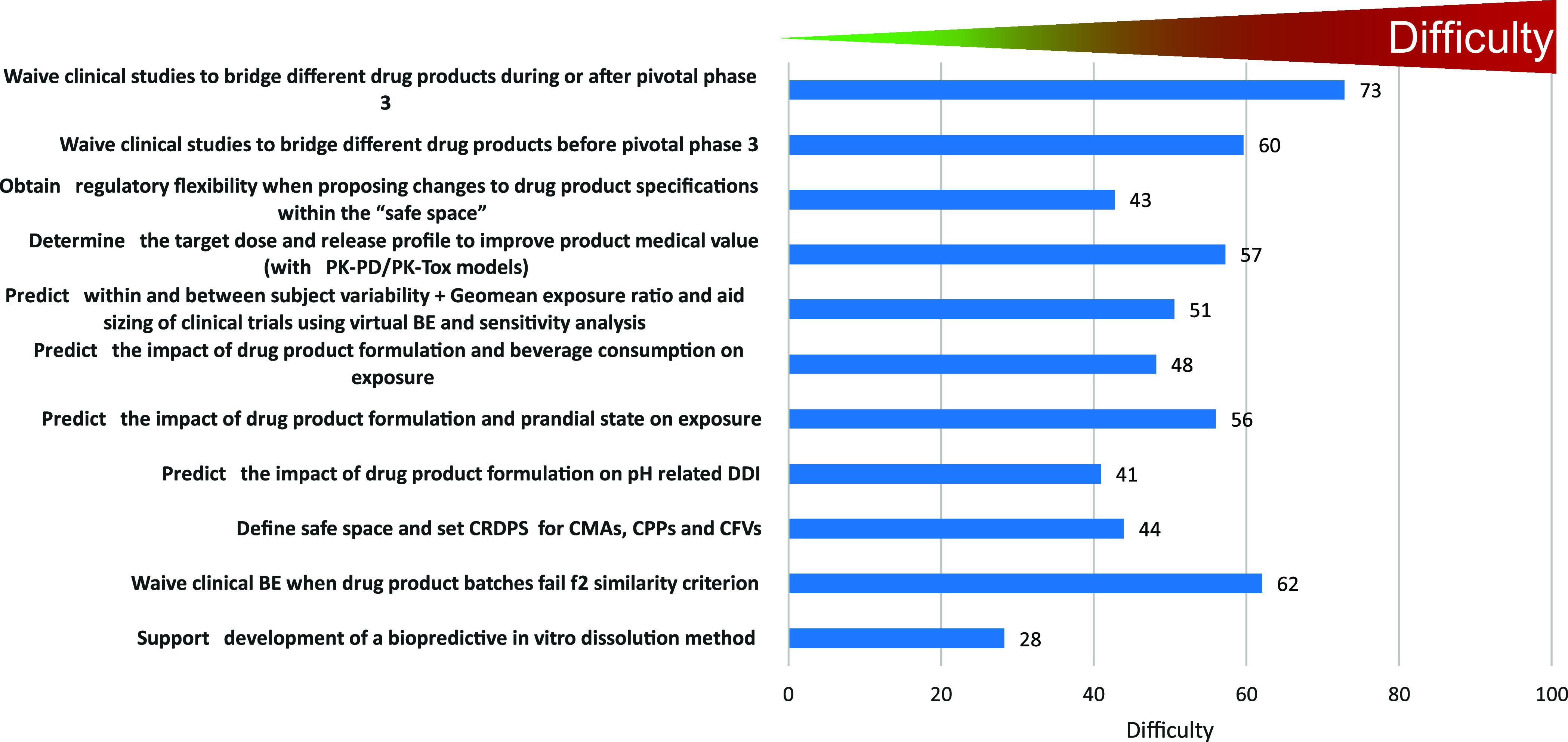
Physiologically based biopharmaceutics modeling (PBBM) is used to elevate drug product quality by providing a more accurate and holistic understanding of how drugs interact with the human body. These models are based on the integration of physiological, pharmacological, and pharmaceutical data to simulate and predict drug behavior in vivo. Effective utilization of PBBM requires a consistent approach to model development, verification, validation, and application. Currently, only one country has a draft guidance document for PBBM, whereas other major regulatory authorities have had limited experience with the review of PBBM. To address this gap, industry submitted confidential PBBM case studies to be reviewed by the regulatory agencies; software companies committed to training. PBBM cases were independently and collaboratively discussed by regulators, and academic colleagues participated in some of the discussions. Successful bioequivalence "safe space" industry case examples are also presented. Overall, six regulatory agencies were involved in the case study exercises, including ANVISA, FDA, Health Canada, MHRA, PMDA, and EMA (experts from Belgium, Germany, Norway, Portugal, Spain, and Sweden), and we believe this is the first time such a collaboration has taken place. The outcomes were presented at this workshop, together with a participant survey on the utility and experience with PBBM submissions, to discuss the best scientific practices for developing, validating, and applying PBBMs. The PBBM case studies enabled industry to receive constructive feedback from global regulators and highlighted clear direction for future PBBM submissions for regulatory consideration.
生理药代动力学建模(PBBM)用于通过更准确和全面地了解药物与人体的相互作用来提高药物产品的质量。这些模型基于生理、药理和药物数据的整合,以模拟和预测药物在体内的行为。有效利用 PBBM 需要对模型开发、验证、确认和应用采用一致的方法。目前,只有一个国家有 PBBM 的指导文件草案,而其他主要监管机构对 PBBM 的审查经验有限。为了解决这一差距,行业提交了 PBBM 案例研究供监管机构审查;软件公司承诺进行培训。监管机构独立和合作讨论 PBBM 案例,一些学术同事也参与了讨论。还介绍了成功的生物等效性“安全空间”行业案例示例。总体而言,有六个监管机构参与了案例研究,包括 ANVISA、FDA、加拿大卫生部、MHRA、PMDA 和 EMA(来自比利时、德国、挪威、葡萄牙、西班牙和瑞典的专家),我们相信这是第一次进行此类合作。在本次研讨会上展示了这些结果,并对 PBBM 提交的实用性和经验进行了参与者调查,以讨论开发、验证和应用 PBBM 的最佳科学实践。这些 PBBM 案例研究使行业能够从全球监管机构获得建设性的反馈,并为未来的 PBBM 提交提供了明确的监管考虑方向。