Kazemi Asl Siamak, Rahimzadegan Milad, Kazemi Asl Alireza
Deputy of Education, Ministry of Health and Medical Education, Tehran, Iran.
Functional Neurosurgery Research Center, Shohada Tajrish Comprehensive Neurosurgical Center of Excellence, Shahid Beheshti University of Medical Sciences, Tehran, Iran.
Heliyon. 2024 Mar 29;10(7):e28983. doi: 10.1016/j.heliyon.2024.e28983. eCollection 2024 Apr 15.
Coronary artery disease (CAD) is the most common reason for mortality and disability-adjusted life years (DALYs) lost globally. This study aimed to suggest a new gene list for the treatment of CAD by a systematic review of bioinformatics analyses of pharmacogenomics impacts of potential genes and variants.
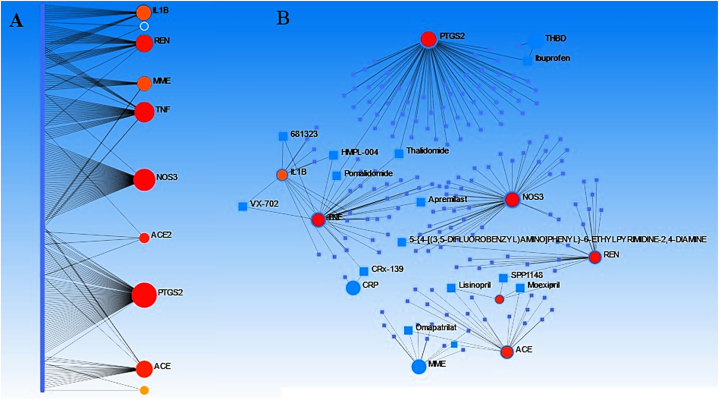
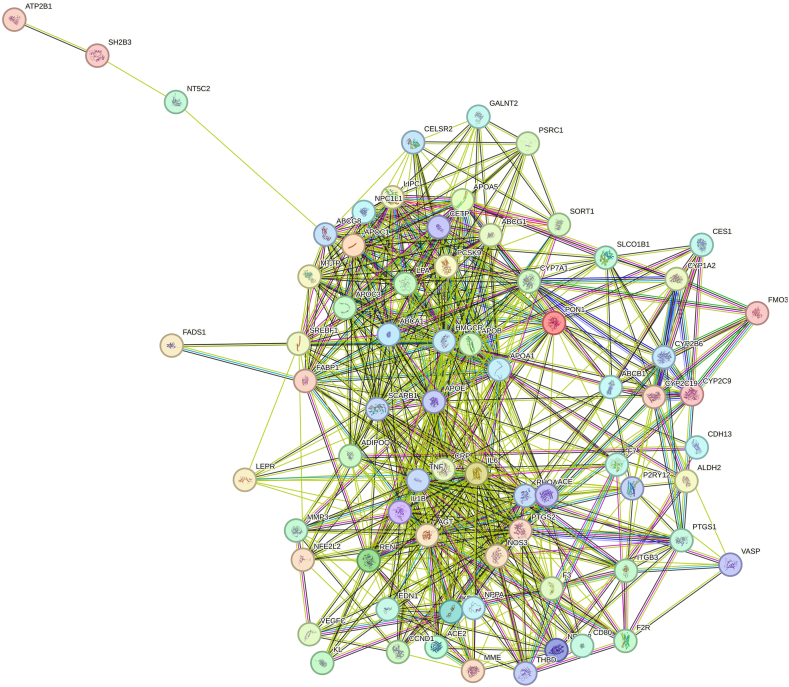
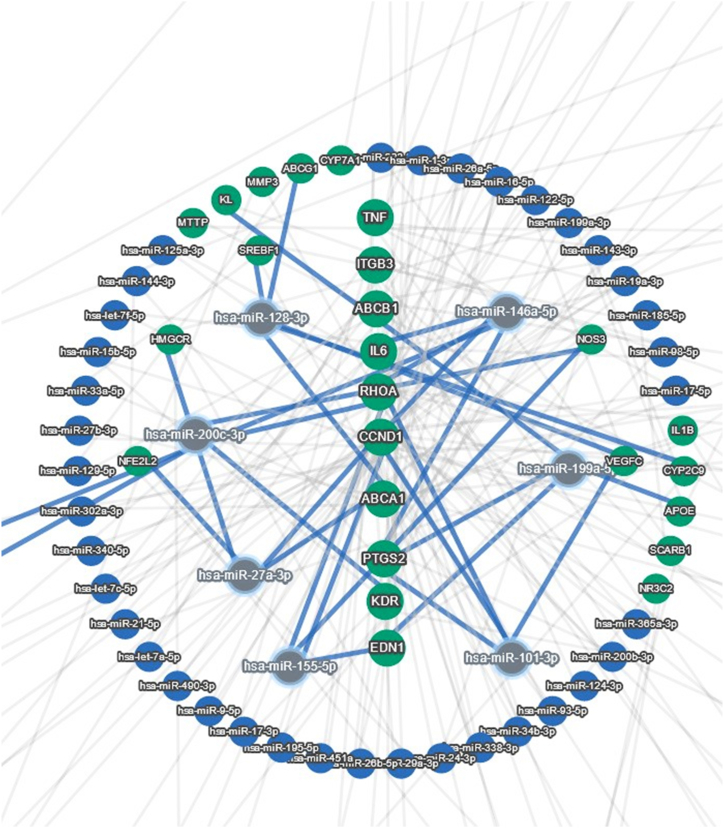
PubMed search was filtered by the title including Coronary Artery Disease during 2020-2023. To find the genes with pharmacogenetic impact on the CAD, additional filtrations were considered according to the variant annotations. Protein-Protein Interactions (PPIs), Gene-miRNA Interactions (GMIs), Protein-Drug Interactions (PDIs), and variant annotation assessments (VAAs) performed by STRING-MODEL (ver. 12), Cytoscape (ver. 3.10), miRTargetLink.2., NetworkAnalyst (ver 0.3.0), and PharmGKB.
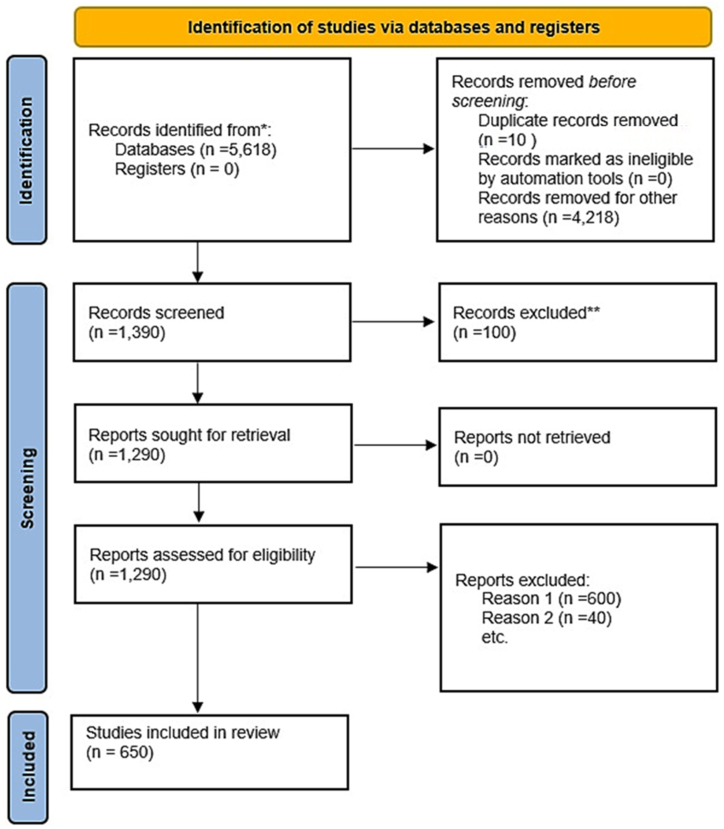
Results revealed 5618 publications, 1290 papers were qualified, and finally, 650 papers were included. 4608 protein-coding genes were extracted, among them, 1432 unique genes were distinguished and 530 evidence-based repeated genes remained. 71 genes showed a pharmacogenetics-related variant annotation in at least (entirely 6331 annotations). Variant annotation assessment (VAA) showed 532 potential variants for the final report, and finally, the concluding PGs list represented 175 variants. Based on the function and MAF, 57 nonsynonymous variants of 29 Pharmacogenomics-related genes were associated with CAD.
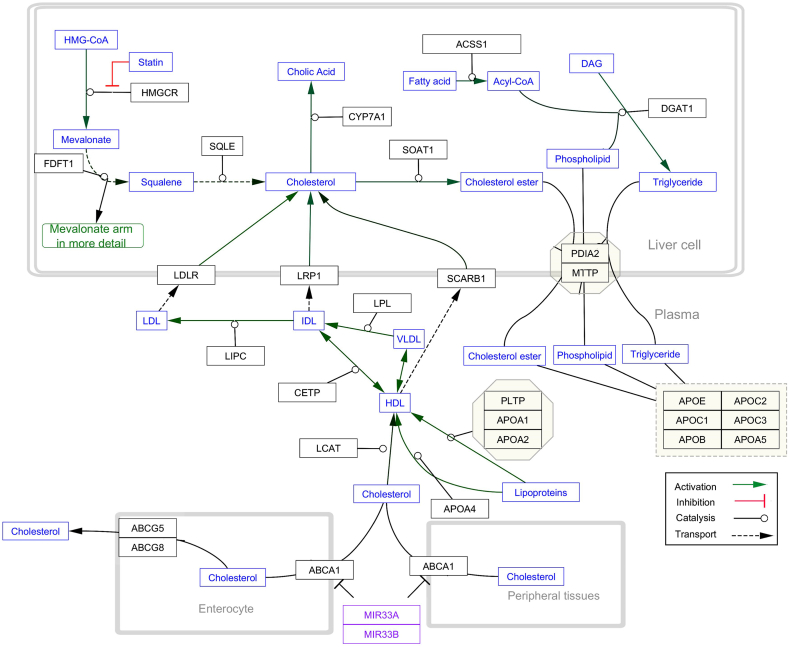
Conclusively, evaluating circulating miR33a in individuals' plasma with CAD, and genotyping of rs2230806, rs2230808, rs2487032, rs12003906, rs2472507, rs2515629, and rs4149297 (ABCA1 variants) lead to precisely prescribing of well-known drugs. Also, the findings of this review can be used in both whole-genome sequencing (WGS) and whole-exome sequencing (WES) analysis in the prognosis and diagnosis of CAD.
冠状动脉疾病(CAD)是全球范围内导致死亡和伤残调整生命年(DALYs)损失的最常见原因。本研究旨在通过对潜在基因和变异的药物基因组学影响进行生物信息学分析的系统综述,提出一个用于治疗CAD的新基因列表。
通过在2020 - 2023年期间在PubMed中搜索标题包含“冠状动脉疾病”的文献进行筛选。为了找到对CAD有药物遗传学影响的基因,根据变异注释进行了额外的筛选。通过STRING-MODEL(版本12)、Cytoscape(版本3.10)、miRTargetLink.2、NetworkAnalyst(版本0.3.0)和PharmGKB进行蛋白质-蛋白质相互作用(PPI)、基因- miRNA相互作用(GMI)、蛋白质-药物相互作用(PDI)和变异注释评估(VAA)。
结果显示有5618篇出版物,1290篇论文符合条件,最终纳入650篇论文。提取了4608个蛋白质编码基因,其中区分出1432个独特基因,剩余530个基于证据的重复基因。71个基因在至少(总共6331个注释)显示出与药物遗传学相关的变异注释。变异注释评估(VAA)为最终报告显示了532个潜在变异,最终,最终的药物基因组学相关基因(PGs)列表包含175个变异。基于功能和最小等位基因频率(MAF),29个药物基因组学相关基因的57个非同义变异与CAD相关。
总之,评估CAD患者血浆中的循环miR33a以及对rs2230806、rs2230808、rs2487032、rs12003906、rs2472507、rs2515629和rs4149297(ABCA1变异)进行基因分型,有助于准确开具知名药物的处方。此外,本综述的结果可用于CAD预后和诊断的全基因组测序(WGS)和全外显子组测序(WES)分析。