
尿石素A通过激活肿瘤巨噬细胞中TFEB介导的线粒体自噬来抑制乳腺癌进展。
Urolithin A inhibits breast cancer progression via activating TFEB-mediated mitophagy in tumor macrophages.
作者信息
Zheng Bowen, Wang Yuying, Zhou Baian, Qian Fengyuan, Liu Diya, Ye Danrong, Zhou Xiqian, Fang Lin
机构信息
Department of Breast and Thyroid Surgery, Shanghai Tenth People's Hospital, School of Medicine, Tongji University, Shanghai 200072, China.
Department of Breast and Thyroid Surgery, Shanghai Tenth People's Hospital, School of Medicine, Tongji University, Shanghai 200072, China; Department of Breast Surgery, The First Affiliated Hospital of Wenzhou Medical University, Wenzhou 325015, China.
出版信息
J Adv Res. 2025 Mar;69:125-138. doi: 10.1016/j.jare.2024.04.010. Epub 2024 Apr 12.
INTRODUCTION
Urolithin A (UA) is a naturally occurring compound that is converted from ellagitannin-like precursors in pomegranates and nuts by intestinal flora. Previous studies have found that UA exerts tumor-suppressive effects through antitumor cell proliferation and promotion of memory T-cell expansion, but its role in tumor-associated macrophages remains unknown.
OBJECTIVES
Our study aims to reveal how UA affects tumor macrophages and tumor cells to inhibit breast cancer progression.
METHODS
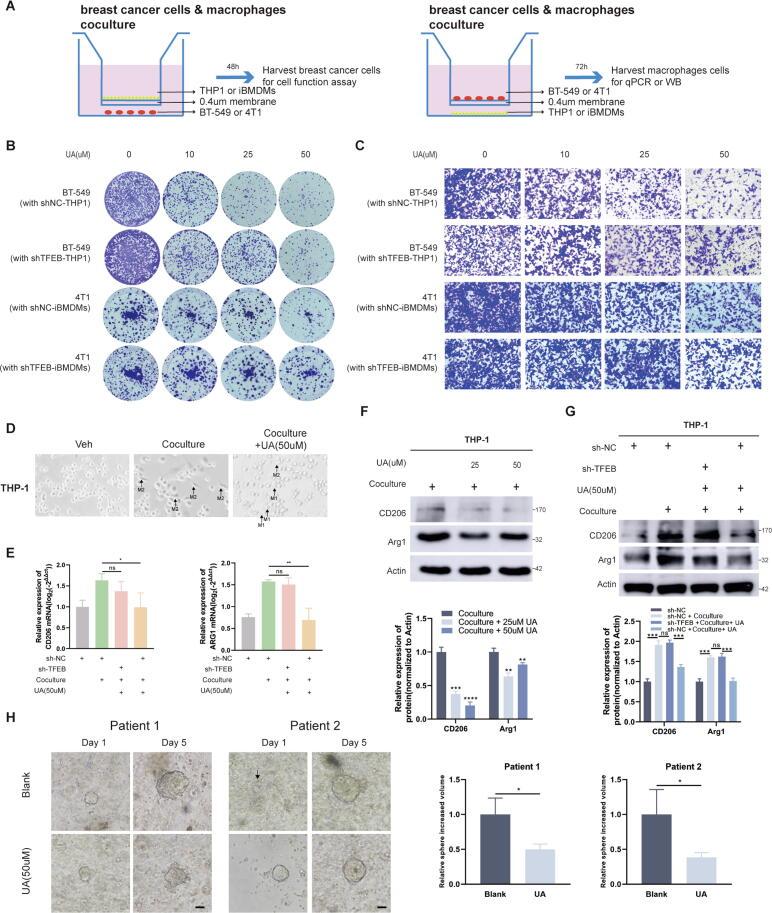
Observe the effect of UA treatment on breast cancer progression though in vivo and in vitro experiments. Western blot and PCR assays were performed to discover that UA affects tumor macrophage autophagy and inflammation. Co-ip and Molecular docking were used to explore specific molecular mechanisms.
RESULTS
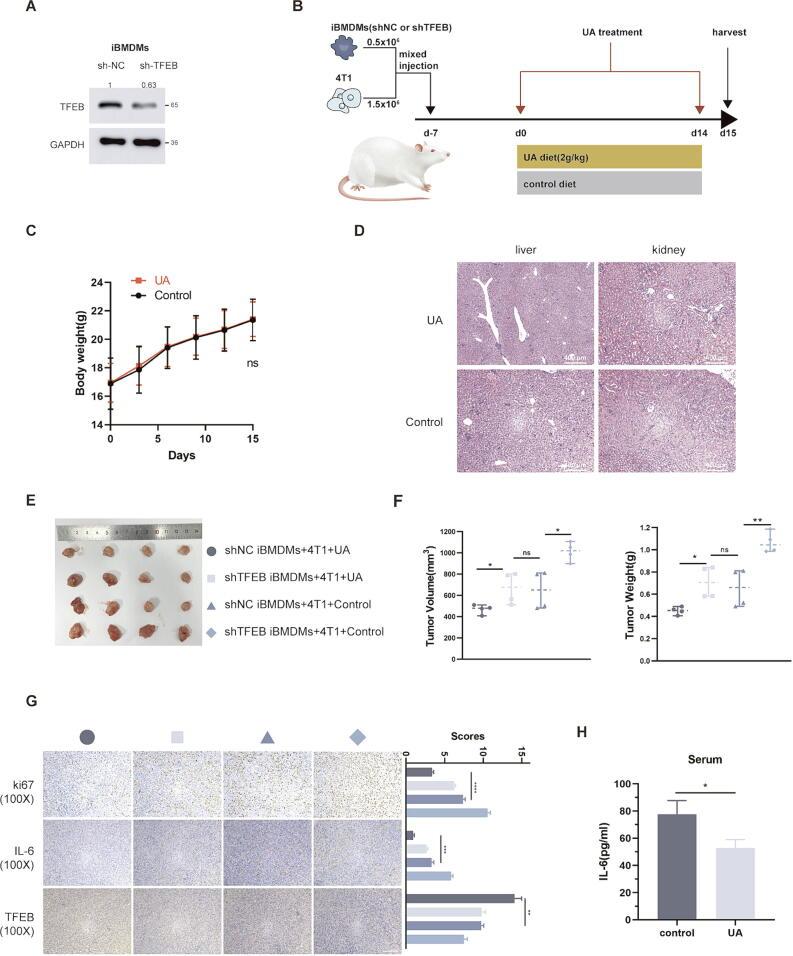
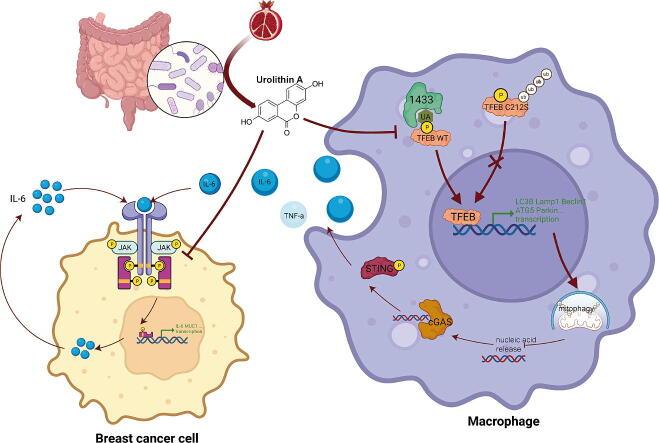
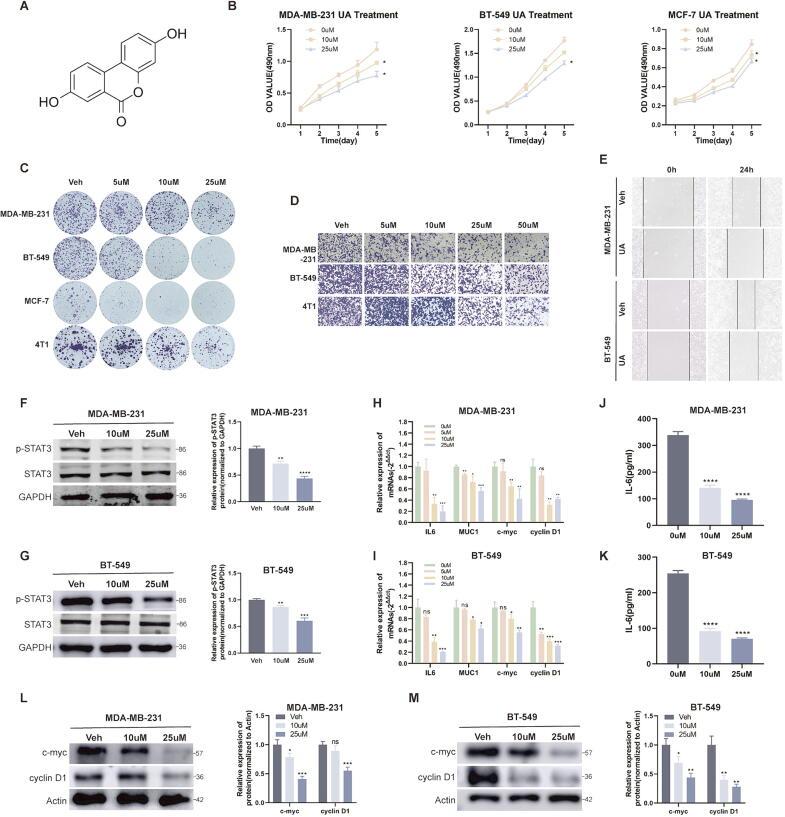
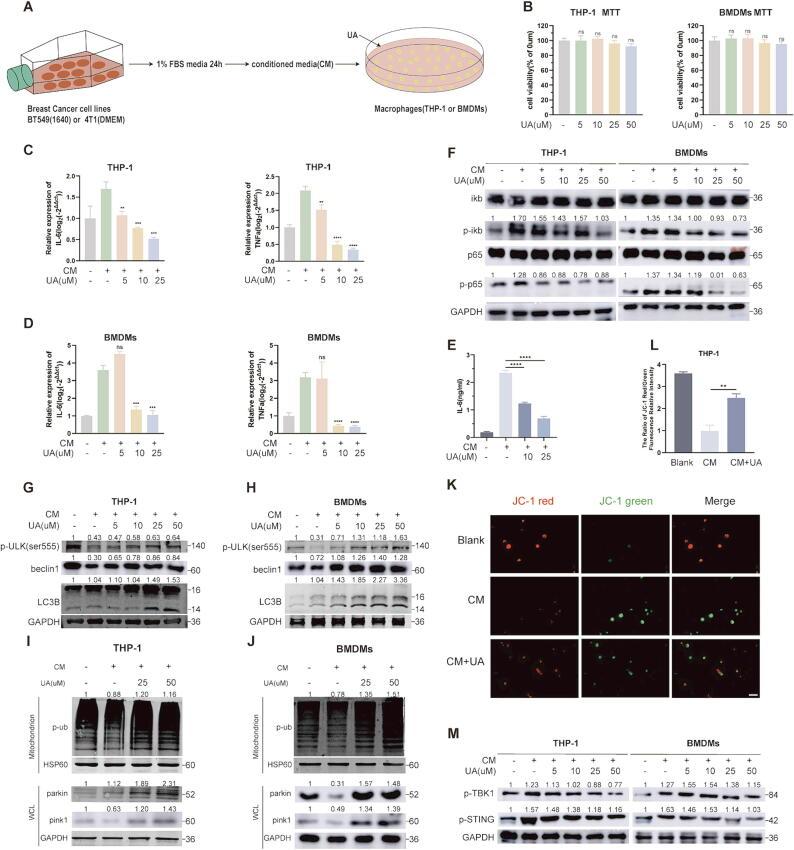
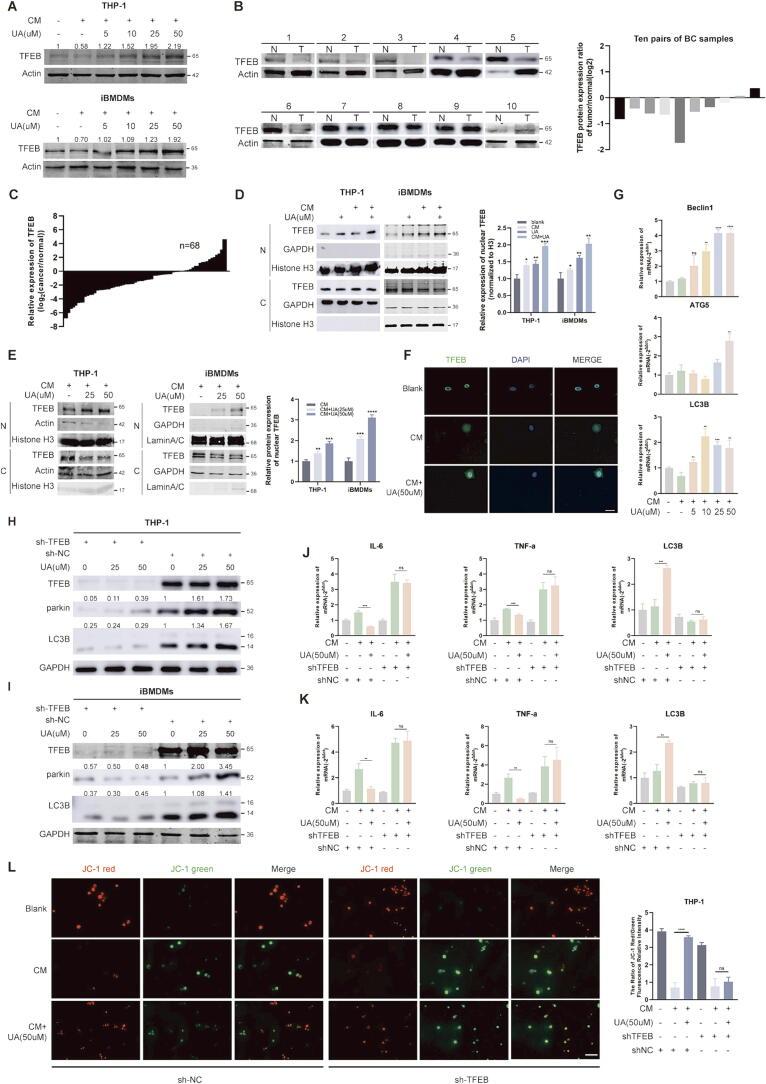
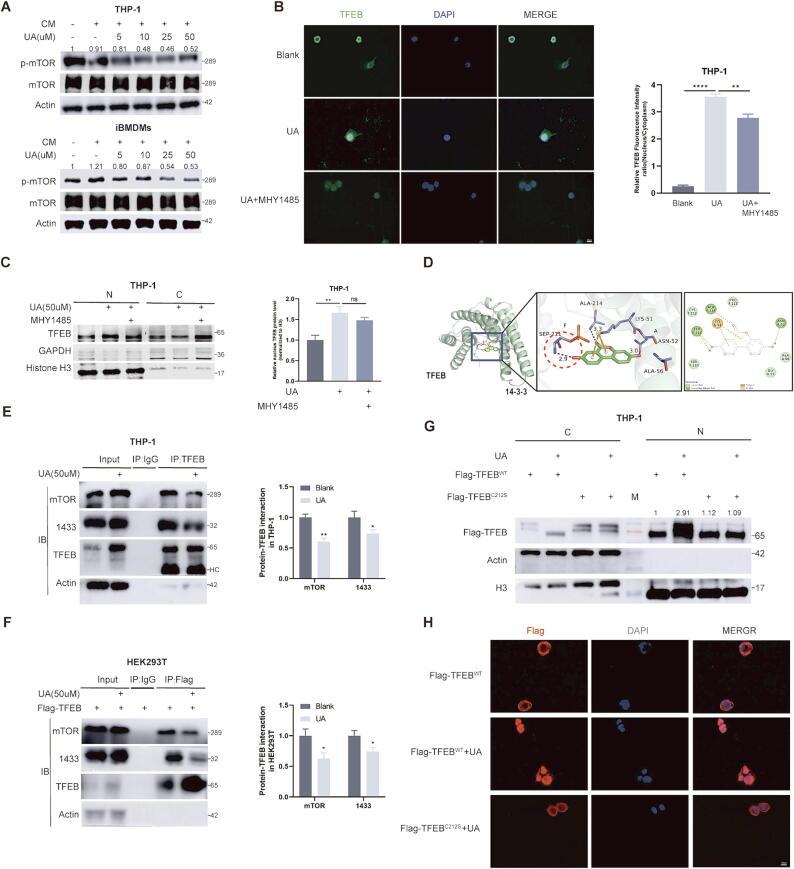
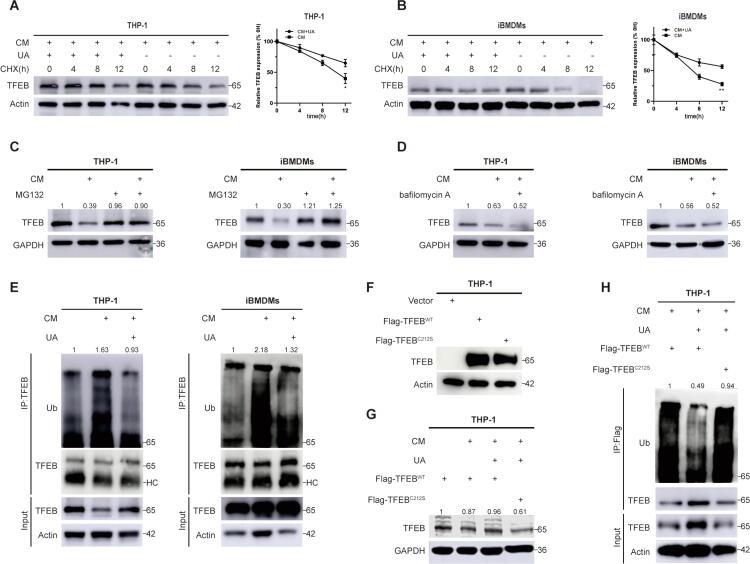
We observed that UA treatment could simultaneously inhibit harmful inflammatory factors, especially for InterleuKin-6 (IL-6) and tumor necrosis factor α (TNF-α), in both breast cancer cells and tumor-associated macrophages, thereby improving the tumor microenvironment and delaying tumor progression. Mechanistically, UA induced the key regulator of autophagy, transcription factor EB (TFEB), into the nucleus in a partially mTOR-dependent manner and inhibited the ubiquitination degradation of TFEB, which facilitated the clearance of damaged mitochondria via the mitophagy-lysosomal pathway in macrophages under tumor supernatant stress, and reduced the deleterious inflammatory factors induced by the release of nucleic acid from damaged mitochondria. Molecular docking and experimental studies suggest that UA block the recognition of TFEB by 1433 and induce TFEB nuclear localization. Notably, UA treatment demonstrated inhibitory effects on tumor progression in multiple breast cancer models.
CONCLUSION
Our study elucidated the anti-breast cancer effect of UA from the perspective of tumor-associated macrophages. Specifically, TFEB is a crucial downstream target in macrophages.
引言
尿石素A(UA)是一种天然存在的化合物,由肠道菌群将石榴和坚果中的鞣花单宁样前体转化而来。先前的研究发现,UA通过抑制肿瘤细胞增殖和促进记忆T细胞扩增发挥肿瘤抑制作用,但其在肿瘤相关巨噬细胞中的作用尚不清楚。
目的
本研究旨在揭示UA如何影响肿瘤巨噬细胞和肿瘤细胞以抑制乳腺癌进展。
方法
通过体内和体外实验观察UA治疗对乳腺癌进展的影响。进行蛋白质免疫印迹和聚合酶链式反应检测以发现UA对肿瘤巨噬细胞自噬和炎症的影响。采用免疫共沉淀和分子对接技术探索具体分子机制。
结果
我们观察到,UA治疗可同时抑制乳腺癌细胞和肿瘤相关巨噬细胞中有害的炎症因子,尤其是白细胞介素-6(IL-6)和肿瘤坏死因子α(TNF-α),从而改善肿瘤微环境并延缓肿瘤进展。机制上,UA以部分依赖于雷帕霉素靶蛋白(mTOR)的方式诱导自噬关键调节因子转录因子EB(TFEB)进入细胞核,并抑制TFEB的泛素化降解,这有助于在肿瘤上清液应激下通过线粒体自噬-溶酶体途径清除巨噬细胞中受损的线粒体,并减少受损线粒体释放核酸所诱导的有害炎症因子。分子对接和实验研究表明,UA阻断1433对TFEB的识别并诱导TFEB核定位。值得注意的是,UA治疗在多种乳腺癌模型中均显示出对肿瘤进展的抑制作用。
结论
我们的研究从肿瘤相关巨噬细胞的角度阐明了UA的抗乳腺癌作用。具体而言,TFEB是巨噬细胞中的关键下游靶点。
 Zotero 插件