Gur Canan Sevimli, Dunford Nurhan Turgut, Gumus Zinar Pinar
Department of Basic Pharmaceutical Sciences, Katip Celebi University, Izmir, Turkey.
Department of Biosystems and Agricultural Engineering and Robert M. Kerr Food and Agricultural Products Center, Oklahoma State University, FAPC Room 103, Stillwater, OK, 74078-6055, USA.
Bioresour Bioprocess. 2023 Jul 28;10(1):47. doi: 10.1186/s40643-023-00666-z.
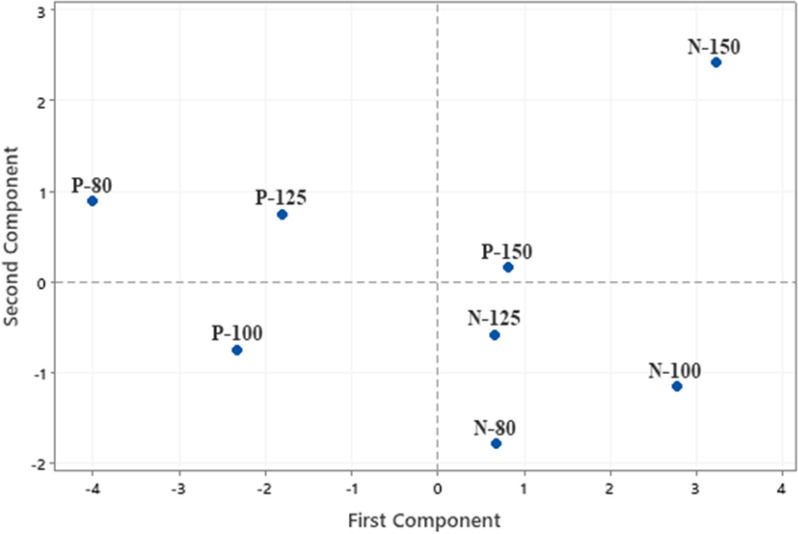
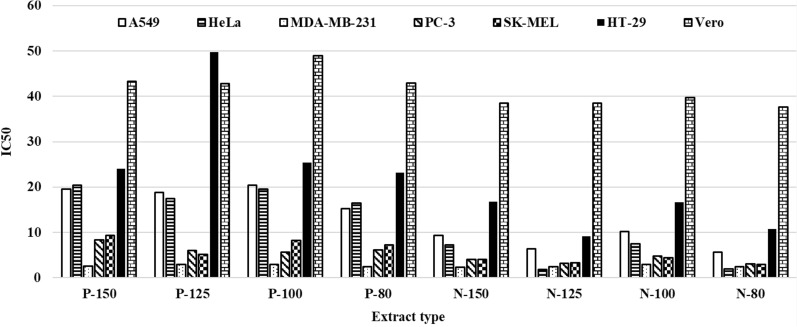
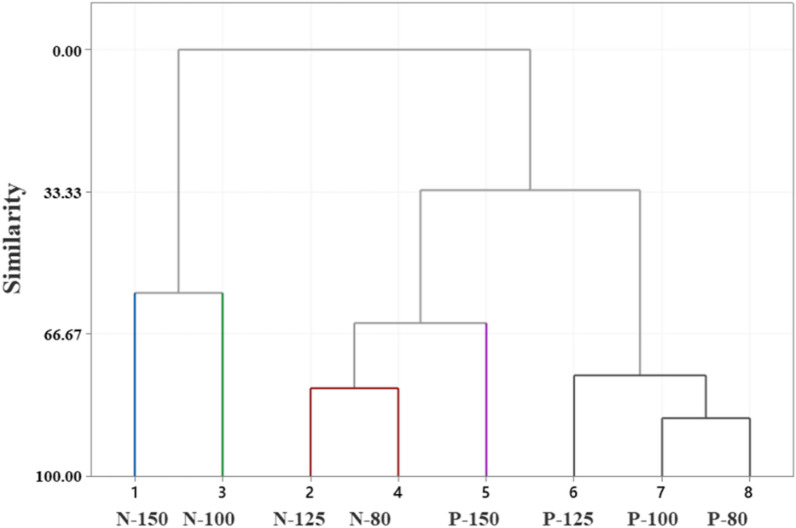
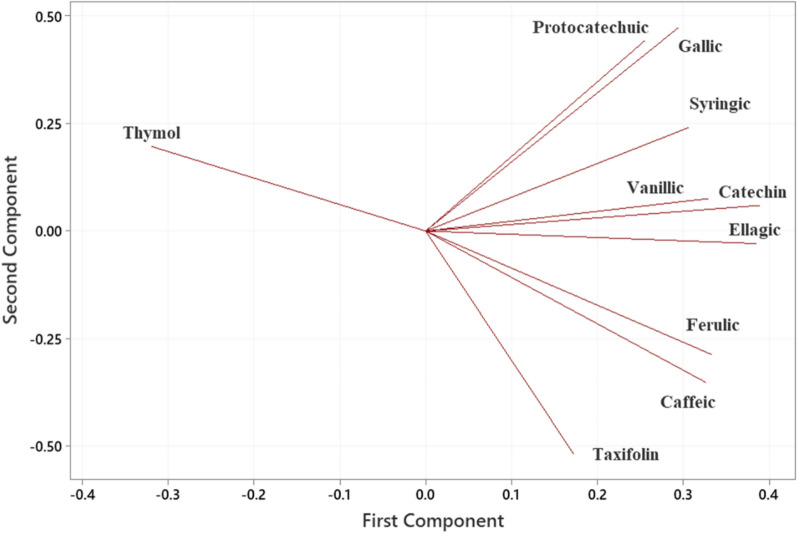
This study examined potential of the extracts obtained from the byproducts generated at commercial pecan nut-shelling operations in cancer treatment. The subcritical water extracts obtained from two varieties, Native and Pawnee, were analyzed for their phenolic contents and compositions. Effects of the extracts on viability and IC50 of the human cell lines representing a broad range of cancer types, cervical, lung, skin, breast, colon and prostate cancers, were investigated. Although the effect of the temperature on the phenolic contents and compositions of the extracts was not statistically significant, the influence of the variety was extensive. The pecan shell extracts were not cytotoxic to the healthy cell line Vero in the concentration range examined. Some of the pecan shell extracts had greater efficay than Doxorubicin, a drug used in cancer chemotherapy, in reducing cancer cell viability. This study is novel and practical implications of the data generated in this study are noteworthy, because this is the first report on the beneficial effects of subcritical water extracts obtained from pecan shelling industry byproducts on a broad range of cancer cell lines. It is likely that the experimental data presented in this study will support and encourage future research on the biological pathways involved in the interactions of the cancer cells and the extracts. The findings of this study will facilitate research on downstream processing and purification of the crude extracts exhibiting high cancer cell cytotoxcity, potentially improving the final product efficacy and lead to commercial applications.
本研究考察了商业山核桃脱壳操作产生的副产品提取物在癌症治疗方面的潜力。对从“本地种”和“波尼”这两个品种获得的亚临界水提取物进行了酚类成分和组成分析。研究了这些提取物对代表多种癌症类型(宫颈癌、肺癌、皮肤癌、乳腺癌、结肠癌和前列腺癌)的人类细胞系的活力和半数抑制浓度(IC50)的影响。尽管温度对提取物的酚类成分和组成的影响无统计学意义,但品种的影响广泛。在所检测的浓度范围内,山核桃壳提取物对健康细胞系非洲绿猴肾细胞(Vero)无细胞毒性。一些山核桃壳提取物在降低癌细胞活力方面比用于癌症化疗的药物阿霉素更有效。本研究具有创新性,且本研究产生的数据具有实际意义,值得关注,因为这是关于山核桃脱壳工业副产品的亚临界水提取物对多种癌细胞系有益作用的首次报道。本研究呈现的实验数据很可能会支持并鼓励未来对癌细胞与提取物相互作用所涉及的生物学途径的研究。本研究结果将有助于对表现出高癌细胞细胞毒性的粗提取物进行下游加工和纯化的研究,有可能提高最终产品的功效并实现商业应用。