Ahmad Mohd Afnan, Letchumanan Arun, Samsuri Shafirah, Mazli Wan Nur Athirah, Md Saad Juniza
Chemical Engineering Department, Universiti Teknologi PETRONAS, 32610 Seri Iskandar, Perak, Malaysia.
HICoE Centre for Biofuel and Biochemical Research (CBBR), Universiti Teknologi PETRONAS, 32610 Seri Iskandar, Perak, Malaysia.
Bioresour Bioprocess. 2021 Jun 29;8(1):54. doi: 10.1186/s40643-021-00409-y.
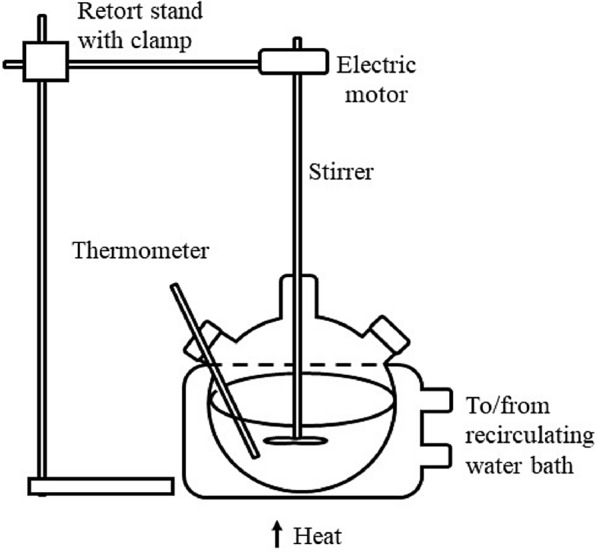
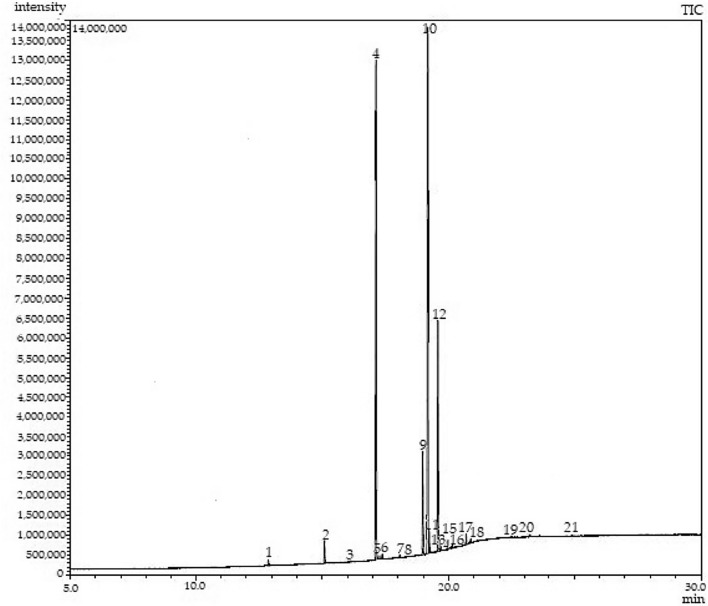
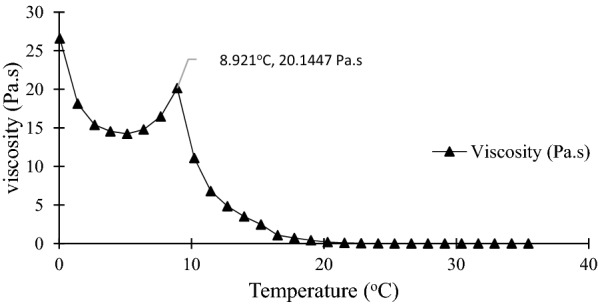
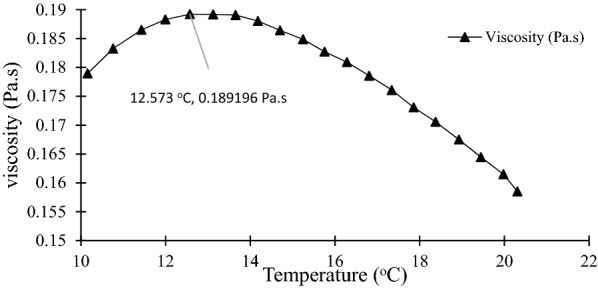
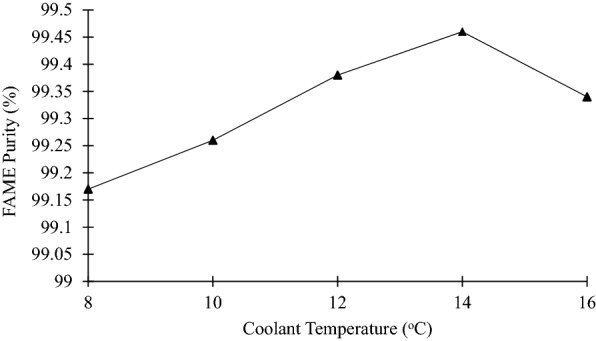
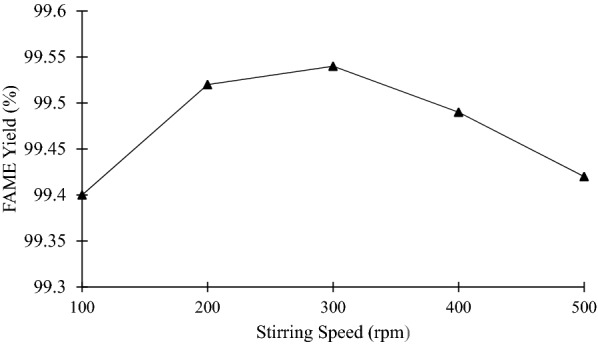
At present, biodiesel is known as an alternative fuel globally. It is also known that the purification of biodiesel before consumption is mandatory to comply with international standards. Commonly, purification using water washing generates a massive amount of wastewater with a high content of organic compounds that can harm the environment. Therefore, this study applied and tested a waterless method, i.e., the solvent-aided crystallization (SAC), to remove glycerol and other traces of impurities in the crude biodiesel. The parameters of coolant temperature, crystallization time, and stirring rate on the SAC system were investigated. It was discovered that with 14 °C coolant temperature, 300 RPM and higher cooling time result in the highest percentage of FAME up to 99.54%, which indicates that contaminants' presence is limited in the purified biodiesel. The use of 1-butanol as the solvent for crystallization process remarkably enhanced the separation and improved the higher biodiesel quality.
目前,生物柴油在全球范围内被视为一种替代燃料。人们也知道,在使用前对生物柴油进行提纯是符合国际标准的必要条件。通常,水洗提纯会产生大量含有高浓度有机化合物的废水,这些废水会对环境造成危害。因此,本研究应用并测试了一种无水方法,即溶剂辅助结晶法(SAC),以去除粗生物柴油中的甘油和其他微量杂质。研究了SAC系统中冷却剂温度、结晶时间和搅拌速率等参数。结果发现,在冷却剂温度为14°C、转速为300转/分钟且冷却时间更长的情况下,脂肪酸甲酯(FAME)的百分比最高可达99.54%,这表明提纯后的生物柴油中污染物的含量有限。使用正丁醇作为结晶过程的溶剂显著提高了分离效果,并改善了生物柴油的质量。