Bertuccini Lucia, Boussadia Zaira, Salzano Anna Maria, Vanni Ilaria, Passerò Ilaria, Nocita Emanuela, Scaloni Andrea, Sanchez Massimo, Sargiacomo Massimo, Fiani Maria Luisa, Tosini Fabio
Core Facilities, Istituto Superiore di Sanità, Rome, Italy.
National Center for Drug Research and Evaluation, Istituto Superiore di Sanità, Rome, Italy.
Front Cell Infect Microbiol. 2024 Apr 10;14:1367359. doi: 10.3389/fcimb.2024.1367359. eCollection 2024.
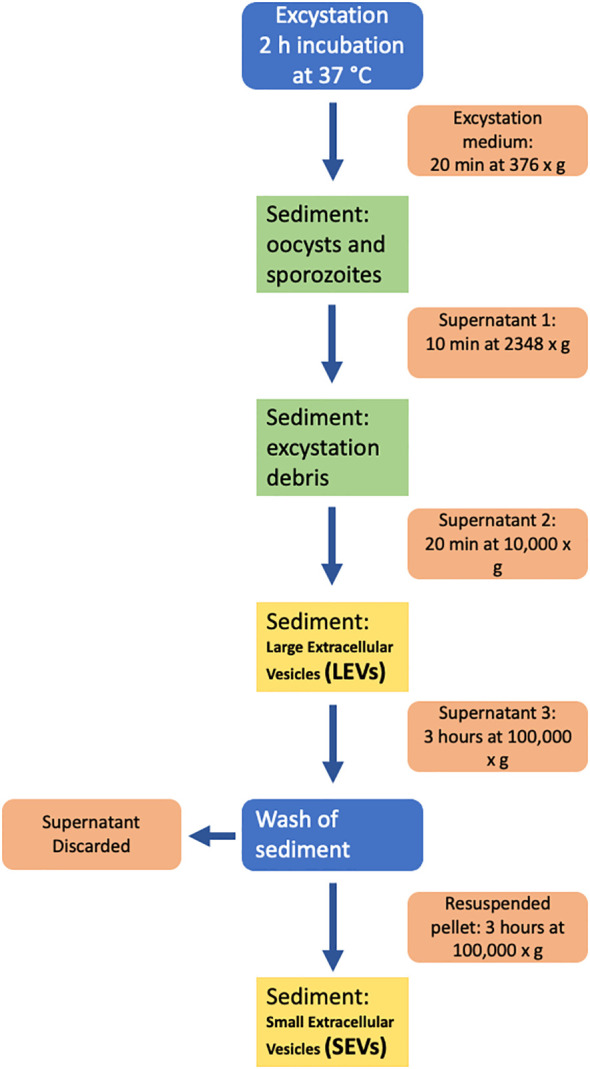
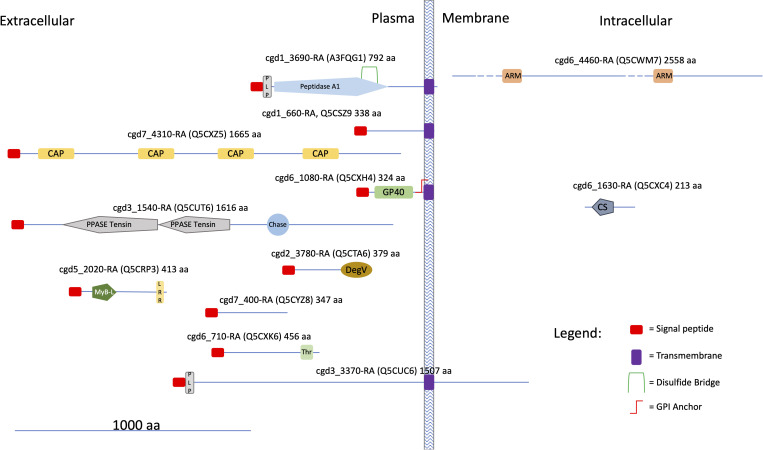
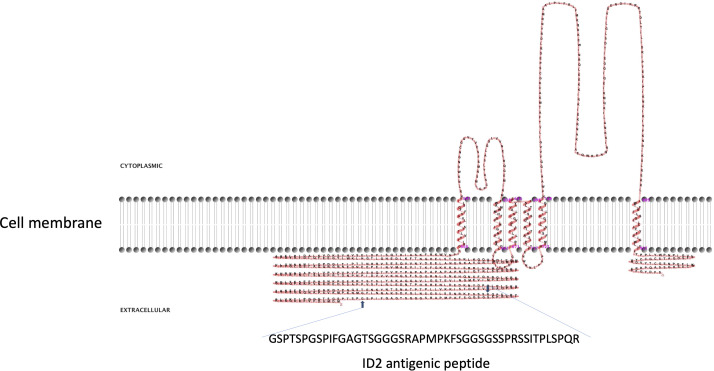
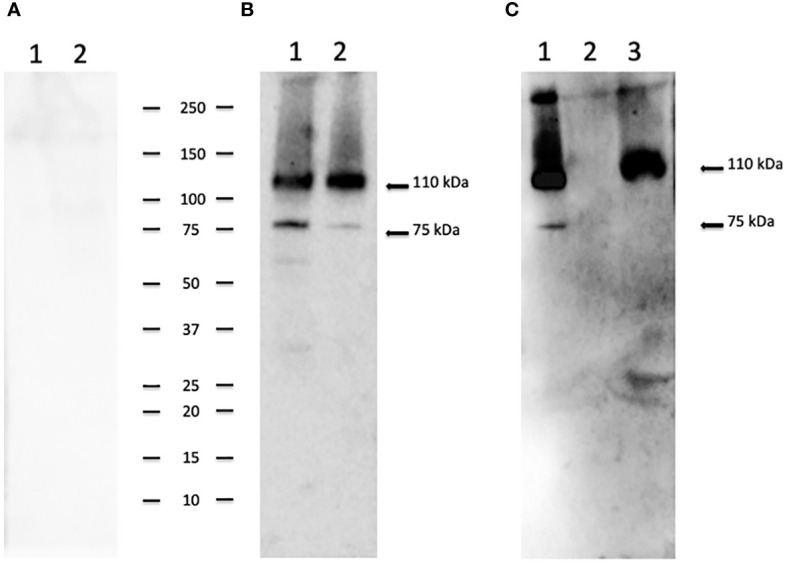
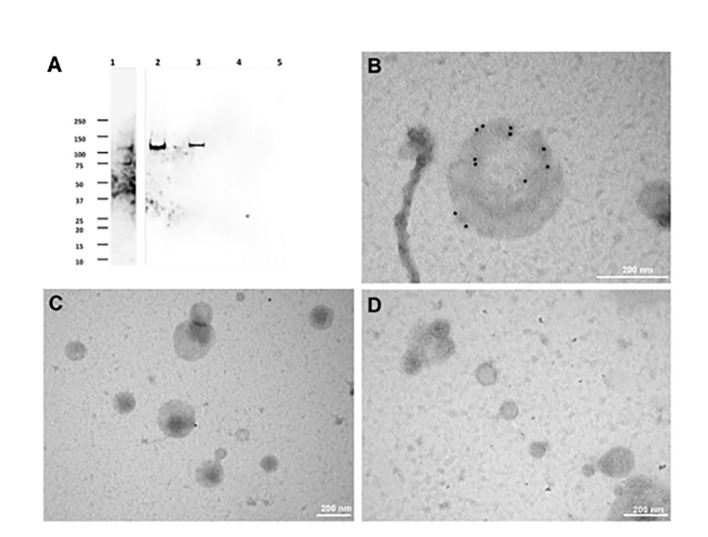
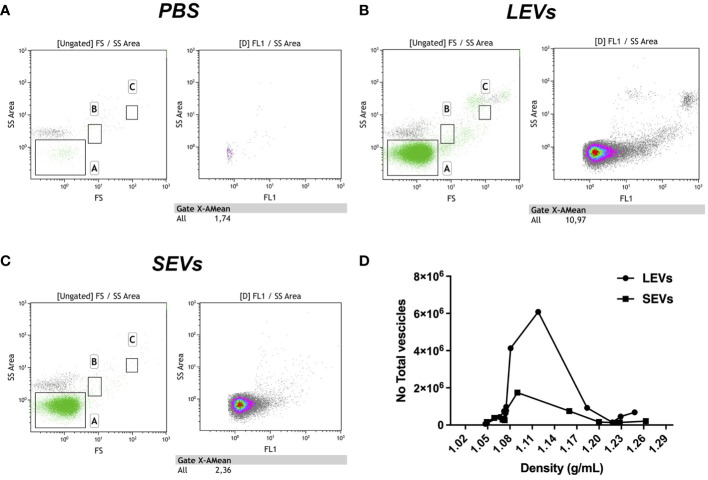
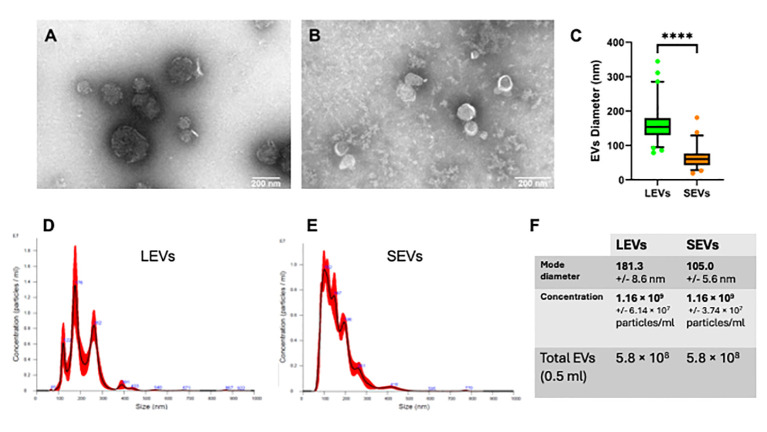
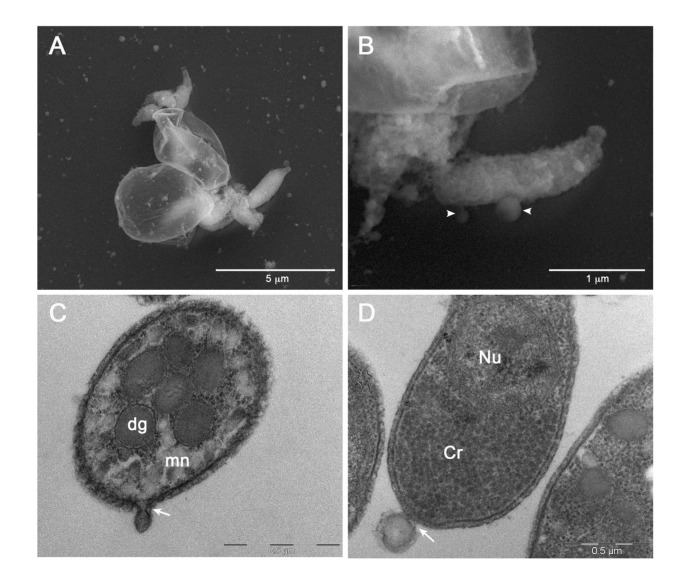
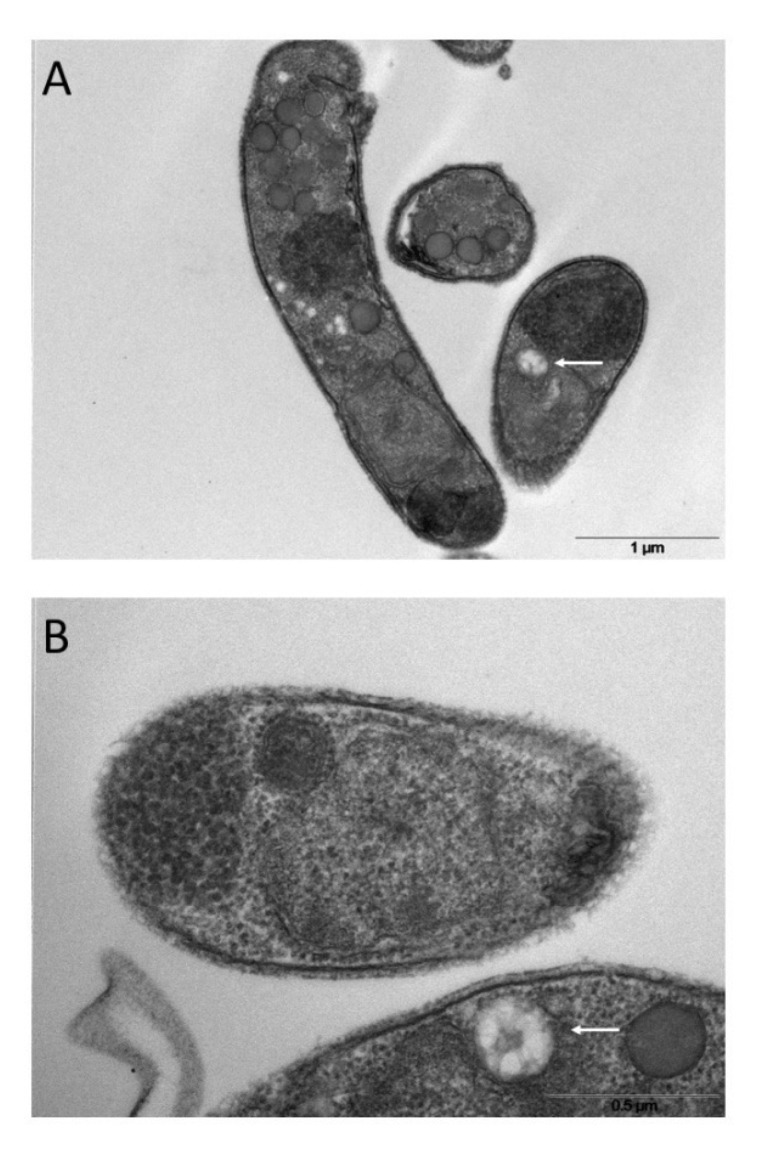
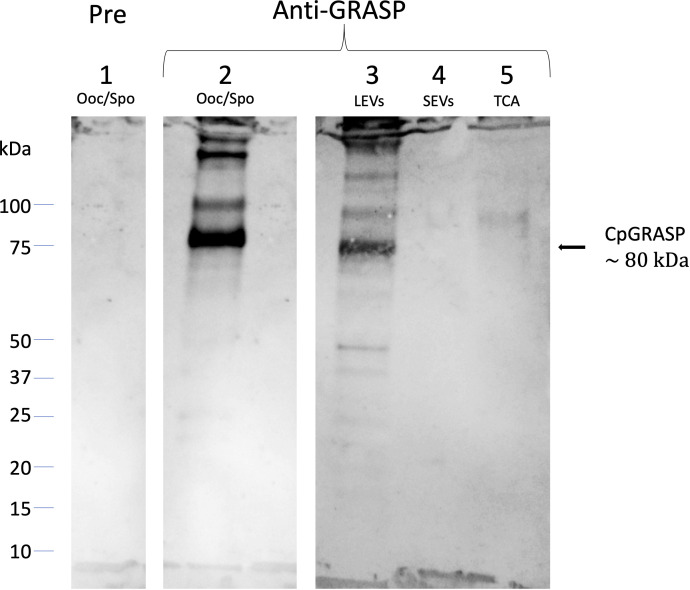
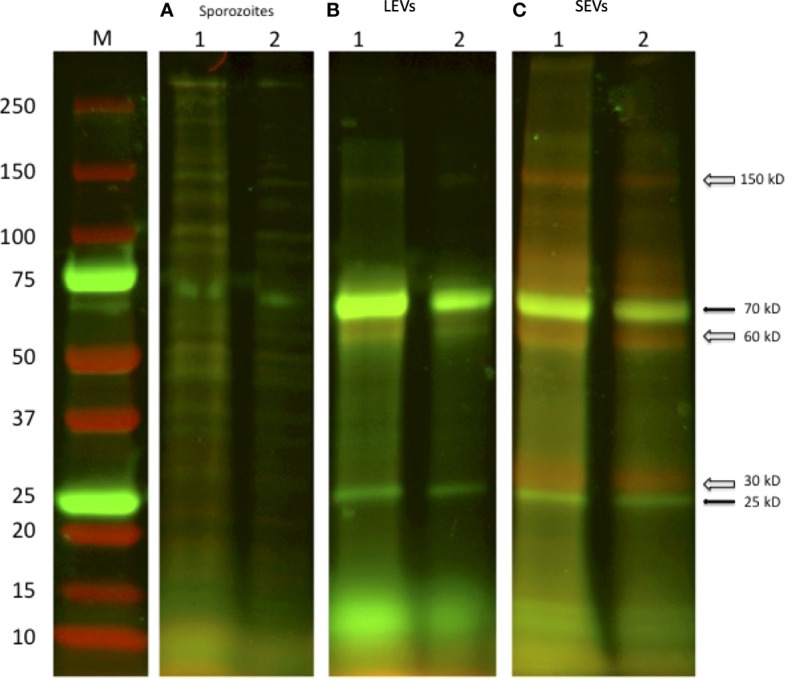
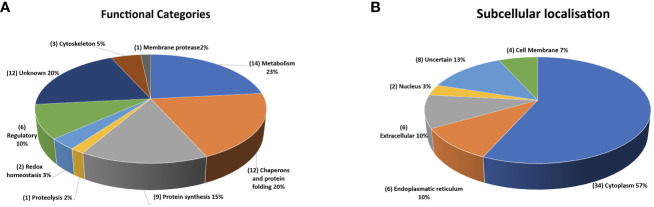
is a common cause of a zoonotic disease and a main cause of diarrhea in newborns. Effective drugs or vaccines are still lacking. Oocyst is the infective form of the parasite; after its ingestion, the oocyst excysts and releases four sporozoites into the host intestine that rapidly attack the enterocytes. The membrane protein CpRom1 is a large rhomboid protease that is expressed by sporozoites and recognized as antigen by the host immune system. In this study, we observed the release of CpRom1 with extracellular vesicles (EVs) that was not previously described. To investigate this phenomenon, we isolated and resolved EVs from the excystation medium by differential ultracentrifugation. Fluorescence flow cytometry and transmission electron microscopy (TEM) experiments identified two types of sporozoite-derived vesicles: large extracellular vesicles (LEVs) and small extracellular vesicles (SEVs). Nanoparticle tracking analysis (NTA) revealed mode diameter of 181 nm for LEVs and 105 nm for SEVs, respectively. Immunodetection experiments proved the presence of CpRom1 and the Golgi protein CpGRASP in LEVs, while immune-electron microscopy trials demonstrated the localization of CpRom1 on the LEVs surface. TEM and scanning electron microscopy (SEM) showed that LEVs were generated by means of the budding of the outer membrane of sporozoites; conversely, the origin of SEVs remained uncertain. Distinct protein compositions were observed between LEVs and SEVs as evidenced by their corresponding electrophoretic profiles. Indeed, a dedicated proteomic analysis identified 5 and 16 proteins unique for LEVs and SEVs, respectively. Overall, 60 proteins were identified in the proteome of both types of vesicles and most of these proteins (48 in number) were already identified in the molecular cargo of extracellular vesicles from other organisms. Noteworthy, we identified 12 proteins unique to spp. and this last group included the immunodominant parasite antigen glycoprotein GP60, which is one of the most abundant proteins in both LEVs and SEVs.
是一种人畜共患病的常见病因,也是新生儿腹泻的主要原因。目前仍缺乏有效的药物或疫苗。卵囊是该寄生虫的感染形式;摄入后,卵囊脱囊并向宿主肠道释放四个子孢子,这些子孢子会迅速攻击肠上皮细胞。膜蛋白CpRom1是一种大型类菱形蛋白酶,由子孢子表达并被宿主免疫系统识别为抗原。在本研究中,我们观察到CpRom1与细胞外囊泡(EVs)一起释放,这一现象此前未见报道。为了研究这一现象,我们通过差速超速离心从脱囊培养基中分离并解析了EVs。荧光流式细胞术和透射电子显微镜(TEM)实验鉴定出两种源自子孢子的囊泡:大型细胞外囊泡(LEVs)和小型细胞外囊泡(SEVs)。纳米颗粒跟踪分析(NTA)显示,LEVs的平均直径为181nm,SEVs的平均直径为105nm。免疫检测实验证明LEVs中存在CpRom1和高尔基体蛋白CpGRASP,而免疫电子显微镜试验表明CpRom1定位于LEVs表面。TEM和扫描电子显微镜(SEM)显示,LEVs是通过子孢子外膜出芽产生的;相反,SEVs的来源仍不确定。LEVs和SEVs之间观察到不同的蛋白质组成,这由它们相应的电泳图谱证明。事实上,一项专门的蛋白质组学分析分别鉴定出LEVs和SEVs特有的5种和16种蛋白质。总体而言,在两种囊泡的蛋白质组中鉴定出60种蛋白质,其中大多数蛋白质(48种)已在其他生物体的细胞外囊泡的分子货物中鉴定出来。值得注意的是,我们鉴定出12种 属特有的蛋白质,最后一组包括免疫显性寄生虫抗原糖蛋白GP60,它是LEVs和SEVs中最丰富的蛋白质之一。