Tan Xiaochao, Wang Shike, Xiao Guan-Yu, Wu Chao, Liu Xin, Zhou Biyao, Jiang Yu, Duose Dzifa Y, Xi Yuanxin, Wang Jing, Gupta Kunika, Pataer Apar, Roth Jack A, Kim Michael P, Chen Fengju, Creighton Chad J, Russell William K, Kurie Jonathan M
Department of Thoracic/Head and Neck Medical Oncology.
Department of Translational Molecular Pathology, and.
J Clin Invest. 2024 Apr 25;134(12):e176355. doi: 10.1172/JCI176355.
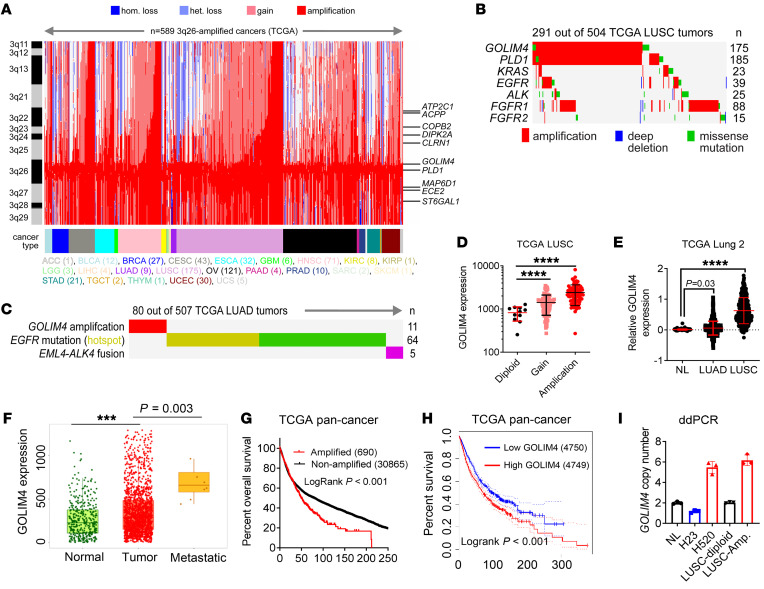
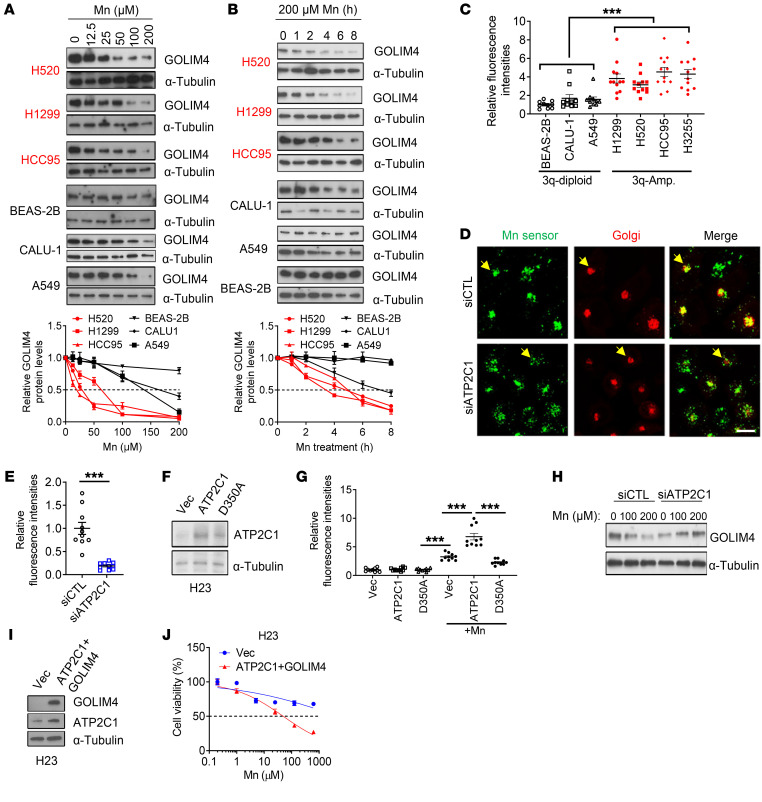
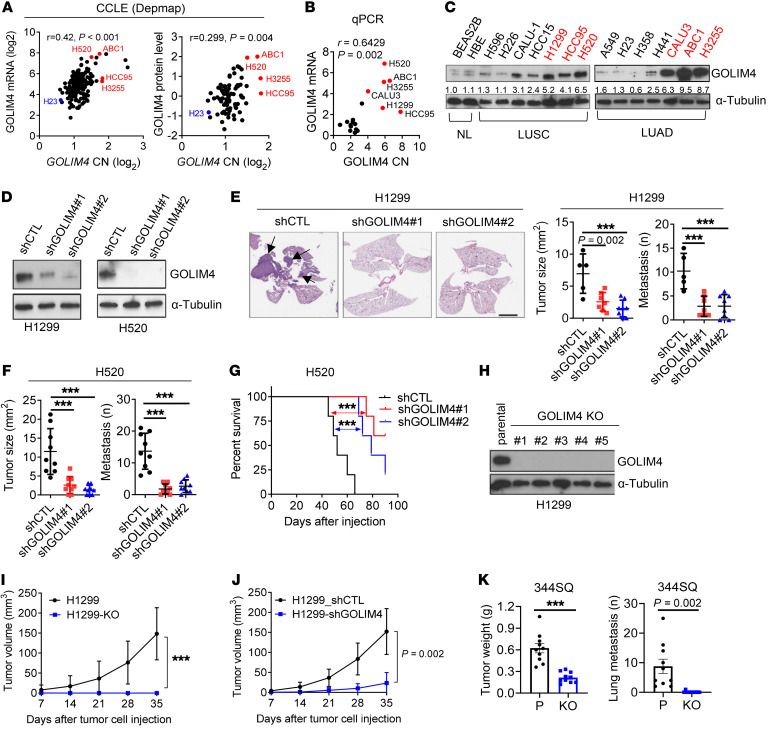
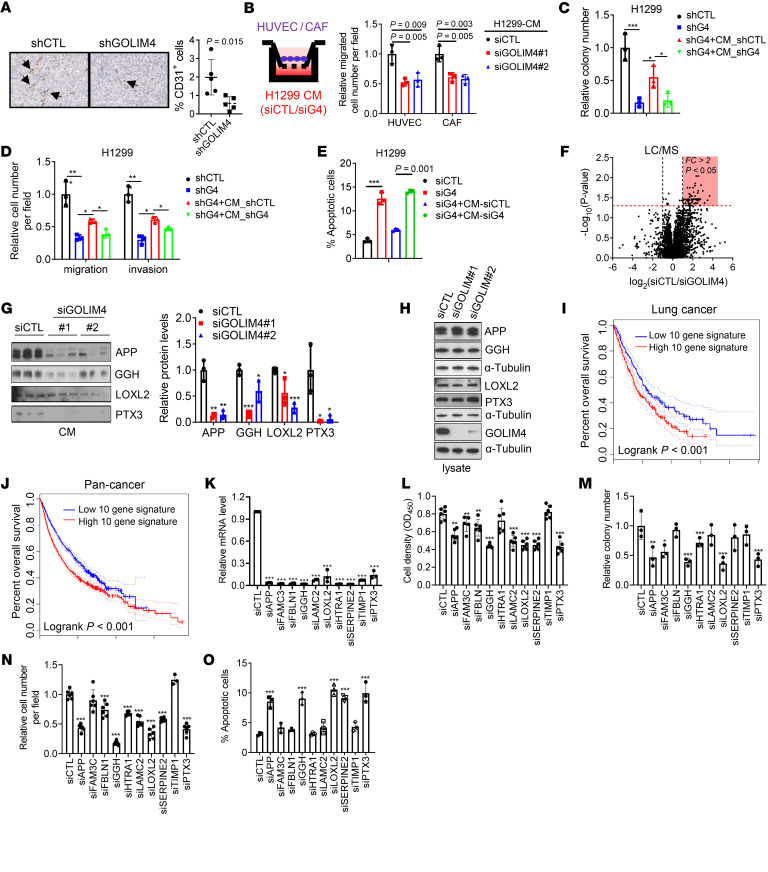
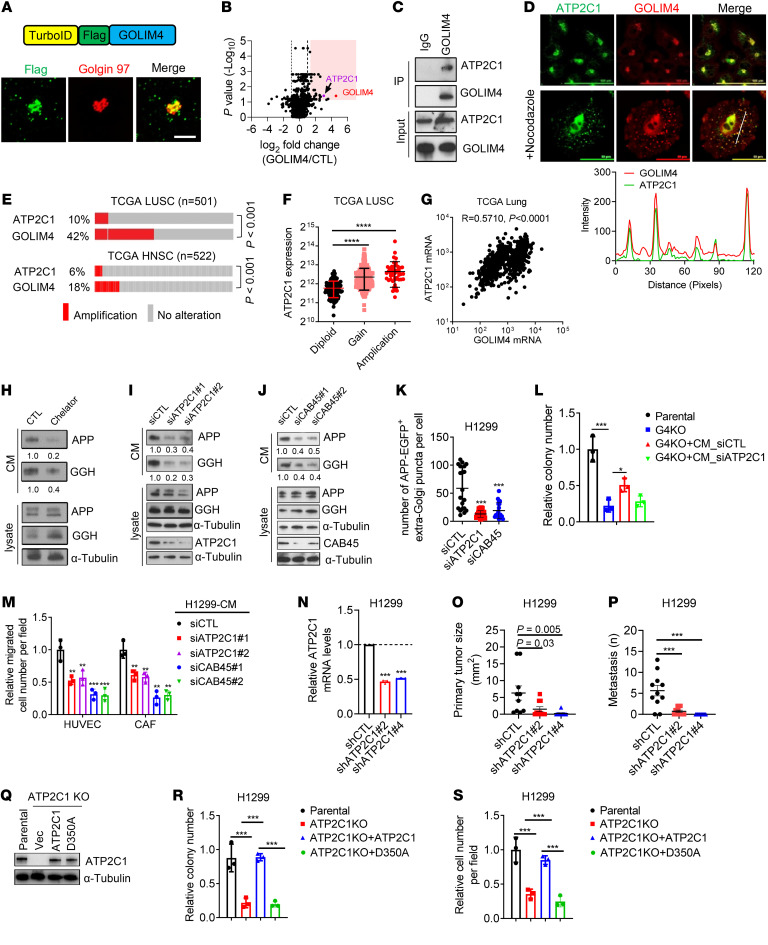
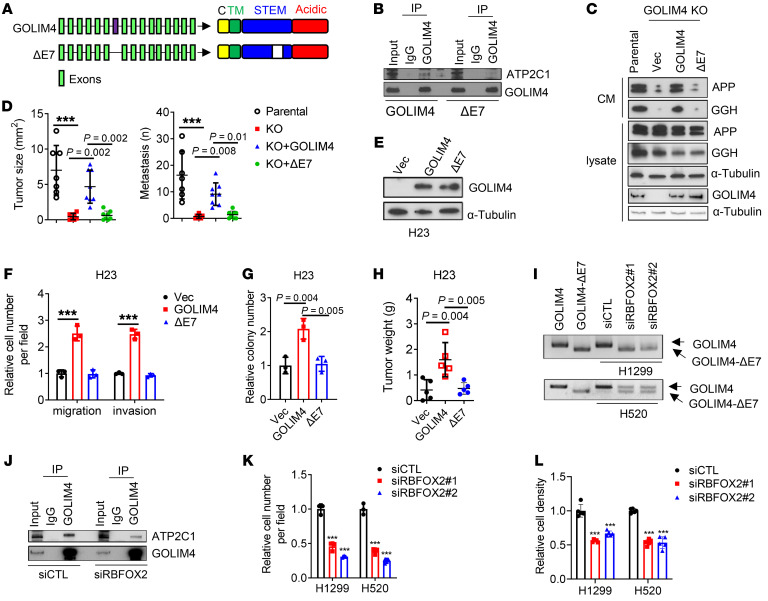
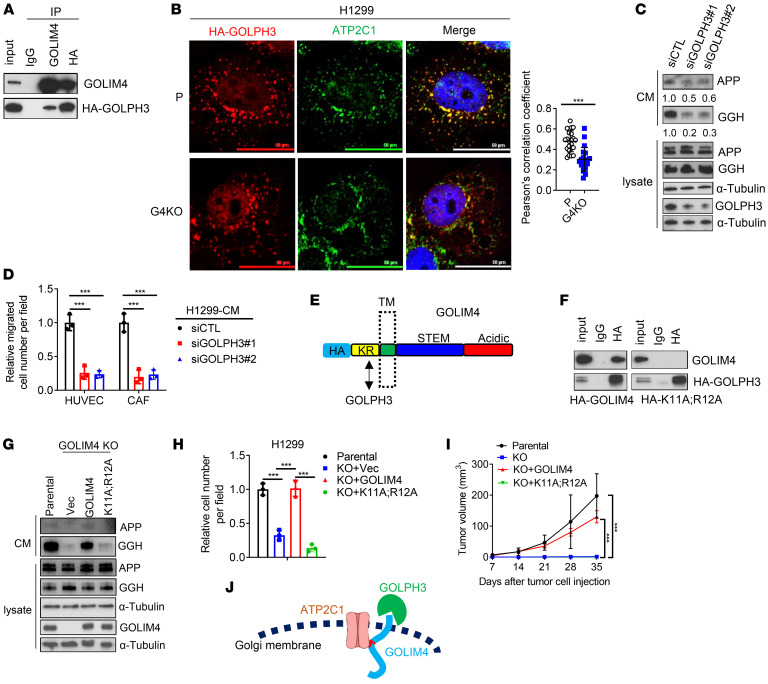
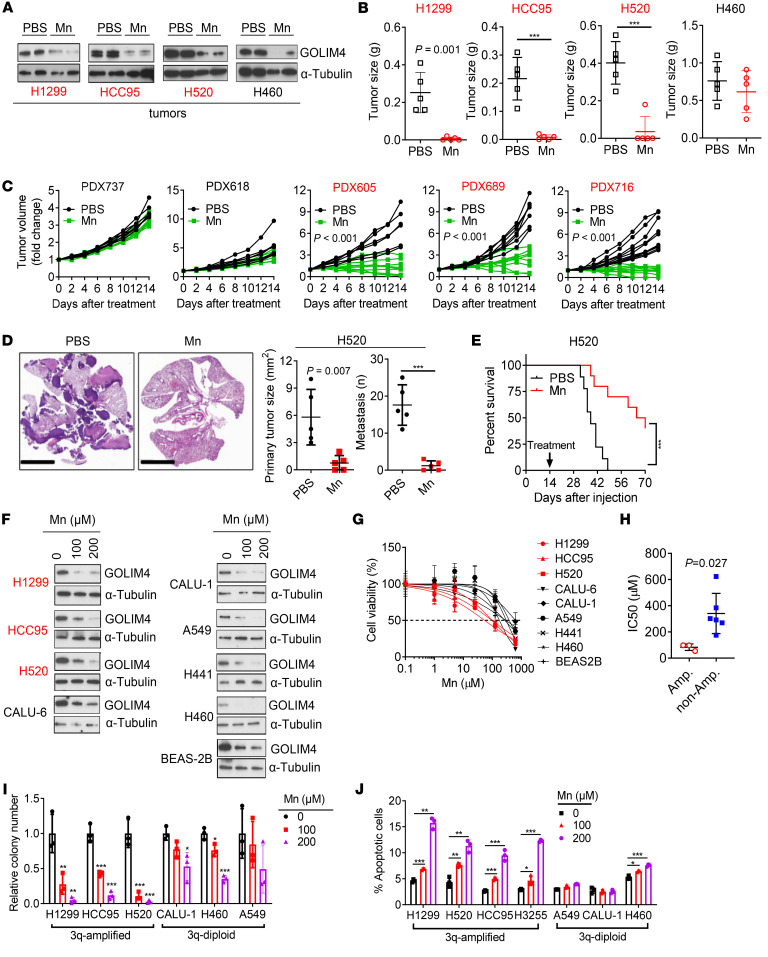
Cancer cells exhibit heightened secretory states that drive tumor progression. Here, we identified a chromosome 3q amplicon that serves as a platform for secretory regulation in cancer. The 3q amplicon encodes multiple Golgi-resident proteins, including the scaffold Golgi integral membrane protein 4 (GOLIM4) and the ion channel ATPase secretory pathway Ca2+ transporting 1 (ATP2C1). We show that GOLIM4 recruited ATP2C1 and Golgi phosphoprotein 3 (GOLPH3) to coordinate Ca2+-dependent cargo loading, Golgi membrane bending, and vesicle scission. GOLIM4 depletion disrupted the protein complex, resulting in a secretory blockade that inhibited the progression of 3q-amplified malignancies. In addition to its role as a scaffold, GOLIM4 maintained intracellular manganese (Mn) homeostasis by binding excess Mn in the Golgi lumen, which initiated the routing of Mn-bound GOLIM4 to lysosomes for degradation. We show that Mn treatment inhibited the progression of multiple types of 3q-amplified malignancies by degrading GOLIM4, resulting in a secretory blockade that interrupted prosurvival autocrine loops and attenuated prometastatic processes in the tumor microenvironment. As it potentially underlies the selective activity of Mn against 3q-amplified malignancies, ATP2C1 coamplification increased Mn influx into the Golgi lumen, resulting in a more rapid degradation of GOLIM4. These findings show that functional cooperativity between coamplified genes underlies heightened secretion and a targetable secretory addiction in 3q-amplified malignancies.
癌细胞表现出促进肿瘤进展的增强分泌状态。在此,我们鉴定出一个3号染色体q臂扩增子,它作为癌症中分泌调节的平台。该3q扩增子编码多种驻留在高尔基体的蛋白质,包括支架高尔基体整合膜蛋白4(GOLIM4)和离子通道ATP酶分泌途径Ca2+转运蛋白1(ATP2C1)。我们发现GOLIM4招募ATP2C1和高尔基体磷蛋白3(GOLPH3)来协调Ca2+依赖的货物装载、高尔基体膜弯曲和囊泡切割。GOLIM4的缺失破坏了该蛋白复合物,导致分泌阻滞,从而抑制了3q扩增恶性肿瘤的进展。除了作为支架的作用外,GOLIM4通过结合高尔基体腔中过量的锰来维持细胞内锰(Mn)稳态,这启动了与锰结合的GOLIM4向溶酶体的转运以进行降解。我们发现锰处理通过降解GOLIM4抑制了多种类型的3q扩增恶性肿瘤的进展,导致分泌阻滞,中断了促生存自分泌环并减弱了肿瘤微环境中的促转移过程。由于ATP2C1的共扩增可能是锰对3q扩增恶性肿瘤选择性活性的基础,它增加了锰流入高尔基体腔,导致GOLIM4更快降解。这些发现表明,共扩增基因之间的功能协同作用是3q扩增恶性肿瘤中增强分泌和可靶向的分泌成瘾的基础。