Körner Tobias, Gierholz Ruven, Zinkernagel Jana, Röhlen-Schmittgen Simone
Department of Vegetable Crops, Hochschule Geisenheim University, 65366 Geisenheim, Germany.
Metabolites. 2024 Apr 10;14(4):213. doi: 10.3390/metabo14040213.
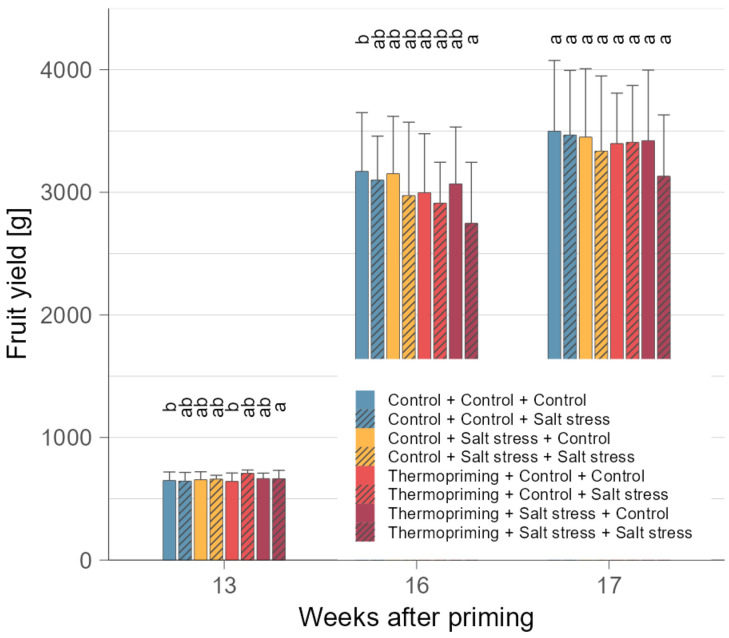
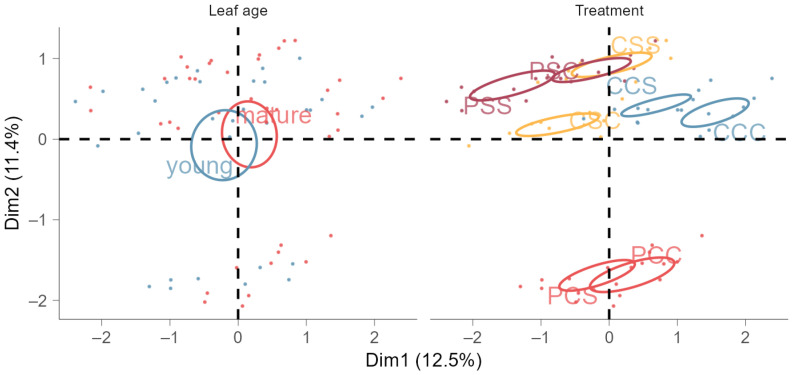
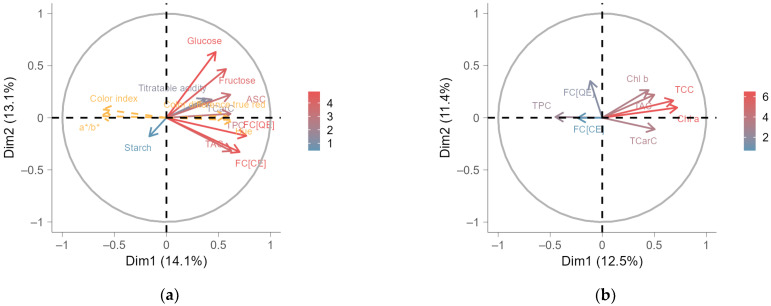
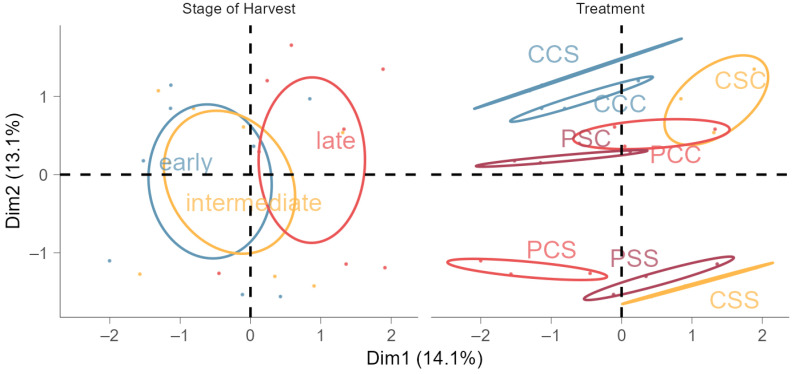
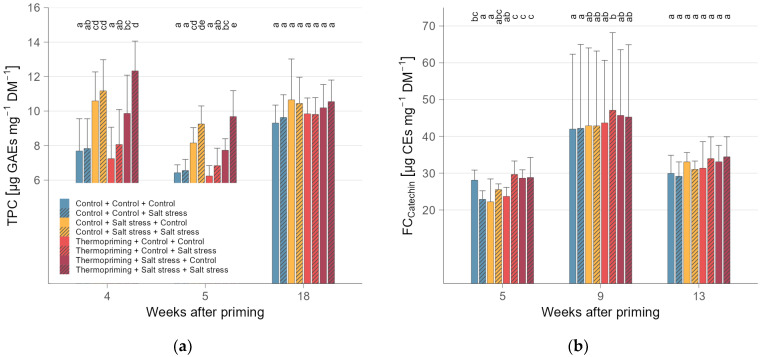
Global plant production is challenged by unpredictable (a)biotic stresses that occur individually, simultaneously or staggered. Due to an increasing demand for environmentally friendly plant production, new sustainable, universal, and preventive measures in crop protection are needed. We postulate thermopriming as a suitable procedure that fulfills these requirements. Therefore, we performed thermopriming as a pre-conditioning on tomato transplants in combination with two subsequent salt stress treatments to evaluate their single and combined physiological effects on leaves and fruits with regard to plant performance, fruit yield and quality. We identified a cross-tolerance to salinity that was triggered by the preceding thermopriming treatment and resulted in an accumulation of phenols and flavonols in the leaves. Plant growth and fruit yield were initially delayed after the stress treatments but recovered later. In regard to fruit quality, we found an increase in carotenoid and starch contents in fruits due to thermopriming, while sugars and titratable acidity were not affected. Our results indicate that thermopriming can mitigate the impact of subsequent and recurrent stress events on plant performance and yield under production-like conditions.
全球植物生产面临着不可预测的(非)生物胁迫,这些胁迫可能单独、同时或交错发生。由于对环境友好型植物生产的需求不断增加,需要新的可持续、通用且预防性的作物保护措施。我们假设热预处理是一种满足这些要求的合适方法。因此,我们对番茄幼苗进行热预处理,并结合随后的两次盐胁迫处理,以评估它们对叶片和果实的单一及综合生理影响,包括植株性能、果实产量和品质。我们发现先前的热预处理引发了对盐胁迫的交叉耐受性,并导致叶片中酚类和黄酮醇的积累。胁迫处理后,植株生长和果实产量最初延迟,但随后恢复。在果实品质方面,我们发现热预处理使果实中的类胡萝卜素和淀粉含量增加,而糖分和可滴定酸度不受影响。我们的结果表明,在类似生产的条件下,热预处理可以减轻后续和反复胁迫事件对植株性能和产量的影响。