Fazzone Brian, Anderson Erik M, Rozowsky Jared M, Yu Xuanxuan, O'Malley Kerri A, Robinson Scott, Scali Salvatore T, Cai Guoshuai, Berceli Scott A
Department of Surgery, Division of Vascular Surgery and Endovascular Therapy, University of Florida, Gainesville, FL 32611, USA.
Department of Epidemiology and Biostatistics, Arnold School of Public Health, University of South Carolina, Columbia, SC 29208, USA.
Nutrients. 2024 Apr 22;16(8):1245. doi: 10.3390/nu16081245.
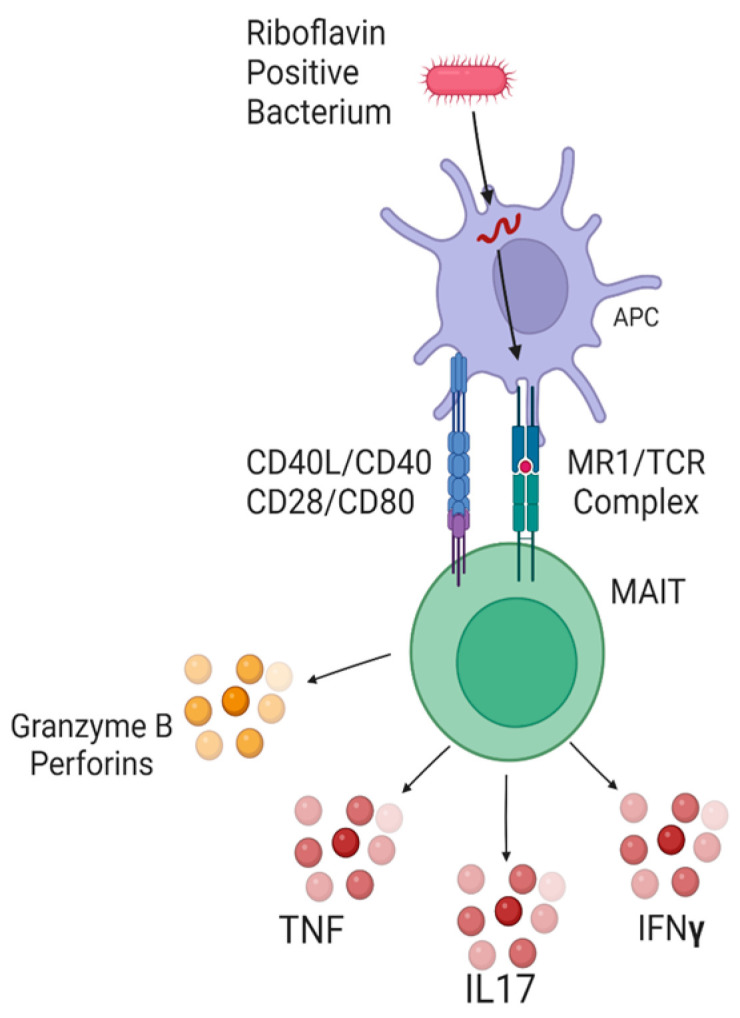
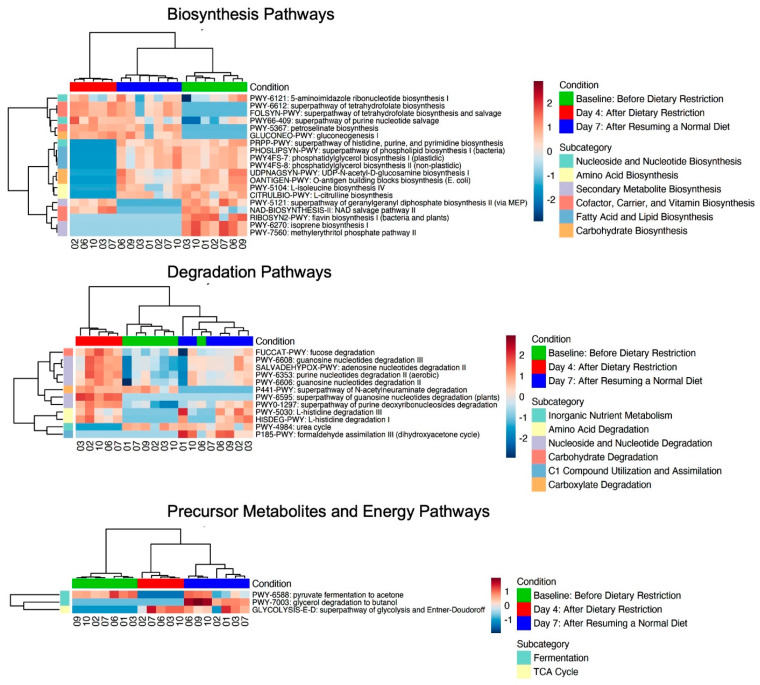
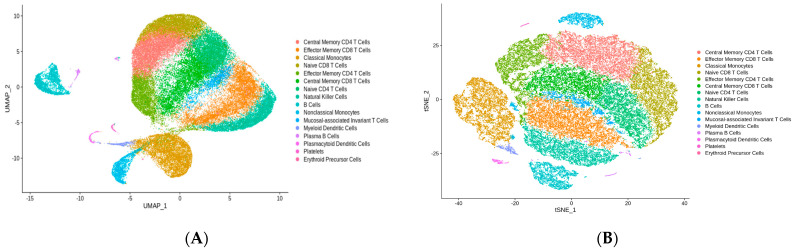
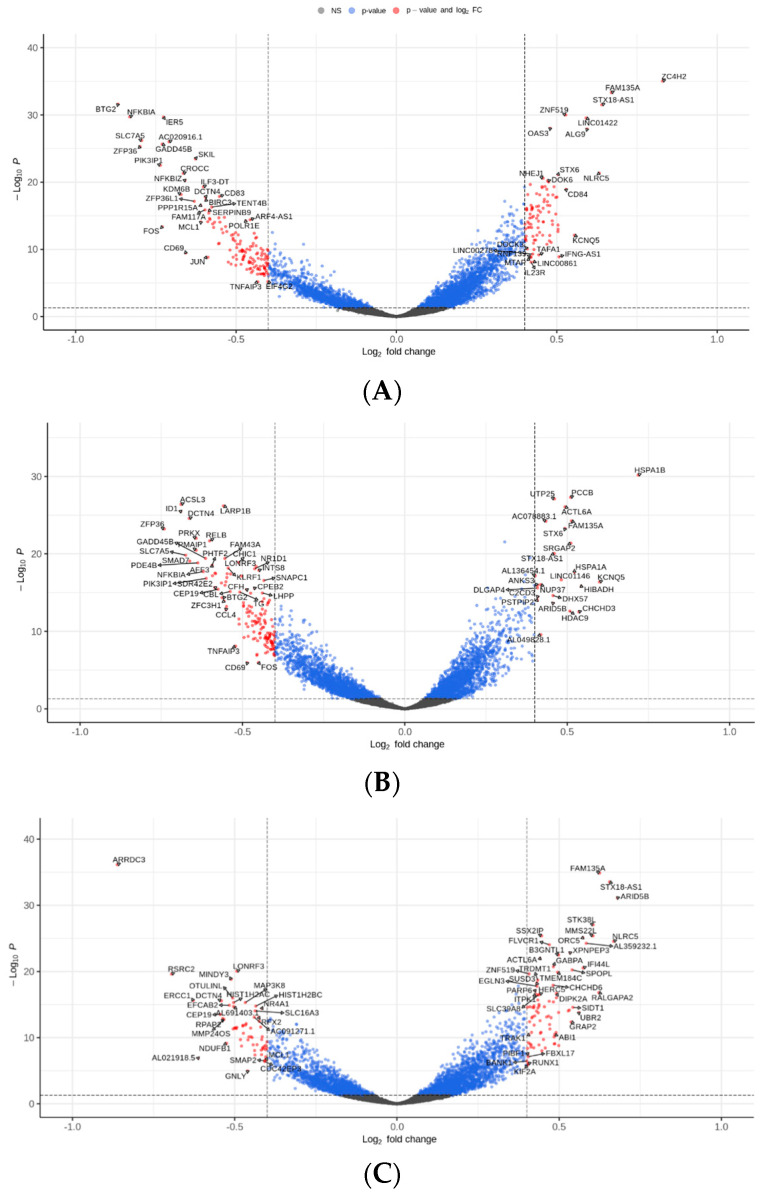
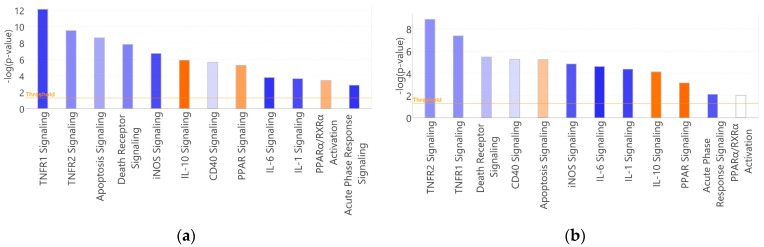
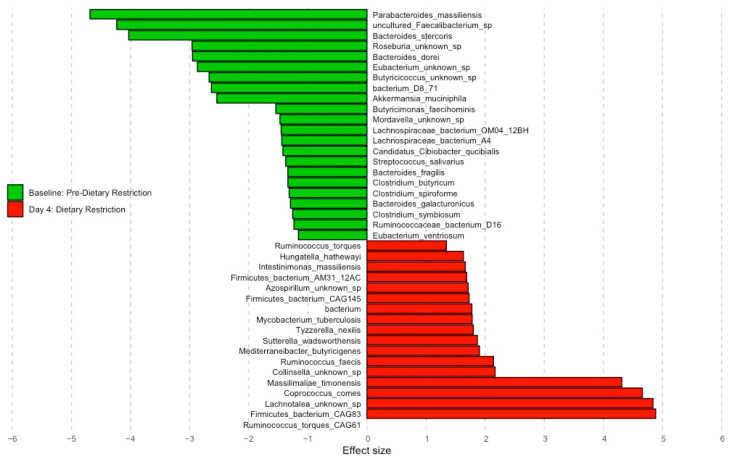
Short-term protein-calorie dietary restriction (StDR) is a promising preoperative strategy for modulating postoperative inflammation. We have previously shown marked gut microbial activity during StDR, but relationships between StDR, the gut microbiome, and systemic immunity remain poorly understood. Mucosal-associated invariant T-cells (MAITs) are enriched on mucosal surfaces and in circulation, bridge innate and adaptive immunity, are sensitive to gut microbial changes, and may mediate systemic responses to StDR. Herein, we characterized the MAIT transcriptomic response to StDR using single-cell RNA sequencing of human PBMCs and evaluated gut microbial species-level changes through sequencing of stool samples. Healthy volunteers underwent 4 days of DR during which blood and stool samples were collected before, during, and after DR. MAITs composed 2.4% of PBMCs. More MAIT genes were differentially downregulated during DR, particularly genes associated with MAIT activation (CD69), regulation of pro-inflammatory signaling (IL1, IL6, IL10, TNFα), and T-cell co-stimulation (CD40/CD40L, CD28), whereas genes associated with anti-inflammatory IL10 signaling were upregulated. Stool analysis showed a decreased abundance of multiple MAIT-stimulating species during DR. The analyses suggest that StDR potentiates an anti-inflammatory MAIT immunophenotype through modulation of TCR-dependent signaling, potentially secondary to gut microbial species-level changes.
短期蛋白质-热量饮食限制(StDR)是一种很有前景的术前调节术后炎症的策略。我们之前已经证明在StDR期间肠道微生物有显著活性,但StDR、肠道微生物群和全身免疫之间的关系仍知之甚少。黏膜相关恒定T细胞(MAIT)在黏膜表面和循环中富集,连接先天免疫和适应性免疫,对肠道微生物变化敏感,可能介导对StDR的全身反应。在此,我们使用人外周血单核细胞(PBMC)的单细胞RNA测序来表征MAIT对StDR的转录组反应,并通过粪便样本测序评估肠道微生物物种水平的变化。健康志愿者接受了4天的饮食限制,在此期间,在饮食限制前、期间和之后采集血液和粪便样本。MAIT占PBMC的2.4%。在饮食限制期间,更多的MAIT基因差异下调,特别是与MAIT激活(CD69)、促炎信号调节(IL1、IL6、IL10、TNFα)和T细胞共刺激(CD40/CD40L、CD28)相关的基因,而与抗炎IL10信号相关的基因上调。粪便分析显示,在饮食限制期间,多种刺激MAIT的物种丰度下降。分析表明,StDR通过调节TCR依赖性信号增强抗炎MAIT免疫表型,这可能继发于肠道微生物物种水平的变化。