Krishnan Anitha, Callanan David G, Sendra Victor G, Lad Amit, Christian Sunny, Earla Ravinder, Khanehzar Ali, Tolentino Andrew J, Vailoces Valory Anne Sarmiento, Greene Michelle K, Scott Christopher J, Kunimoto Derek Y, Hassan Tarek S, Genead Mohamed A, Tolentino Michael J
Aviceda Therapeutics, Cambridge, MA 02142, USA.
Department of Biology, University of California Berkeley, Berkeley, CA 94720, USA.
Pharmaceuticals (Basel). 2024 Apr 9;17(4):481. doi: 10.3390/ph17040481.
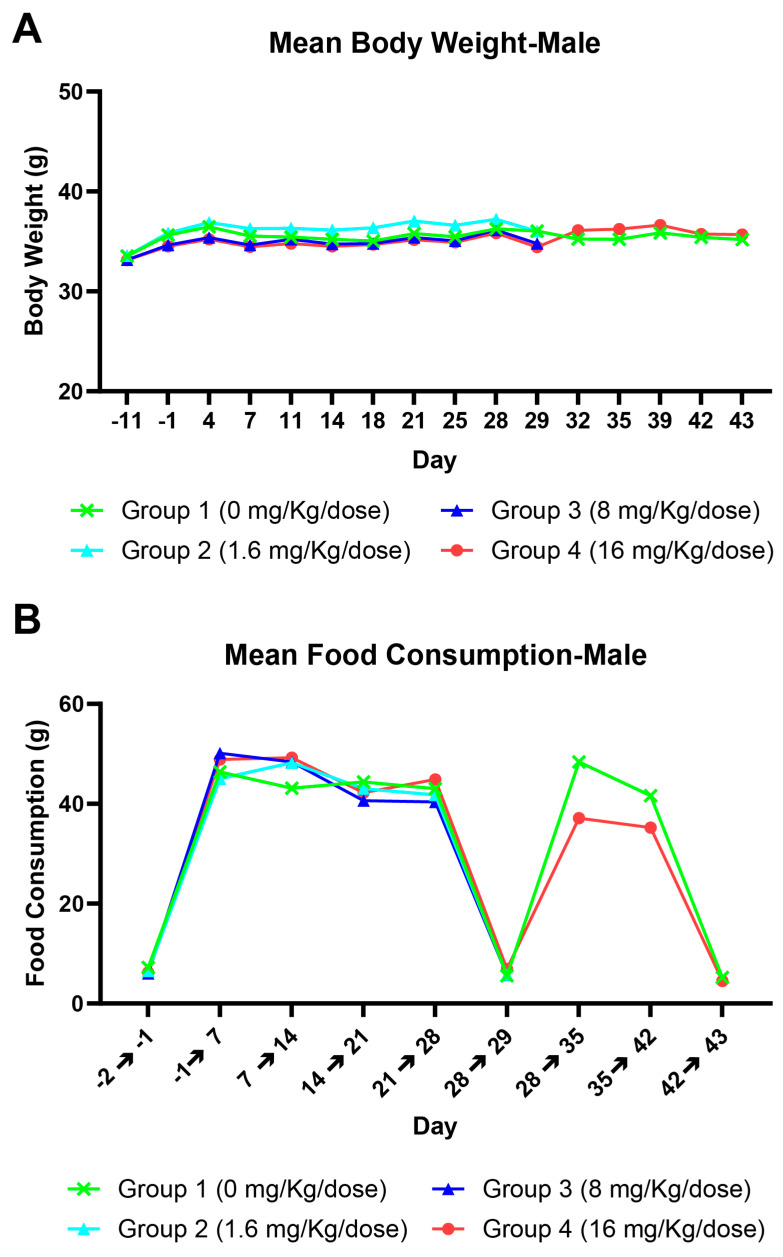
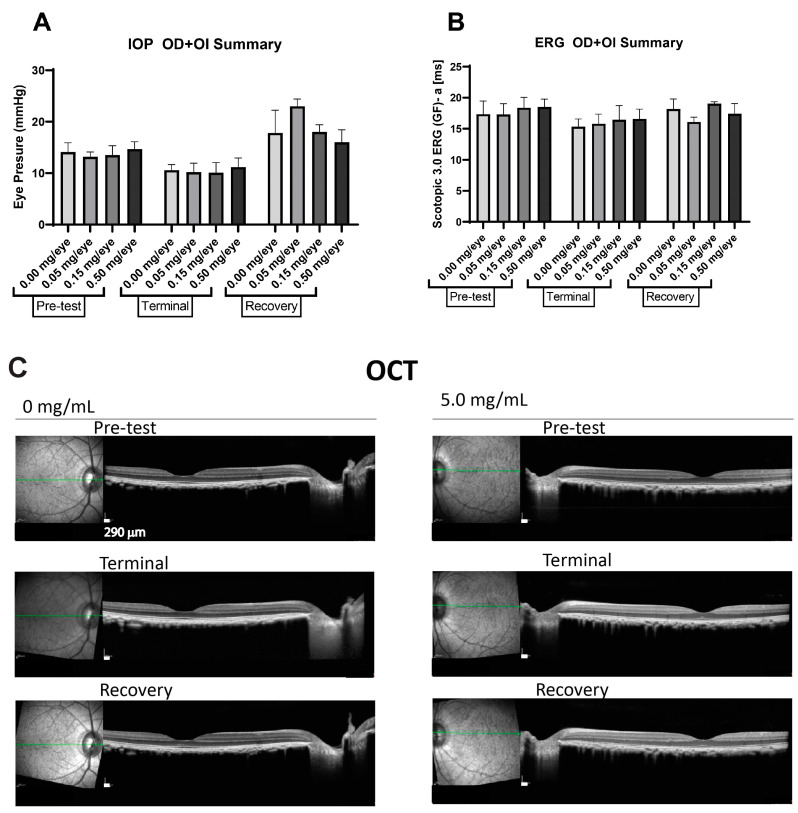
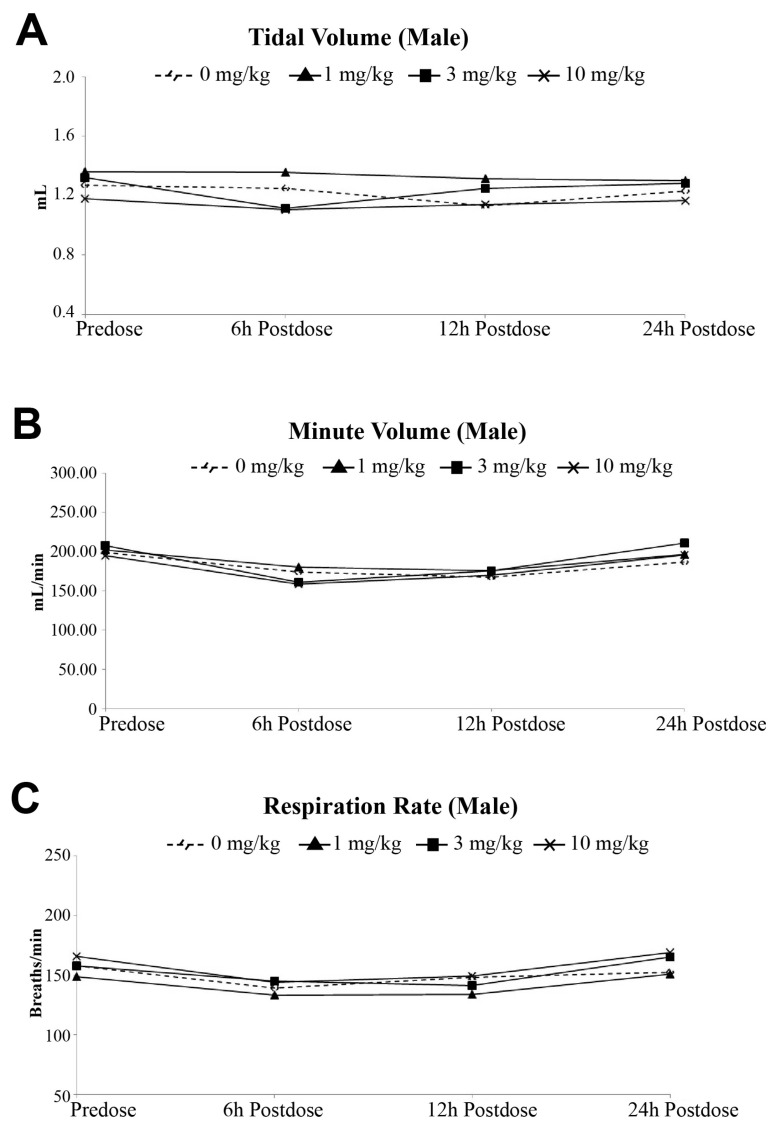
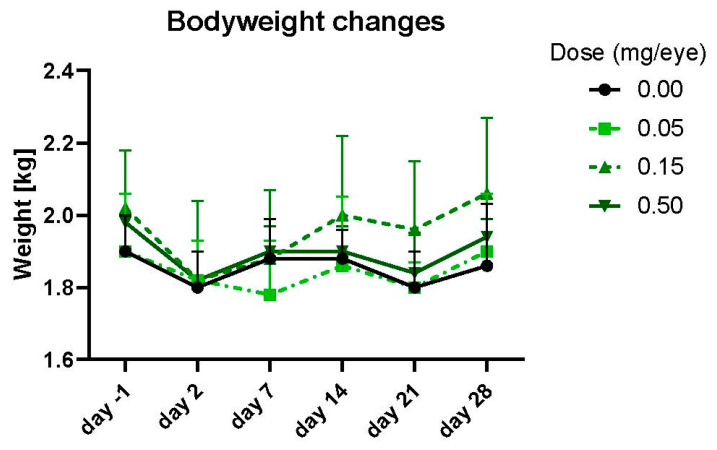
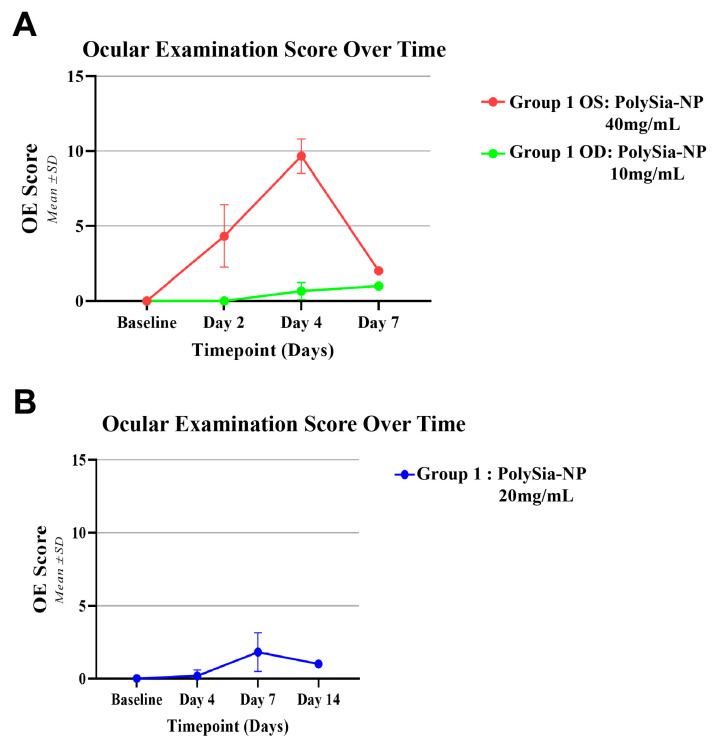
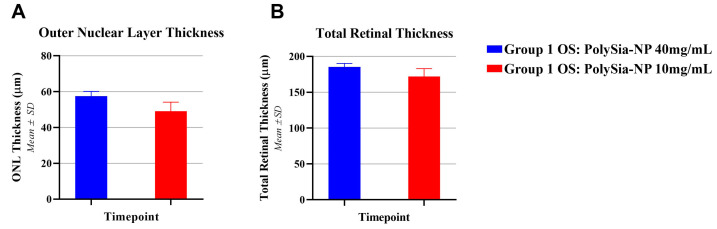
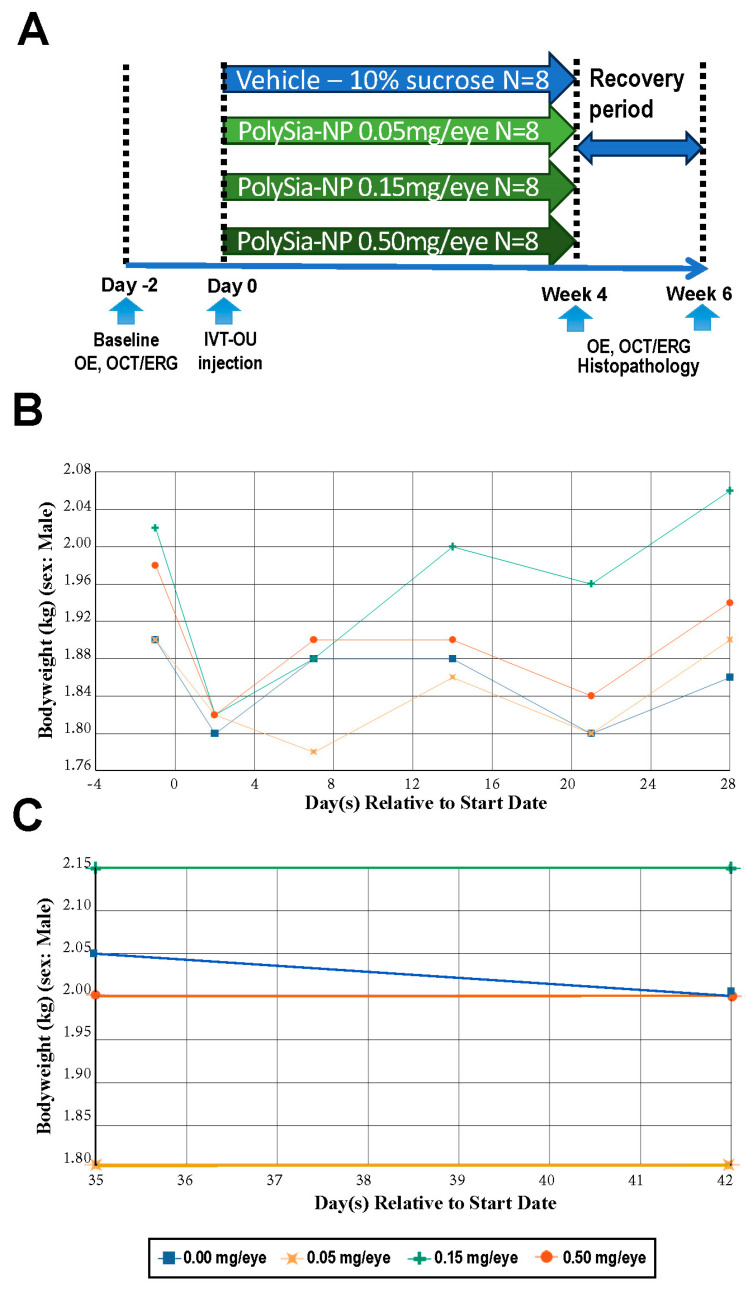
An inflammation-resolving polysialic acid-decorated PLGA nanoparticle (PolySia-NP) has been developed to treat geographic atrophy/age-related macular degeneration and other conditions caused by macrophage and complement over-activation. While PolySia-NPs have demonstrated pre-clinical efficacy, this study evaluated its systemic and intraocular safety. PolySia-NPs were evaluated in vitro for mutagenic activity using strains and , with and without metabolic activation; cytotoxicity was evaluated based on its interference with normal mitosis. PolySia-NPs were administered intravenously in CD-1 mice and Sprague Dawley rats and assessed for survival and toxicity. Intravitreal (IVT) administration in Dutch Belted rabbits and non-human primates was assessed for ocular or systemic toxicity. In vitro results indicate that PolySia-NPs did not induce mutagenicity or cytotoxicity. Intravenous administration did not show clastogenic activity, effects on survival, or toxicity. A single intravitreal (IVT) injection and two elevated repeat IVT doses of PolySia-NPs separated by 7 days in rabbits showed no signs of systemic or ocular toxicity. A single IVT inoculation of PolySia-NPs in non-human primates demonstrated no adverse clinical or ophthalmological effects. The demonstration of systemic and ocular safety of PolySia-NPs supports its advancement into human clinical trials as a promising therapeutic approach for systemic and retinal degenerative diseases caused by chronic immune activation.
一种具有炎症消退作用的聚唾液酸修饰的聚乳酸-羟基乙酸共聚物纳米颗粒(PolySia-NP)已被开发用于治疗地图样萎缩/年龄相关性黄斑变性以及由巨噬细胞和补体过度激活引起的其他病症。虽然PolySia-NP已显示出临床前疗效,但本研究评估了其全身和眼内安全性。使用菌株和,在有和没有代谢激活的情况下,对PolySia-NP进行体外诱变活性评估;基于其对正常有丝分裂的干扰来评估细胞毒性。将PolySia-NP静脉注射到CD-1小鼠和Sprague Dawley大鼠体内,并评估其存活率和毒性。评估在荷兰带兔和非人灵长类动物中玻璃体内(IVT)给药的眼毒性或全身毒性。体外结果表明,PolySia-NP不会诱导诱变或细胞毒性。静脉给药未显示出致断裂活性、对存活率的影响或毒性。在兔中单次玻璃体内(IVT)注射以及两次间隔7天的递增重复IVT剂量的PolySia-NP均未显示出全身或眼毒性的迹象。在非人灵长类动物中单次IVT接种PolySia-NP未显示出不良临床或眼科效应。PolySia-NP全身和眼内安全性的证明支持其作为一种针对由慢性免疫激活引起的全身和视网膜退行性疾病的有前景的治疗方法推进到人体临床试验。