Vijayaraghavan Christina Sathyanathan, Raman Lakshmi Sundaram, Surenderan Shanmugapriya, Kaur Harpreet, Chinambedu Mohanapriya Dandapani, Thyagarajan Sadras Panchatcharam, Gnanambal Krishnan Mary Elizabeth
Department of Biotechnology, Faculty of Biomedical Sciences and Technology, SRI Ramachandra Institute of Higher Education and Research (SRIHER), Deemed to be University (DU), Porur, Chennai 600116, Tamil Nadu, India.
Faculty of Pharmacy, SRI RAMACHANDRA Institute of Higher Education and Research (SRIHER), Deemed to be University (DU), Porur, Chennai 600116, Tamil Nadu, India.
Molecules. 2024 Apr 11;29(8):1737. doi: 10.3390/molecules29081737.
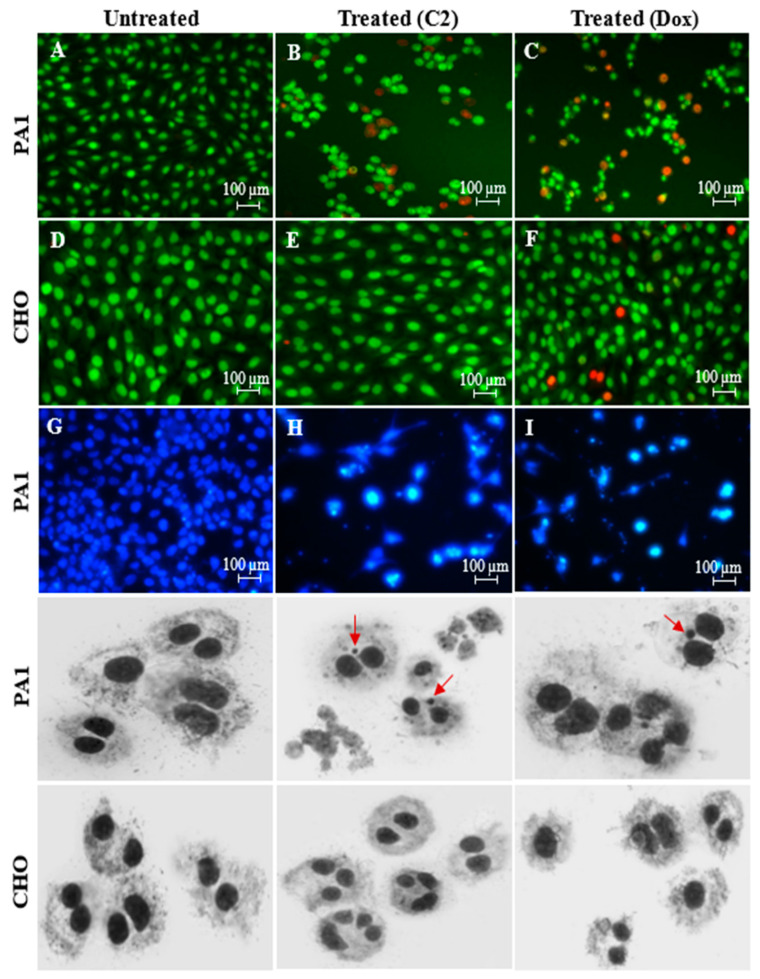
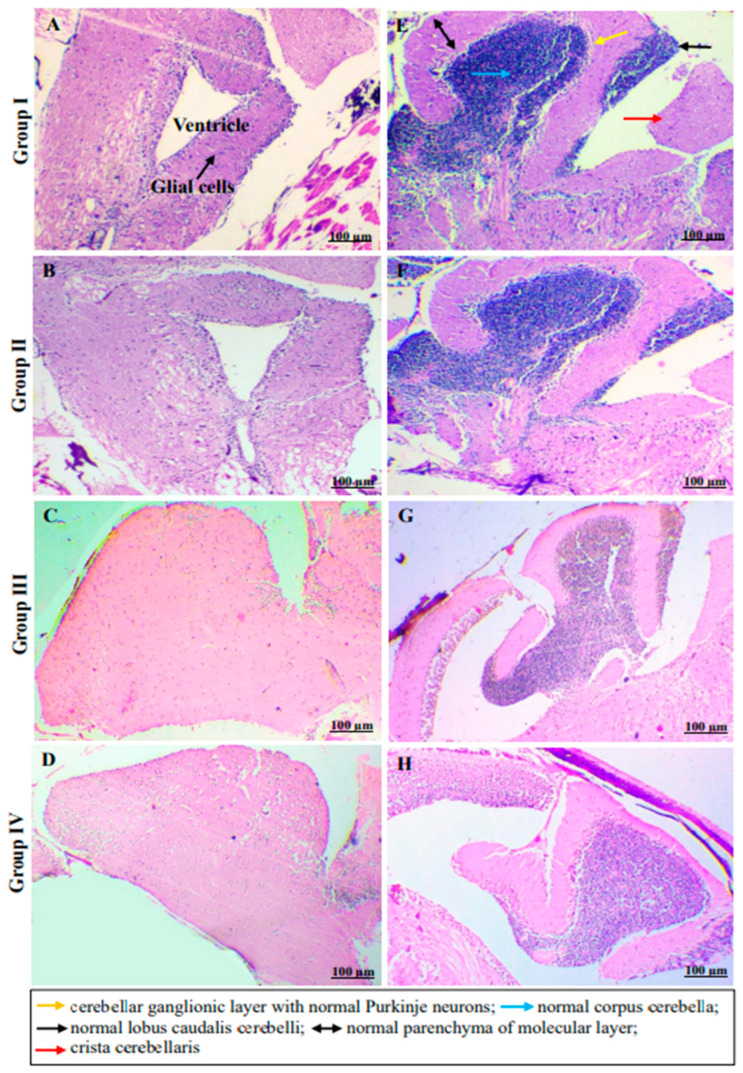
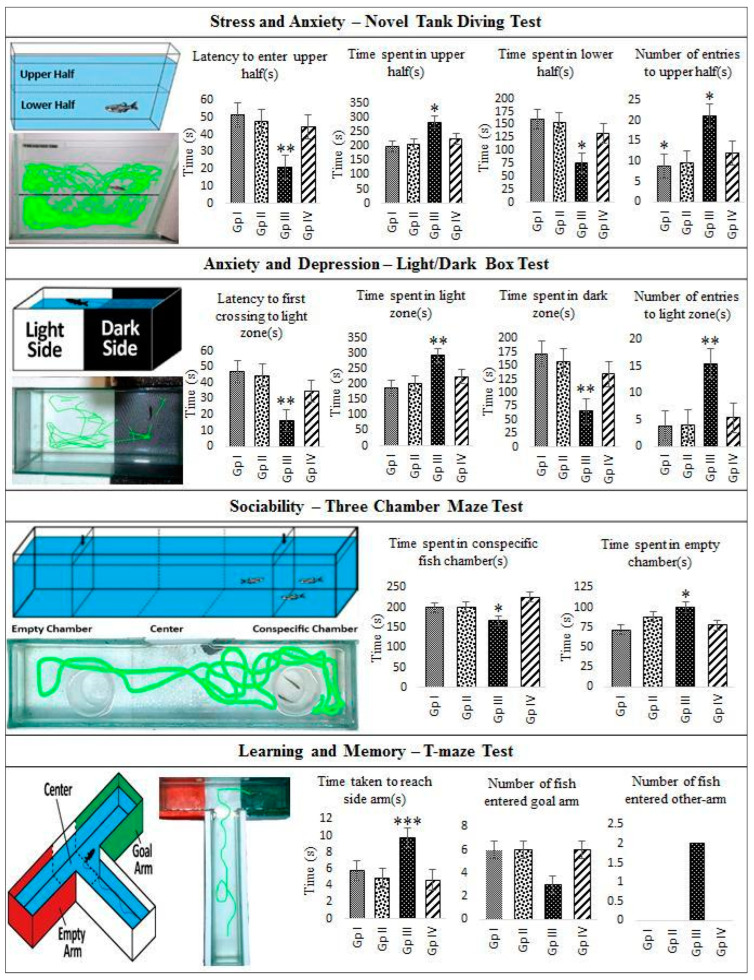
The cannabinoid-type I (CB1) receptor functions as a double-edged sword to decide cell fate: apoptosis/survival. Elevated CB1 receptor expression is shown to cause acute ceramide accumulation to meet the energy requirements of fast-growing cancers. However, the flip side of continual CB1 activation is the initiation of a second ceramide peak that leads to cell death. In this study, we used ovarian cancer cells, PA1, which expressed CB1, which increased threefold when treated with a natural compound, bis(palmitoleic acid) ester of a glycerol (). This novel compound is isolated from a marine snail, using hexane and the structural details are available in the public domain PubChem database (ID: 14275348). The compound induced two acute ceramide pools to cause G0/G1 arrest and killed cells by apoptosis. The compound increased intracellular ceramides (C:16 to 7 times and C:18 to 10 times), both of which are apoptotic inducers in response to CB1 signaling and thus the compound is a potent CB1 agonist. The compound is not genotoxic because it did not induce micronuclei formation in non-cancerous Chinese hamster ovarian (CHO) cells. Since the compound induced the cannabinoid pathway, we tested if there was a psychotropic effect in zebrafish models, however, it was evident that there were no observable neurobehavioral changes in the treatment groups. With the available data, we propose that this marine compound is safe to be used in non-cancerous cells as well as zebrafish. Thus, this anticancer compound is non-toxic and triggers the CB1 pathway without causing psychotropic effects.
大麻素I型(CB1)受体在决定细胞命运(凋亡/存活)方面起着双刃剑的作用。研究表明,CB1受体表达升高会导致急性神经酰胺积累,以满足快速生长癌症的能量需求。然而,持续激活CB1的另一面是引发第二个神经酰胺峰值,从而导致细胞死亡。在本研究中,我们使用了表达CB1的卵巢癌细胞PA1,用天然化合物甘油双(棕榈油酸)酯()处理后,CB1表达增加了三倍。这种新型化合物是从一种海蜗牛中分离出来的,使用己烷提取,其结构细节可在公共领域的PubChem数据库中获取(ID:14275348)。该化合物诱导两个急性神经酰胺池,导致G0/G1期阻滞并通过凋亡杀死细胞。该化合物增加了细胞内神经酰胺(C:16增加到7倍,C:18增加到10倍),这两种神经酰胺都是响应CB1信号的凋亡诱导剂,因此该化合物是一种有效的CB1激动剂。该化合物没有遗传毒性,因为它在非癌性中国仓鼠卵巢(CHO)细胞中没有诱导微核形成。由于该化合物诱导了大麻素途径,我们在斑马鱼模型中测试了它是否有精神作用,然而,很明显治疗组没有观察到神经行为变化。根据现有数据,我们认为这种海洋化合物在非癌细胞和斑马鱼中使用是安全的。因此,这种抗癌化合物无毒,能触发CB1途径且不会引起精神作用。