Elangeeb Mohamed E, Elfaki Imadeldin, Eleragi Ali M S, Ahmed Elsadig Mohamed, Mir Rashid, Alzahrani Salem M, Bedaiwi Ruqaiah I, Alharbi Zeyad M, Mir Mohammad Muzaffar, Ajmal Mohammad Rehan, Tayeb Faris Jamal, Barnawi Jameel
Department of Basic Medical Sciences, College of Applied Medical Sciences, University of Bisha, Bisha 61922, Saudi Arabia.
Department of Biochemistry, Faculty of Science, University of Tabuk, Tabuk 71491, Saudi Arabia.
Molecules. 2024 Apr 22;29(8):1904. doi: 10.3390/molecules29081904.
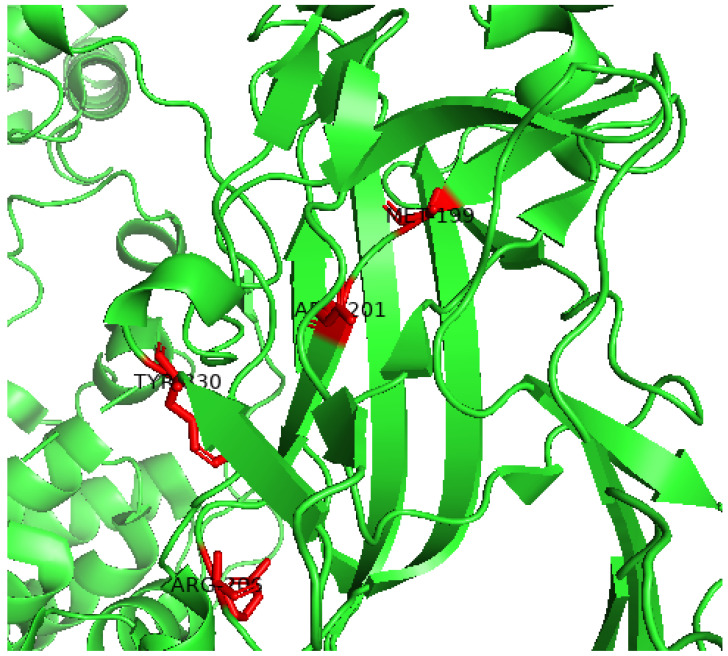
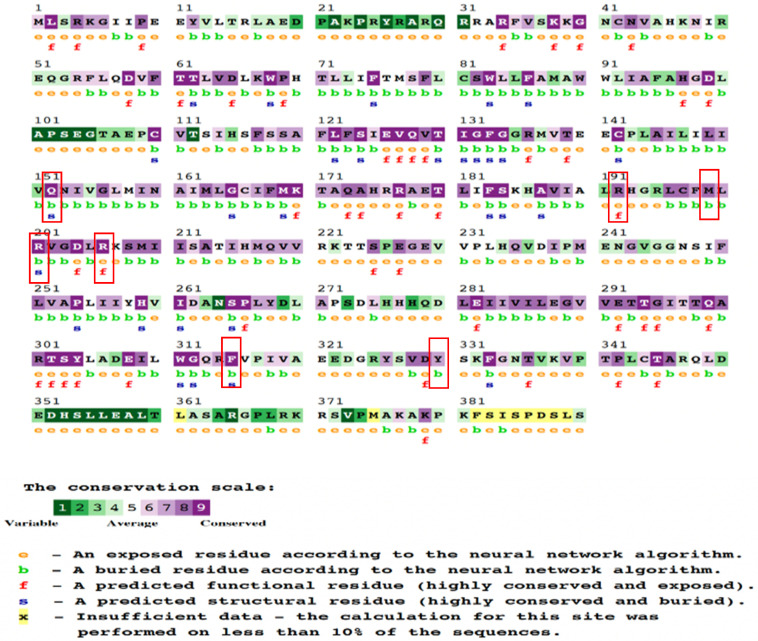
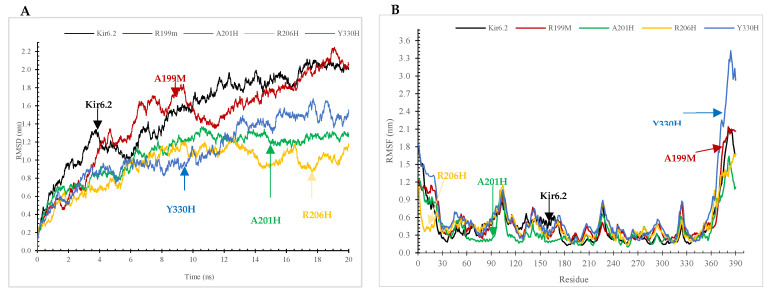
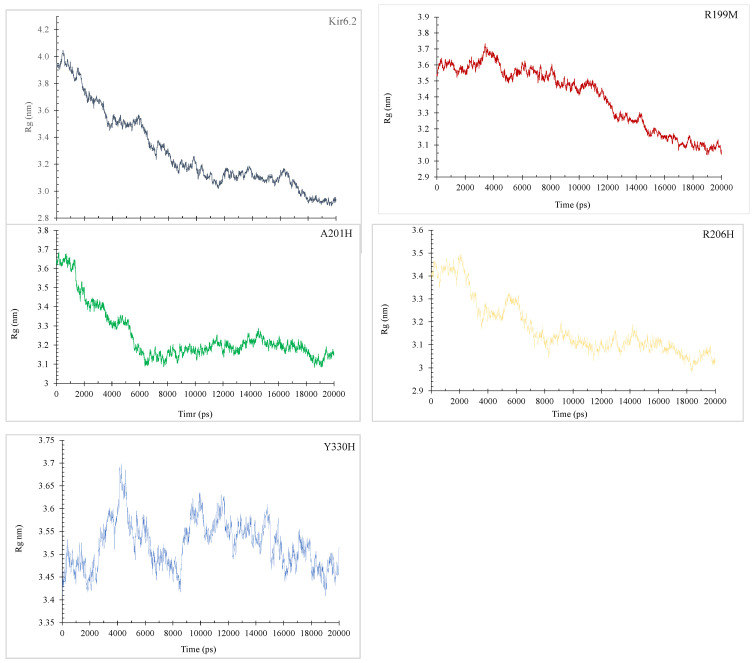
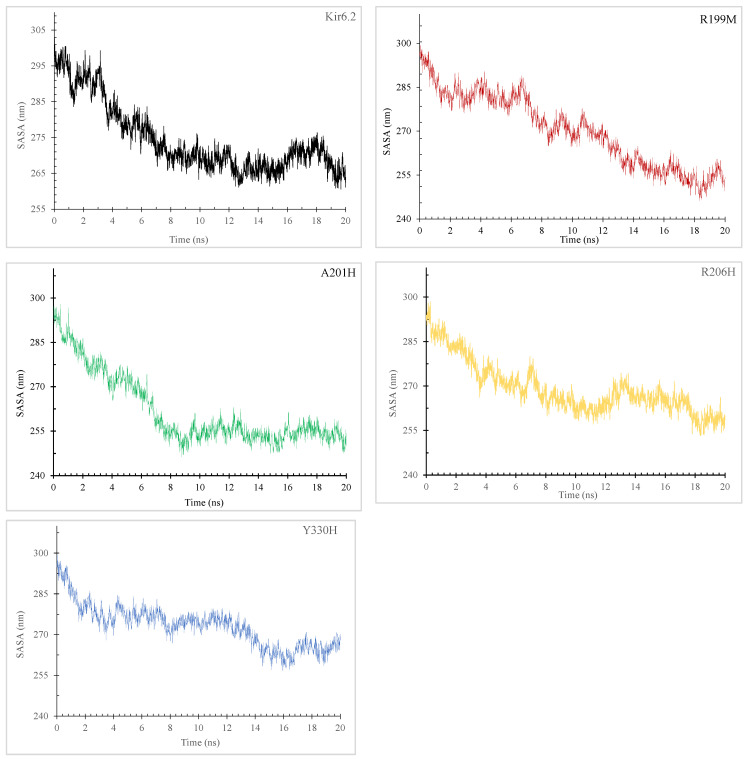
Diabetes mellitus (DM) represents a problem for the healthcare system worldwide. DM has very serious complications such as blindness, kidney failure, and cardiovascular disease. In addition to the very bad socioeconomic impacts, it influences patients and their families and communities. The global costs of DM and its complications are huge and expected to rise by the year 2030. DM is caused by genetic and environmental risk factors. Genetic testing will aid in early diagnosis and identification of susceptible individuals or populations using ATP-sensitive potassium (K) channels present in different tissues such as the pancreas, myocardium, myocytes, and nervous tissues. The channels respond to different concentrations of blood sugar, stimulation by hormones, or ischemic conditions. In pancreatic cells, they regulate the secretion of insulin and glucagon. Mutations in the gene that encodes the Kir6.2 protein (a major constituent of K channels) were reported to be associated with Type 2 DM, neonatal diabetes mellitus (NDM), and maturity-onset diabetes of the young (MODY). Kir6.2 harbors binding sites for ATP and phosphatidylinositol 4,5-diphosphate (PIP2). The ATP inhibits the K channel, while the (PIP2) activates it. A Kir6.2 mutation at tyrosine330 (Y330) was demonstrated to reduce ATP inhibition and predisposes to NDM. In this study, we examined the effect of mutations on the Kir6.2 structure using bioinformatics tools and molecular dynamic simulations (SIFT, PolyPhen, SNAP2, PANTHER, PhD&SNP, SNP&Go, I-Mutant, MuPro, MutPred, ConSurf, HOPE, and GROMACS). Our results indicated that M199R, R201H, R206H, and Y330H mutations influence Kir6.2 structure and function and therefore may cause DM. We conclude that MD simulations are useful techniques to predict the effects of mutations on protein structure. In addition, the M199R, R201H, R206H, and Y330H variant in the Kir6.2 protein may be associated with DM. These results require further verification in protein-protein interactions, Kir6.2 function, and case-control studies.
糖尿病(DM)是全球医疗保健系统面临的一个问题。糖尿病有非常严重的并发症,如失明、肾衰竭和心血管疾病。除了非常严重的社会经济影响外,它还会影响患者及其家庭和社区。糖尿病及其并发症的全球成本巨大,预计到2030年还会上升。糖尿病由遗传和环境风险因素引起。基因检测将有助于利用存在于不同组织(如胰腺、心肌、肌细胞和神经组织)中的ATP敏感性钾(K)通道对易感个体或人群进行早期诊断和识别。这些通道对不同浓度的血糖、激素刺激或缺血状况作出反应。在胰腺细胞中,它们调节胰岛素和胰高血糖素的分泌。据报道,编码Kir6.2蛋白(K通道的主要成分)的基因突变与2型糖尿病、新生儿糖尿病(NDM)和青年发病的成年型糖尿病(MODY)有关。Kir6.2含有ATP和磷脂酰肌醇4,5 -二磷酸(PIP2)的结合位点。ATP抑制K通道,而(PIP2)激活它。已证明酪氨酸330(Y330)处的Kir6.2突变会降低ATP抑制作用,并易患NDM。在本研究中,我们使用生物信息学工具和分子动力学模拟(SIFT、PolyPhen、SNAP2、PANTHER、PhD&SNP、SNP&Go、I - Mutant、MuPro、MutPred、ConSurf、HOPE和GROMACS)研究了突变对Kir6.2结构的影响。我们的结果表明,M199R、R201H、R206H和Y330H突变会影响Kir6.2的结构和功能,因此可能导致糖尿病。我们得出结论,分子动力学模拟是预测突变对蛋白质结构影响的有用技术。此外,Kir6.2蛋白中的M199R、R201H、R206H和Y330H变体可能与糖尿病有关。这些结果需要在蛋白质 - 蛋白质相互作用、Kir6.2功能以及病例对照研究中进一步验证。