Arce Elena, Suárez-García Andrés, López-Vázquez José Antonio, Devesa-Rey Rosa
Polytechnic School of Engineering of Ferrol, University of A Coruña, 15403 Ferrol, Spain.
Defense University Center, Spanish Naval Academy, University of Vigo, 36920 Marín, Spain.
Sensors (Basel). 2024 Apr 11;24(8):2454. doi: 10.3390/s24082454.
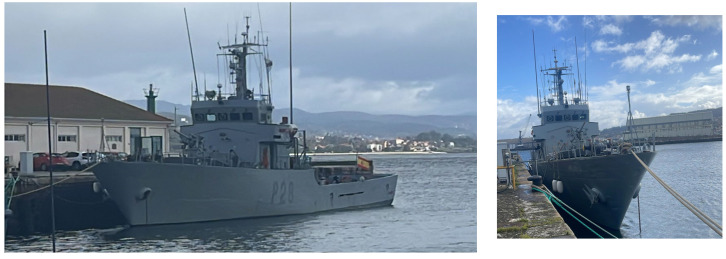
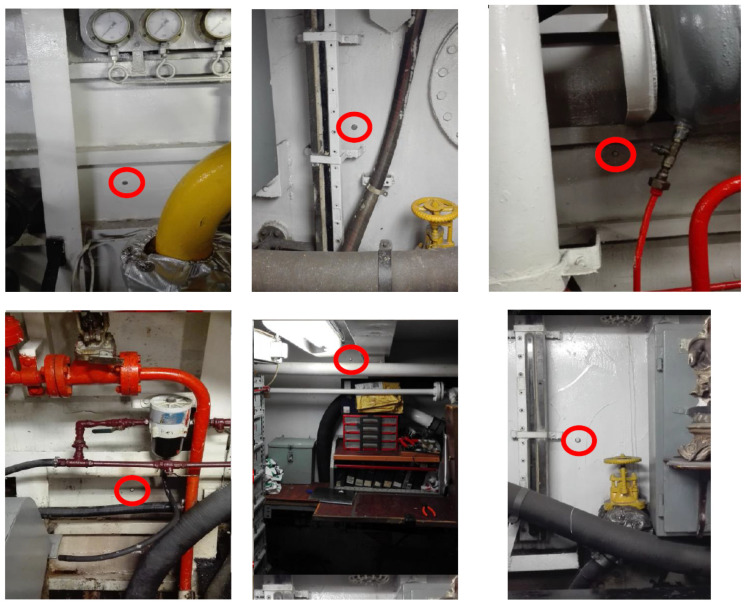
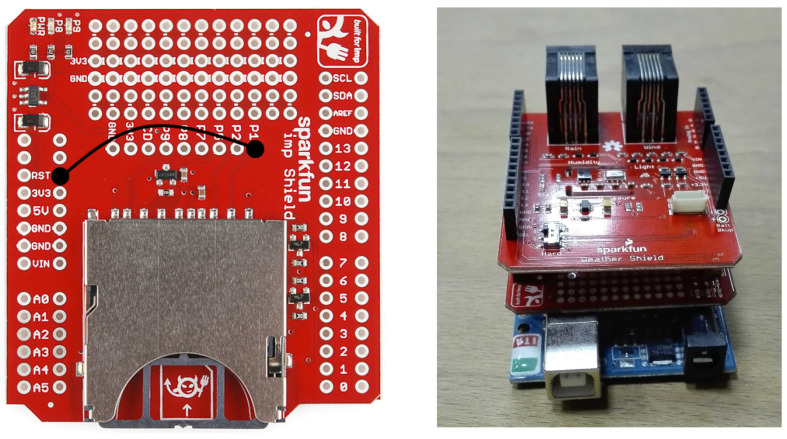
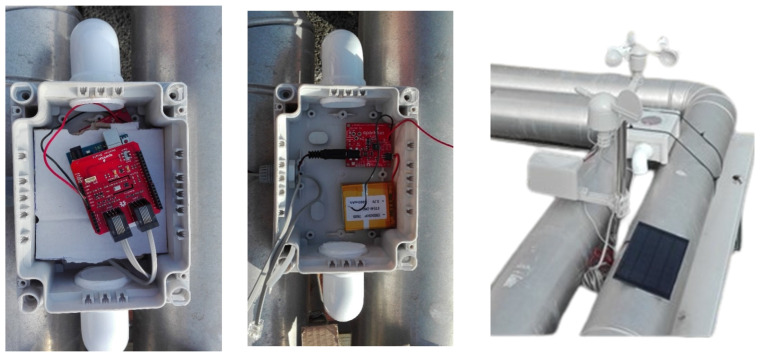
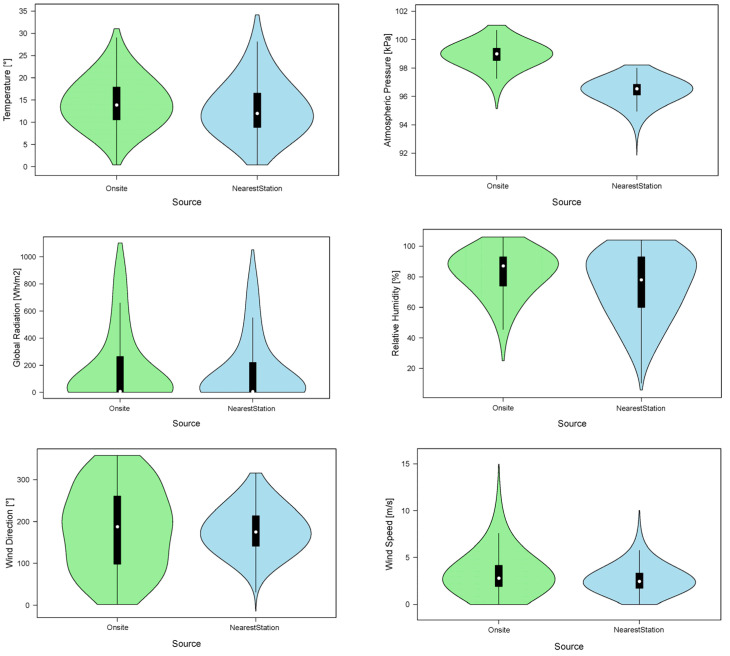
Thermal simulations have become increasingly popular in assessing energy efficiency and predicting thermal behaviors in various structures. Calibration of these simulations is essential for accurate predictions. A crucial aspect of this calibration involves investigating the influence of meteorological variables. This study aims to explore the impact of meteorological variables on thermal simulations, particularly focusing on ships. Using TRNSYS (TRaNsient System Simulation) software (v17), renowned for its capability to model complex energy systems within buildings, the significance of incorporating meteorological data into thermal simulations was analyzed. The investigation centered on a patrol vessel stationed in a port in Galicia, northwest Spain. To ensure accuracy, we not only utilized the vessel's dimensions but also conducted in situ temperature measurements onboard. Furthermore, a dedicated weather station was installed to capture real-time meteorological data. Data from multiple sources, including Meteonorm and MeteoGalicia, were collected for comparative analysis. By juxtaposing simulations based on meteorological variables against those relying solely on in situ measurements, we sought to discern the relative merits of each approach in enhancing the fidelity of thermal simulations.
热模拟在评估能源效率和预测各种结构的热行为方面越来越受欢迎。对这些模拟进行校准对于准确预测至关重要。这种校准的一个关键方面涉及研究气象变量的影响。本研究旨在探讨气象变量对热模拟的影响,特别是针对船舶。使用以能够对建筑物内复杂能源系统进行建模而闻名的TRNSYS(瞬态系统模拟)软件(v17),分析了将气象数据纳入热模拟的重要性。调查集中在一艘驻扎在西班牙西北部加利西亚一个港口的巡逻舰上。为确保准确性,我们不仅利用了该船的尺寸,还在船上进行了现场温度测量。此外,还安装了一个专用气象站以获取实时气象数据。收集了包括Meteonorm和MeteoGalicia在内的多个来源的数据用于比较分析。通过将基于气象变量的模拟与仅依赖现场测量的模拟并列比较,我们试图辨别每种方法在提高热模拟保真度方面的相对优点。