ITC-CNR, Construction Technologies Institute-National Research Council of Italy, Lombardia St., 49-20098 San Giuliano M.se, Italy.
SCS, SoftCare Studios Srls, Franco Sacchetti St., 52-00137 Roma, Italy.
Sensors (Basel). 2018 May 17;18(5):1602. doi: 10.3390/s18051602.
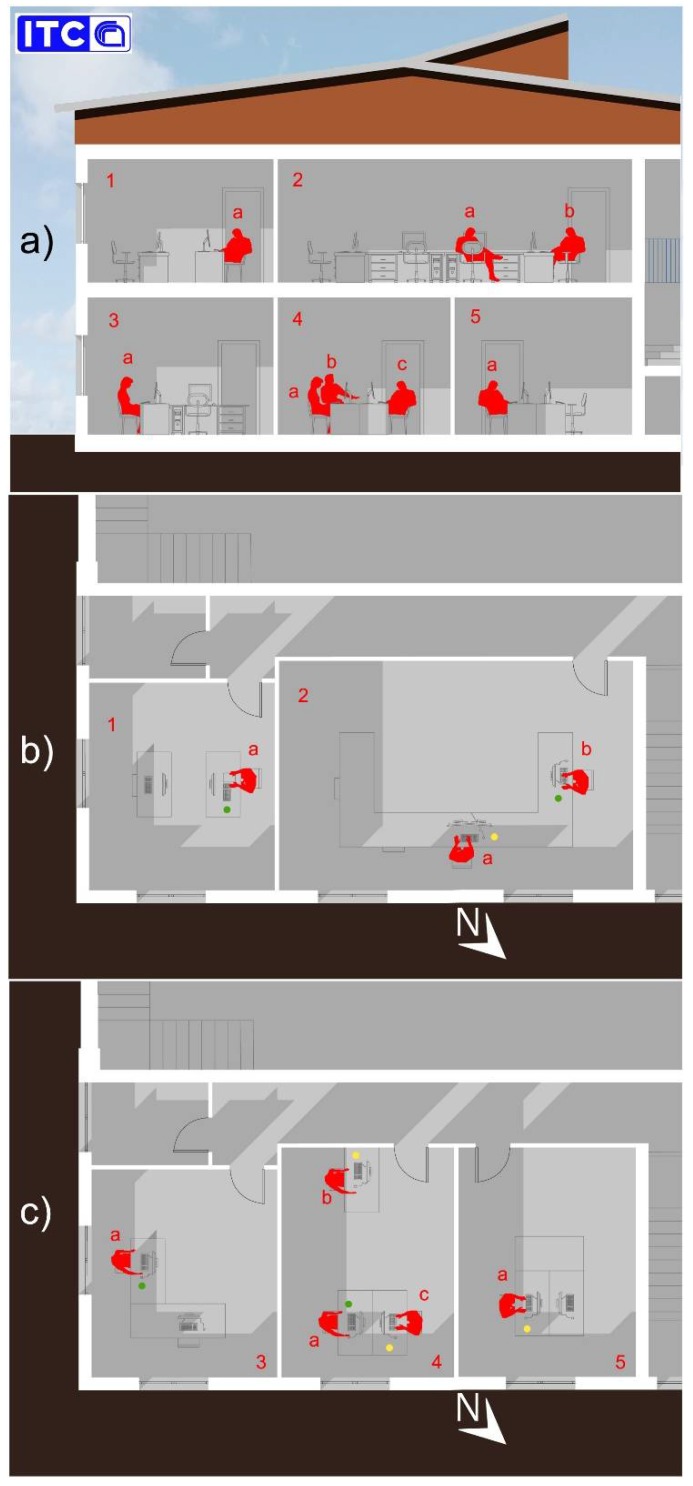
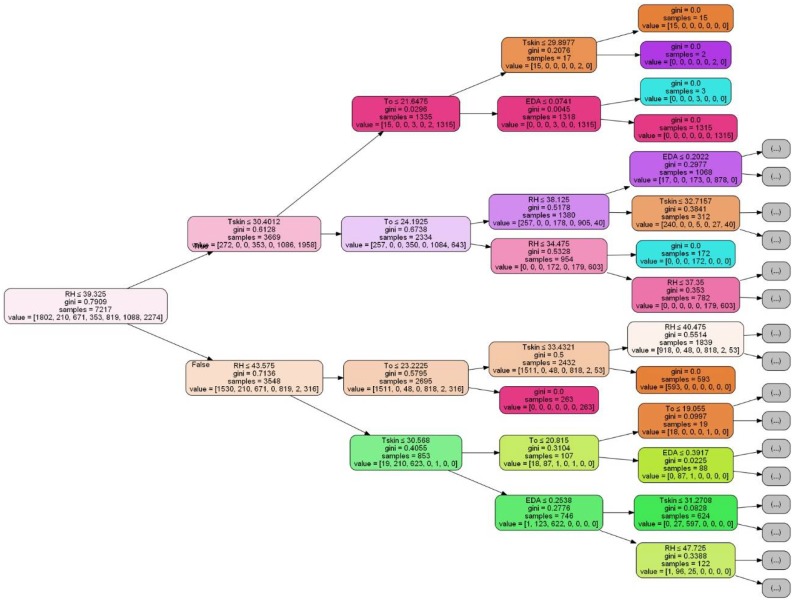
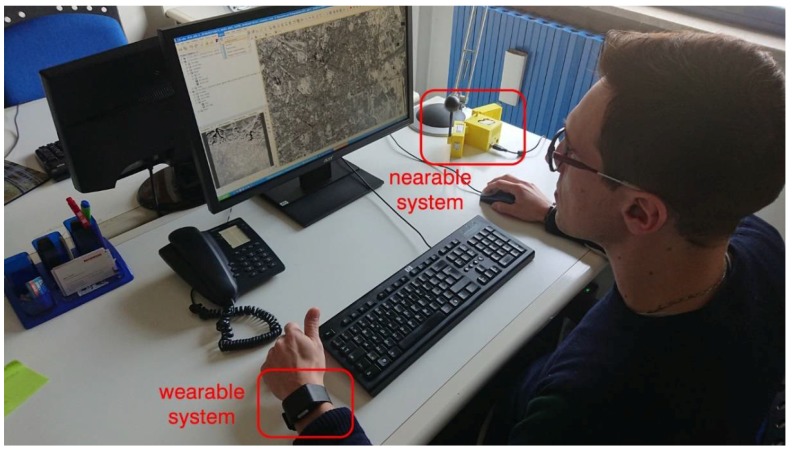
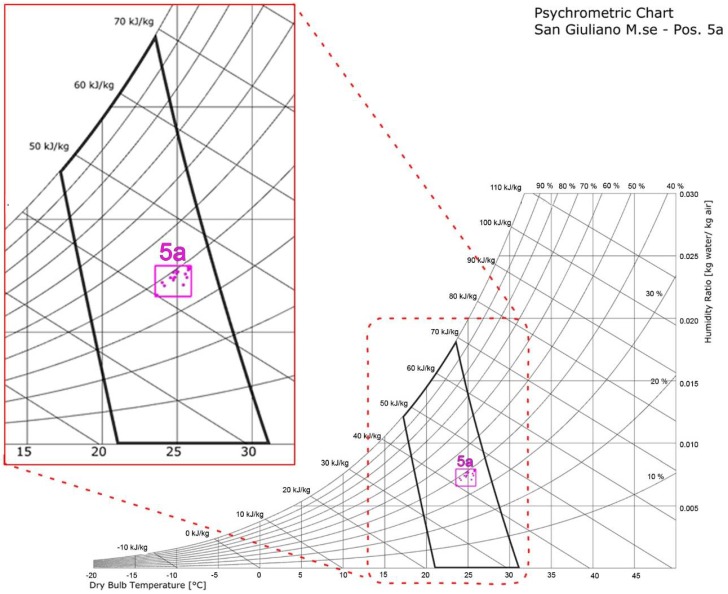
Thermal comfort has become a topic issue in building performance assessment as well as energy efficiency. Three methods are mainly recognized for its assessment. Two of them based on standardized methodologies, face the problem by considering the indoor environment in steady-state conditions (PMV and PPD) and users as active subjects whose thermal perception is influenced by outdoor climatic conditions (adaptive approach). The latter method is the starting point to investigate thermal comfort from an overall perspective by considering endogenous variables besides the traditional physical and environmental ones. Following this perspective, the paper describes the results of an in-field investigation of thermal conditions through the use of nearable and wearable solutions, parametric models and machine learning techniques. The aim of the research is the exploration of the reliability of IoT-based solutions combined with advanced algorithms, in order to create a replicable framework for the assessment and improvement of user thermal satisfaction. For this purpose, an experimental test in real offices was carried out involving eight workers. Parametric models are applied for the assessment of thermal comfort; IoT solutions are used to monitor the environmental variables and the users' parameters; the machine learning CART method allows to predict the users' profile and the thermal comfort perception respect to the indoor environment.
热舒适已经成为建筑性能评估和能源效率的一个话题。主要有三种方法来评估它。其中两种方法基于标准化方法,通过考虑稳态条件下的室内环境(PMV 和 PPD)和作为主动主体的用户来解决问题,这些用户的热感知受到室外气候条件的影响(自适应方法)。后者是从整体角度研究热舒适性的起点,除了传统的物理和环境变量外,还考虑了内源性变量。从这个角度出发,本文通过使用近距和可穿戴解决方案、参数模型和机器学习技术,描述了通过现场调查获得的热环境结果。该研究的目的是探索基于物联网的解决方案与先进算法相结合的可靠性,以便为评估和提高用户的热满意度创建一个可复制的框架。为此,在实际办公室进行了一项涉及 8 名工人的实验测试。参数模型用于评估热舒适度;物联网解决方案用于监测环境变量和用户参数;机器学习 CART 方法允许预测用户的个人资料和对室内环境的热舒适度感知。