Stomatological Hospital, School of Stomatology, Southern Medical University, Guangzhou, 510280, Guangdong, China.
Cell Death Dis. 2024 May 1;15(5):307. doi: 10.1038/s41419-024-06697-4.
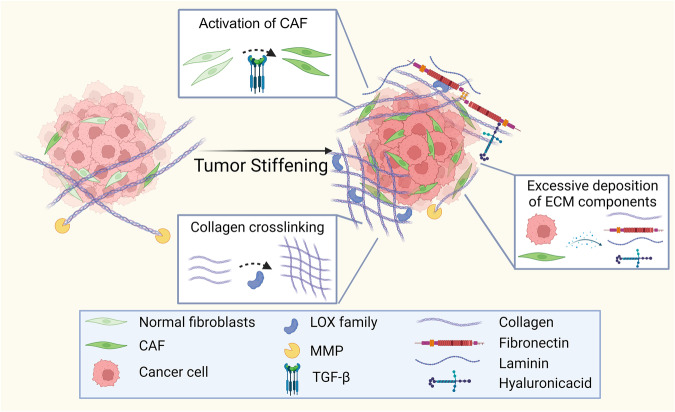
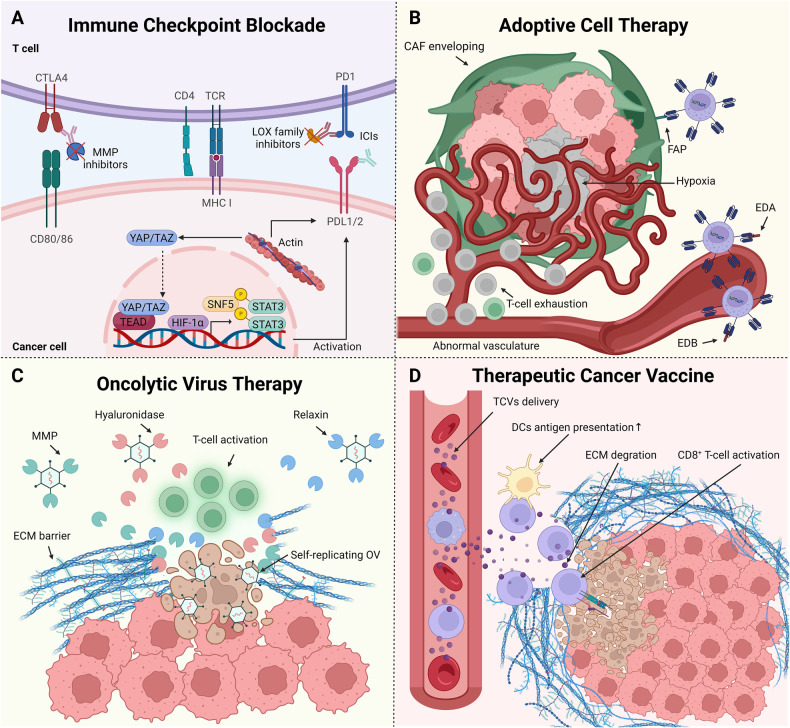
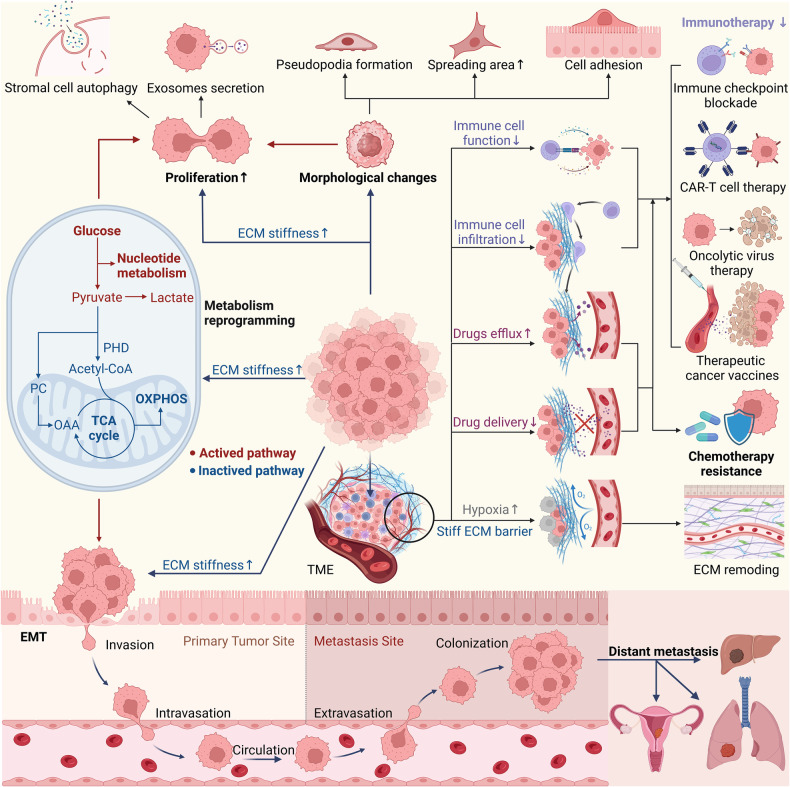
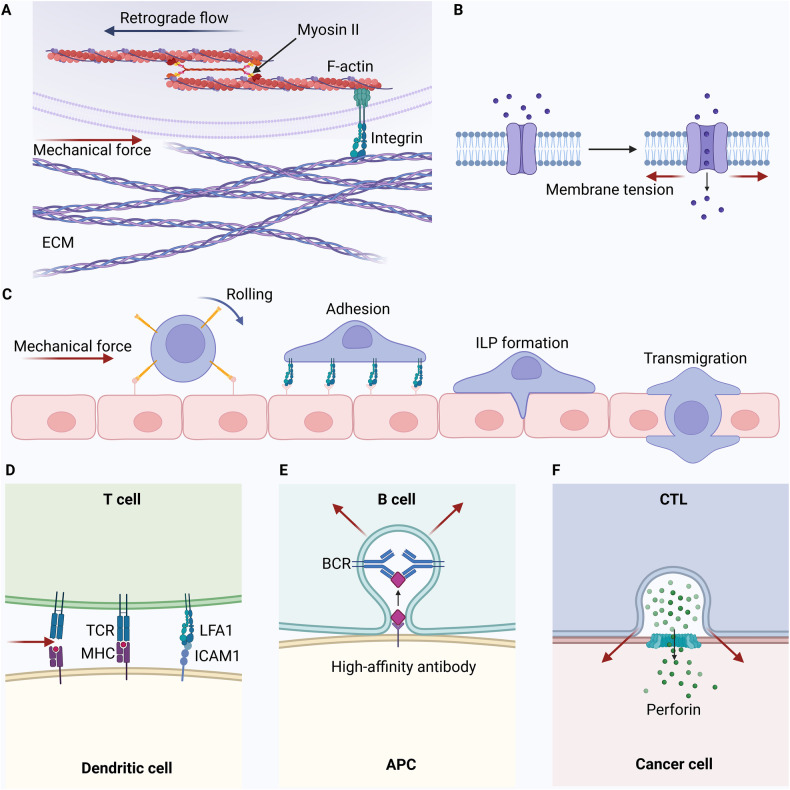
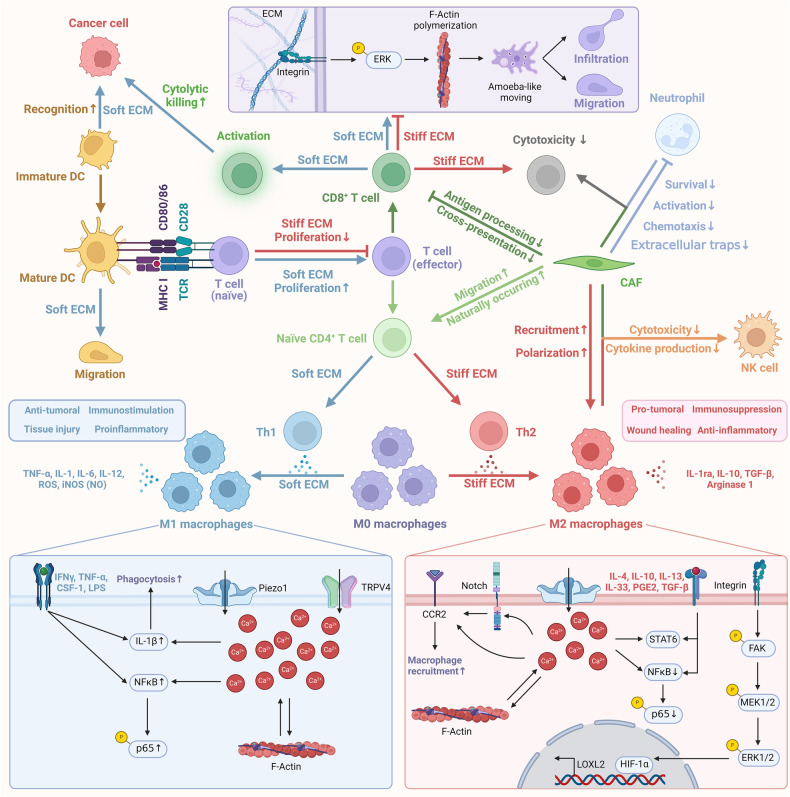
The interplay between extracellular matrix (ECM) stiffness and the tumor microenvironment is increasingly recognized as a critical factor in cancer progression and the efficacy of immunotherapy. This review comprehensively discusses the key factors regulating ECM remodeling, including the activation of cancer-associated fibroblasts and the accumulation and crosslinking of ECM proteins. Furthermore, it provides a detailed exploration of how ECM stiffness influences the behaviors of both tumor and immune cells. Significantly, the impact of ECM stiffness on the response to various immunotherapy strategies, such as immune checkpoint blockade, adoptive cell therapy, oncolytic virus therapy, and therapeutic cancer vaccines, is thoroughly examined. The review also addresses the challenges in translating research findings into clinical practice, highlighting the need for more precise biomaterials that accurately mimic the ECM and the development of novel therapeutic strategies. The insights offered aim to guide future research, with the potential to enhance the effectiveness of cancer immunotherapy modalities.
细胞外基质(ECM)硬度与肿瘤微环境之间的相互作用,日益被认为是癌症进展和免疫疗法疗效的关键因素。本综述全面讨论了调节 ECM 重塑的关键因素,包括癌症相关成纤维细胞的激活以及 ECM 蛋白的积累和交联。此外,还详细探讨了 ECM 硬度如何影响肿瘤细胞和免疫细胞的行为。值得注意的是,还深入研究了 ECM 硬度对各种免疫疗法策略(如免疫检查点阻断、过继细胞疗法、溶瘤病毒疗法和治疗性癌症疫苗)反应的影响。该综述还讨论了将研究结果转化为临床实践所面临的挑战,强调需要更精确的仿生材料来准确模拟 ECM,并开发新的治疗策略。这些见解旨在为未来的研究提供指导,有可能提高癌症免疫疗法的效果。